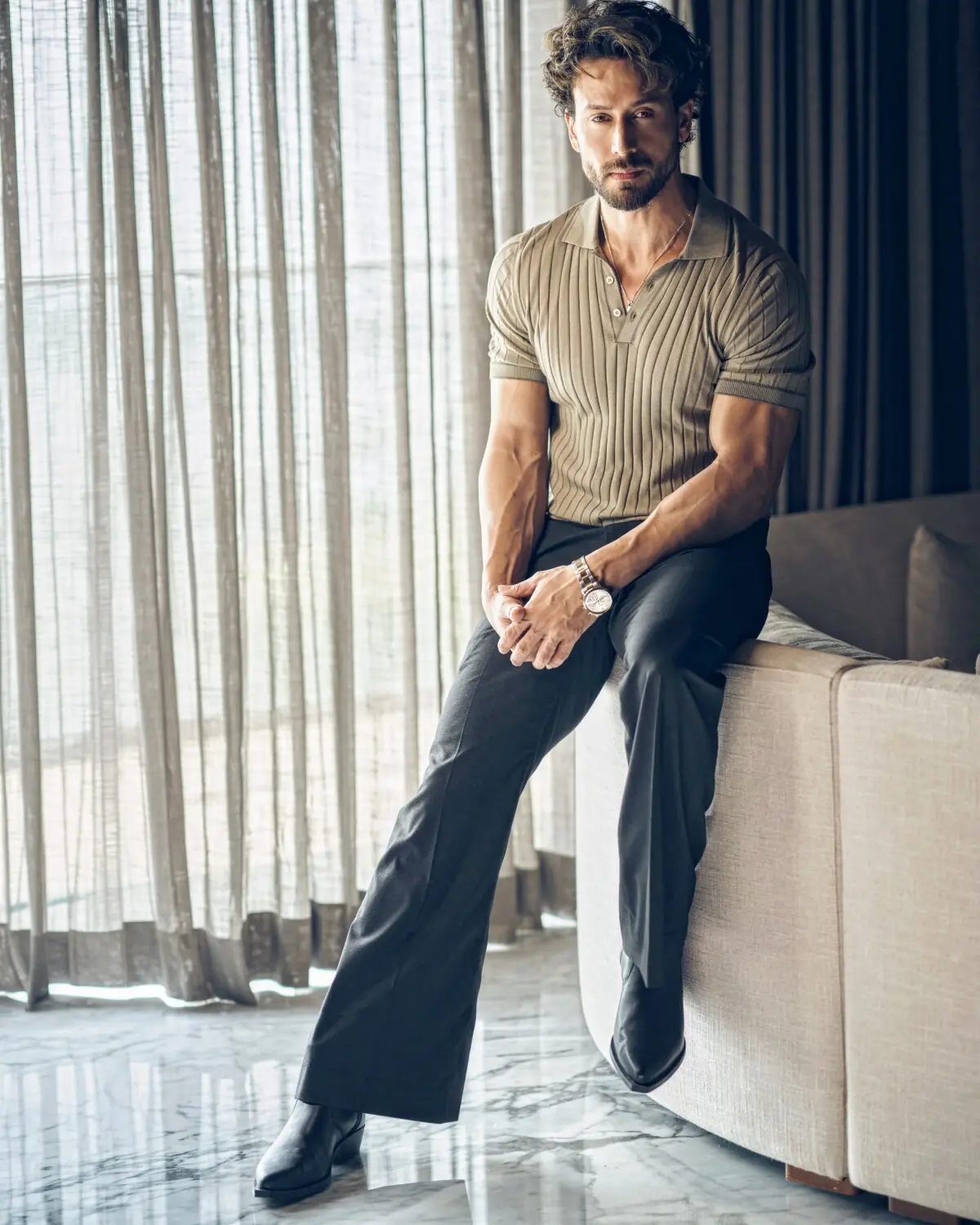
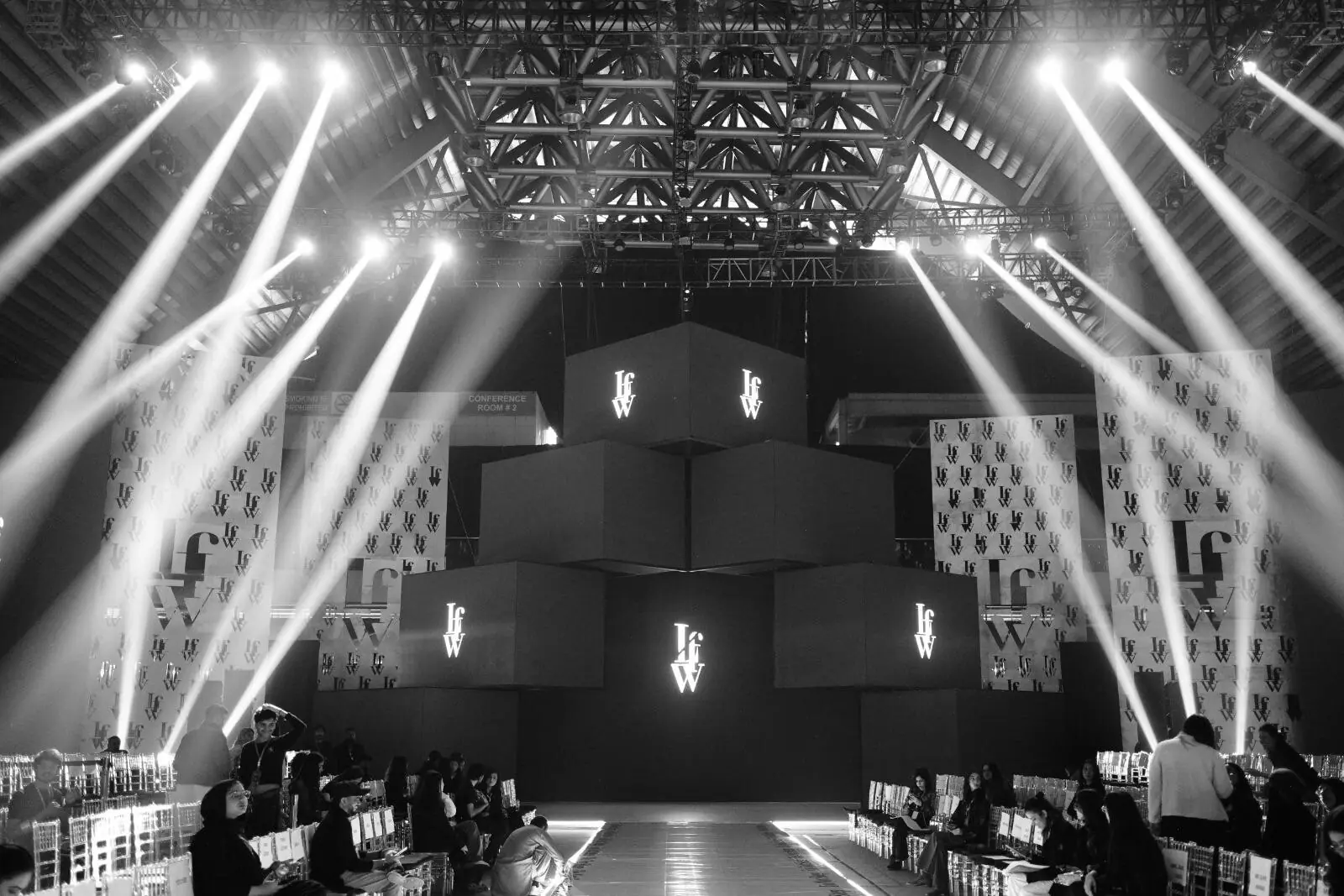
A sneak peak into Laam Fashion Week's upcoming Kaleidoscopic Karachi show
Kaleidoscopic Karachi, when you think about it, is an apt name for a fashion show that aims to bring together some very diverse aesthetics onto a single catwalk that will represent the ethos of the city of Karachi. Nostalgic but modern, polished yet unruly, the city of Karachi really is a kaleidoscope, formed by mismatched fragments that come together to create an image that is beautiful and authentic. One hopes to see some of this beauty on the runway.
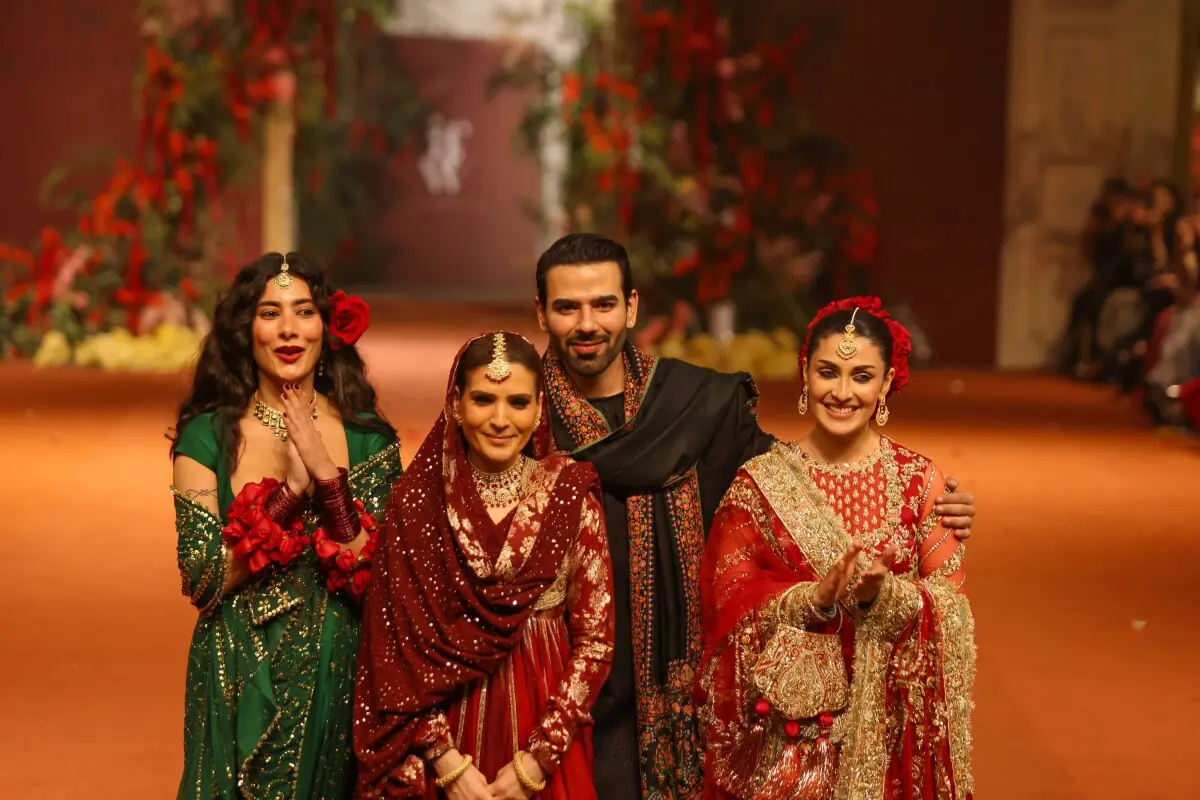
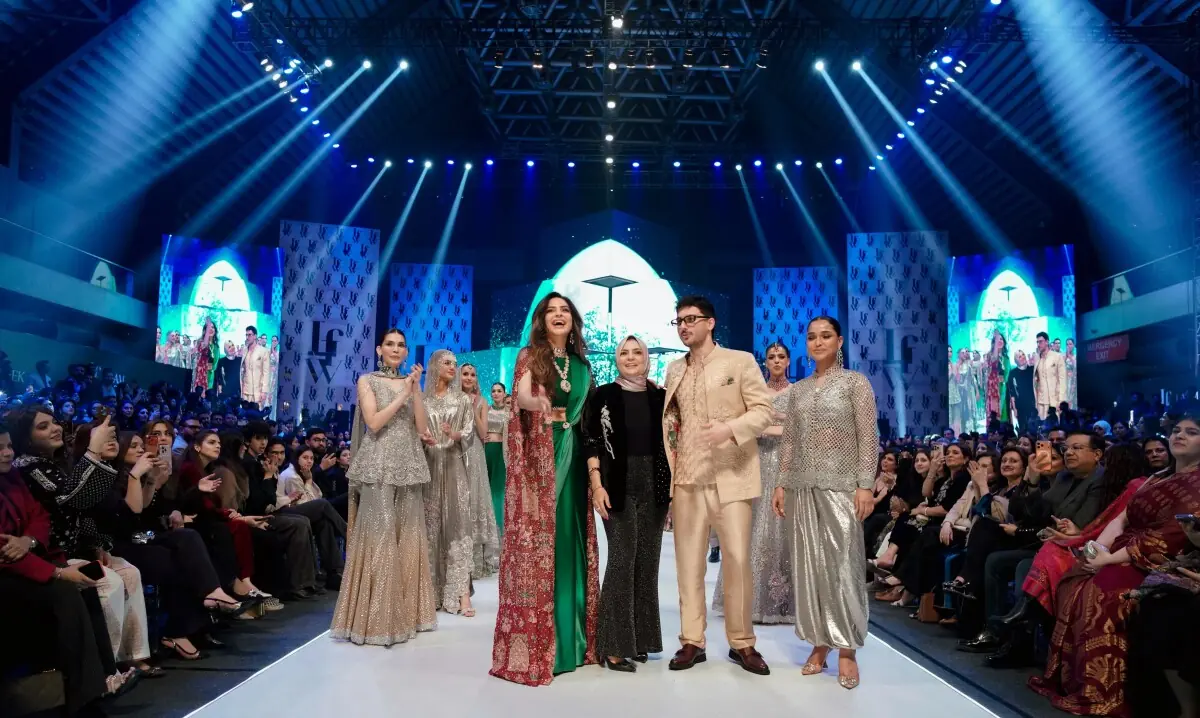
Presented by Laam Fashion Week (LFW), co-founded by Laam and Design 651, Kaleidoscopic Karachi is a one-day fashion show that will be taking place this September 26 at the Indus Valley School of Art and Architecture (IVSAA). The lineup includes an exhibition by photographer Tapu Javeri and fashion shows by Deepak Perwani, The Pink Tree Company, Khaadi, Wardha Saleem and Sana Safinaz, with Nubain Ali as event director.
It’s an exciting list of names — not just because these are brands that are an intrinsic part of Pakistan’s fashion landscape but also because each of them views design from very distinctive creative lenses. Their fashion interpretations in a conceptualised show paying tribute to Karachi are bound to be markedly different, which could be very interesting.
Javeri’s exhibit, celebrating fashion over the decades, promises to initiate the evening on an exciting note. The catwalk may be interpreting Karachi with the aid of fabric, colour, craft and silhouette but Javeri has been doing the same through his camera lens throughout his career.
His relationship with Pakistani fashion is veritably as long-standing as the industry itself and his archive of images is immense, representing a visual history spanning more than four decades. A selection of photographs will be on display; you might see images of Frieha Altaf and Atiya Zaidi and realise that these are from the fashion shoots of the 80s. Bibi, Lulu and Sarah Akhtar reigned the fashion scene in the early 90s, with Aamina Haq joining the fray later in the decade.
“These are memories, portraits, photographs of fashion over the years, glimpses of how Pakistani fashion evolved over the years,” says Javeri.
Adding to the narrative of the show is the location itself; the historic Nusserwanjee Building at Indus. Maheen Kardar, executive director designer experience and curation at LFW, says, “From the minute I walked into IVSAA for the first time, I knew that we would bring LFW to it someday. It was love at first sight, with the place and with the story. The Nusserwanjee Building was built in 1903 by the Parsi community, saved from demolition in Kharadar, and moved stone by stone, all 26,000 of them, to become IVSAA’s campus. It’s the largest project of its kind in the subcontinent, and it stands as a reminder of how plural Karachi’s roots have always been. There’s no more fitting home for a show called Kaleidoscopic Karachi.”
She continues, “There’s also a real lineage inside those walls. Wardha Saleem trained and later taught at IVS. Saira and Shamoon Sultan of Khaadi met there as students before building Pakistan’s first global retail brand out of Karachi. Showing at IVSAA puts the show inside the institution that shaped two of our own designers, closing a loop between the classroom and the runway that this city has always had.”
Kardar proceeds to explain the concept behind Kaleidoscopic Karachi: “It also mattered to us that LFW’s story couldn’t just be told from one city. We launched in Lahore, but Pakistan’s fashion industry has never lived in one place, and neither should this platform. Karachi is where a huge amount of this country’s design history was actually built, from Sana Safinaz’s decades of work to Khaadi’s rise into a global brand, so leaving it out of the narrative was never an option. Kaleidoscopic Karachi is us saying this platform belongs to the whole country, not just the city we started in.”
She continues, “Karachi has never had one face, so we didn’t want one aesthetic to stand in for it. A kaleidoscope felt right because it’s the same idea: fragments that are completely different from each other, but the moment you look through it, they form something whole. That’s this city. Heritage, craft, commerce, journalism, legacy, five designers, five entirely different relationships with Karachi, and together they say more about it than any single point of view could.”
There is, for instance, Deepak Perwani’s point of view, promising to bring high-octane fashion to the catwalk with The Cocktail Hour, dedicated to the Karachi that comes to life after sunset, described by him as “a seductive, cinematic world of lights, where diamonds are a girl’s best friend”.
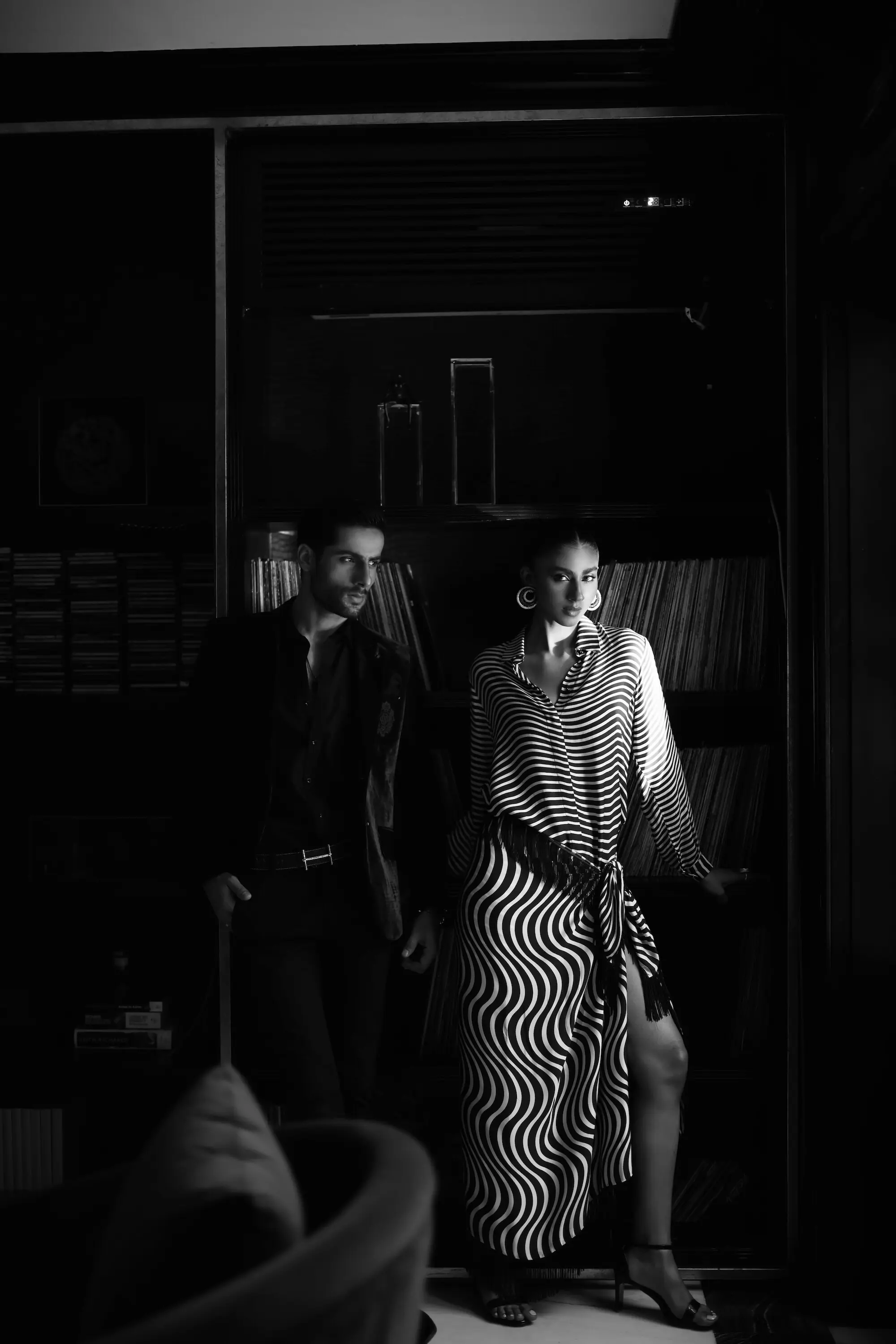
Expect menswear and womenswear, sculptural silhouettes, fluid draping, volume and skin-show, with a palette moving through burnt orange, rust, ochre, muted gold and sun-baked hues. One hopes to see the quintessential Deepak Perwani aesthetic at play; dialling up the glamor, having fun with it, ditching the generic but retail-friendly three-piece suit for an aesthetic which is far more alluring.
The Pink Tree Company will be staying true to its signature, presenting a collection that is described as “ethnic, festive, highlighted by craft”. Designer Mohsin Saeed says, “It’s a collection that will be celebrating Karachi with grace and style, the silhouettes ranging from traditional designs to garments that can be worn anywhere in the world.”
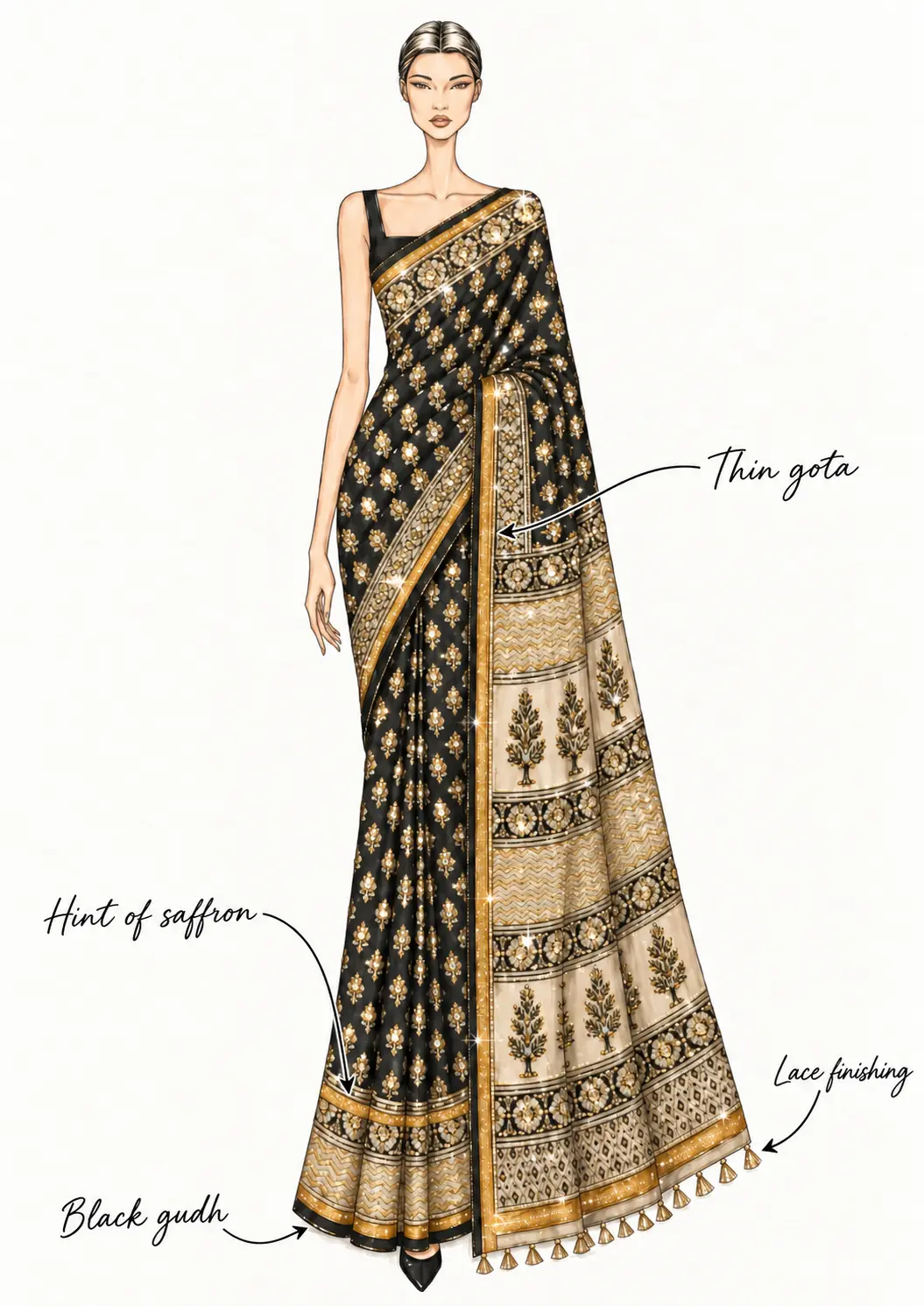
The collection will be giving a deferential nod to cotton — “Karachi is the only Pakistani city where even cotton is elevated to luxury-wear,” says Saeed — as well as feature handwoven textiles, varied embroideries and different kinds of block-prints.
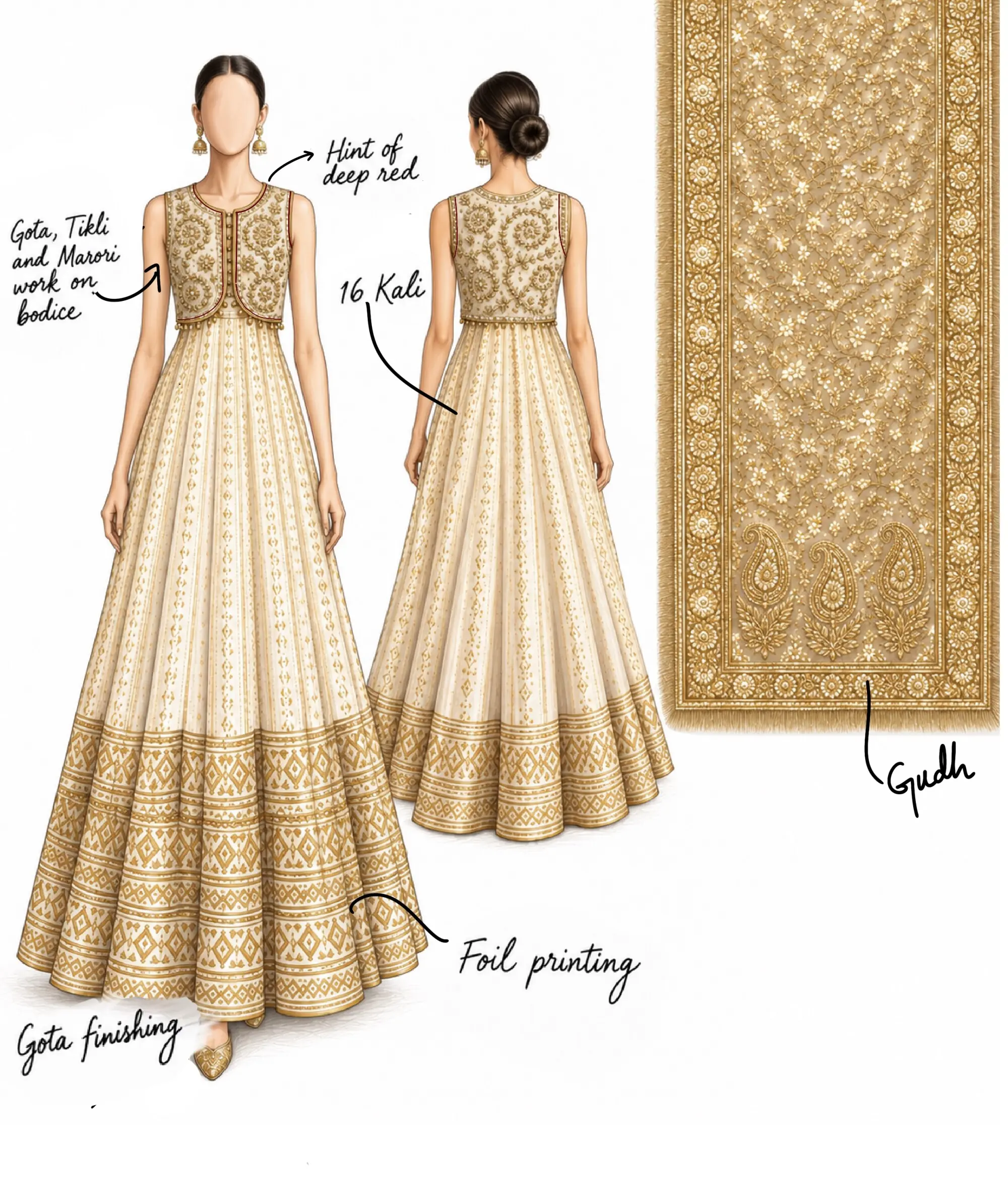
It’s The Pink Tree Company’s interpretation of the spirit of Karachi; a city which may have a gritty exterior but visible just beneath the surface, there is warmth, innate style and vibrancy.
And then there is Wardha Saleem, coming up with a conceptual line that will be endeavouring to celebrate Karachi quite literally, traversing it from Bander Road to Kemari with a gimlet eye. The collection, according to the designer, will feature the city’s architectural monuments and landmarks, such as the ageing edifices of Saddar, the balconies of Burns Road, the Radio Pakistan building, the tram station dating back to the times of the British Raj and the Ritz cinema — once a popular destination and now, demolished.
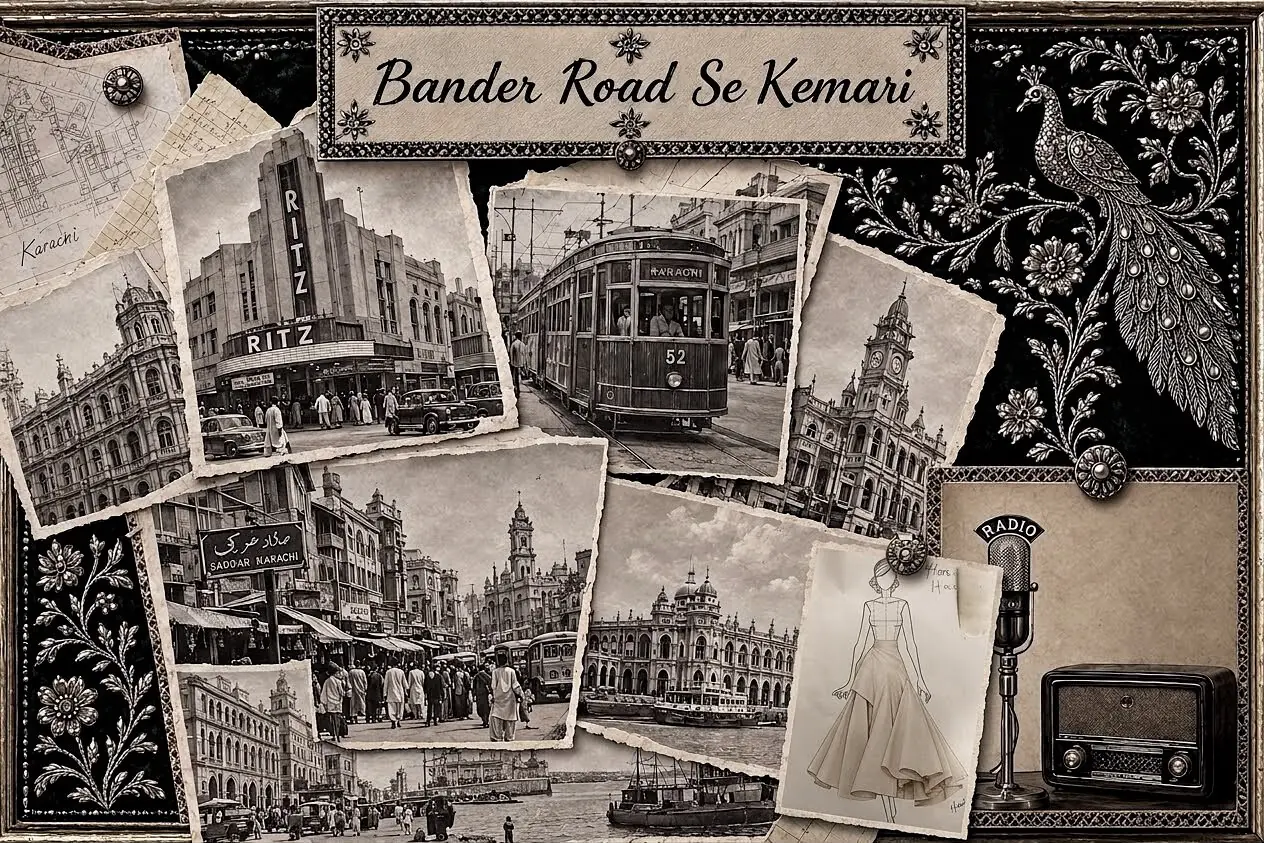
Featuring fabric manipulation, with silhouettes that are modern, and a mix of embellishment techniques — hand embroideries, screen prints, digital prints, block-printing techniques — one hopes to see Wardha Saleem the way one remembers her from her initial shows; in her element, experimenting, playing with colour, texture and shape, thinking beyond retail, which is an indelible part of the business of fashion, and letting her creativity run free.
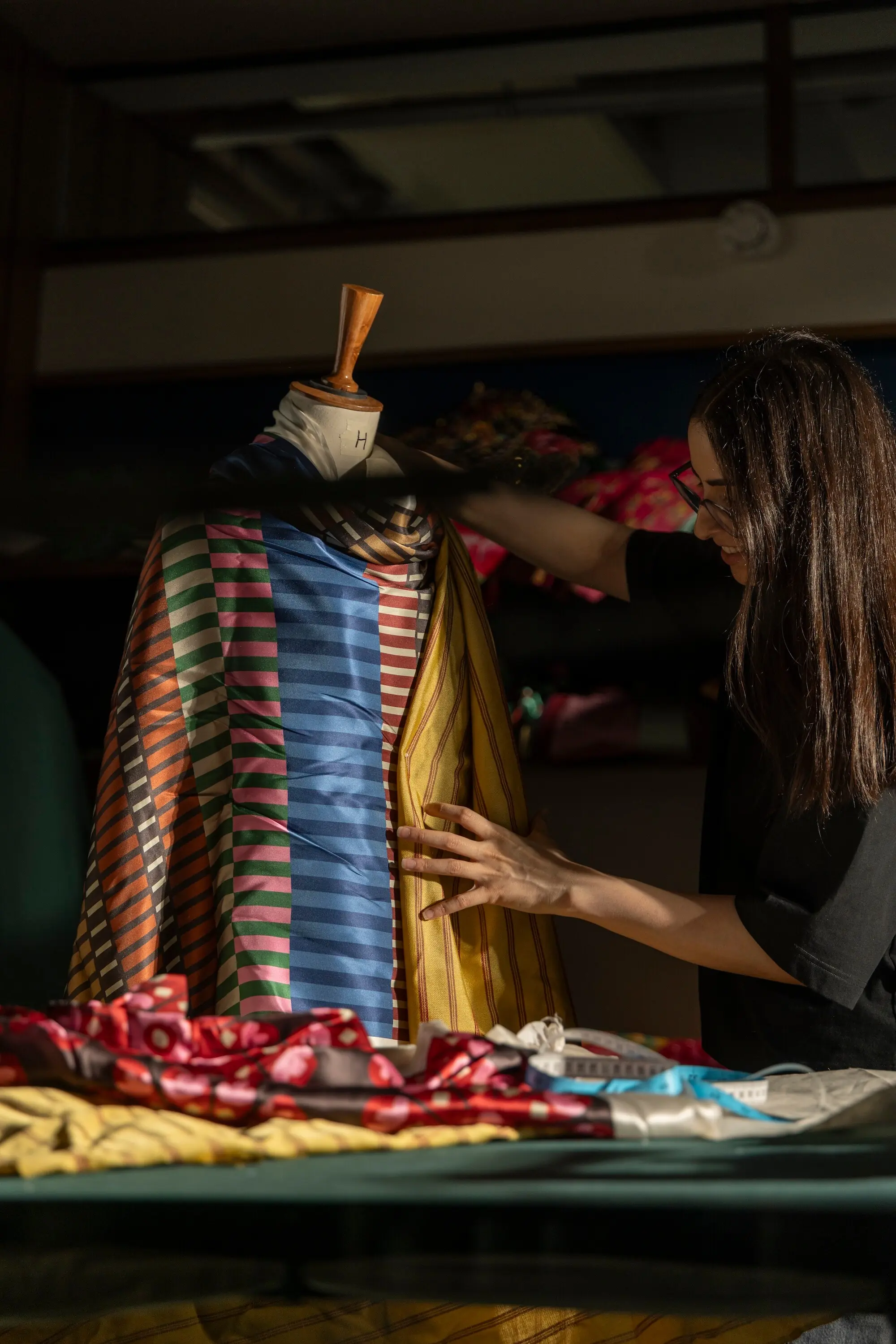
Khaadi also promises to flex some serious fashion muscle, with a line-up that is set to embrace Karachi’s maximalism, promising “prints against weaves, colour against colour, heritage against modernity, soft against raw, tradition against experimentation”. It seems that the brand is paying homage to the contradictions that characterise the city, where Khaadi began its own journey before it expanded into a countrywide fashion heavyweight. A fashion showcase by Khaadi tends to be a treat, a reminder that beyond the knack for fashion retail, the brand is bolstered by a love for creative, high-end fashion.
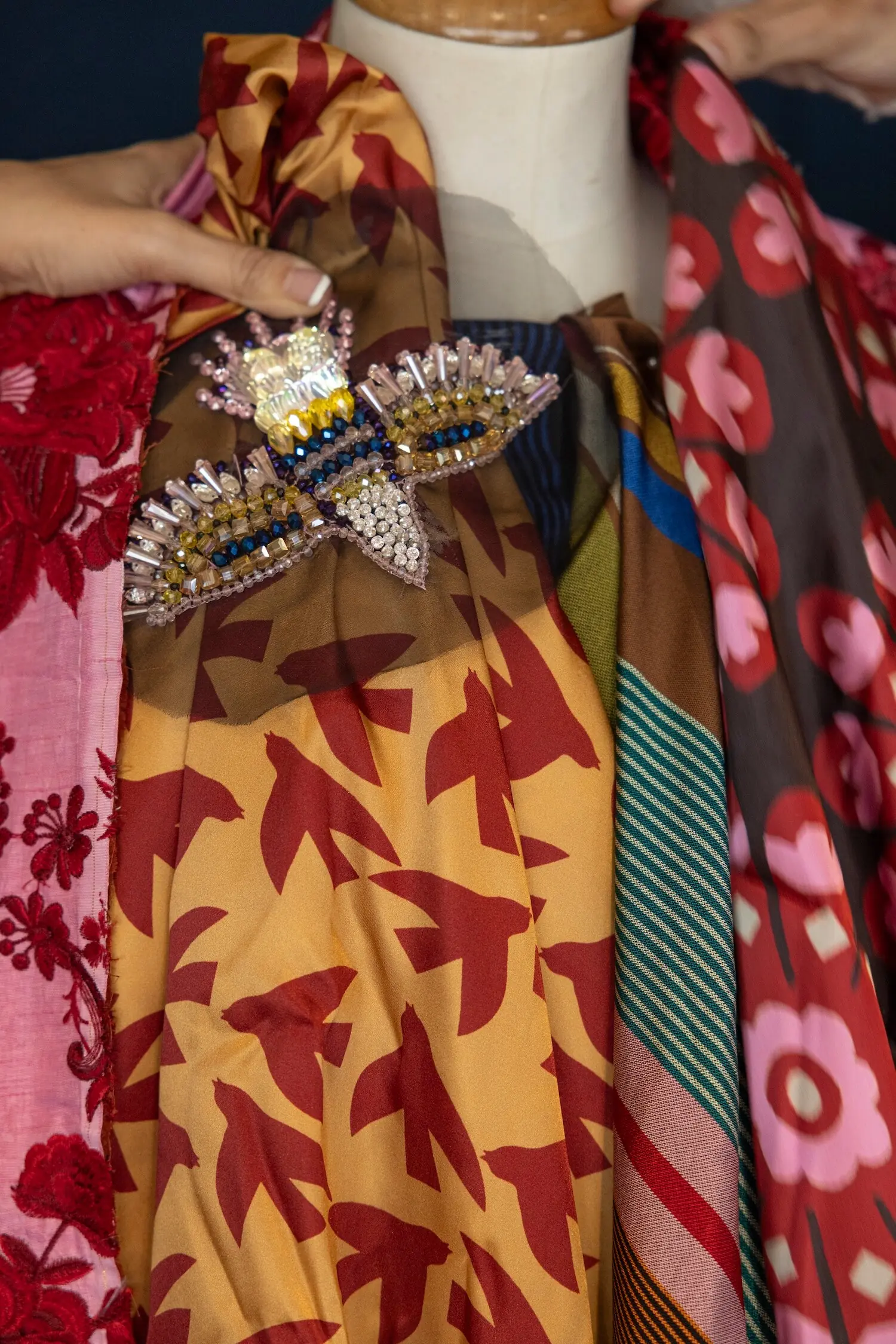
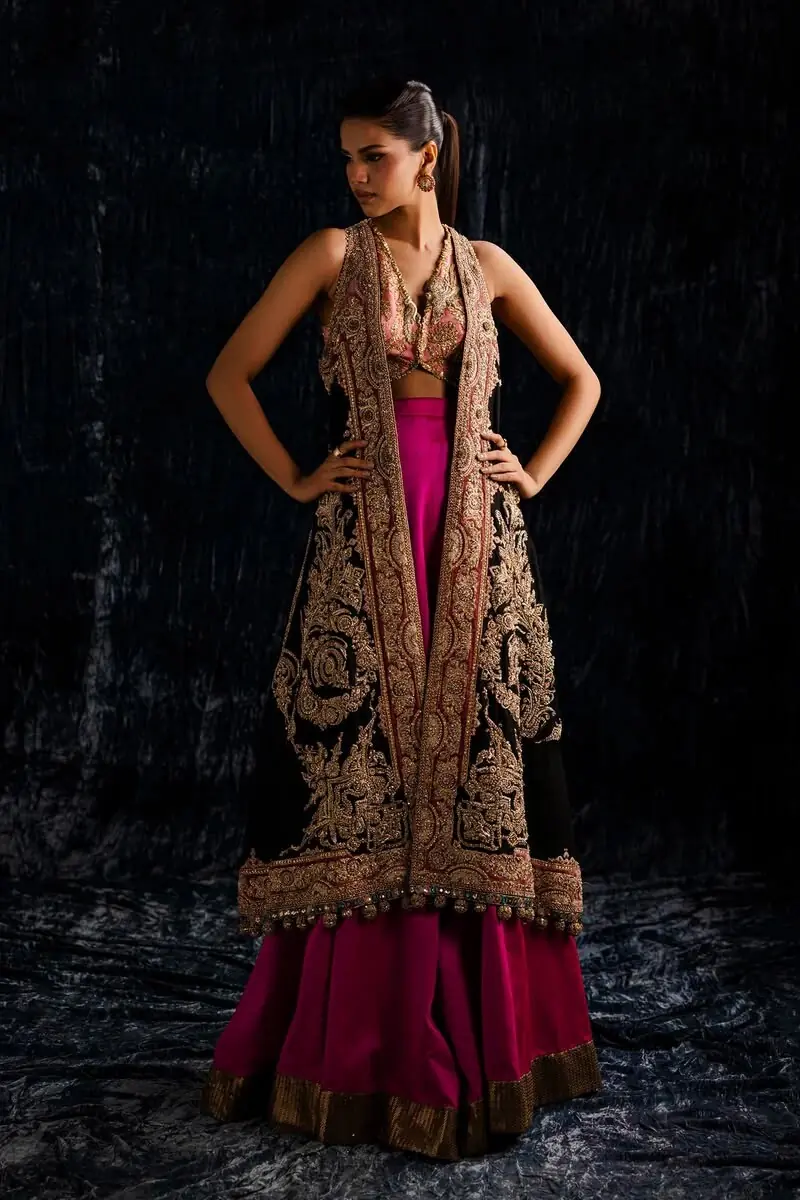
Promising luxury and glamor, Sana Safinaz will be showcasing their Mastaani line in the finale. “This is a collection that we bring out every year and it bears the Sana Safinaz luxe signature,” says designer Sana Hashwani. “There is a play of textures, colours, prints, hand embroideries and surface treatments and the silhouettes are traditional, with a modern twist.”
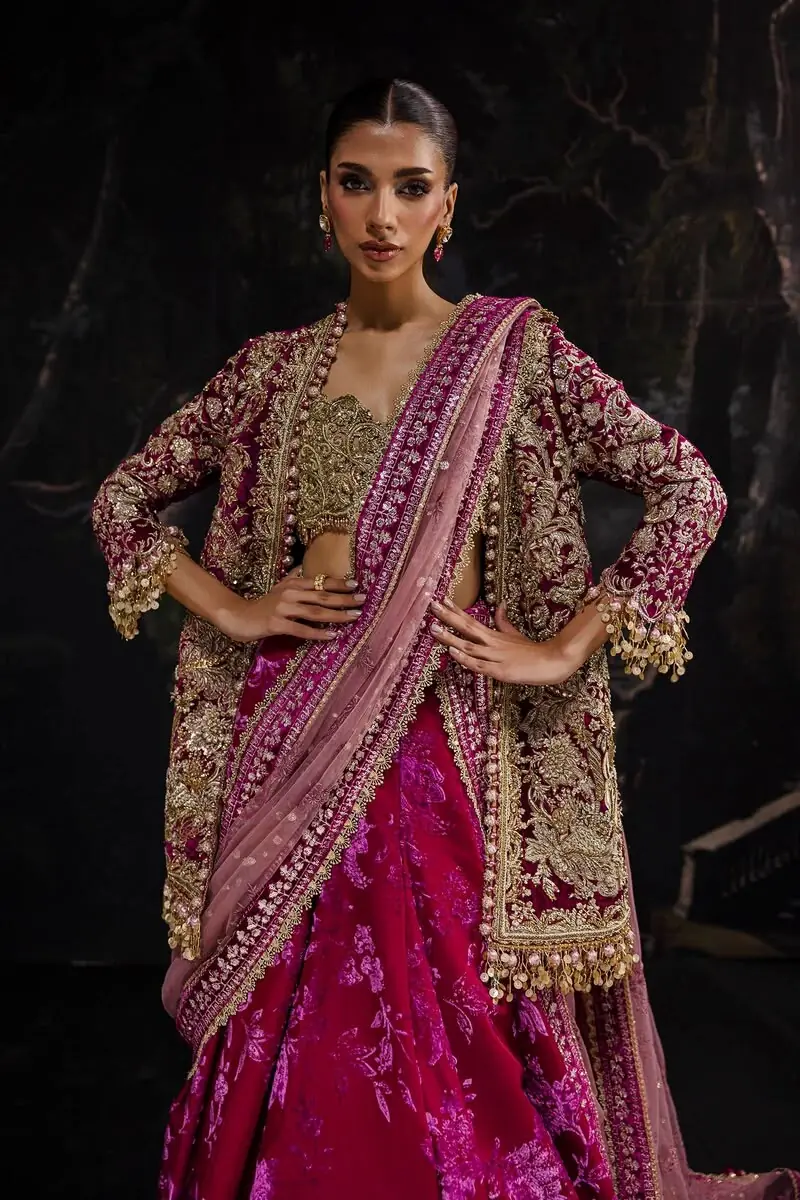
A finale by Sana Safinaz seems befitting. It is a Karachi-born brand which grew into a label that has long been a fashion favourite, mastering the balancing act between wearability and spectacle with an effortless, innate sophistication. One hopes for a play of silhouette and embellishments in the finale; concluding the chaos, colour and contradictions seen on the catwalk that night, with a final grand flourish!
One also looks forward to celebrating the spirit of fashion in a show that, at this point in time, seems to be focused on creativity rather than retail. Pakistan’s design fraternity is remarkably talented and inventive, but the business of fashion tends to overwhelm the creative impulse. Selling clothes is an inevitable reality — but it has also meant that over the years, the catwalk has been losing its magic, often becoming a catalog for showcasing clothes that will attract the masses and prompt them to buy rather than a platform that is adventurous, imaginative or eccentric.
One hopes to see designers dream a bit more, experiment a bit more and put together a vivacious, exciting kaleidoscope of high fashion in the upcoming show.