
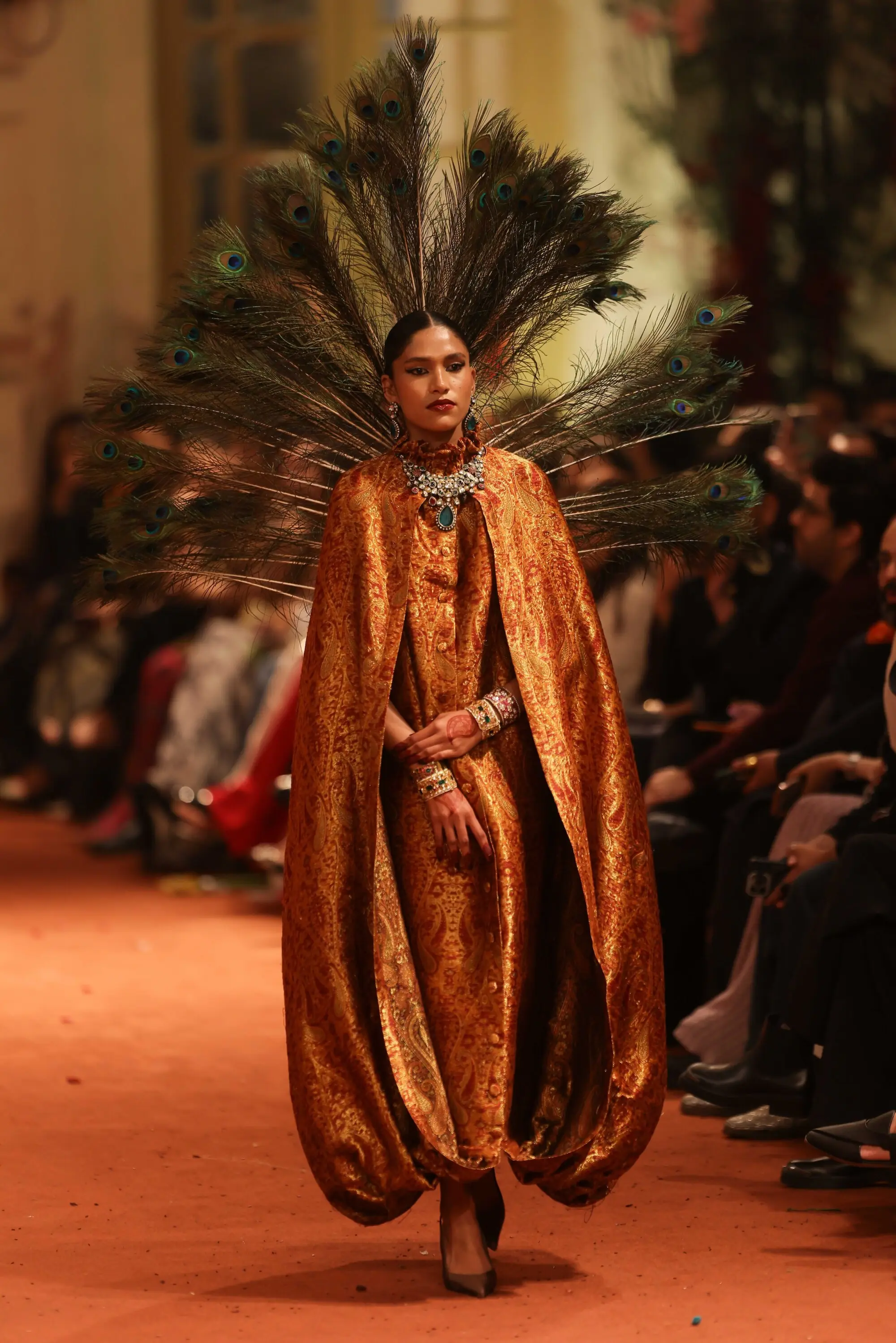
LAAM Fashion Week opening its solo showcase with Hussain Rehar was a calculated move that paid off
Launching a new platform demands clarity. It demands scale. It demands a designer who understands spectacle, market strength and bridal theatre. In choosing Hussain Rehar for its first solo showcase, LAAM Fashion Week (LFW) Presents was not experimenting — it was consolidating and making a calculated opening move.
A debut is never just a debut — it is a declaration. When LFW Presents launched in Lahore with a solo Hussain Rehar showcase at Islamia College on Saturday evening, it was clear this was not meant to be a quiet extension of Fashion Week. It was positioned as a statement about where Pakistani fashion stands: confident, commercially aware and unafraid of grandeur.
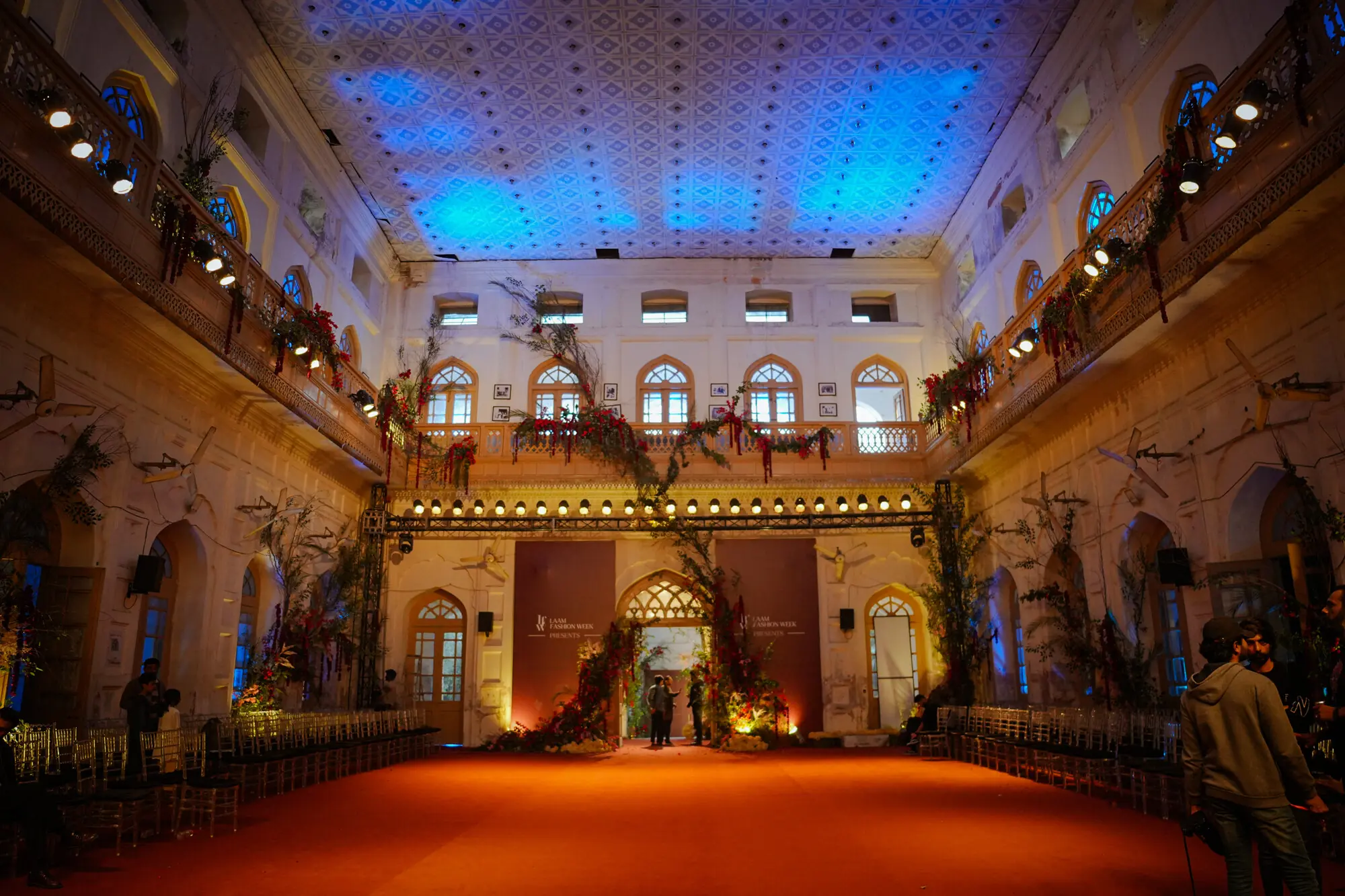
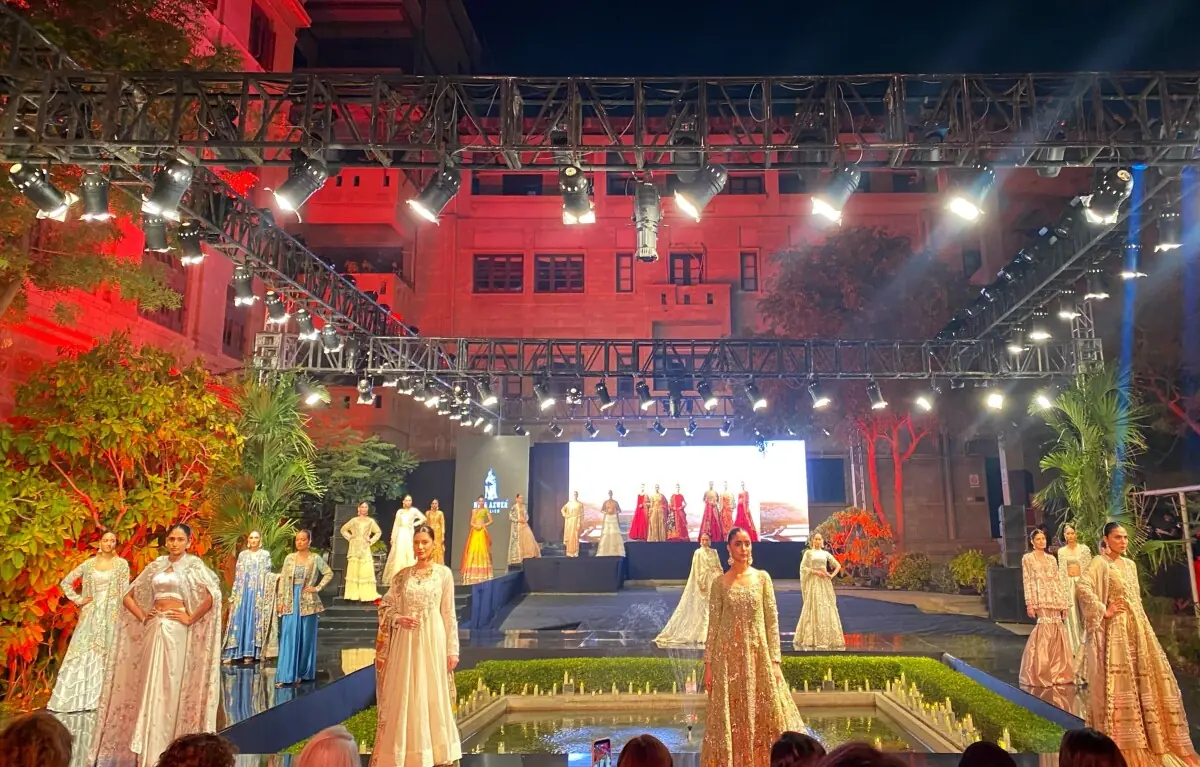
The choice of venue alone carried weight. The red brick façade and Indo-Saracenic architecture of Islamia College anchored the evening in history long before the first model appeared. Heritage was not simply referenced in the collection — it was embedded in the setting.
Then came the theatre. Directed by Fahad Hussayn, the production leaned confidently into spectacle.
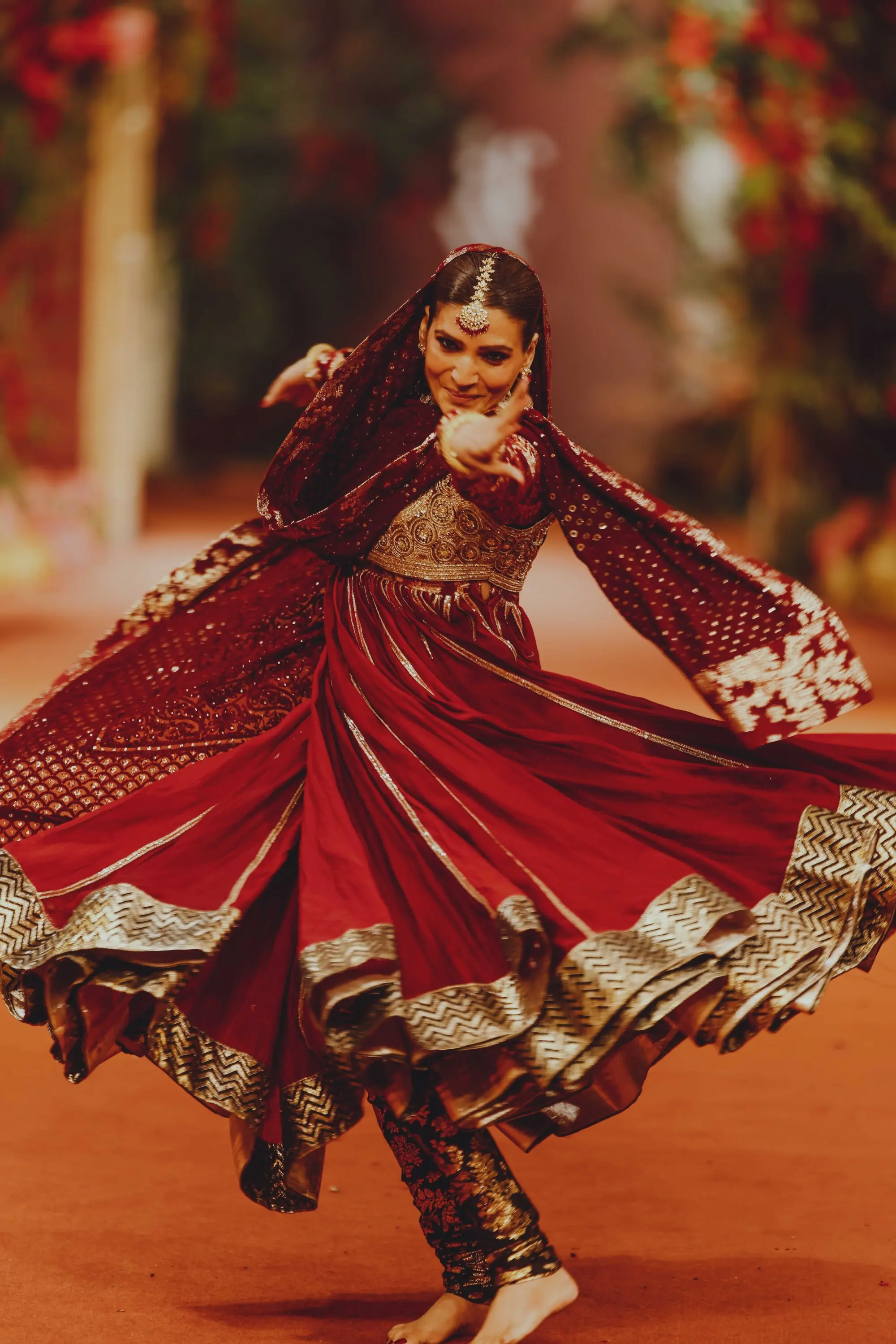
Resham’s entrance on horseback set the tone immediately. It was dramatic, nostalgic and unapologetically cinematic. The energy in the courtyard shifted from anticipation to spectacle. This was not minimalism. This was statement dressing, staged with intention.
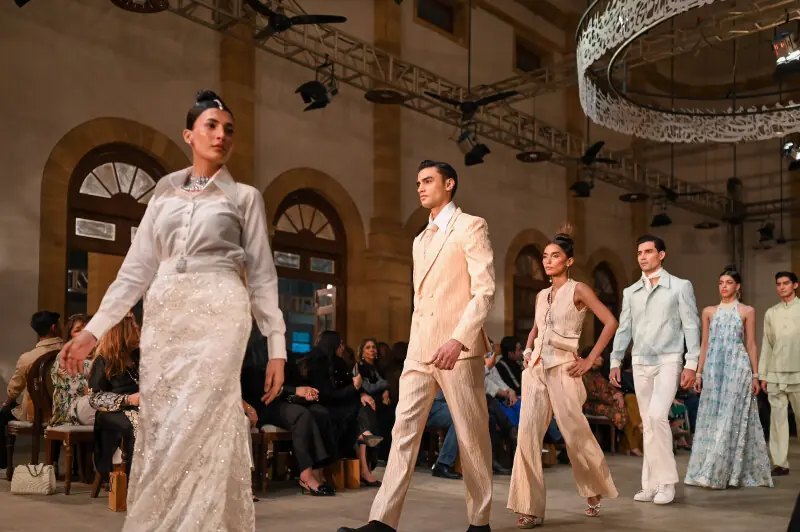
Rehar presented more than 60 looks, a significant number for a solo showcase. In a fashion climate where tighter edits are often equated with sophistication, this scale felt deliberate. Bridal dominated the narrative, though elements of luxury pret filtered through.
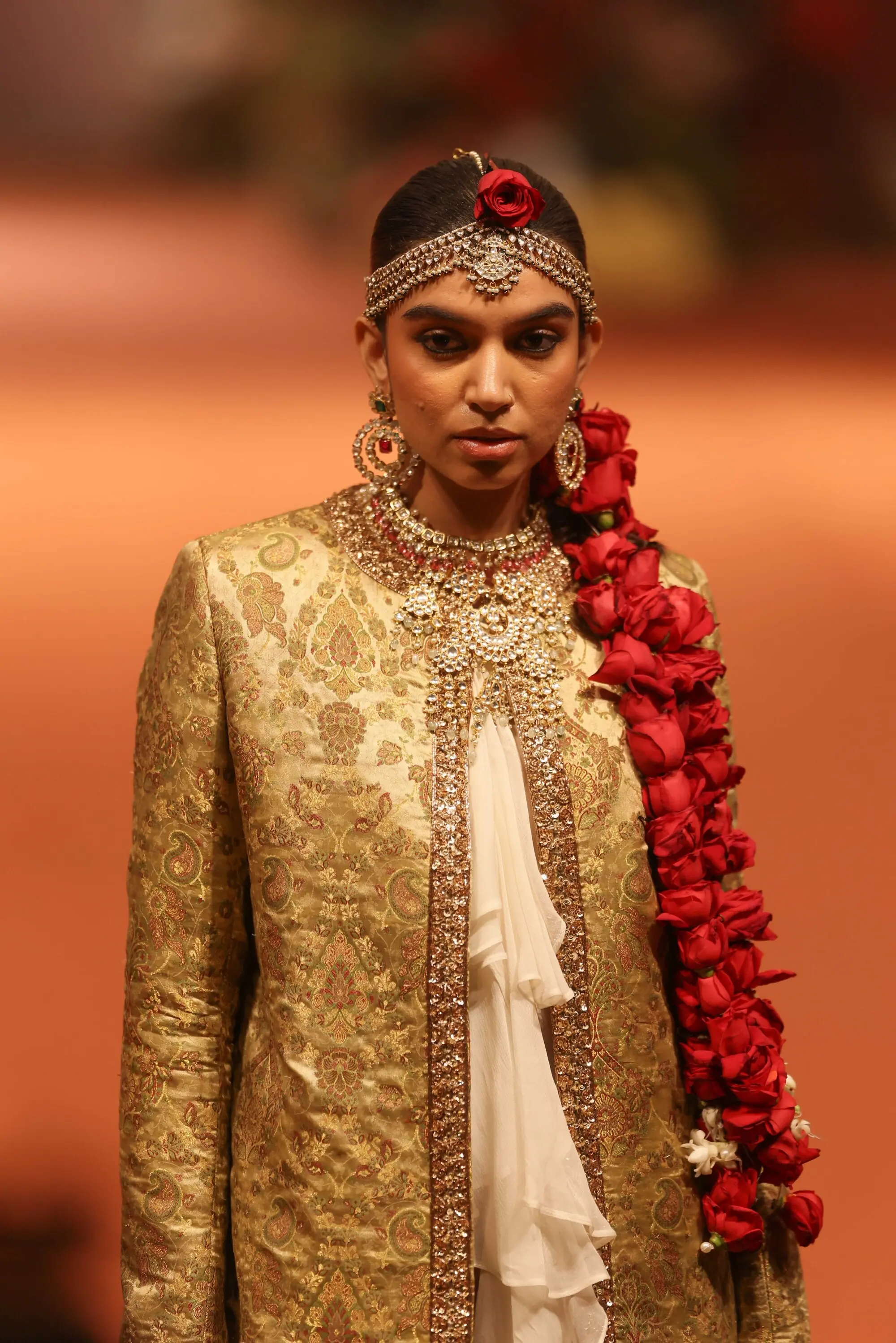
At times, the distinction between the two categories could have been clearer. With a lineup this expansive, segmentation becomes part of storytelling and more defined pacing between bridal and luxury pret would have strengthened the overall flow.
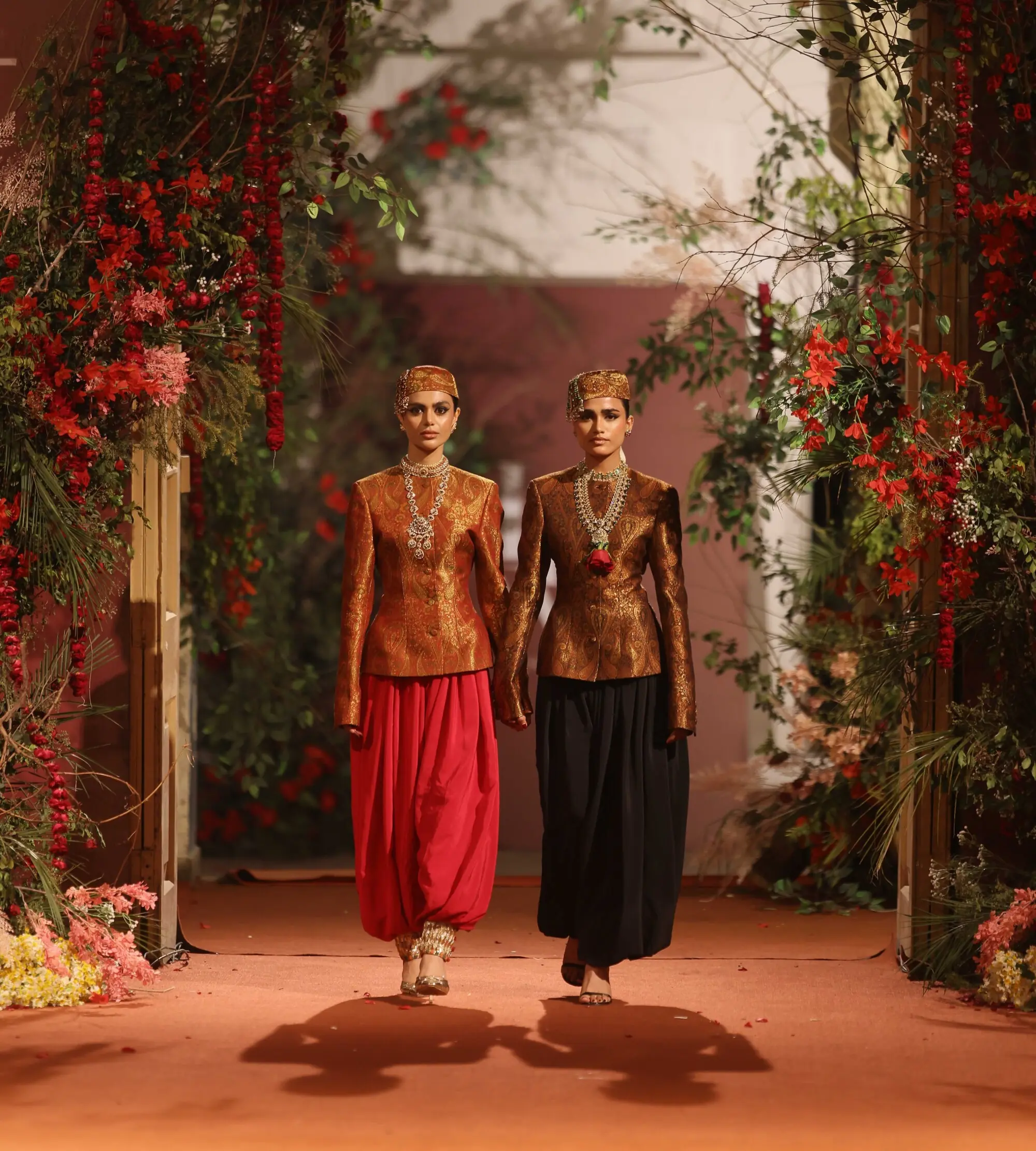
The styling itself demands a special mention; it operated as a parallel narrative, sharpening the collection’s heritage theme while maintaining modern clarity across the runway. It brought cohesion to the expansive showcase, creating uniformity without overstatement and paying due respect to the garments rather than competing with them. It was a masterclass in restraint and intention.
That said, within the scale were standout moments that cut through the noise.
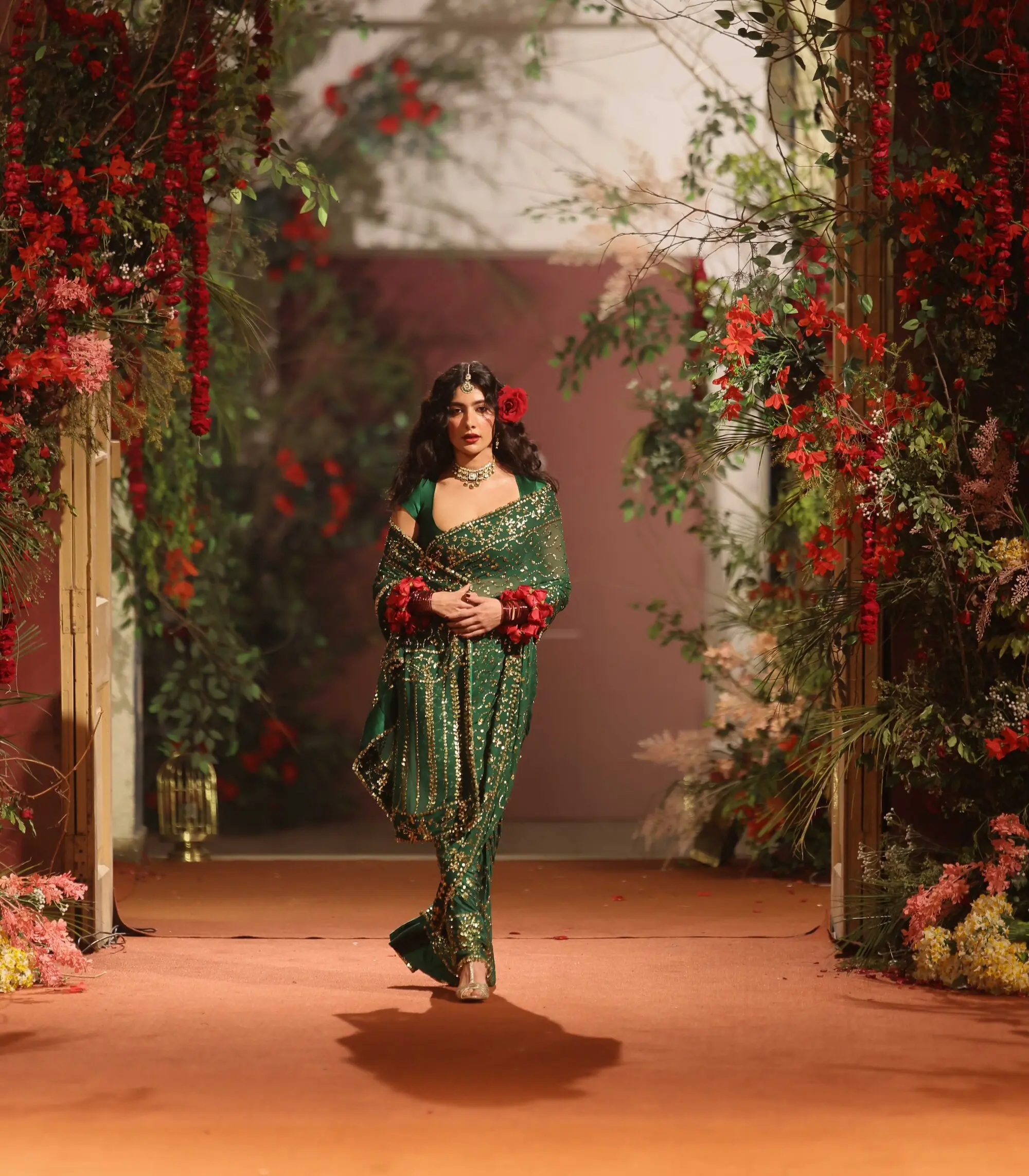
A green mukesh sari worn by Eman Suleman became one of the evening’s most memorable looks. It felt iconically old school, evocative of heirloom bridal glamour, yet the blouse design introduced a modern sharpness that refreshed the silhouette entirely. It was heritage without costume. Familiar, but not dated. That balance is difficult to strike and here it worked.
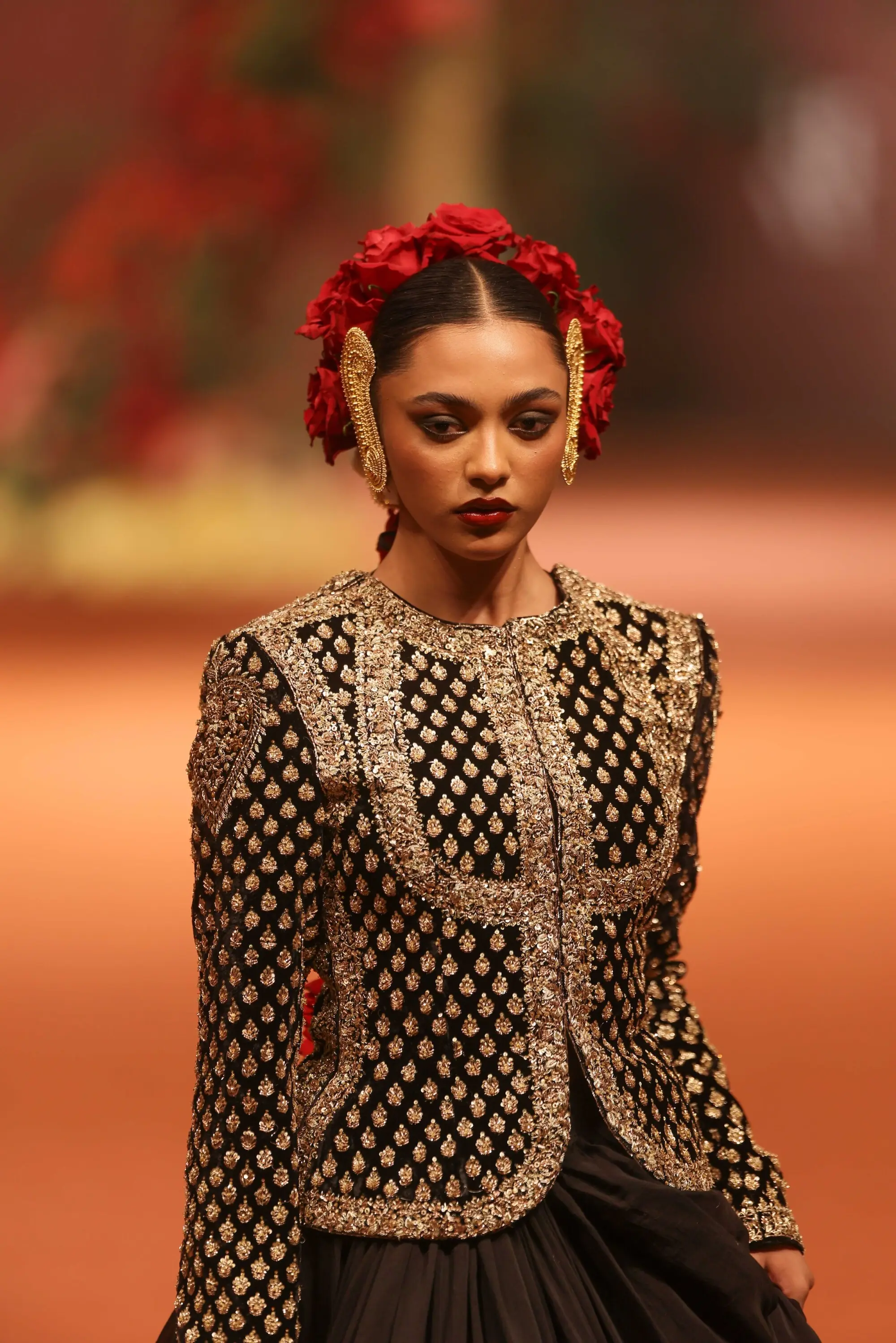
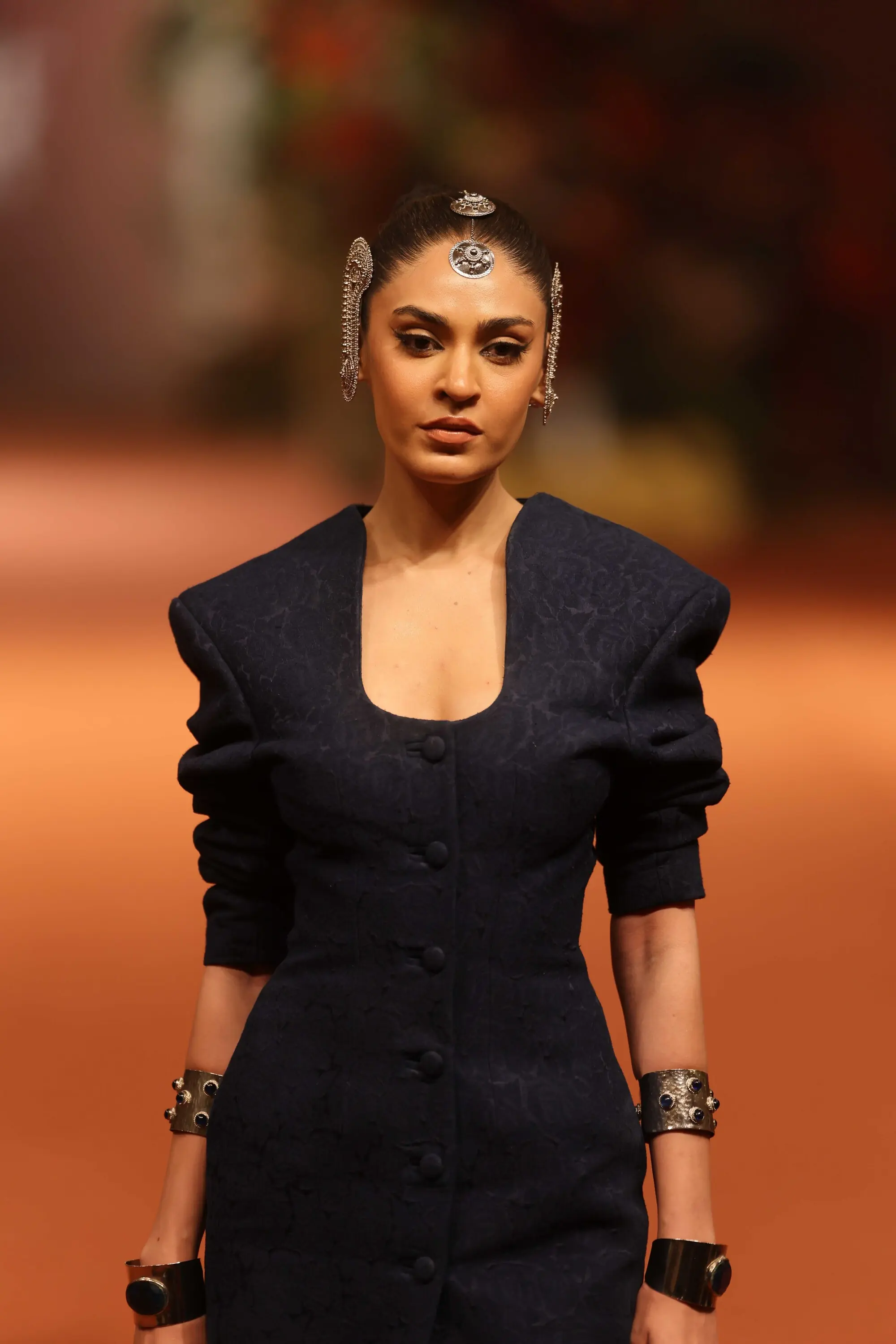
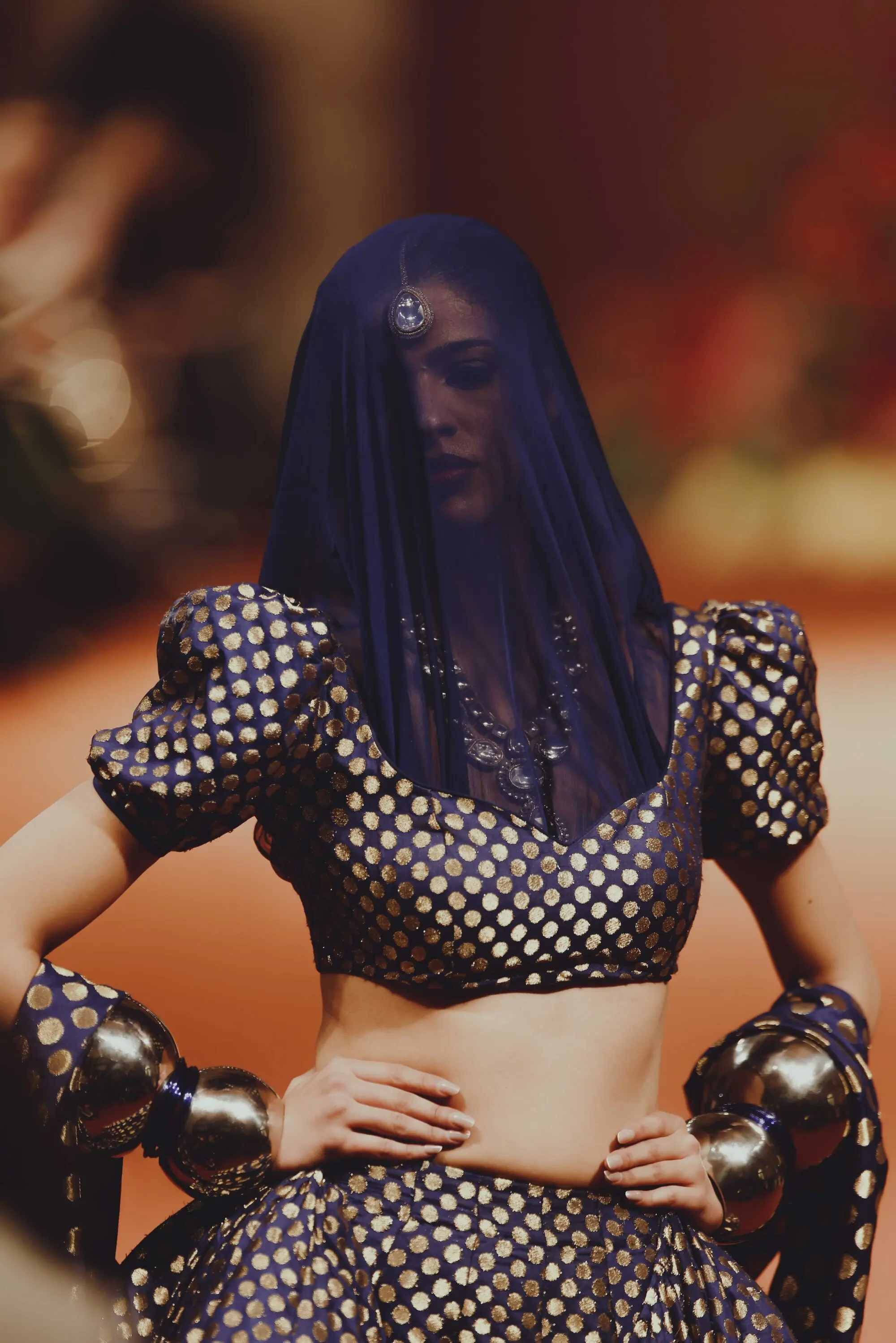
The opening black ensemble, dense with intricate hand embroidery, also anchored the show strongly. Across the board, craftsmanship was consistent, stitching was immaculate, embellishment felt disciplined rather than chaotic. Even when silhouettes expanded into exaggerated proportions, construction held its integrity.
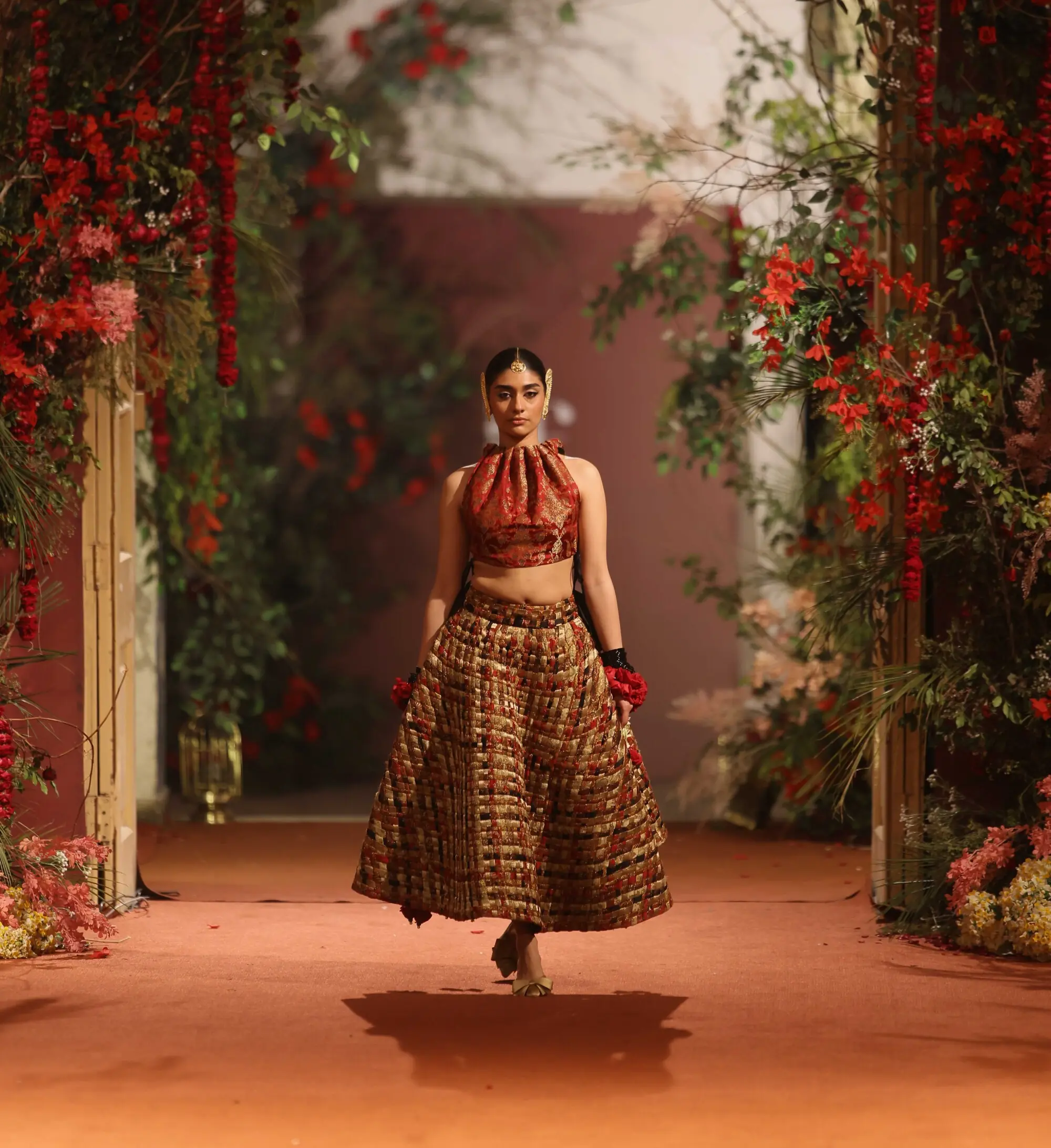
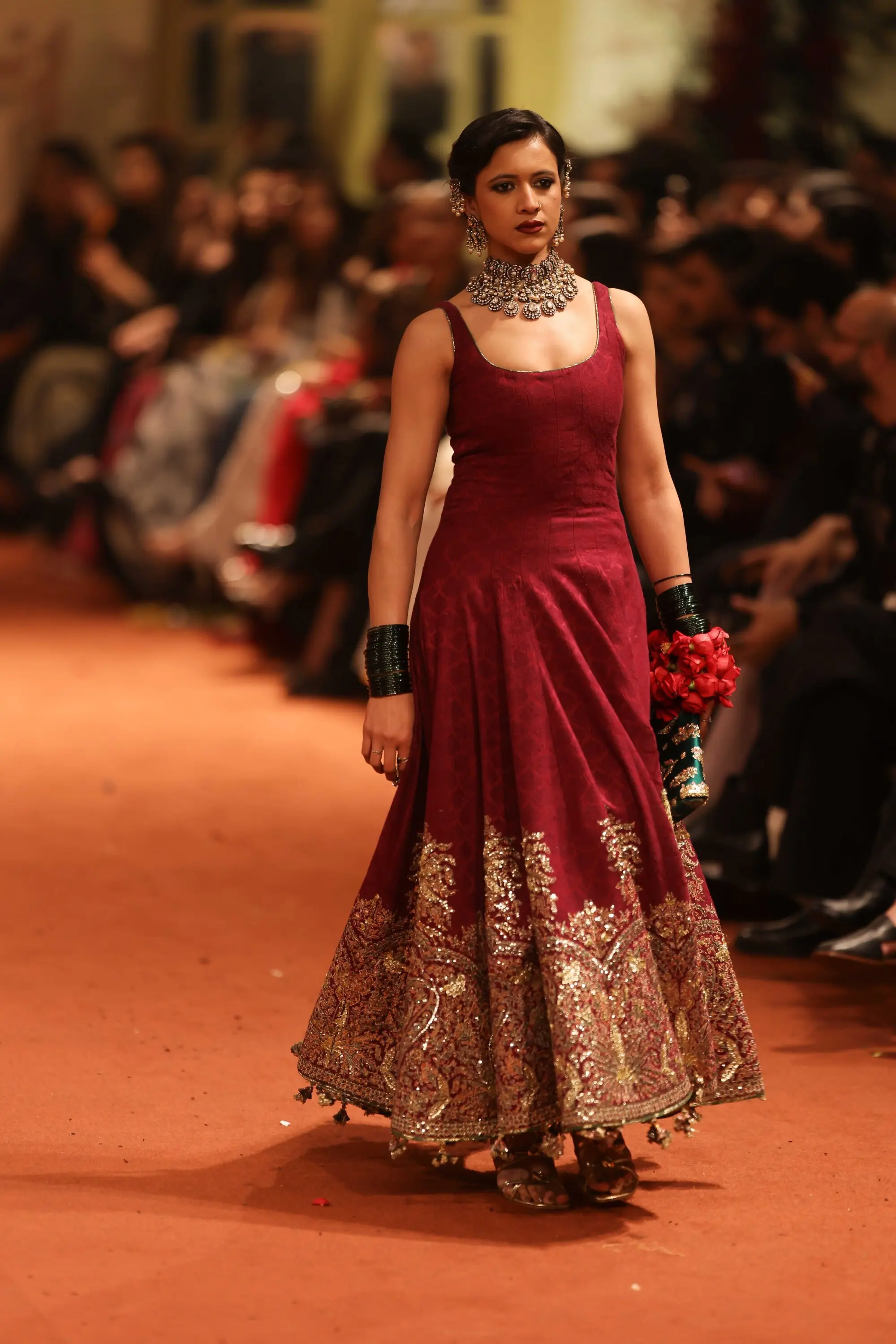
There were voluminous skirts, sculptural sleeves and deep, saturated hues. Velvet in crimson and burgundy featured prominently, along with metallic gold accents that reinforced bridal opulence. Nothing about the collection suggested reinvention. Instead, it felt like consolidation. Rehar remained firmly within his aesthetic vocabulary, refining rather than reimagining it.
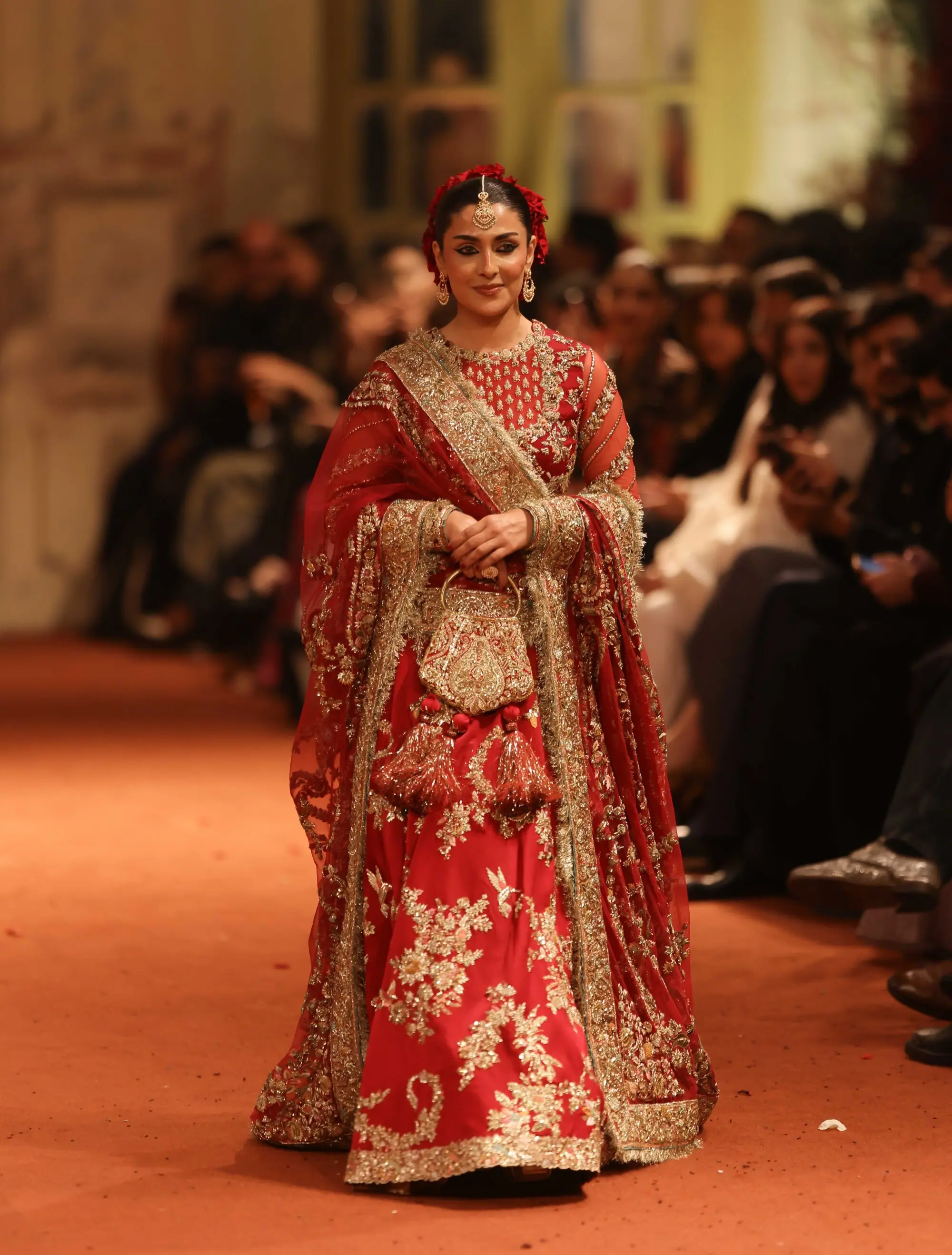
The finale, walked by Ayeza Khan, underscored this strength. Cloaked in one of the collection’s richest colour stories, she delivered the kind of cinematic bridal moment the designer has built his reputation on. The deep tones were striking, controlled and impactful without veering into excess.
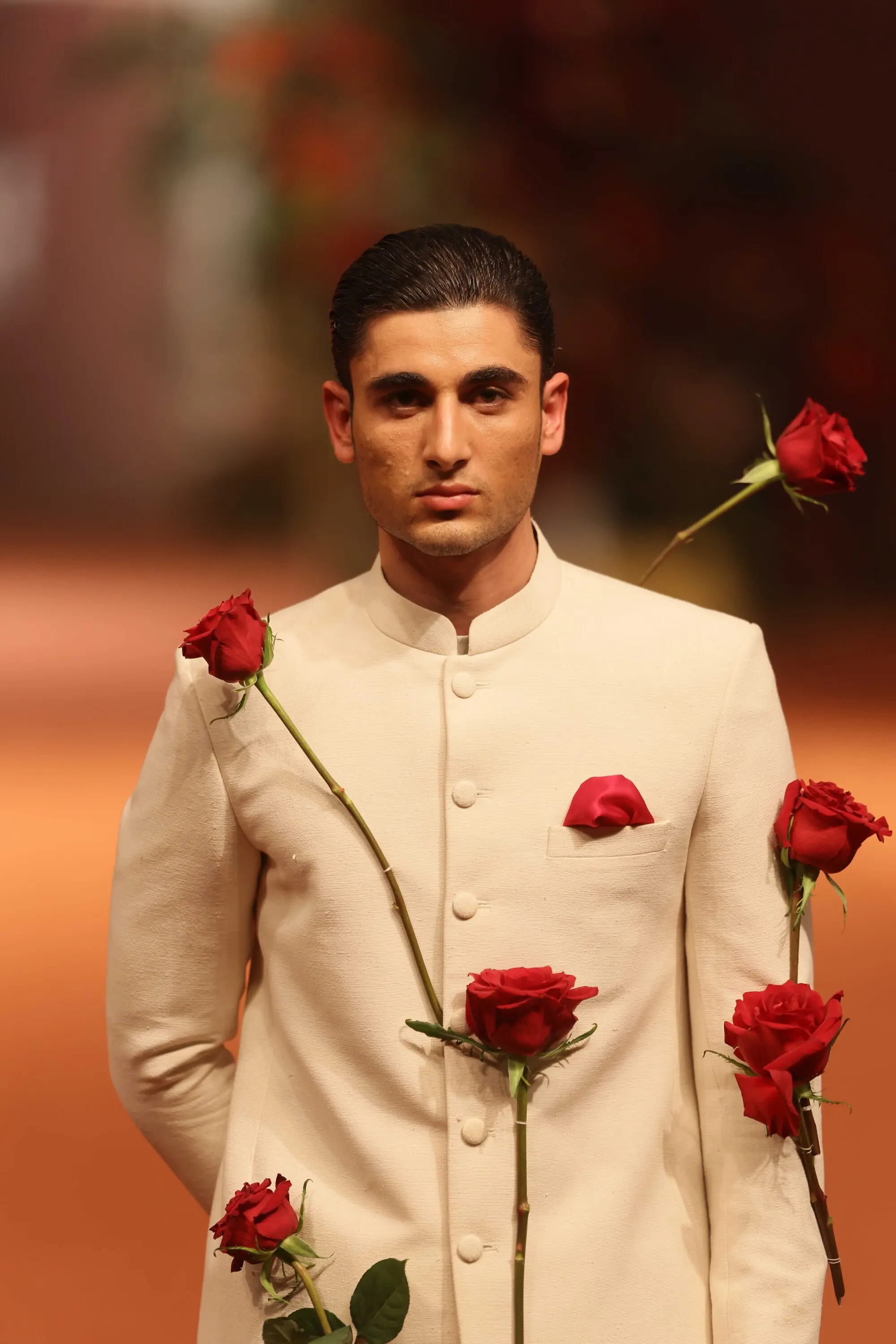
The men’s looks were solid but predictable, reinforcing the collection’s overall aesthetic rather than expanding it. Tailored sherwanis, structured jackets and traditional silhouettes were executed with the same attention to finish as the bridal pieces, yet they remained firmly within familiar territory.
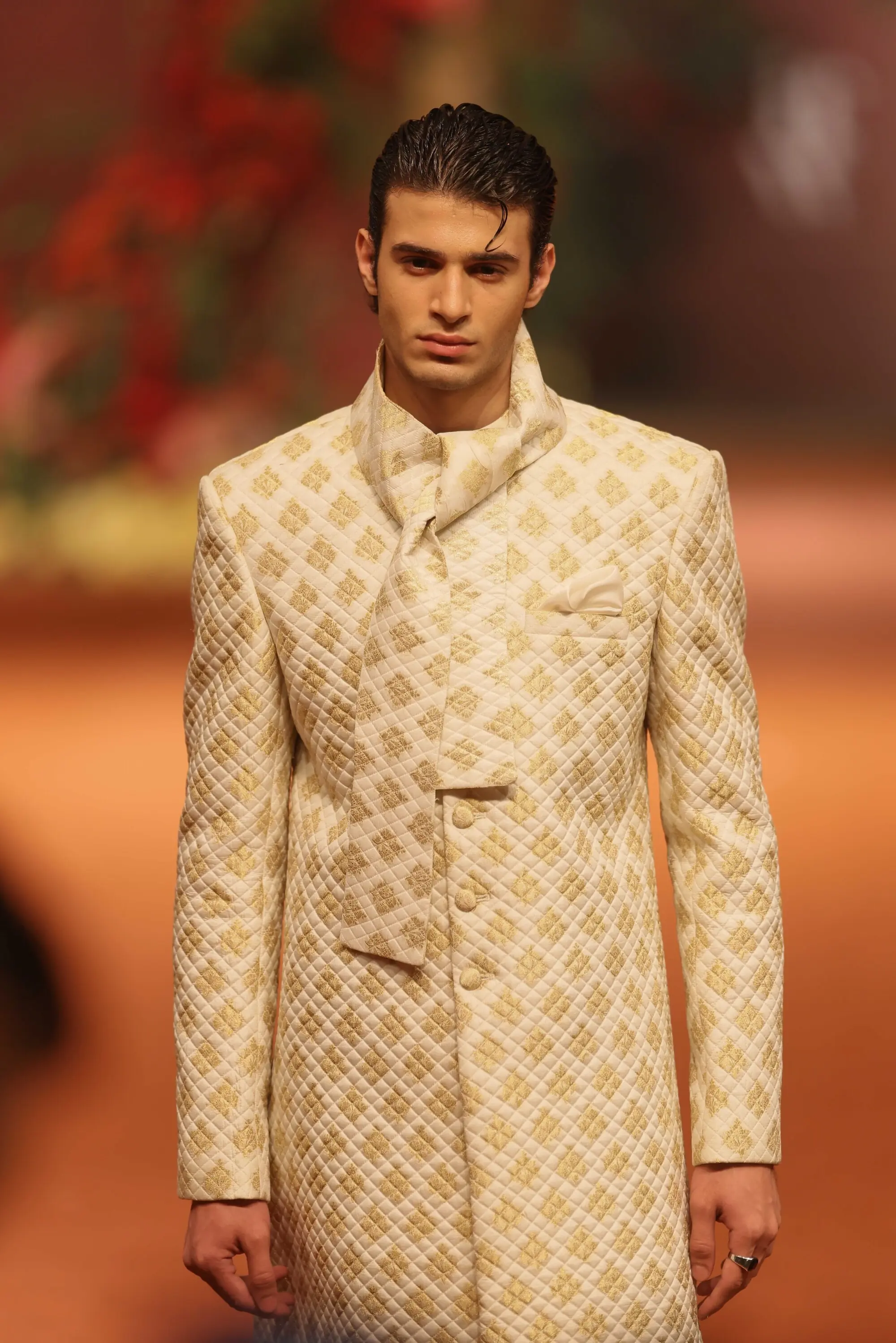
While cohesive with the show’s heritage driven narrative, the menswear did little to shift perspective or introduce a new visual direction. It functioned as complement rather than conversation.
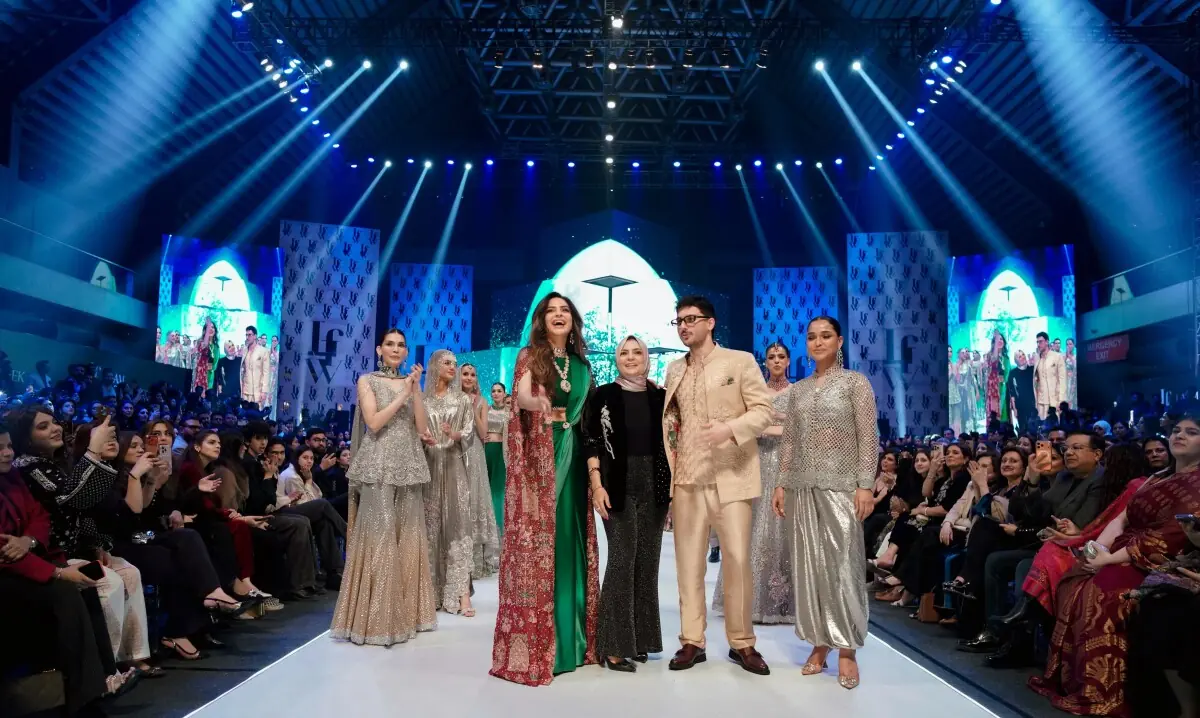
Beyond the garments, the audience composition and production quality signalled something broader. The right industry figures were present, the execution was polished and direction felt structured rather than spontaneous. LFW Presents is positioning itself as a curated, governance-led platform rather than an open runway format and that distinction matters.
Launching immediately after Laam Fashion Week was not coincidental. It suggests a shift toward a more sustained, year-round fashion presence in Pakistan. If this platform intends to build continuity beyond seasonal shows, it will inevitably raise expectations. Designers will not only need scale, but evolution.
Were there moments of repetition? Inevitably. A 60 plus look showcase risks familiarity. Some silhouettes felt safe. Certain embellishment choices leaned into predictability. Yet consistency in craft prevented the collection from feeling diluted.
What will define the platform’s longevity, however, is whether future editions encourage designers to move beyond refinement and toward risk. Because while refinement sustains a brand, reinvention is what defines an era.
And if this signals a revived, reorganised fashion ecosystem in Pakistan, then reinvention may be the next conversation the industry needs to have.
Cover photo by Syed Hussain Jamal
Comments