
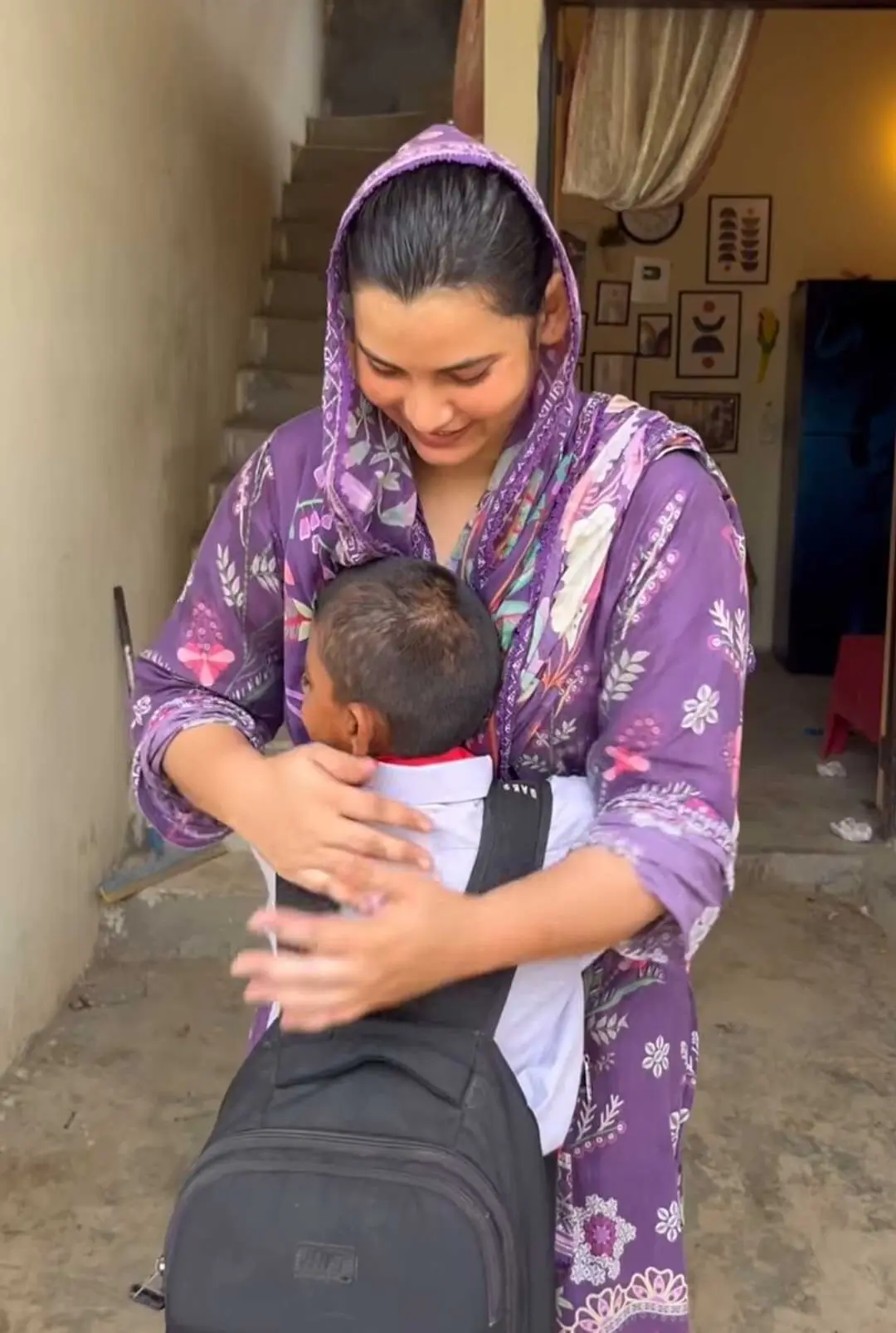
The internet’s favourite domestic worker, DHA Wali Maid, just sent her three kids to a private school in Lahore and her latest update is melting everyone’s hearts.
The reel, which she posted on her Instagram account on Saturday, started with a monologue with the text “Aik akeli aurat kya hi kar sakti hai? (What can a single woman really achieve?)”
In her monologue, she said she wanted to see her kids study well and become good people. “[I want them to] become officers, ‘sirs’, so that people work under them and they don’t work under anybody.”
The video then shows her buying her kids’ school uniforms, and the children getting all dressed up and going to school with smiles on their faces.
If all that gave you a fuzzy feeling in your heart, know that you’re not alone — comedian Ali Gul Pir was right there in the comments sending a heart.

Singer Annural Khalid also had a heart to send, as did Miss Universe Pakistan Roma Riaz, who had three.


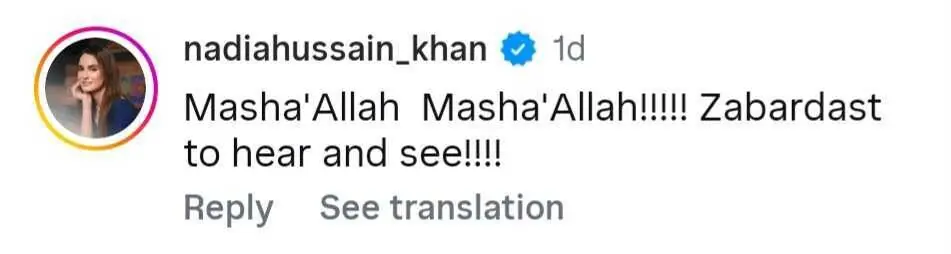
Actors Nadia Hussain and Ghana Ali said “Mashallah”.

And if you’re scratching your head at this, let us explain. DHA Wali Maid is a Lahore-based content creator who works as a domestic worker. She rose to internet fame posting videos of herself cooking and cleaning at her employer’s house and making ‘day in the life’ content.
Her vlogs have earned her a large fan following across Instagram, TikTok and YouTube — where she recently amassed 1 million followers.
In a recent video, she said she had been working for the same employer for five years and the first thing she did after getting enough money was to enrol her kids in a private school in her village.
She said she was dissatisfied with the education they received, so now that she had more money, she was putting them in a school in the city.
Pakistan faces a severe disparity between public and private education, where an estimated 35-40 per cent of children are enrolled in private schools. Around 39pc of Pakistani children are out of school, with 8 out of 10 having never attended school.
Public sector schools across the country face a myriad of challenges, with many lacking basic necessities such as toilets, electricity and drinking water.
Many lower income families tend to forgo a formal education for their children for economic and cultural reasons.


Comments