

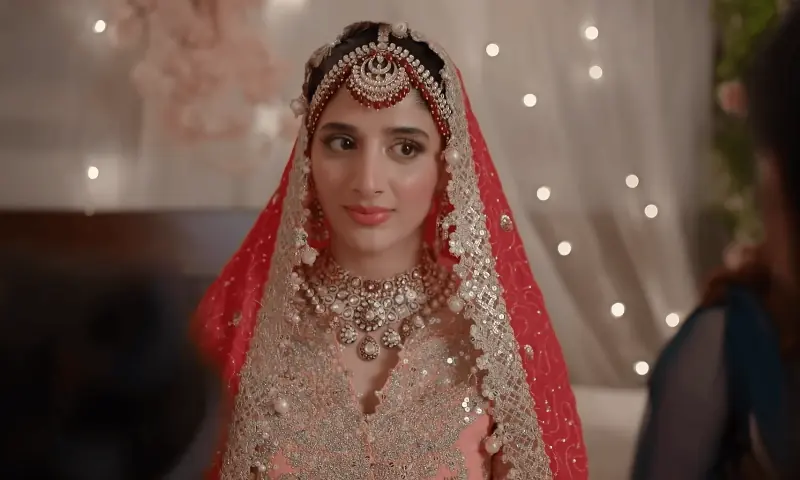
Not every drama will be Jama Taqseem, but Mawra Hocane will never do a project that sets women back
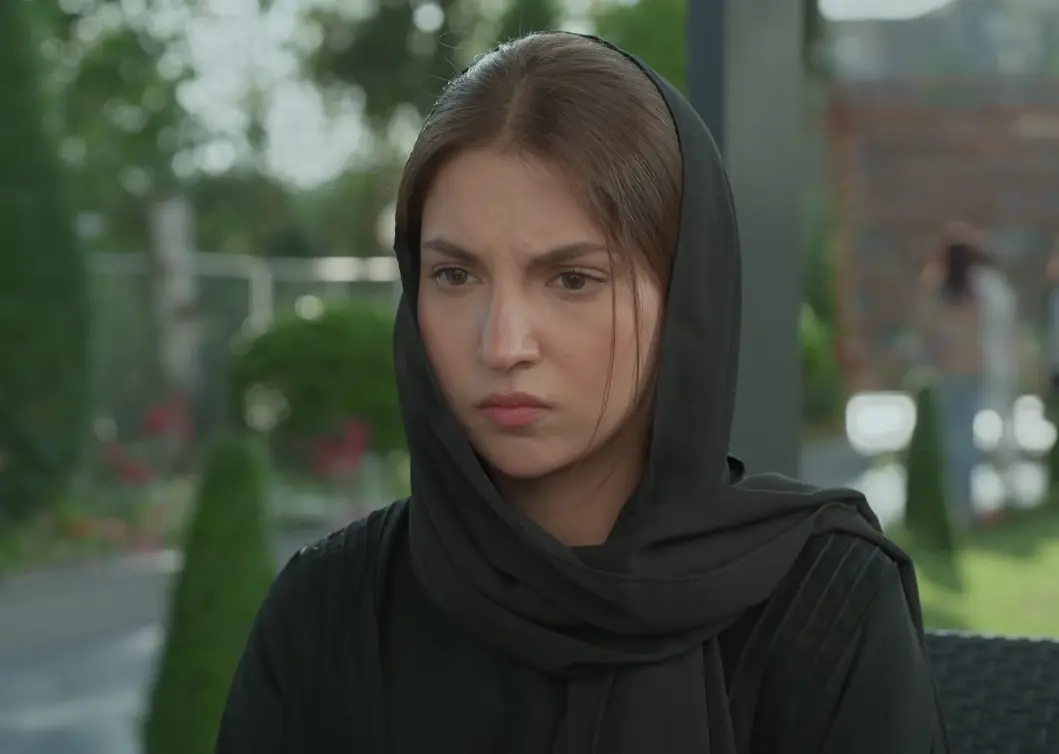
Mawra Hocane has clarified her recent comments about preferring dramas that create impact over those that simply bring in numbers after an excerpt from her interview with Mahwash Ajaz began circulating online.
Taking to her Instagram stories, the Nauroz actor wrote, “Context is everything… I was explicitly asked if I’d choose a drama with impact or numbers… Of course, I said impact, but honestly, the impact created is not my doing alone, it’s the genius of my directors, my writers and producers.”
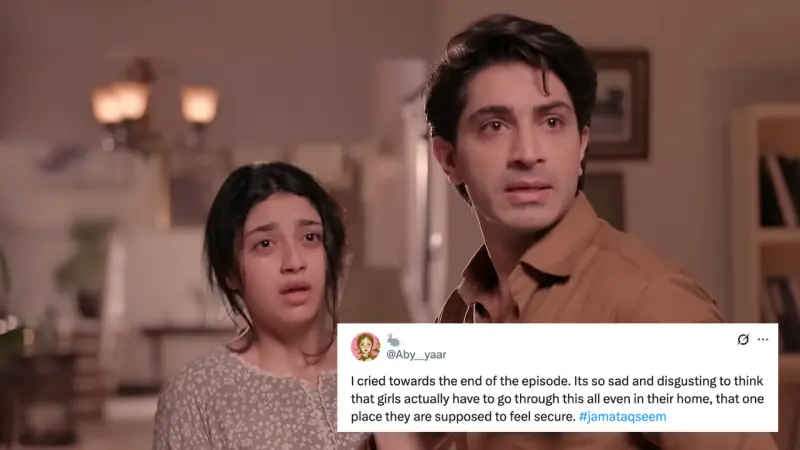
She added that while she strives to make thoughtful choices, she’s also aware that not every project will be a perfect one. “I can only pray and hope to get good scripts and the ability to make the right choice. I’m sure I’ll make mistakes, I’m sure every drama won’t be Jama Taqseem or Jafaa or Nauroz, but I’ll try… and I also hope to do some fun projects while I’m at it… NEVER SAY NEVER. The only thing I’ll never do is a project that’s detrimental to society or a gender or class… that’s all.”

The clarification came after excerpts from her conversation with Ajaz were shared without full context. In a podcast with the journalist, Hocane had been asked what goes through her mind when choosing scripts and characters, particularly since many of her recent dramas, including Jama Taqseem, have had quite an impact.
“Our dramas always had an impact; now the only thing that’s different is that impact is discussed. Initially, it wasn’t,” she said. “I’ve been mindful ever since I met a fan, a girl, she must be seven or eight years old. I met her and she had watched ‘Kheench Meri Photo’, and she said, ‘I watch you, and I do everything that you do.’ And it kind of hit me — this is the generation I’m making an impact on, and that girl must be 18 today. That happened pre-Sammi, when I really realised my responsibility.
“Since then,” she continued, “I’ve made sure that I don’t do anything that takes women back or which is derogatory towards any gender or community in any way. That’s the only thing that’s on my mind when I’m going through scripts. I’m happy to do commercial scripts, I’m happy to do scripts without a message as well, but I just don’t want them to have a bad message.“
She added, “I did Jawani Phir Nahi Aani as well. I just don’t want to do a project that is derogatory of a group. I don’t want my character to say anything that is demeaning to anyone, or that takes women back to where we started from. I used to play a lot of damsel characters, which, by the way, is a reality, so there’s nothing wrong with playing them, but somehow I just…I’m unable to play them anymore.”
In another interview — a written one — with Ajaz for The Nation, Hocane was asked whether numbers mattered to her in an industry increasingly driven by social media traction and viewership stats.
“You really do enjoy the numbers when you get them,” she admitted. “I loved my numbers high on Instagram too, but at the end of it, numbers are temporary. We always want them; everyone wants them, for Instagram, for dramas. But you have to understand that the big game isn’t in the numbers, it’s impact.”
She cited her drama Neem as an example of a project that may not have had the highest ratings but resonated deeply with audiences. “Neem didn’t have as many numbers as it should have had, but it made an impact. The conversations around Neem were beautiful. I would want the numbers for sure, but to me it’s more important if the numbers come with impact.”
When asked whether she would still do a project that guarantees ratings but offers no substance, Hocane was unequivocal, “Numbers without impact are nothing for me. When you work hard for a drama, of course, you want it to do well; you want as many eyeballs as possible. But if there is a drama that promises numbers but will have zero impact, I would never pick it. I’ve never picked it.”
With her clarification, Hocane has reiterated that her intent was not to dismiss success or popularity, but to emphasise the value of meaningful storytelling, and to make sure every project she takes on is one she can be proud of.

Comments