
I travelled all the way to Bali to meet ‘jugnu’ for the first time
“My only dream is that my grandchildren see fireflies the way I did growing up.”
Wayan Wardika, the man behind a wonderful firefly conservatory in Indonesia, said this as the four of us — my wife and I, and an American couple, Johnny and Lulian — sat around a table under the palm trees on his family farm.
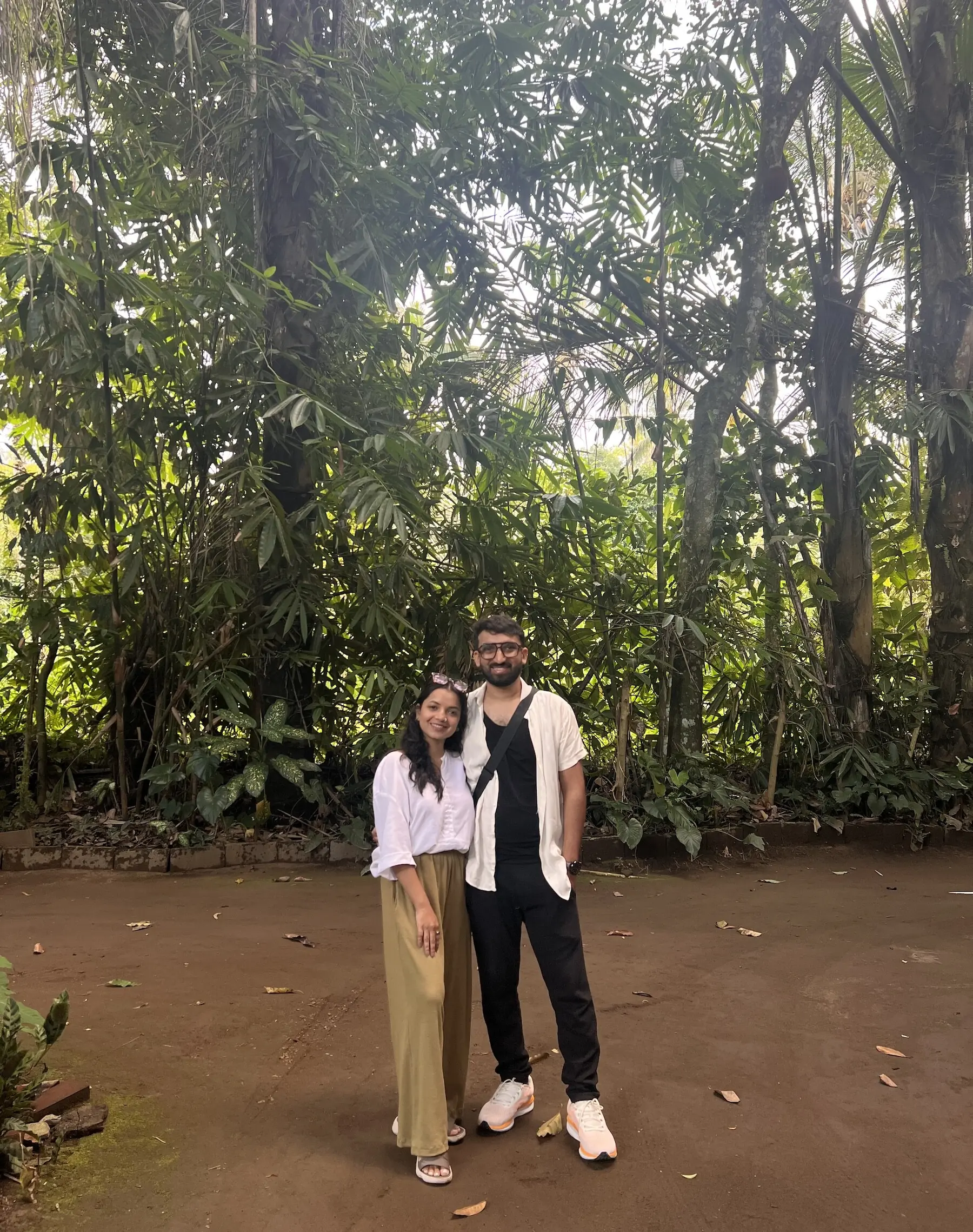
We were here deep in the jungles of Taro village, just outside of Ubud in Bali, at the Rumah Konservasi Kunang-Kunang thanks to my wife. She’d refused to settle for the typical Bali itinerary and kept digging online until she found this experience.
The four-hour evening, which cost $54.78 per person (approximately Rs15,400), included a visit to the firefly conservation lab, a walk through organic plantations, cooking and sharing a traditional Balinese dinner with Wardika’s family, and firefly viewing at night. Transport was not included but could be arranged.
Wardika began telling us about his childhood. Back then, Taro had no electricity. At night, fireflies were everywhere, so many that he’d catch them in jars to light his way home, something his grandparents scolded him for. They believed fireflies carried the spirits of their ancestors and you weren’t supposed to trap them. But there were thousands of them.
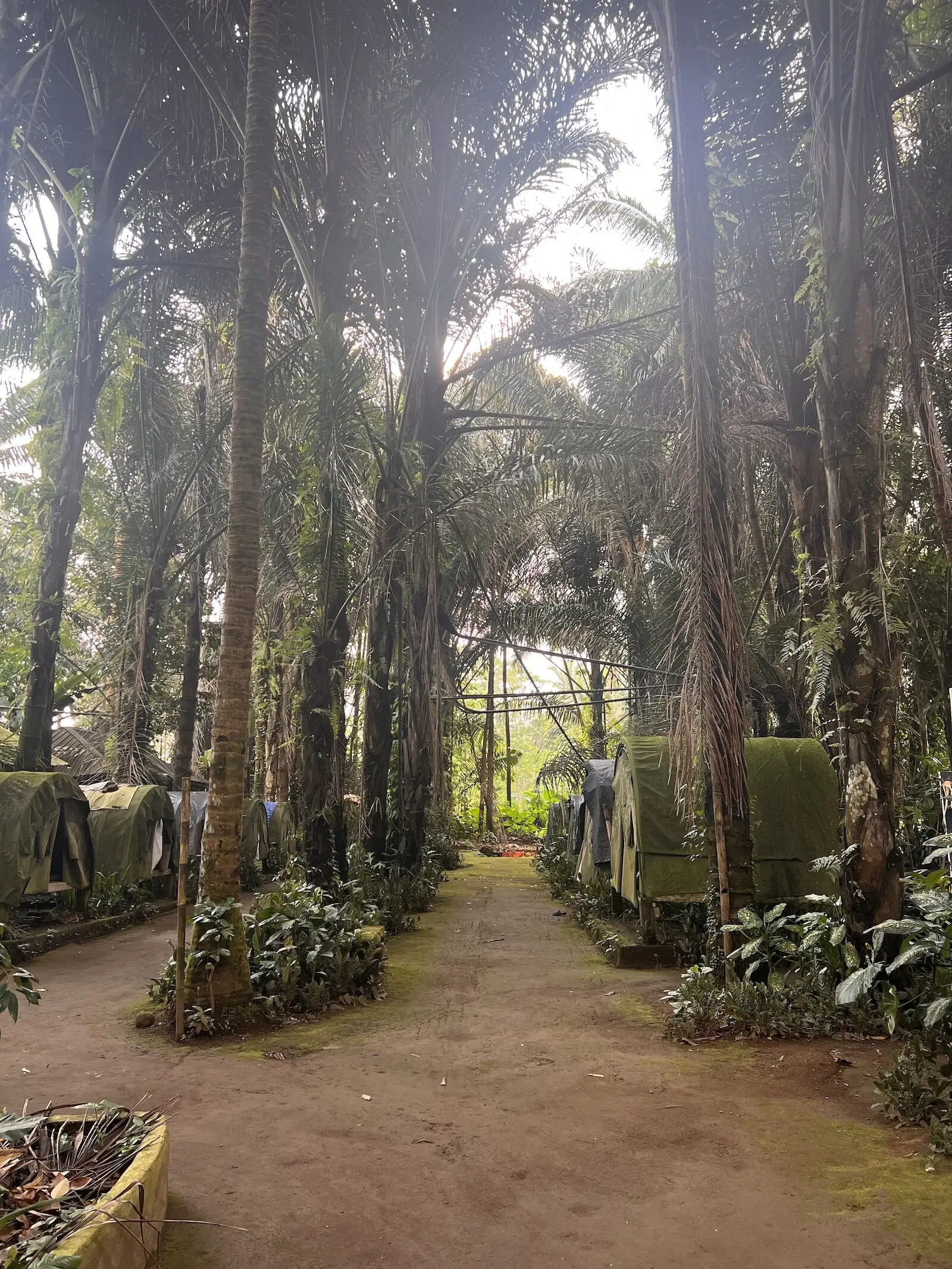
Over the years, farmers started using pesticides, villages got electricity, roads brought more people and more lights. Within 20 years, the fireflies almost vanished.
Watching this happen haunted Wardika.
He’d been working on cruise ships, traveling the world, and every time he came home there were fewer fireflies. Finally, in 2020, he moved back to Taro and launched “Bring Back the Light” — a project to bring fireflies back to Bali.
He built the lab and taught himself the science of firefly breeding. Now he works with biologists and local farmers who’ve switched to organic farming.
As he spoke passionately about his work, I realised what it looked like to find your calling. Sitting there, I wondered if I’d ever felt that way about anything. I hadn’t.
Thankfully, Wardika interrupted my minor existential crisis. He stood and gestured toward the lab — a modest room tucked beneath trees planted decades ago. Nita, one of the biologists, was waiting for us.
Inside, rows of glass jars lined wooden shelves and Nita explained what we were seeing — firefly larvae. Some just weeks old, others nearly ready to pupate. She walked us through their life cycle — egg to larva to pupa to adult — a process that takes around two years. Two years of growing in the soil, hidden and patient. Then comes the adult stage, when they can finally fly and light up the night, lasts only two to four weeks. Less than a month to glow, to find a mate and to leave something behind.
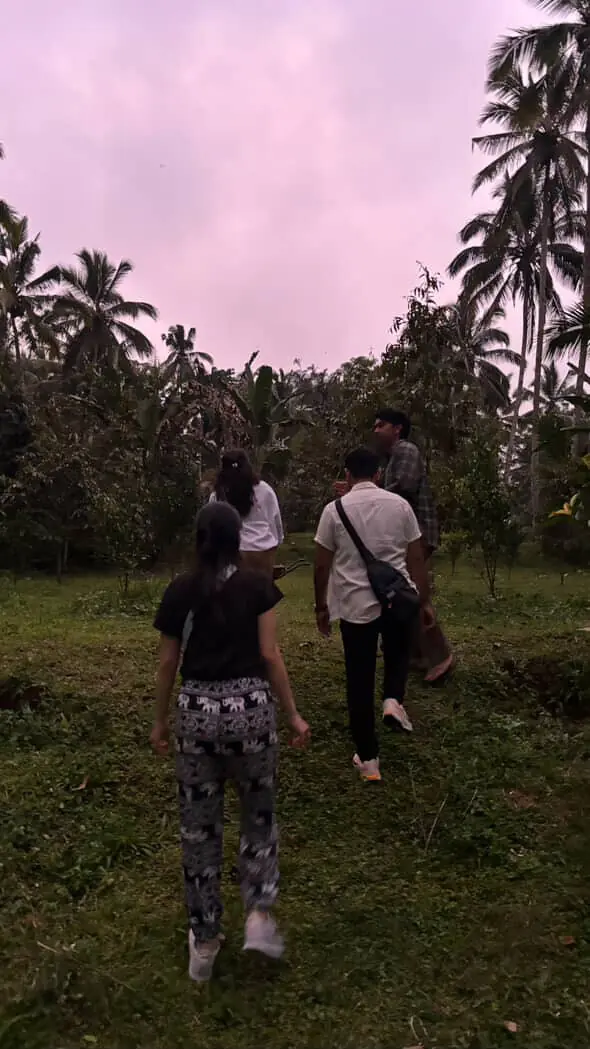
We stepped out of the lab into the golden hour. Wardika’s son, Krishna, then took over, leading us into the fields. He walked us through rows of coffee plants, durian trees, and moringa bushes growing along the edges. Everything here was organic. No pesticides, no chemicals. It had to be — this was the environment the fireflies needed to survive.
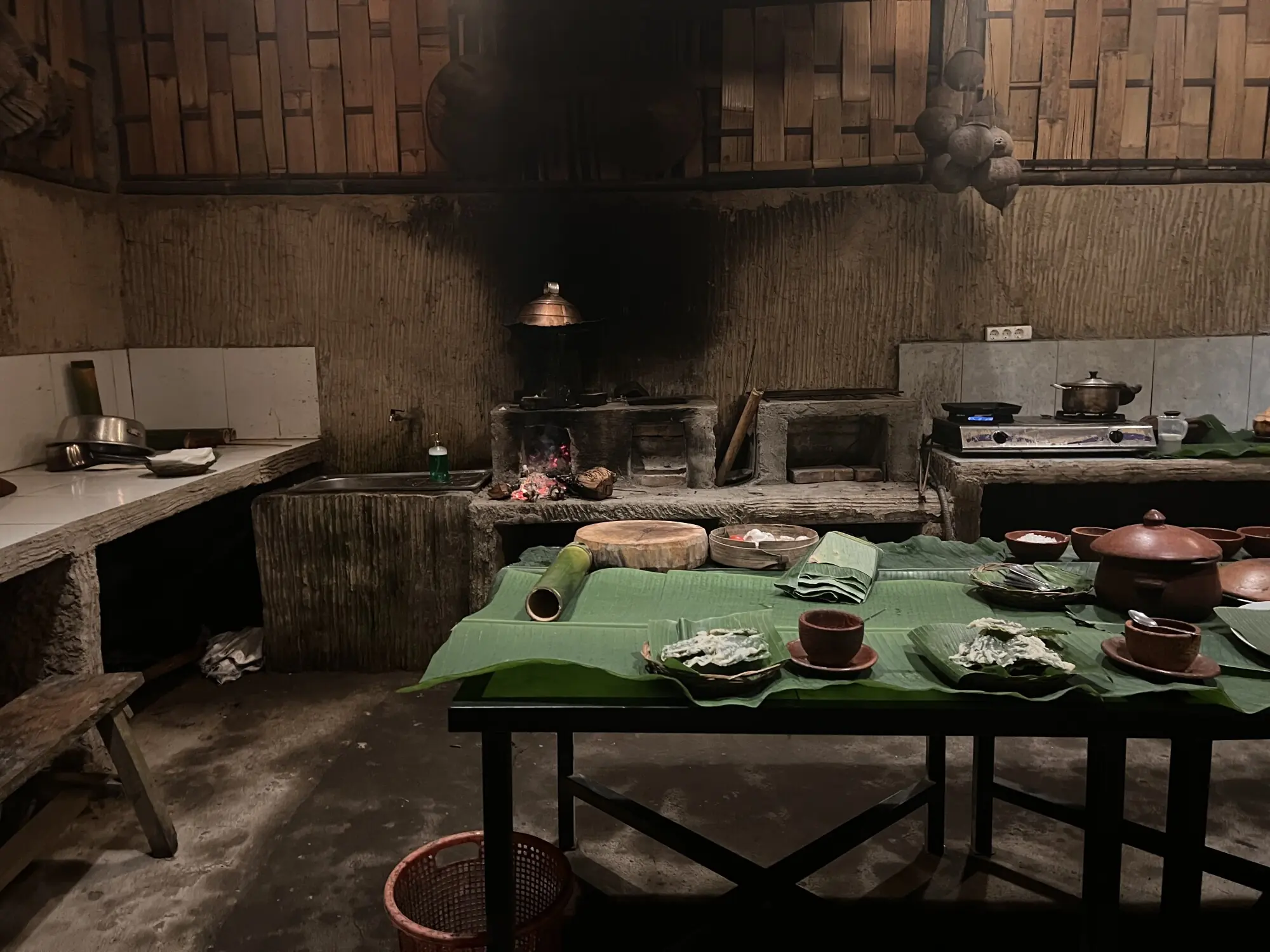
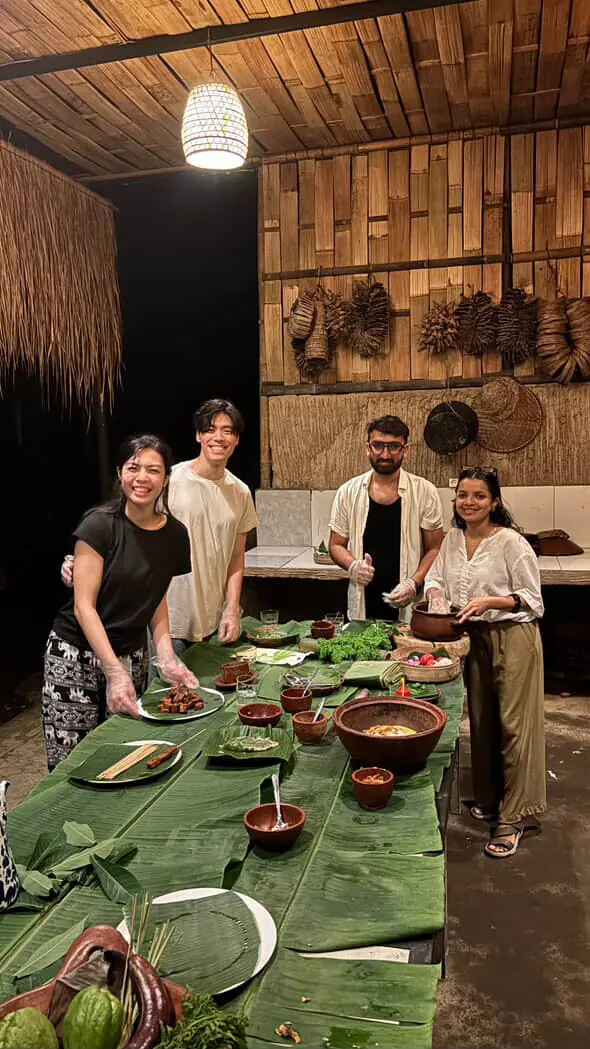
By the time we made it back, the family had set everything up in the kitchen.
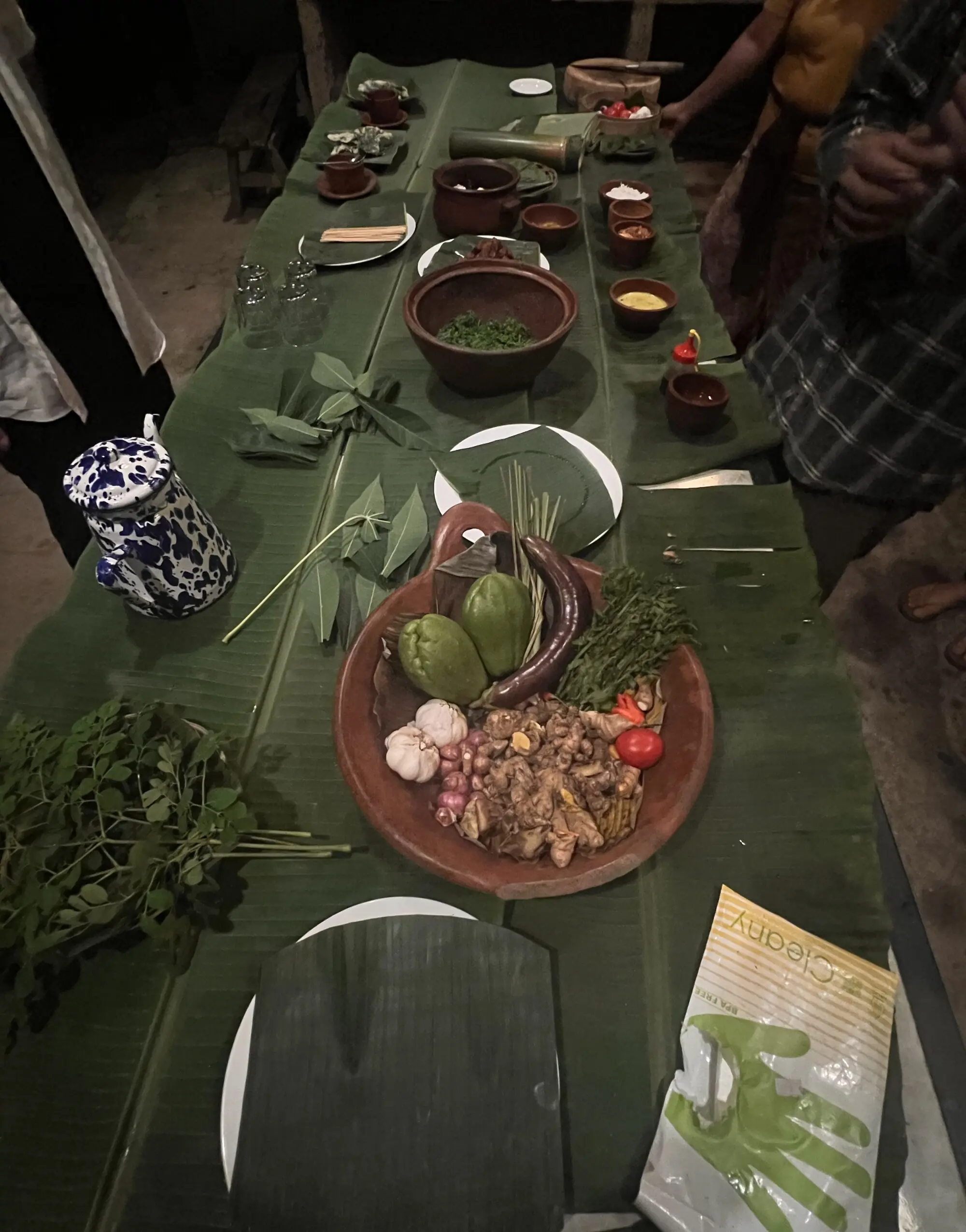
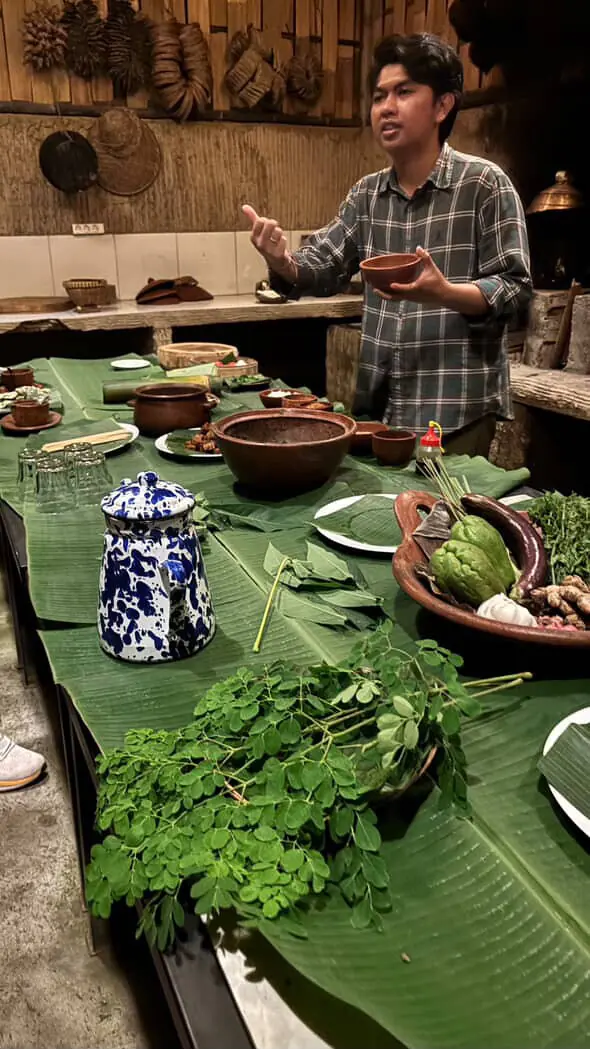
Ingredients laid out on wooden surfaces, pots ready over the fire. Krishna waved us over with a smile.
By now, Johnny and Lulian felt less like strangers and more like old friends. We’d moved past the polite introductions and into the easy back-and-forth of people who actually liked each other.
Krishna and his aunt walked us through preparing the meal. We chopped vegetables, prepped chicken for the bamboo shoots, and mixed spices. The work was simple, communal. All of us moving around the same space, contributing what we could as night fell.
When we finished, it was time. The moment we’d come for. Krishna turned off the surrounding lights and asked us to keep our phones tucked away too. The darkness that settled in was complete. Pitch black. The kind you never experience in cities.
We followed him down a path toward the rice paddies, moving slowly, our eyes adjusting with each step.
Around us, the Balinese jungle hummed softly. Cicadas buzzed in the trees, frogs croaked somewhere in the distance, the breeze moved through the rice stalks with a soft rustle.
Then I saw it — a tiny flicker of light, low near the ground. Gone as quickly as it appeared, I thought I’d imagined it. But then another one blinked further out in the paddies. Then another. Small bursts of yellow light appearing and disappearing across the field like tiny fallen stars.
The males are flying, flashing as they move. The females stay low, in the grass. When she sees a pattern she likes, she flashes back. That’s how they find each other.
We stood there watching, mesmerised — there was something about it that turned us all back into children seeing magic for the first time. I don’t even know how long we stayed, but eventually, Krishna led us back toward the house where dinner was waiting.
We sat down for the meal — moringa soup, bamboo-grilled chicken, tempeh skewers and steamed vegetables with coconut. The conversation flowed smoothly as we ate our delicious meal. Krishna mentioned something about his wife, and when we asked, he smiled shyly and said they’d just gotten married. Before we knew it, his phone was out and we were all watching his wedding video. He blushed as we congratulated him, clearly proud but embarrassed by the attention.
Heading back through the darkness that night, I kept thinking about the word jugnu, Urdu for firefly. I’d first learned it as a child from Iqbal’s poem Hamdardi in school. A nightingale lost in darkness, unable to find its nest. A small jugnu appears and offers to light the way home, despite being just a tiny creature.
To me, jugnu was just a beautiful word we read in poetry. Living in Karachi, a concrete jungle drowning in light pollution, I’d never actually seen a firefly, but watching those tiny lights pulse across the paddies, I finally understood what Wardika was fighting for — the chance for his grandchildren to see what he saw growing up. For jugnu to be more than just a word.







Comments