

Anoushey Ashraf’s comprehensive guide on travelling to Zanzibar
Anoushey Ashraf is back from Zanzibar, fresh off her honeymoon. The RJ and host tied the knot in a dreamy wedding in Turkey in April. Now, she’s making sure her followers know exactly where to go if they’re planning to visit the island, popular for its spices and sunsets, what to do there, and how to budget their trip.
“It’s not the cheapest island, but it’s rich in soul, history and people who welcome you with genuine warmth,” she wrote in an Instagram post breaking down her trip in a bunch of slides.
For Ashraf, Zanzibar isn’t just a destination — it’s a feeling that lingers. “The call to prayer drifting through Stone Town’s alleys, the tide pulling the ocean back and forth in Paje, the sunsets in Nungwi that make you forget time,” she recalled.
The basics
According to the host, flights will set you back around $600 to $1,200 (Rs170,000 to Rs340,000) depending on the airline. A visa costs $180 (Rs51,000), and mandatory insurance is $44 (Rs12,487).
Her biggest travel hack? Carry USD cash. “It’s accepted almost everywhere,” she advised.
How long to stay
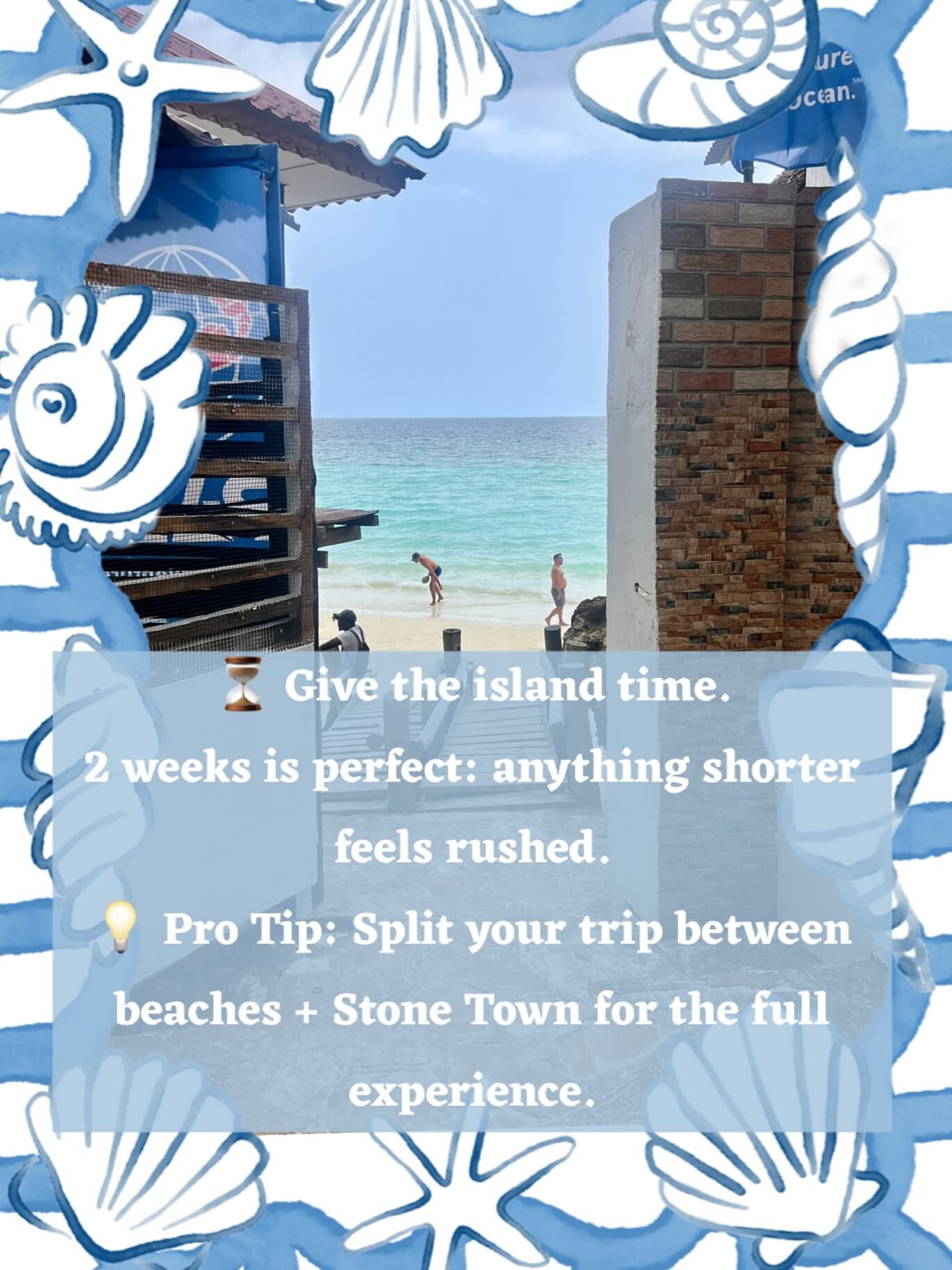
“Give the island time,” Ashraf urged. “Two weeks is perfect — anything shorter feels rushed.” She also suggested splitting the trip between the beaches and Stone Town for the full experience.
Where to go
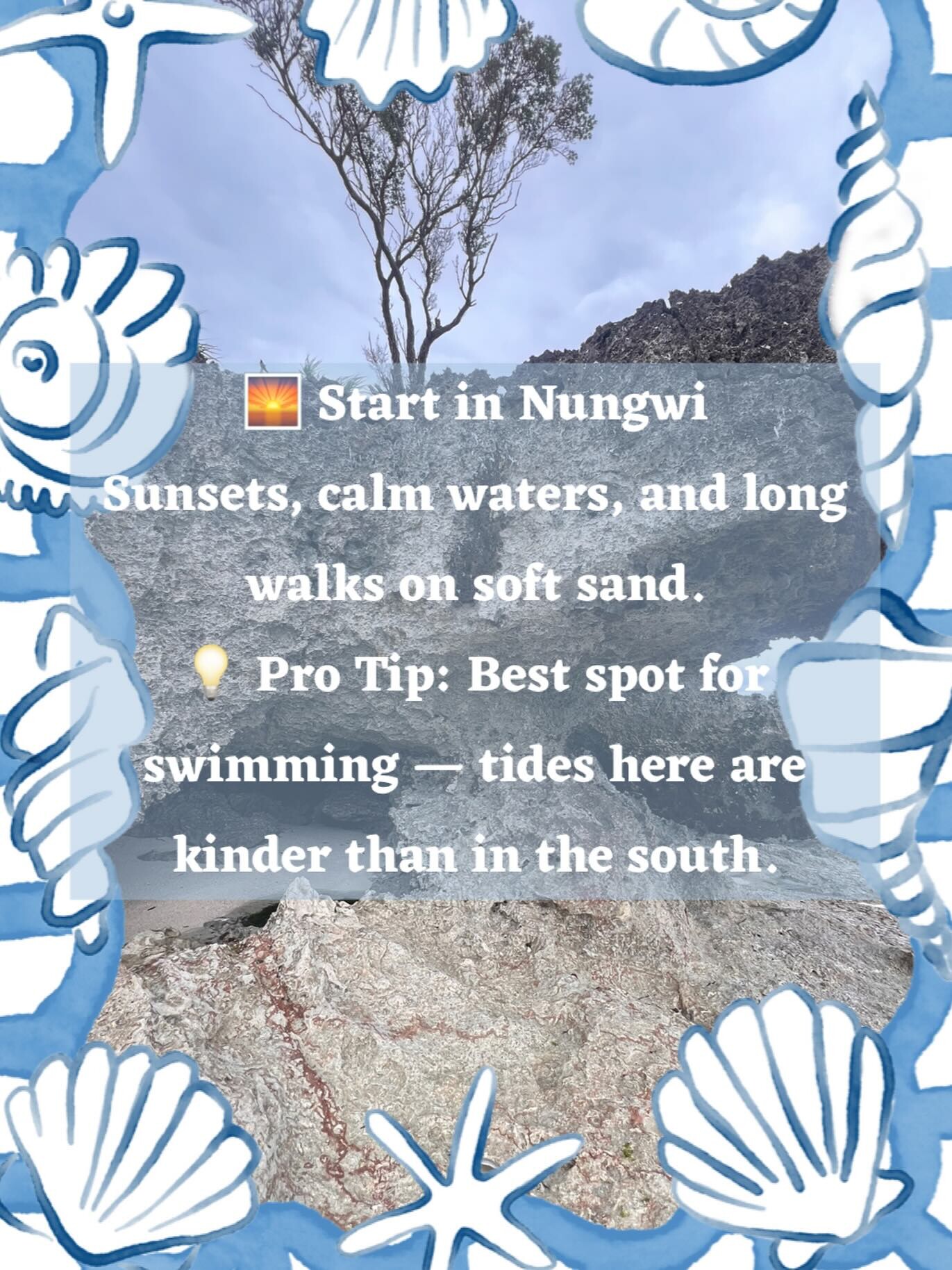
Start in Nungwi, a village at the northern tip of Zanzibar known for its calm waters, soft sand and some of the best sunsets, she advised. “Pro tip: Best spot for swimming — tides here are kinder than in the south,” she wrote.
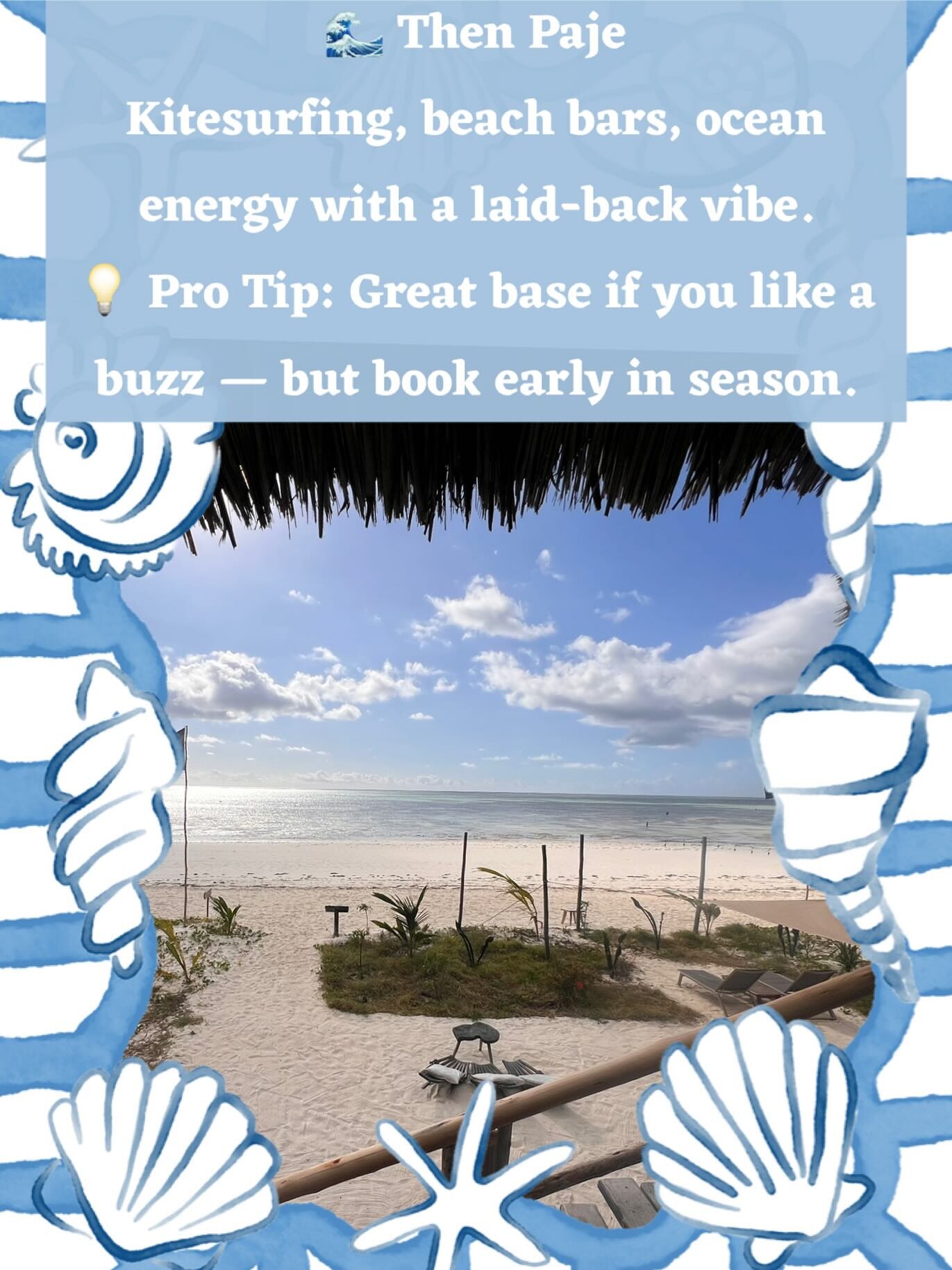
Next stop: Paje. Perfect for kitesurfing and a laid-back vibe, Ashraf described it as “a great base if you like a buzz” but recommended booking early in the season.
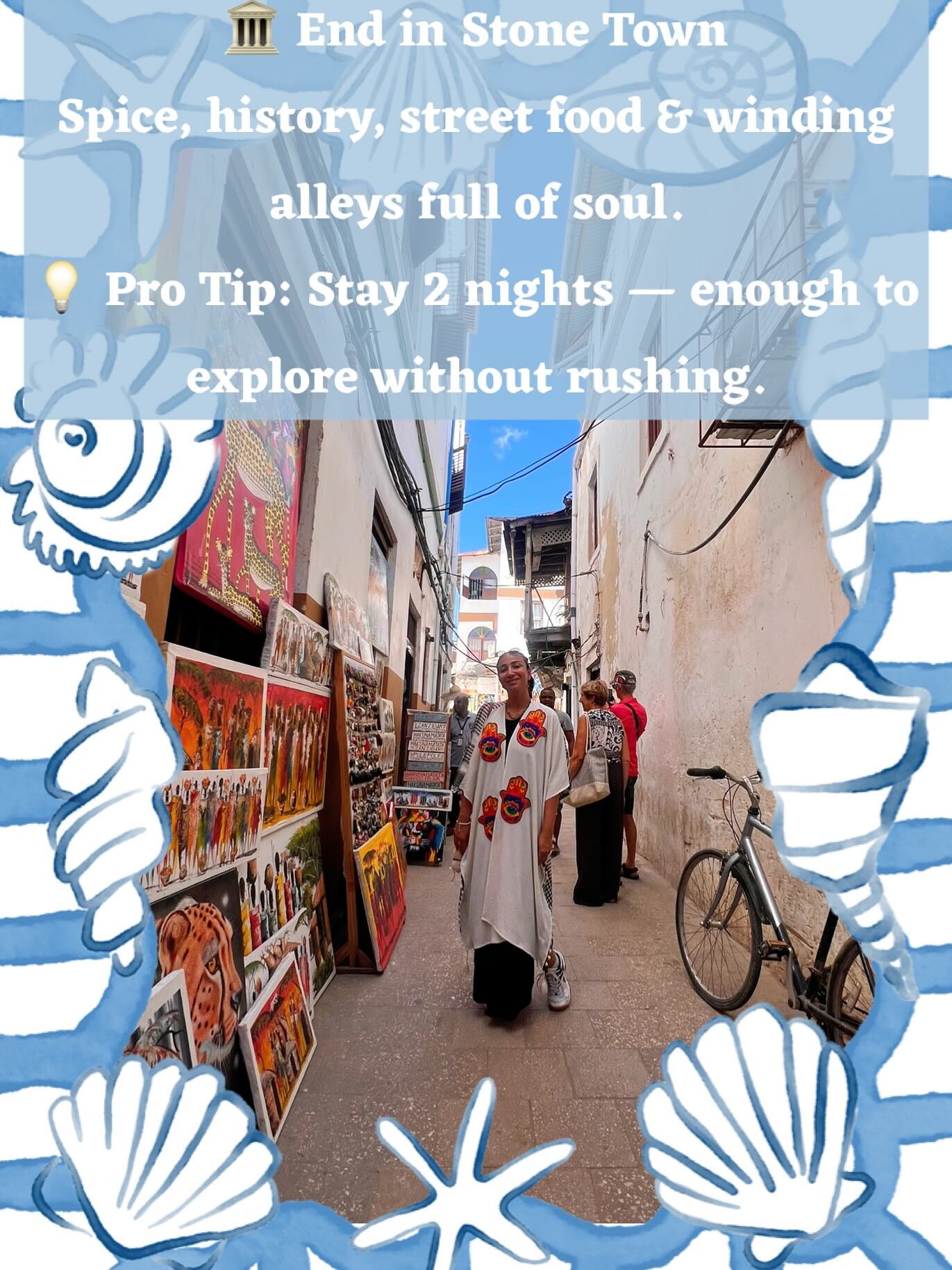
End the trip in Stone Town, with its spices, street food and winding alleys steeped in history. “Stay two nights — enough to explore without rushing,” she suggested.
Where to stay and how to get around
For transport, Ashraf noted that taxis cost around $50 (Rs14,000) per ride, but renting a car was far more convenient. She and her husband paid $35 a day for a local permit. “It gives you freedom to explore,” she said.

Accommodation on the island ranges greatly. Resorts start at around $150 (Rs43,000) per night and can go up to $400 (Rs113,000) or more. Bargaining at markets is expected, while food remains an “affordable joy,” according to Ashraf.
In a slide, she recommended “stays for every mood”.
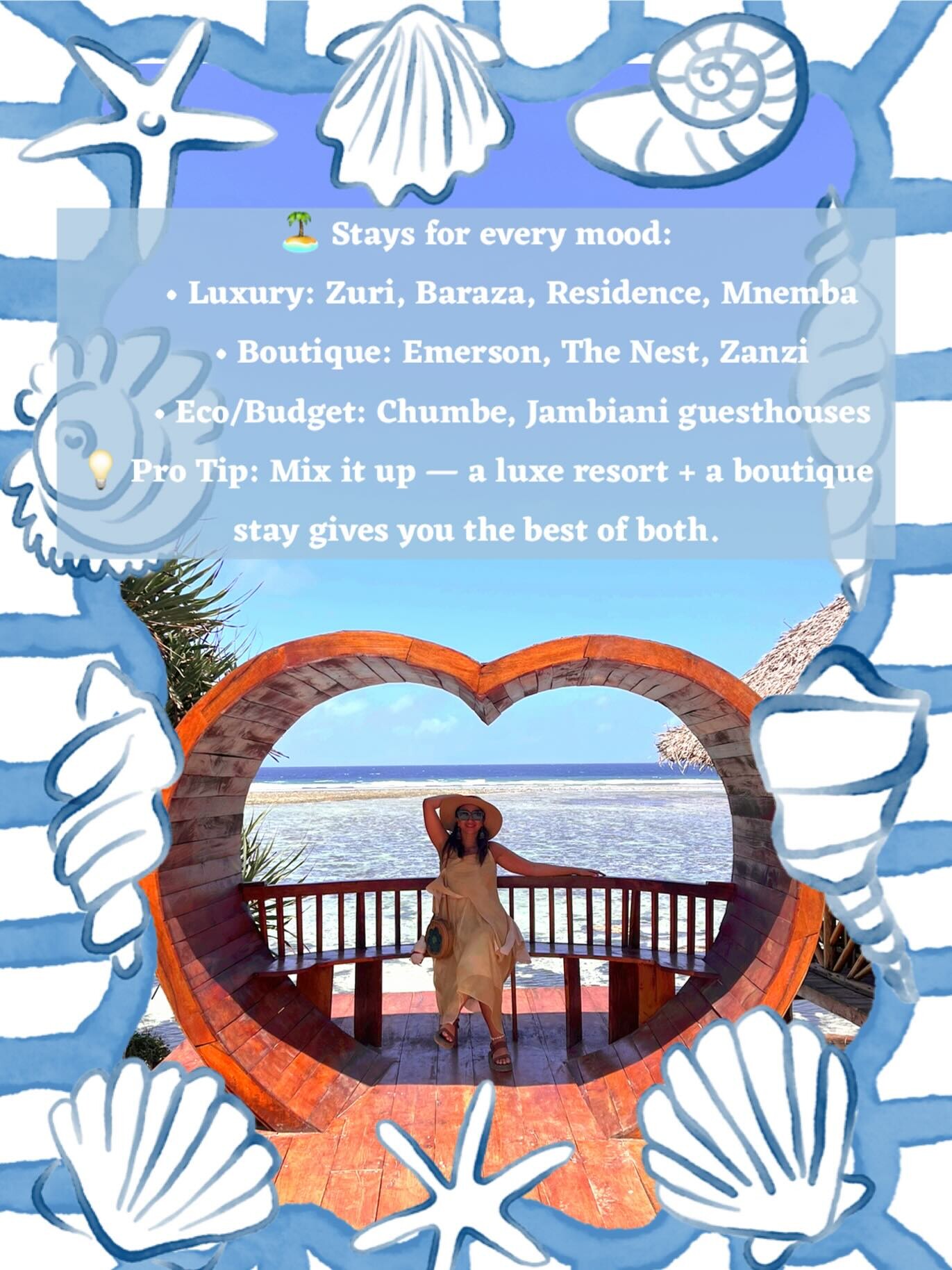
For a luxurious stay, she suggested Zuri, Baraza, The Residence, and a private island lodge in Mnemba. For Boutique stays, she listed Emerson Hotels, The Nest Boutique Resort, and Zanzi Resort. And for eco-friendly, economical options, she recommended the Chumbe Island Coral Park and Jambiani guesthouses.
“Pro Tip: Mix it up — a luxe resort plus a boutique stay gives you the best of both,” she shared.
Pros and cons

In another slide, she listed the pros and cons of travelling to Zanzibar. “Pros: Dream beaches, rich Swahili culture, seafood and spices, diving and wildlife, and of course, the people,” whom she described as kind, warm and sweet. “Pro tip: Take time to chat — locals have the best stories,” she noted.
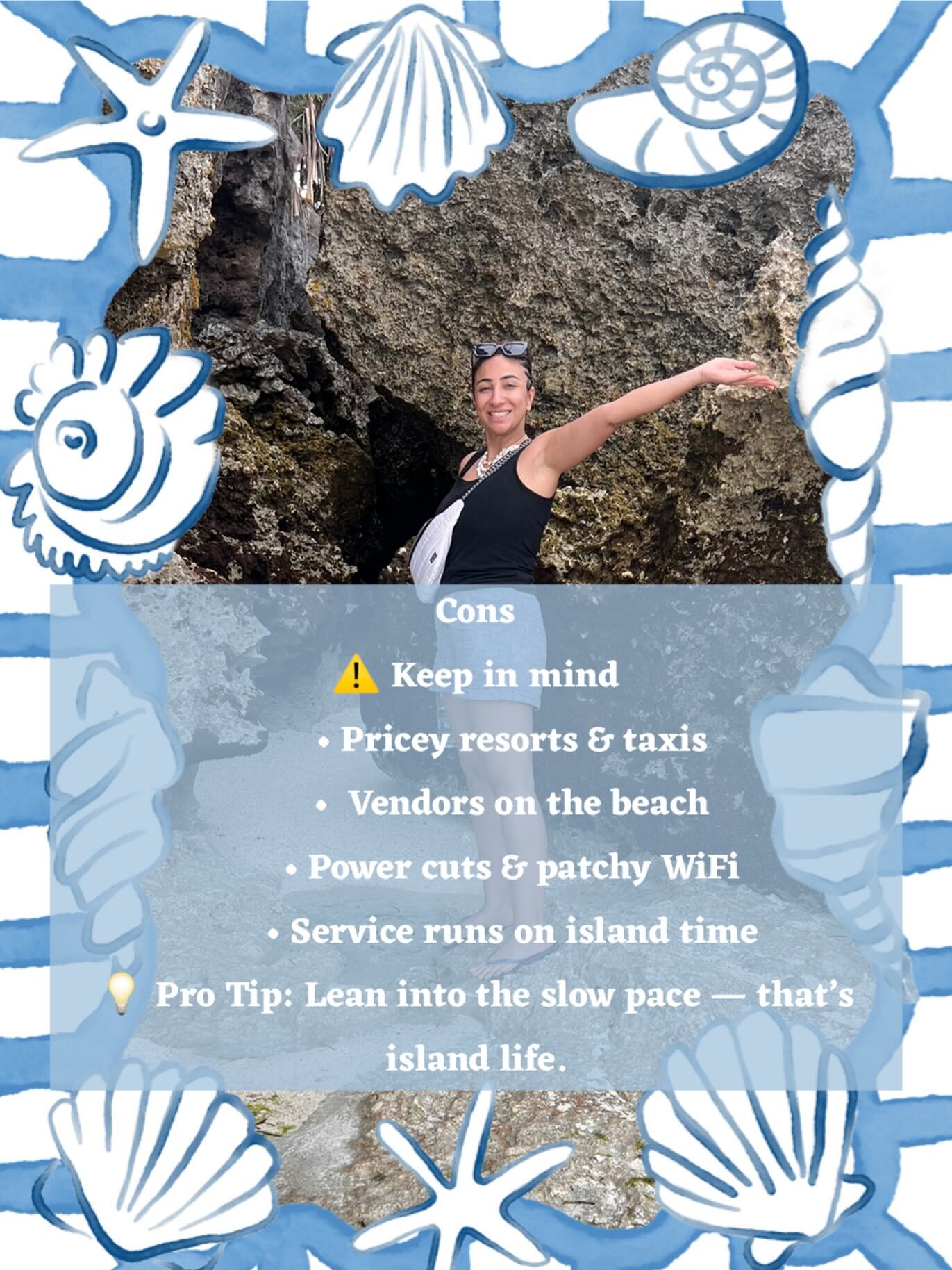
“Cons: Pricey resorts and taxis, vendors on the beach, power cuts and patchy WiFi, service runs on island time. Pro Tip: Lean into the slow pace of island life,” shared Ashraf.
Final thoughts
Her final thoughts about Zanzibar were: “Zanzibar is more than a postcard. Come with patience, curiosity, and time! It will stay with you forever. And me? I’d love to come back again… it feels like the kind of island that’s even more fun when shared.”
For her final pro tip, she said Zanzibar is great for couples, but friends and families will surely make the nights longer and the laughs louder.








Comments