

For Mira Sethi, her divorce was a time to look inwards and be honest with herself
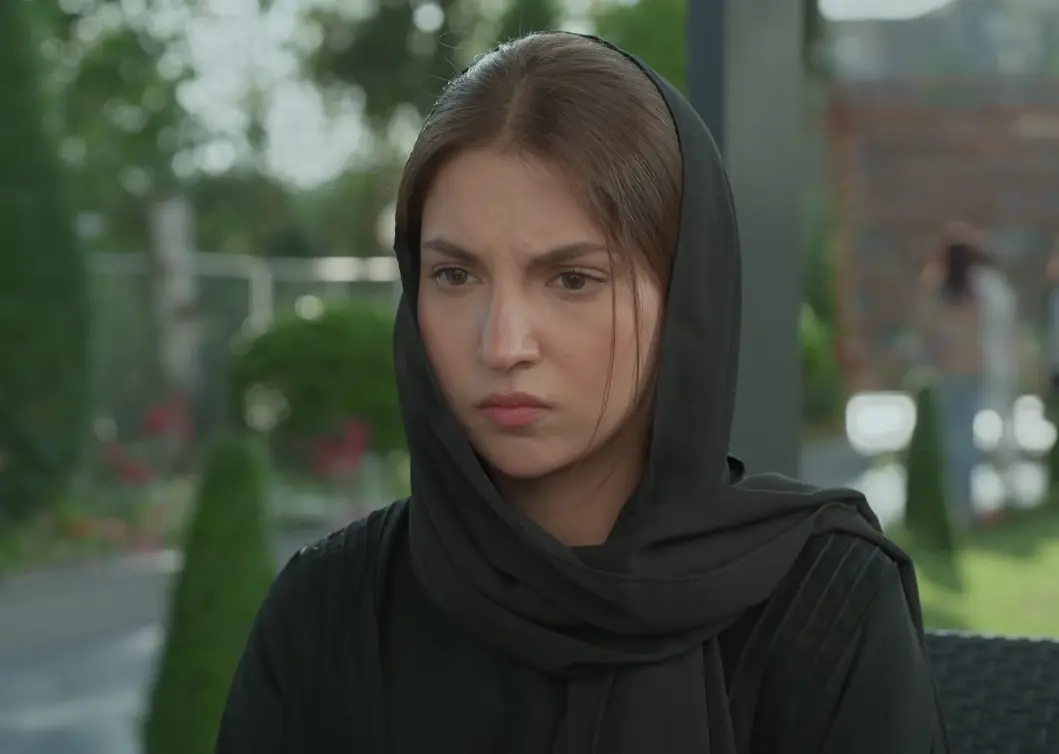
Author Mira Sethi said the support of her friends, family, colleagues and kind strangers helped her navigate a “tender, delicate, powerful time” in her life in the aftermath of her divorce in March 2023. At the time, Sethi was filming the drama Kuch Ankahi, which she said kept her busy.
Speaking to Sabahat Zakariya on her podcast Feminustani, Sethi said her costars Sajal Ali and Syed Mohammed Ahmed knew about the divorce, as did director Nadeem Baig. She said they were all “gentle and supportive” in dealing with her.
Sethi married her childhood friend Bilal M Siddiqi in November 2019. This interview was the first time she publicly addressed her divorce. Acknowledging the grief and pain that comes with divorce, Sethi said marriage is a story. She said this meant divorce was a narrative collapse, making women question their identity and place in the world in the aftermath. The author and actor said the slow and important process of dealing with that collapse has pushed her to look inwards. The process, she said, involved deconstructing certain aspects of life and being honest with oneself.
Speaking about the shift in attitudes towards divorce, Sethi recalled a drama she had done earlier in her career, where she had a dialogue saying a divorced woman was “like a thorn to society”. In that sense, she said, attitudes have changed. Divorce is more widely accepted now than it was before and people can talk about it openly, including public figures.
Answering a question from Zakariya about spouses as witnesses to each other’s lives, Sethi agreed artists had witnesses other than their spouses, adding that the artist who can “survive [their] pain, can probably alchemise it”. She said the ability to externalise pain was a gift which she planned on using for her upcoming book.
Talking about the cultural divide between generations, Sethi said young people today are more liberal and modern, but that doesn’t necessarily translate into culture and media as writers’ rooms are full of older people. The author said her conversations with producers have made her realise they believe dramas need to be relatable, which stifles creativity and deters new ideas.
Speaking about feminism, Sethi said she didn’t subscribe to “girlboss feminism,” which she said relies too much on slotting women into the existing patriarchal system and advancing a personally ambitious agenda. The author said her definition of feminism was more about speaking up and using one’s voice.
The interview ended on a note about how language is perceived in Pakistani society, with Zakariya saying Punjabi parents weren’t speaking to their children in their native language, which Sethi countered saying hers did. Sethi recalled how she spoke Punjabi more fluently as a child than she does now, which they both agreed was symptomatic of a system that beats out the native identity of those who pass through it.



Comments