

Israeli attack on Nasser Hospital killing four journalists sparks online outrage
An Israeli airstrike on Gaza’s Nasser Hospital has killed at least 15 people, including four Palestinian journalists, in what colleagues and observers are calling one of the most direct assaults yet on media workers documenting the war on Gaza.
According to Palestinian health officials, the first strike hit the medical complex in Khan Younis, killing Reuters photojournalist Hussam al-Masri. Moments later, a second strike followed, targeting the very people who had rushed to help. Among those killed were Mohammed Salama, a photojournalist with Al Jazeera, Mariam Abu Daqa, who freelanced for outlets including the Associated Press (AP) and The Independent Arabic, and Moaz Abu Taha, a journalist working with NBC.
Reuters confirmed that its live video feed from the hospital, which al-Masri had been operating, cut off at the exact moment of the initial strike. AP said it was “shocked and saddened” at the killing of Dagga, who had been contributing to the agency. Both AP and Reuters said they were devastated over the loss of their colleagues.
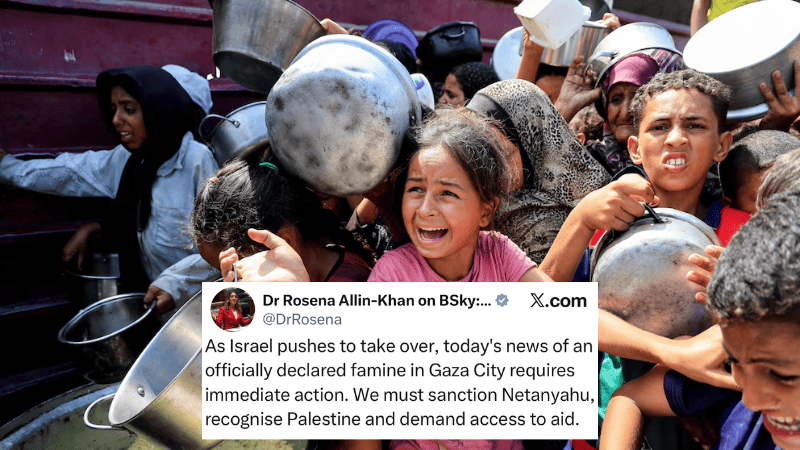
Gaza’s Health Ministry reported that at least 38 Palestinians were killed across the enclave in the early hours of the day, including a six-month-old infant who died of starvation — a result of the famine caused by Israel’s aid restrictions.
Israel’s public broadcaster also reported that the military had destroyed tons of spoiled food and medicine that had sat for weeks at the border.
‘Our colleagues were killed live on-air’
The attack has triggered widespread condemnation, with fellow journalists and human rights advocates pointing out that both targeting hospitals and killing reporters are war crimes under international law.
Palestinian journalist Motaz Azaiza mourned his colleagues, writing: “We must see the day those Israeli criminals are held accountable and punished. When will the world take action? When will this world wake up?”
Al Jazeera correspondent Hind Khoudary described the emotional toll in a video message shared by the outlet. “If I show you my colleagues right now, they are trying to hold their tears, they’re trying to find the words to describe what happened. Our colleagues were killed live on-air. Every single day, we’re mourning people,“ she said.
Irish rap group Kneecap condemned the strikes as “evil beyond words”, writing, “They no longer claim not to bomb hospitals — they first bomb patients and then bomb those who come to rescue the injured.”

Activist Dyab Abou Jahjah warned, “This is genocide in real time… by killing the very idea of a rules-based order, it paves the way for a future of global chaos.”

Others, including journalist Taj Ali and author Janine di Giovanni, reminded everyone that these are not isolated incidents. Just two weeks ago, Palestinian journalists Anas al-Sharif and Mohammed Quraiqa were killed in similar attacks.


British activist Majid Freeman questioned international silence. “Will fellow international journalists speak up for their colleagues and profession?”

These killings highlight Israel’s deliberate attempts to silence Palestinian voices. Palestinian financial expert and human rights advocate Ramy Abdu noted that Israel struck civil defence crews as they tried to retrieve al-Masri’s body, calling it “ongoing crimes before the eyes of the entire world.”

The attack on Nasser Hospital raises the death toll of Palestinian journalists killed in Gaza since October 7, 2023, to at least 274, adding another chilling chapter to the risks faced by reporters in Gaza, who, like Khoudary pointed out, are often documenting the conditions they themselves endure.
The question that remains is whether the world will continue to watch in silence or finally act.





Comments