
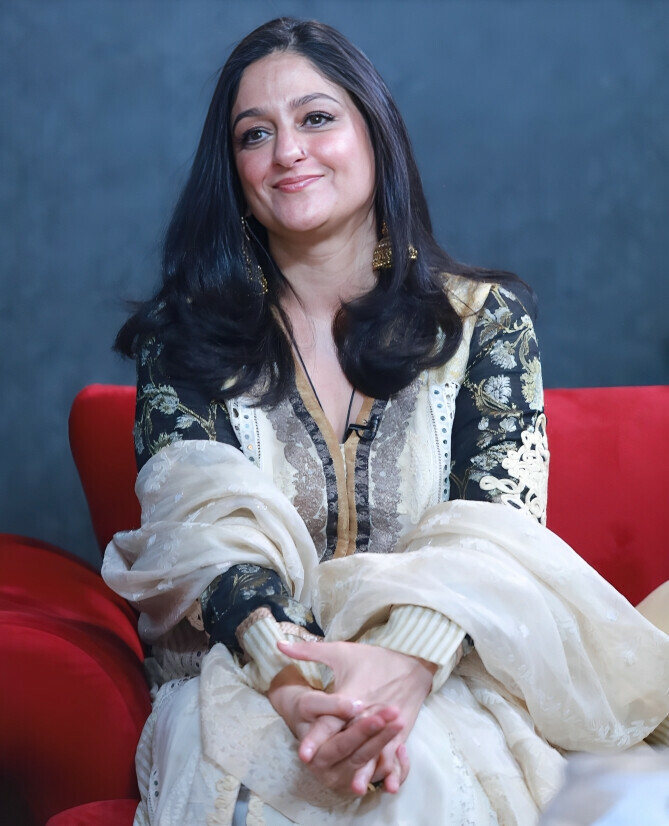
‘No one can take that place’: Nadia Jamil clarifies comment on women having to ‘mother’ their husbands
Actor and activist Nadia Jamil has issued a clarification after a recent Instagram post sparked a debate over her views on women “mothering” their husbands.
Earlier, in a widely shared video, Jamil said, “Girls don’t need to mother their husbands.” Her statement circulated online, with many incorrectly interpreting it as a rejection of traditional caregiving roles within marriage. Now, the Faraar actor has taken to Instagram to address what she says was a misinterpretation of her message.
“There is no one and there should be NO one who can take the place of a mother,” she clarified. “A mother is a mother. The way a husband and wife nurture each other is different. They are equals. But the way a mother nurtures is exceptional.”
Jamil emphasised that while she enjoys caring for her husband and vice versa, the dynamic between spouses and that between a mother and child are fundamentally different.
“I am not his mother :) He has a beautiful, loving, nurturing mother. Alhamdulillah. He doesn’t want me to be, nor does he need me to be like her,” she wrote, adding that her approach to care in marriage draws from what she’s learned from both her and her husband’s mothers.
She also reminded her followers that what works in her relationship may not apply to others: “Live and let live. Everyone loves and takes care of themselves and each other in their own way.”
Concluding her post, Jamil noted she felt compelled to clarify her stance explicitly after her previous comment was “taken out of context and twisted.”
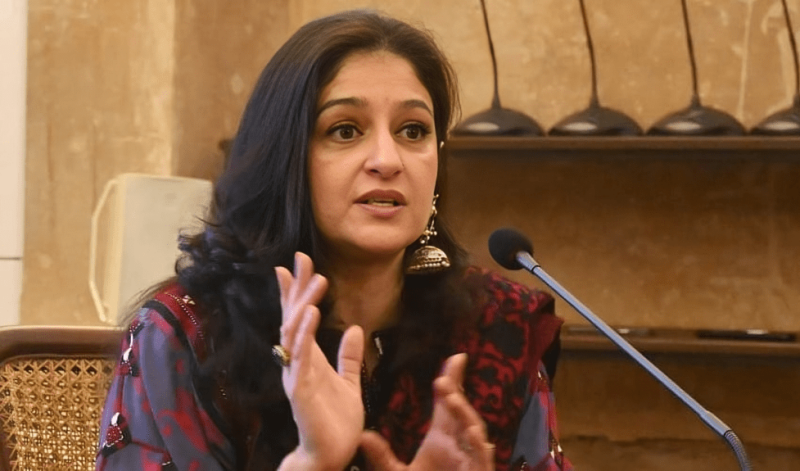
At a recent panel hosted by the Almawrid Women Society, Jamil spoke candidly about the emotional labour and childcare responsibilities that women disproportionately shoulder in marriages.
Drawing from her own experience as a working mother raising both a four-year-old daughter and a 23-year-old son, she highlighted how gendered expectations often pressure women into playing multiple roles, many of them unpaid and under-appreciated.
Her intention, she clarified, was not to undermine care in relationships but to advocate for balance and mutual respect.







Comments