
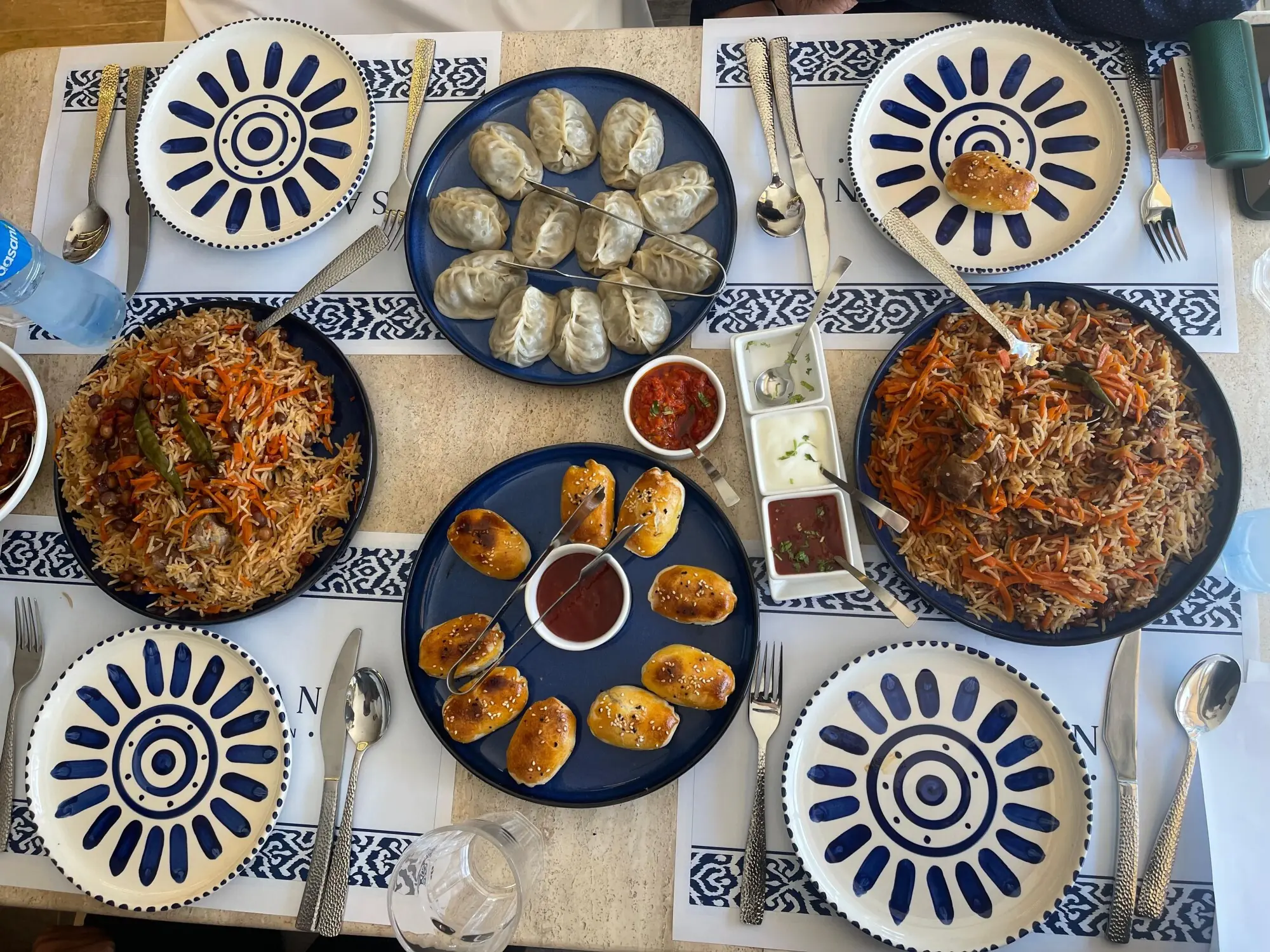
Islamabad's newest Central Asian eatery, Samarkand, is serving up authentic Uzbek cuisine
In 2019, Wahaj Ozgen grew tired of serving free Uzbek meals to his friends, relatives and neighbours and decided to instead set up a cloud kitchen, putting a price tag on the sumptuous muntus, sumsus and plov he had been serving as freebies.
“I am a third-generation Uzbek living in Pakistan. My grandfather moved to Pakistan before Partition. His ancestral home is in Ozgen Valley, Samarkand, whereas my grandmother’s is Bukhara. My father and I were born here in Pakistan,” said the 30-something-year-old owner of Samarkand, a new authentic Uzbek restaurant in Islamabad’s Blue Area.
“During Covid, when anxiety levels were very high, there wasn’t much to do except invite friends over for Uzbek food, movies and games to kill time,” he said. “One day, my mother put her foot down and said, ‘I can’t be in the kitchen all day cooking food for your friends, so this needs to stop.’ Her food had become so popular, that one of my friends suggested to start charging and he would pay and thus a cloud kitchen was launched,” he explained.
In the past six years, Ozgen’s business degree from Regent’s University London came in handy and with a smart marketing strategy and planning in place, the demand for takeaway increased multifold and catering for small dinner parties of 30 to 35 people became a regular feature. “Uzbek food is different from Pakistani cuisine plus it’s not spicy, so I focused mostly on expats, diplomats and staff at foreign NGOs, serving them plov, muntus and samsus mostly,” he explained.
Confident in his regular clientele, it was time for the transition from cloud kitchen to a full working kitchen as he wanted his customers to be served in a nice sit-down setting, with ceramic plates and a soothing environment instead of in plastic delivery boxes arriving via motorbikes.
Partnering with his aunt, who once ran a Central Asian joint by the name of Khiva in Islamabad, Ozgen launched Samarkand on the mezzanine floor of Hotel Viridi. “I am neither a foodie nor a chef. It was my mother behind the burners running the cloud kitchen and now my Khala as head chef at this restaurant,” he laughed.
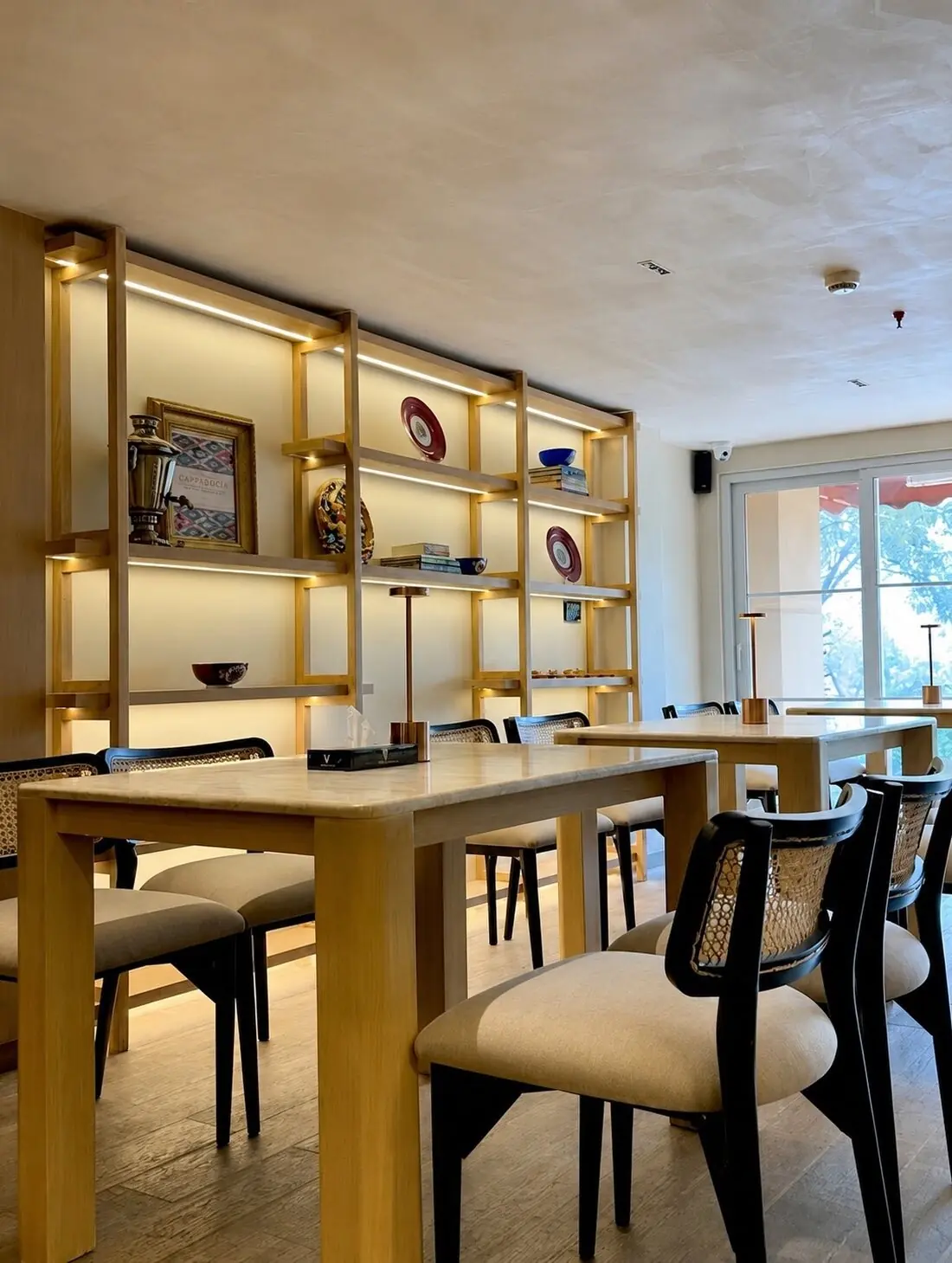
Samarkand can accommodate over 30 guests at a time and in the coming months, the rooftop will be able to seat an additional 50. Surprisingly, the interior of the restaurant did not reflect Uzbek culture save for a few terracotta wall hangings.
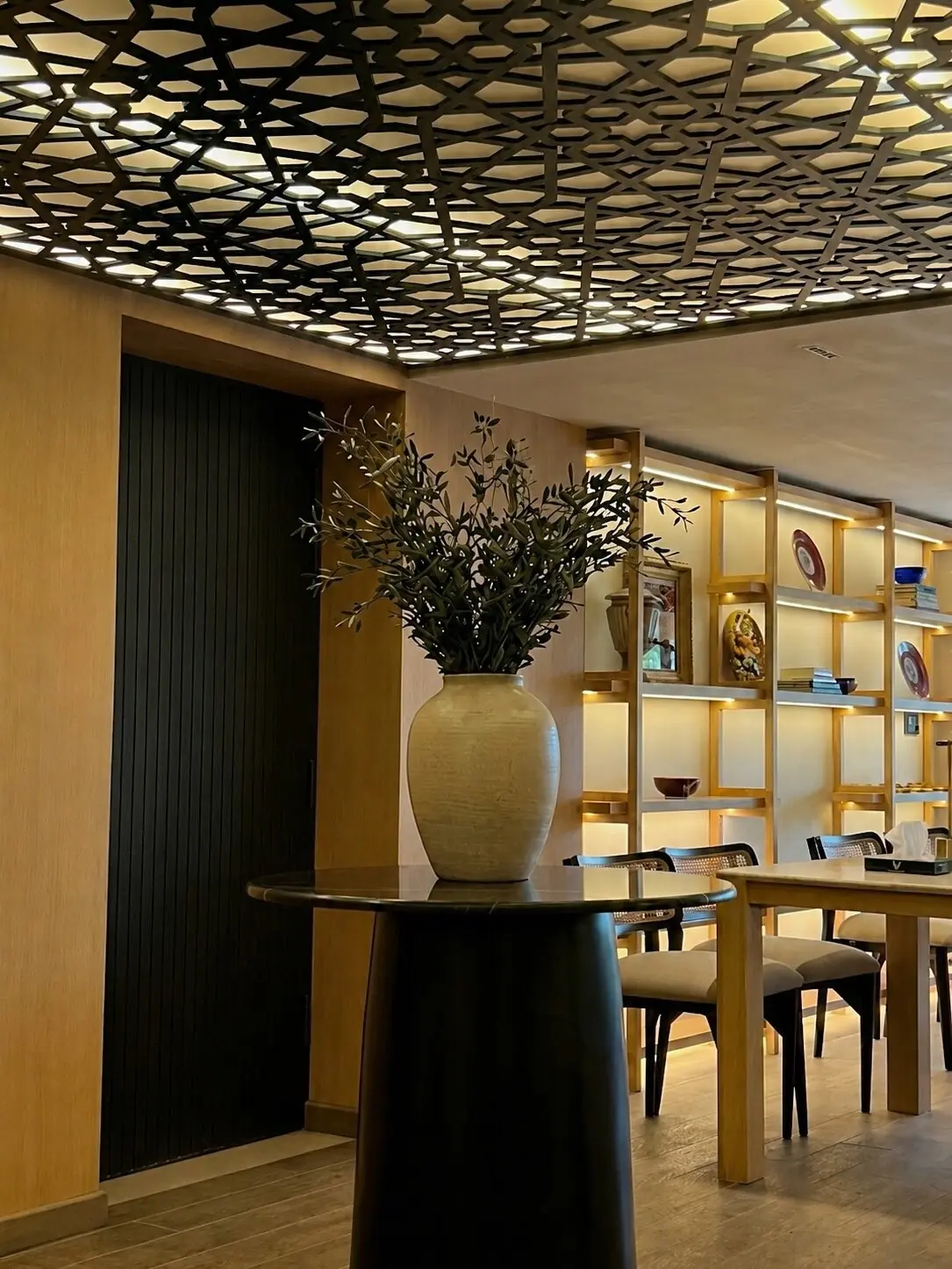
“I have only been to Uzbekistan once in my life. I wanted the place to look modern, not the typical red-carpet flooring, wood emblazoned walls and multi-coloured chandeliers with dim lights,” Ozgen said.
The menu at Samarkand is simple and limited. There are three starters — Sui Kash, Zangza and Samsu — and for mains two kinds of Plov, Samarkand Plov and Bukhara Plov, Laghman, of course, and the quintessential Suman and Mantu. Most of the main courses have options to choose between chicken, beef, mutton and even pumpkin and beetroot for vegetarians.
The Uzbek Kebab Kerhai is still in the teething stage, whereas the Chuchvara and Baqla Jon Qatiq are last on the list. For foodies with a sweet tooth, the news is not good as desserts are still a work in progress.
Ozgen oozes confidence on the success of the restaurant as it has hardly been a week and he has had three full houses already. “Foreigners who I have been catering to for the last five years are now enjoying their meals in the restaurant. Since opening, my customers have mostly been expats, including a large number from Central Asian countries, not just Uzbeks but Azerbaijanis, Russians and Tajiks. The takeaway business is also picking up since the place is in the city centre and surrounded by business hubs,” he said.
I opted for the mutton samsu as a starter and the zangza was served as an amuse-bouche. The samsu, shaped in a traditional triangle dough brushed with egg yolk, stuffed with morsels of mutton and a generous dose of diced onions, garnished with sesame seeds and baked till golden brown, was served fresh out of the oven. A hint of coarsely ground cumin also hit the palate on the very first bite. The dough was buttery and crusty on the outside whereas the meat was a bit bland but the herbs balanced it well.
There were six in a plate, accompanied by a red chutney dip. Samsu is best eaten hot as the taste changes as the bun lies on the plate for a while.
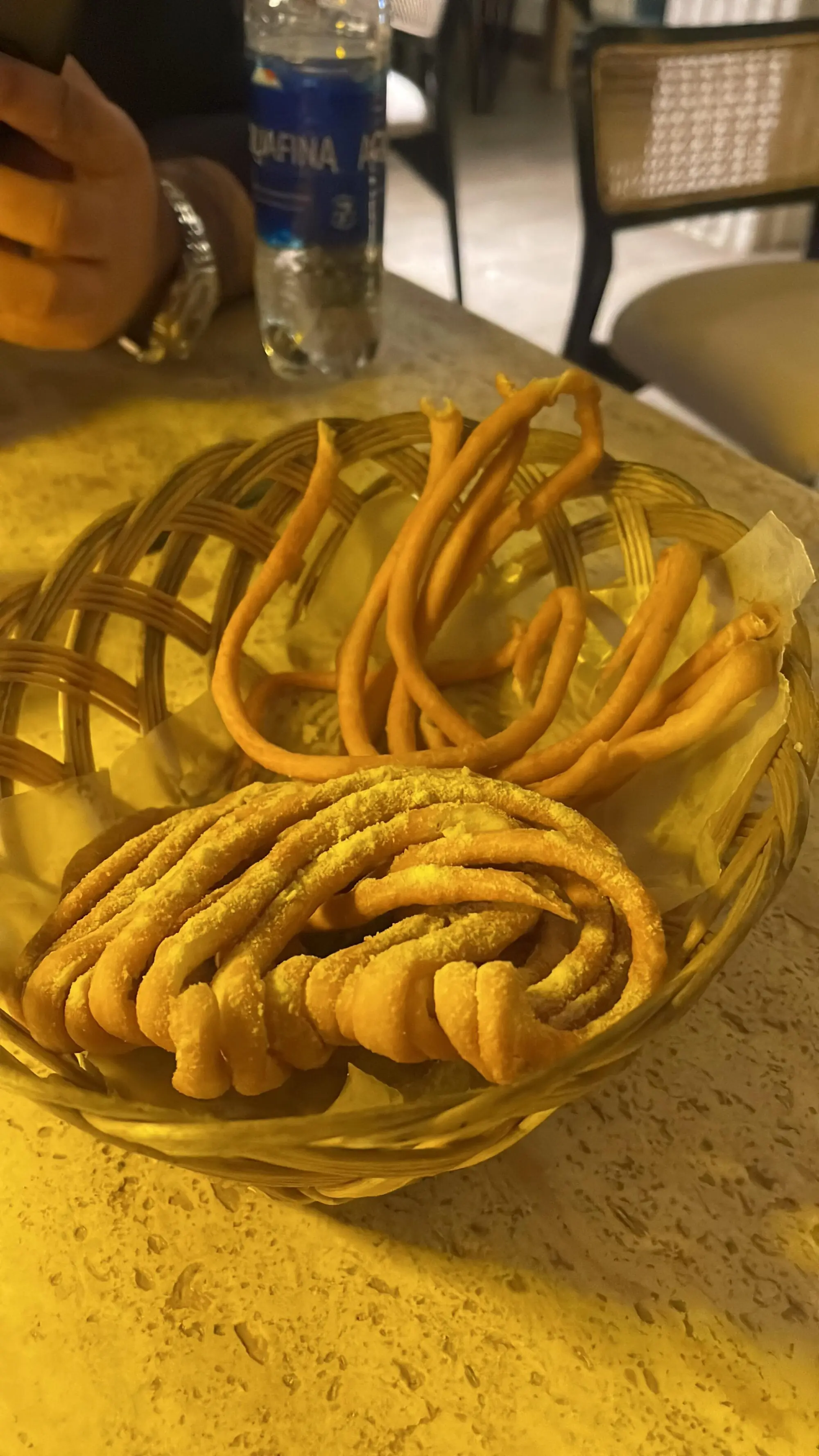
The zangza was a simple golden fried dough in the shape of a nest. It was extremely crunchy, with long salty logs intricately rolled before being fried. “Uzbeks usually serve zangza with a dip made from yoghurt or herbs. Many people just dip these dough wisps while having a hot cup of tea,” explained Ozgen as we competed for the sound of the crunch.
It was then time to dig into the main course. The first item to try was the Samarkand Plov, the flagship dish of the eatery, served in a beautiful blue patterned clay plate. The presentation alone was lip-smacking.
A beautifully layered rather than mixed bed of rice topped with julienne-cut yellow carrots, garbanzo beans, al dente raisins, translucent sautéed onions, herbs, steamed green chilies and, the feather in the dish’s cap, the shank of mutton sitting pretty right on the top of the heap. It seemed the work of a master craftsman.
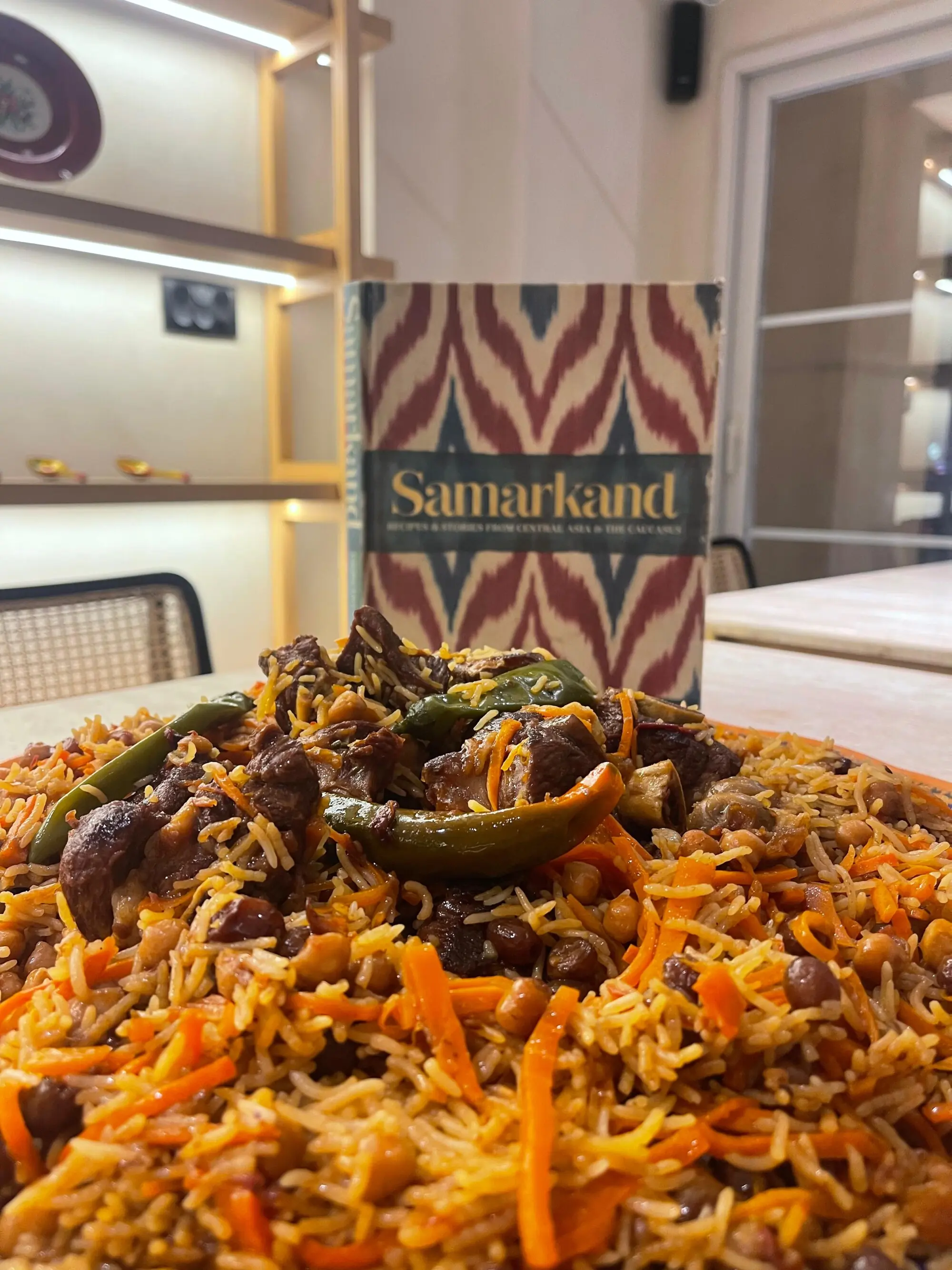
The golden-brown long grain rice accompanied by an assembly of condiments mixed with the melting mutton was the perfect recipe for a food coma. Every ingredient in that plate reflected its own individuality. The balance between salty and sweet, the residue of the meat juices and the complementary note of the mutton shank made the Samarkand Plov a must-have. The serving was good enough for two whereas the dish is served for one person.
The second recommended dish was Laghman. From a presentation point of view, the dish was a low scorer but when put to taste, Laghman provided an adrenaline rush of sustenance to the body. Hand-pulled chewy noodles came in a separate plate whereas the rich tomato-based meat and vegetable stir fry broth was served in a bowl.
The dish was a perfect marriage between a soup and a rich pasta with meat mixed in with onions, garlic, bell peppers, tomatoes and even potatoes with the smell of cumin, coriander and fresh herbs wafting in the air.
The server came in handy to assemble the plate for me, portioning the cooked noodles first and then pouring on the thick, savoury vegetable and meat stew on top. The noodles were velvety and springy, as if well oiled, tangling around the veggies.
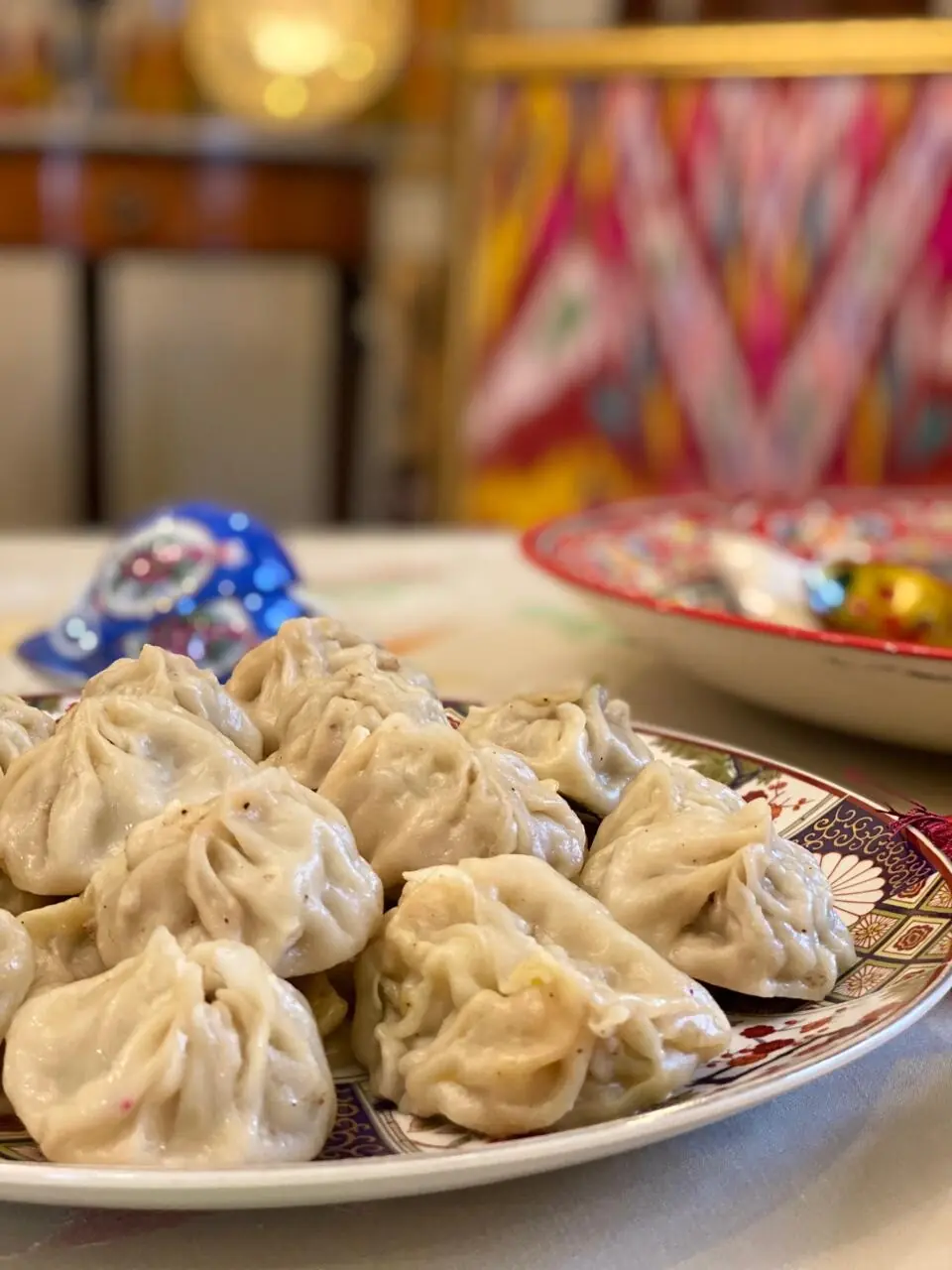
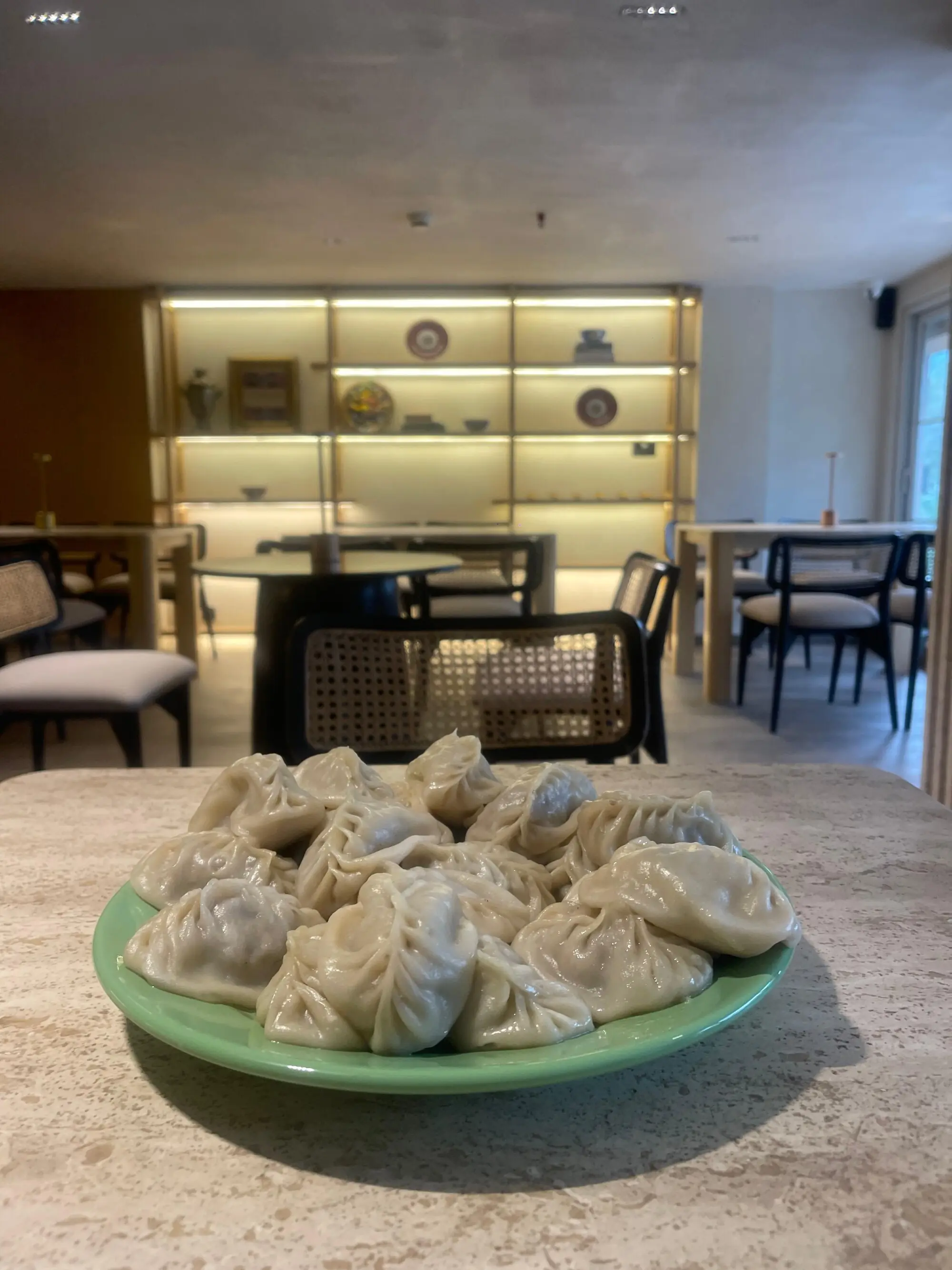
It was then time for the mantu — I saved the best for the last. Islamabad has this new craze for dumplings. They come with different names, shapes, tastes and sizes. Call them what you want — gyoza, mantu, momos, dim sum or simply dumplings — the choice still narrows down with two options, fried or steamed, irrespective of the filling.
Mine were steamed and piping hot, melting in my mouth in nanoseconds. Immediately after sinking my teeth into one, I reached for seconds. Succulent ground beef enclosed in a juicy, soft flour wrapper and steamed to perfection — it was simply a master stroke.
Although the mantu was supposed to be the finale of the evening, on Ozgen’s insistence I tried another dumpling dish called chuchvara, another form of dumplings but much richer in taste. The dumplings were swimming in bowl of yoghurt and, unlike the mantus, they were bite-sized. The chuchvara were neither steamed nor fried — they were boiled in rich aromatic broth, Ozgen explained with his eyes fixed on me to lock in my impression after the first bite.
The square-shaped dumplings with lamb filling looked like miniature envelopes with a dainty ear and paired well with the generous dollop of yoghurt.
Ozgen promises not only to increase the seating capacity of his restaurant but also the items on the menu as per the response, which he says has been very promising. However, to my mind, what he needs to remember is that Pakistanis’ tastebuds crave sweet treats and we can only call it a night once our sweet craving is fulfilled!
Comments