
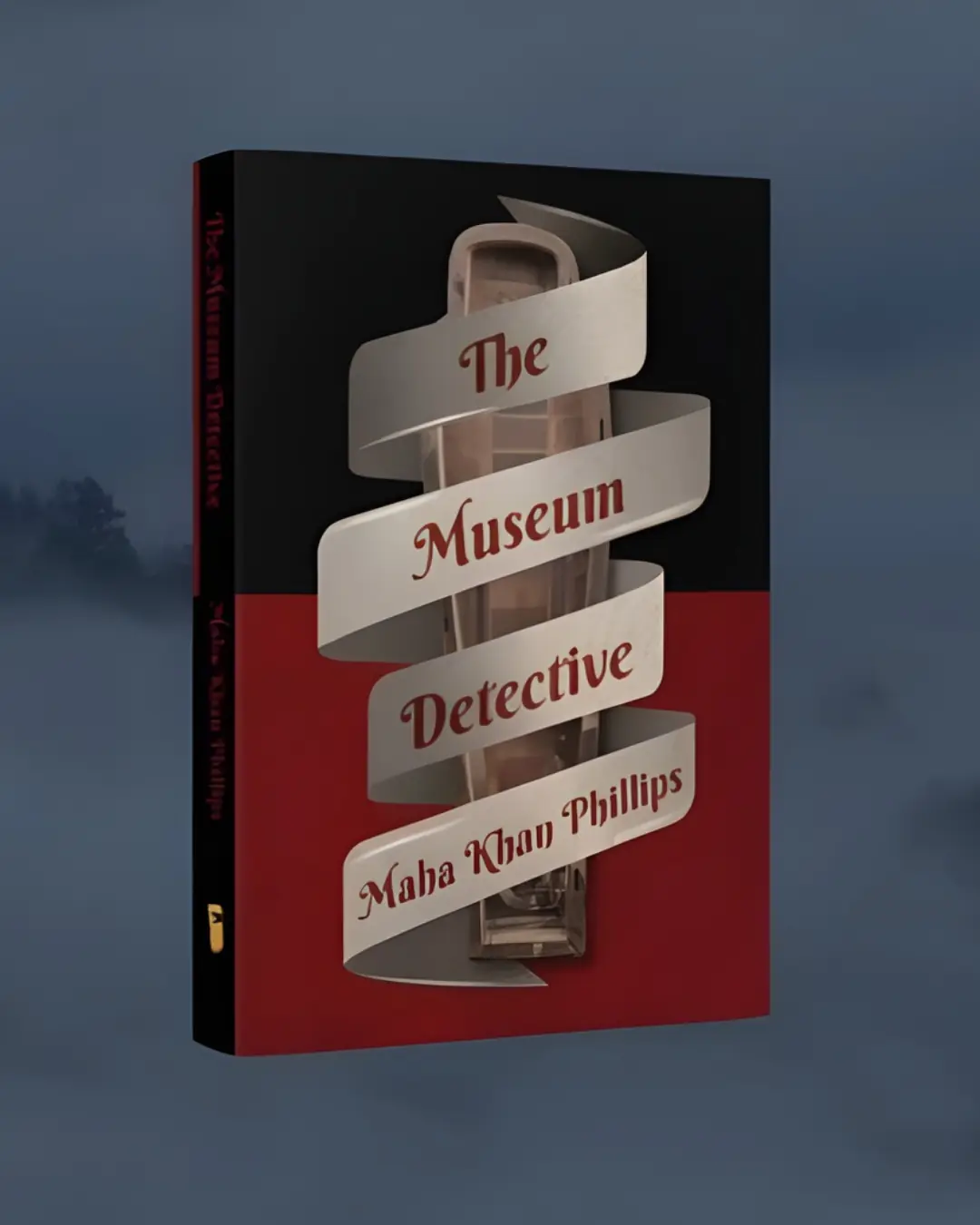
A mummy, a missing girl, and Karachi: Why Maha Khan Phillips’ The Museum Detective is such a gripping read
I really enjoyed Maha Khan Phillips’ earlier novel, The Curse of Mohenjodaro. With that book, the author demonstrated that, in spite of being an amateur when it comes to historical scholarship, she has a sound grasp on the atmosphere and flavour that collectively imbue good historical fiction with a sense of purpose and authenticity.
The great Agatha Christie (who, due to her being married to archaeologist Max Mallowan, was based in Iraq for decades) wrote only one historical mystery — Death Comes as the End. It is set in ancient Egypt, a period that still holds sway over the minds of many.
Phillips, whose writing denotes her as implicitly being a fan of Christie’s, sets her most recent novel, The Museum Detective, in modern-day Karachi; however, the main protagonist Gulfsa “Gul” Delani is a highly qualified archaeologist whose expertise leads to her being asked by the police to examine a mummy in an ornate sarcophagus that has been located not in Egypt but in Balochistan of all places!
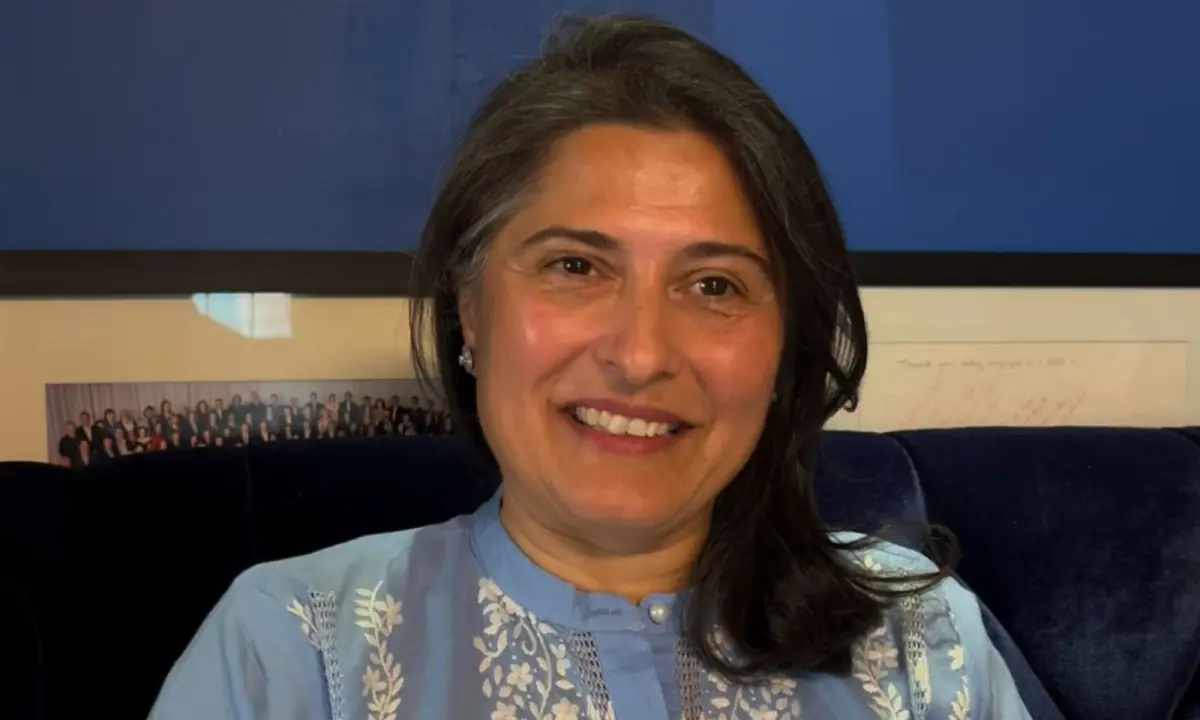
The novel is loosely based on a true case. About 25 years ago, the mummified body of a woman was located in the Balochistan region, and it was speculated that she might have originated from Persepolis (ancient Persia). The Iranian and Pakistani governments squabbled excitedly (and ultimately pointlessly) about which country this “major historical find” belonged to, until the mummy was proven to be a fake. Dr Asma Ibrahim, a notable Karachi museologist, had a major say in determining this.
Maha Khan Phillips’ fast-paced third novel is both historical fiction and a thrilling murder mystery. It cements her standing as a writer of great merit.
When DSP Akhtar of the Sindh Police has Dr Gul Delani examine the mummy, the expert is rather excited by the cuneiform script on the sarcophagus, as well as the rosettes and patterns on it, which all seem to indicate that the artefact might have originated in Persepolis. The Egyptians were not the only culture to have practised the art of mummification and, although professionally cautious, Gul’s thrill at being on the verge of a major historical discovery is understandable.
Phillips certainly did her homework insofar as researching mummies is concerned. She credits internationally renowned Egyptologist Dr Salima Ikram with having helped her understand aspects of archaeology that are fundamental to her novel. Ikram was a former colleague of mine (at the American University in Cairo), for whom I not only have a high level of genuine respect, but with whom I share both a Pakistani background as well as an undergraduate alma mater, Bryn Mawr College. In fact, the character of Gul herself appears to be, at least partially, based on Salima.
While no one questions Gul Delani’s expertise or her passion for her field, it is evident that she can be a bit of a “wild card”, especially since she rebelled against the strictures of her rich Memon family in order to develop an internationally sound name in the field of archaeology.
Museologist Dr Asma Ibrahim with the sarcophagus allegedly found in Balochistan in 2000, an incident that inspired the novel | Dr Asma Ibrahim
Her staid and prosaic brother, Bilal, is a hugely successful financier as well as Gul’s diametric opposite, both in terms of aspirations and ambitions as well as character and morality. However, we are told that Gul adored his daughter, Mahnaz, who disappeared in her mid-teens. To date, Mahnaz has not been found. Gul’s ongoing attempts to locate her niece create an investigation that runs parallel to her quest to determine the precise provenance of the recently discovered mummy.
Everyone, ranging from the media to the police, gets rather excited about the fact that the mummy might have been a relative of King Xerxes of the Achaemenid empire (ie of ancient Persia), more specifically his daughter Artunis. Early on in the novel, virtually every reader will keep his or her fingers crossed while hoping that Gul can prove that the mummy is a genuine Achaemenid artefact. It would be criminal for me to divulge in this review whether the mummy really is genuine or not. But Phillips’ main agenda isn’t primarily that of creating a novel based on an academic geopolitical sensation.
The quest for the whereabouts of Mahnaz is as central to Gul’s life as ascertaining the true background of Princess Artunis. Once again, I will obviously not reveal what happened to Mahnaz, but I will pay the author the sincere compliment of noting that the manner in which Artunis’ tale and Gul’s niece’s respective story dovetail is brilliantly accomplished. Phillips’s command over character development is as skilful as her graceful ability to plot and pace her writing.
Gul’s main emotional support comes not from her family, but from a Goan Christian secretary, Manora Fernandes, whom she met while establishing herself in Karachi. Aside from making excellent food, such as Goan prawn curry, the outwardly crusty (though inwardly loving) Fernandes ensures that Gul consistently receives not only snacks and sympathy from her but also sound and sensible advice.
An intensely dedicated academic, Gul battles the nepotistic and patriarchal constraints of the Heritage and History Museum where she works, to discover Artunis’ true story. Not only does Gul contact her UK-based former colleague Harry Gilbert for help, but she also visits a gentleman in Karachi’s Parsi Colony, who can help her regarding some of the more obscure historical references that have been made from time to time, underscoring why Artunis may have been forced to flee from Xerxes’ court.
Even though the book is a fast read, Phillips should be given considerable credit for attending meticulously to every major detail of her plot; there are absolutely no loose ends left by the time the novel concludes. Even minor characters, regardless of whether they are underprivileged students at a local shelter, thugs who are working for a nefarious criminal named Saaya (who appears to be interested in the money Artunis can bring on the black market), or Mahnaz’s former childhood friend, the disloyal Amal Hashwani, are depicted as carefully as major ones.
The true identity of the shadowy Saaya remains a mystery until close to the end of the novel, and although some readers might guess it correctly before the revelation, that does not detract an iota from the denouement of this thrilling and well-written book.
Although Phillips’s acknowledgements section underscores her position as an elite member of Pakistani society, beyond the veneer, her work possesses real value. When it comes to writing, she herself is “the real thing” and so it doesn’t matter much whether her mummy ultimately is or isn’t.
Originally published in Dawn, Books & Authors, January 18th, 2026




Comments