
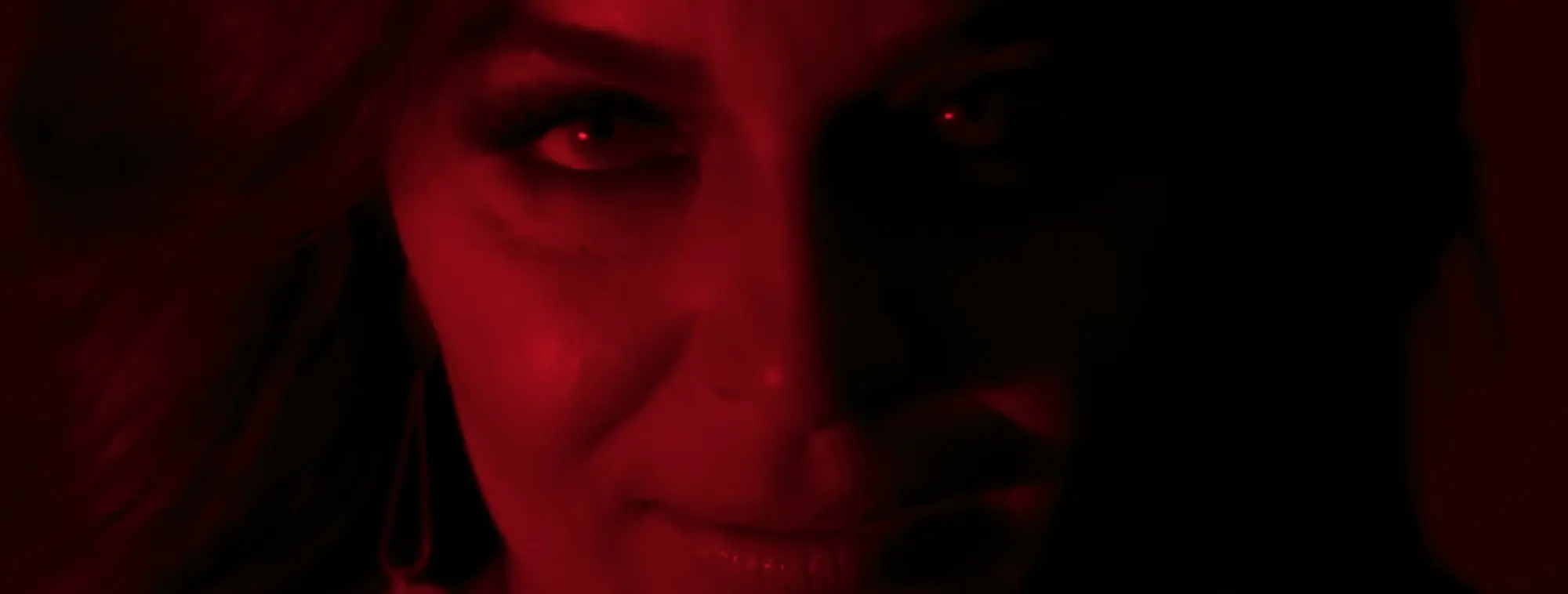
Review: After promising to shed light on mental health, Psycho does the opposite
Psycho, the newly released film starring Shaan Shahid and Meera, is confused about the genre it is trying to adopt. There’s nothing wrong in defying the boundaries of genre; if done well, it can truly set the mould for a new kind of film the Pakistani film industry would have benefited from.
However, Psycho doesn’t fully lean into any genre or theme at all. The film hovers on the edges of psychological thriller, horror and comedy, but ends up using the most cliche elements of all to create a collection of scenes that are structured without a storyline.
Let’s talk about the elements of horror in the film. We see a woman dancing in a short, gold sequinned dress; a scene that is supposed to alert the viewers that she is not mentally well. There’s blood-soaked faces and bodies and many fight scenes. We get many murders and hangings. A huge array of crime happens. None of that, unfortunately, makes it horror.
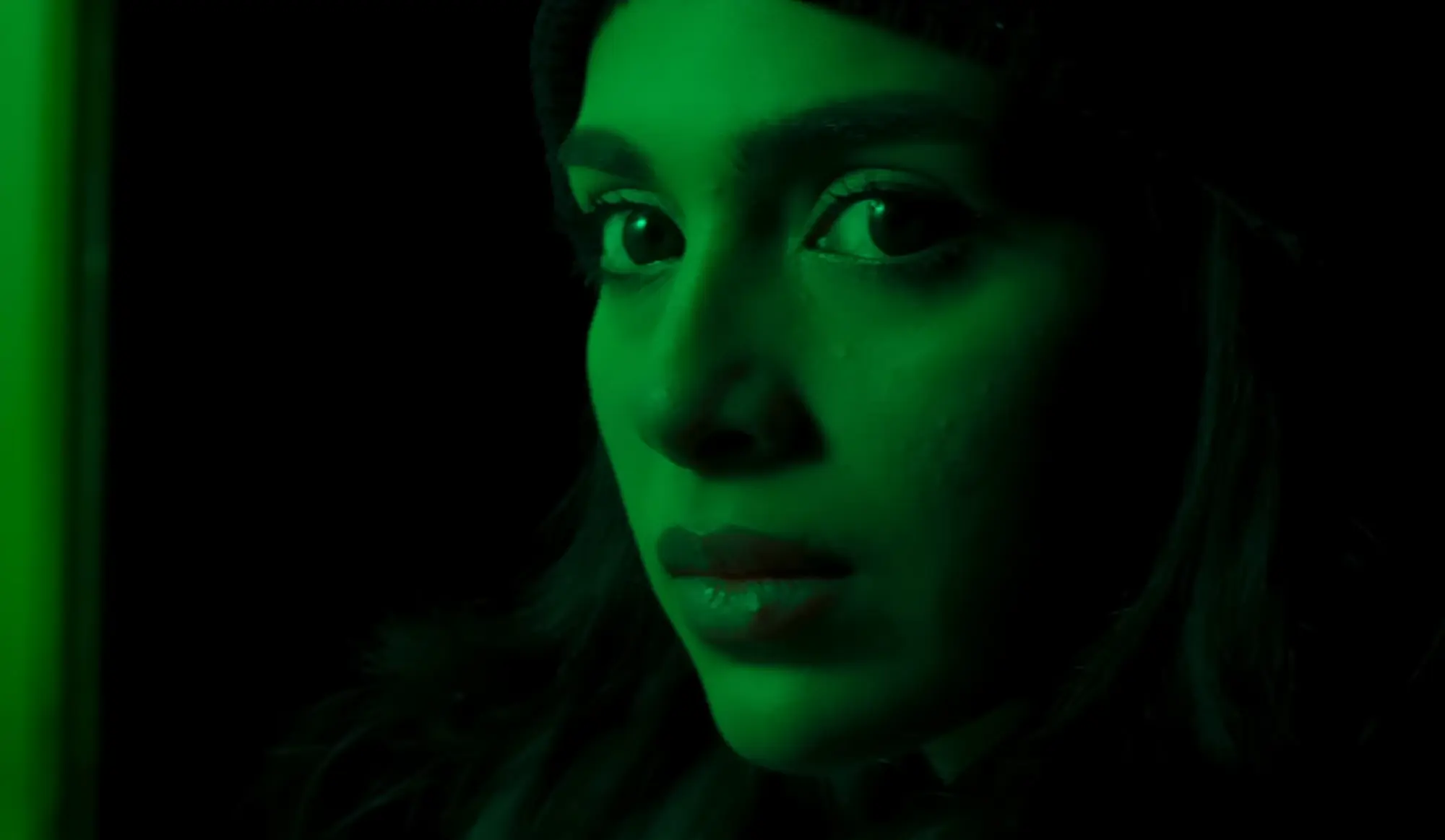
The primary facet of horror is the shock factor. If done right, horror should make you want to turn away but it should be so captivating that you simply cannot look away. The gore in this film makes you want to look away but you do not care enough to want to keep watching. That’s why the film feels so drawn out.
Horror needs an element of mundanity. If we cannot relate to the characters in some shape or form, it is hard to be scared of — or for — them. In Psycho, the characters are not fleshed out. You cannot find yourself worrying about two-dimensional characters, but that’s all we get here.
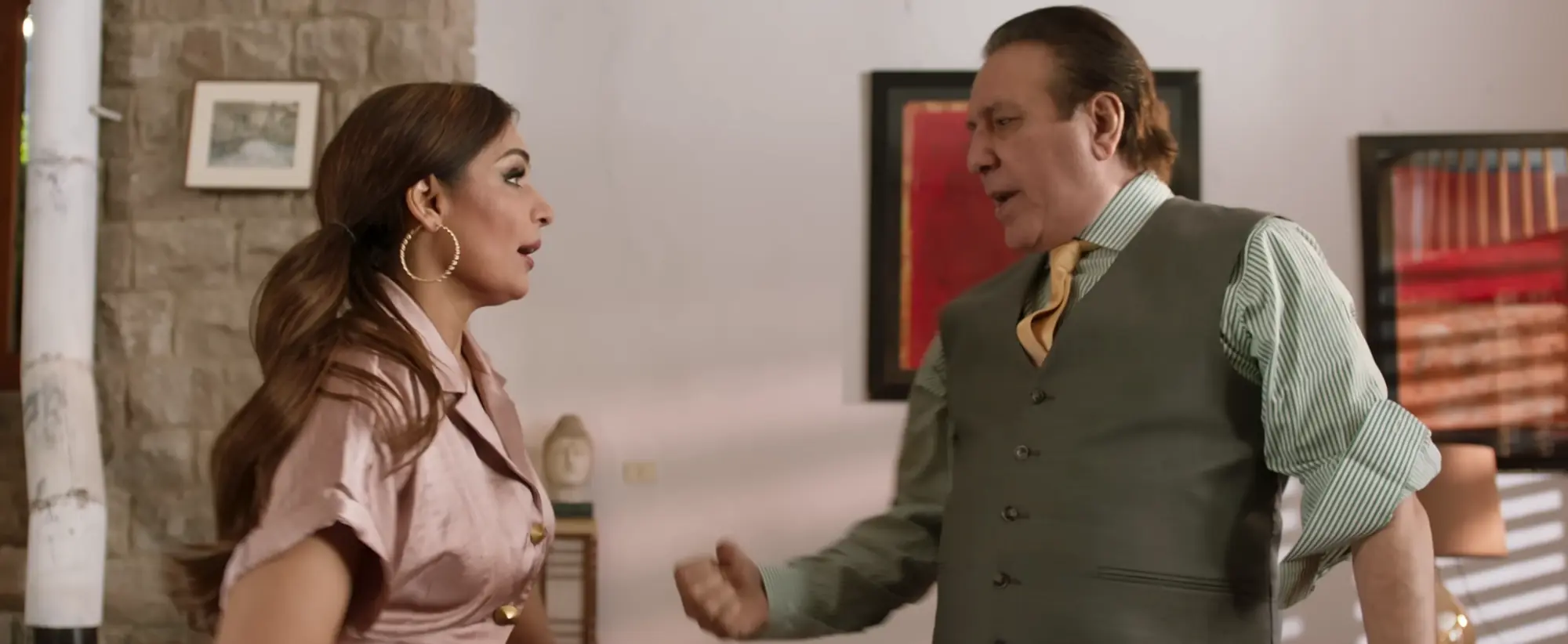
The film centres around two romantic couples, both of whom have large age gaps, which makes you question the casting choices. We have Javed Sheikh (71) paired with Meera (49), and Shaan Shahid (55) paired with Sonya Hussyn (29). I was hoping the age differences would be used to drive a point home about age-gap love stories, instead, the film tries hard to pretend that the couples are in similar age groups. At a time when misogyny and ageism are rampant in our society and women are considered too old past their 30s, it was frustrating to see these pairings, no matter how refreshing it was to see someone in his 70s dance and sing in love.
It was different enough from the usual stereotypes of romance being reserved for people in their 20s or 30s. However, it was hard not to notice the age gap between Sheikh and Meera in those scenes specifically.
Overall, in terms of romantic scenes, the film tries to normalise physical affection in married couples, which was a good step forward. But when things go wrong, the same couples turn to violence against each other.
The basic premise of the film, from what I could decipher — even though the premise and the plot seem to be hidden far beyond what the naked eye could see — is about a mentally-ill woman, perhaps even psychotic. But we don’t get any background or context for why she acts that way. All the cliches of a ‘mad’ person get translated through Meera’s character.
The promotions for the film have widely discussed mental health as a key theme that the film explores. So, going into the theatre, I was hoping to see some conversation-sparking characters and themes that could advance mental health care in the country. However, it was disappointing to see that the mentally ill character was just a caricature. She didn’t get a background story and there was no context for why she acted that way.

For a film that promised to shed light on mental health, it did the opposite. The story, if there was one, just reinforced the idea that mentally ill people are dangerous and need to be ‘eradicated’ from society. After the film ended, I was left wondering: why couldn’t the mentally ill woman get a redemption arc similar to the one every man in the film somehow seemed to get? Even the big bad is killed in a dramatic scene that might make you feel bad for him.
If the caricature of a psychotic person wasn’t enough, the film also employs jokes in poor taste, introducing a character who is called “gay” for acting feminine and openly called a “khusra” as a joke. The transphobic slur is used to instil comedic undertones, or at least that’s what the intention seems to be.
In the opening scene of the film, a rape trial is used to introduce the two lawyers. Sara, played by Hussyn, is fighting for the rape victim, and Salman, played by Shahid, is defending the accused. Other than the court scene being unrealistically dramatic, all seems normal until we find out that the two lawyers are in a long-term romantic relationship.
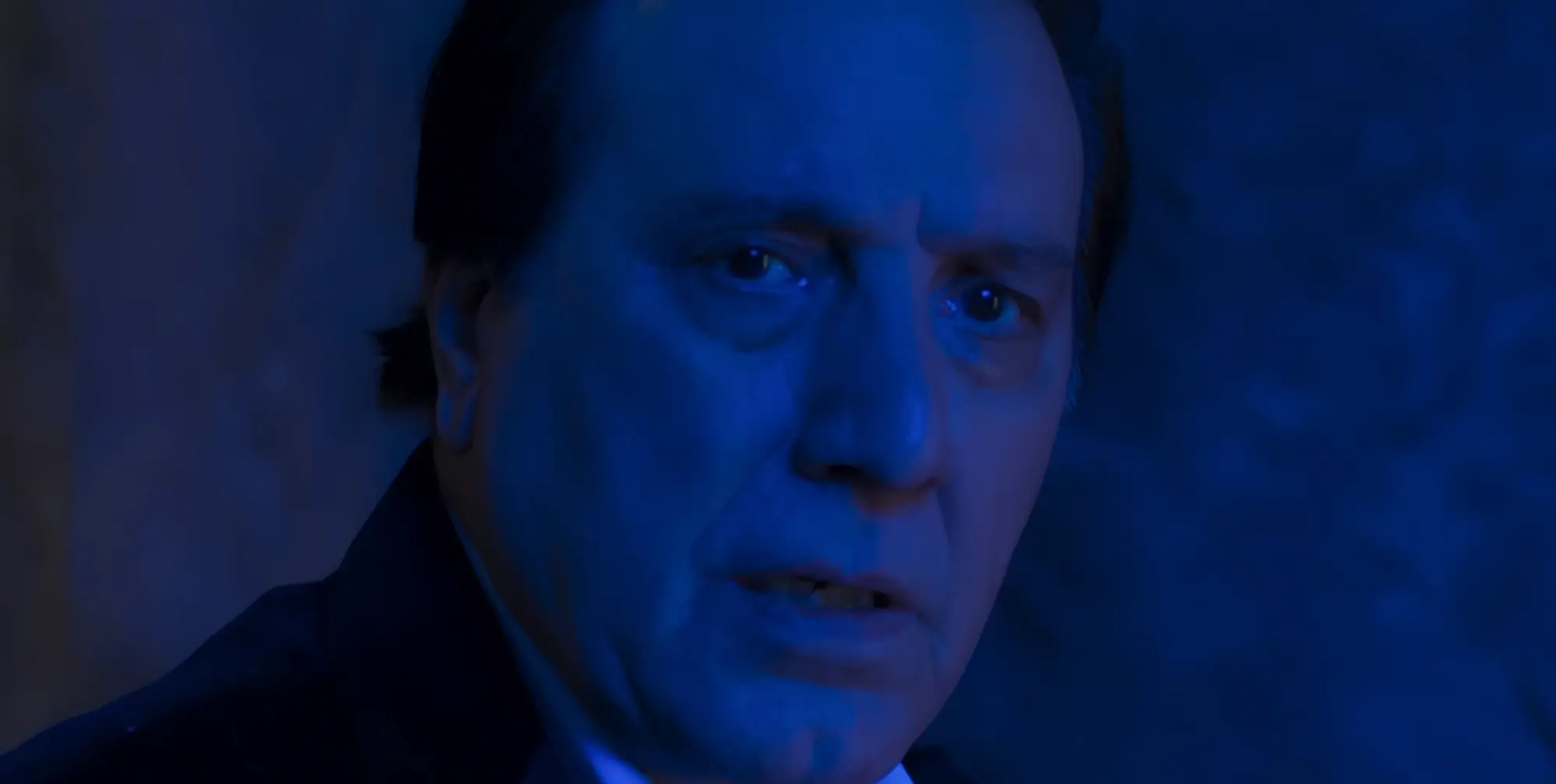
That reveal highlighted the film creators’ ignorance towards the sensitivity of rape trials. Using a rape trial to establish how ‘cool’ the defendant’s lawyer is was something I did not expect to see in 2026. Our drama industry has seen huge advances in terms of sensitivity towards such issues in recent times, but it seems like our films are still stuck in the pre-woke era where rape was just a plot device, not a life-altering incident for the victim.
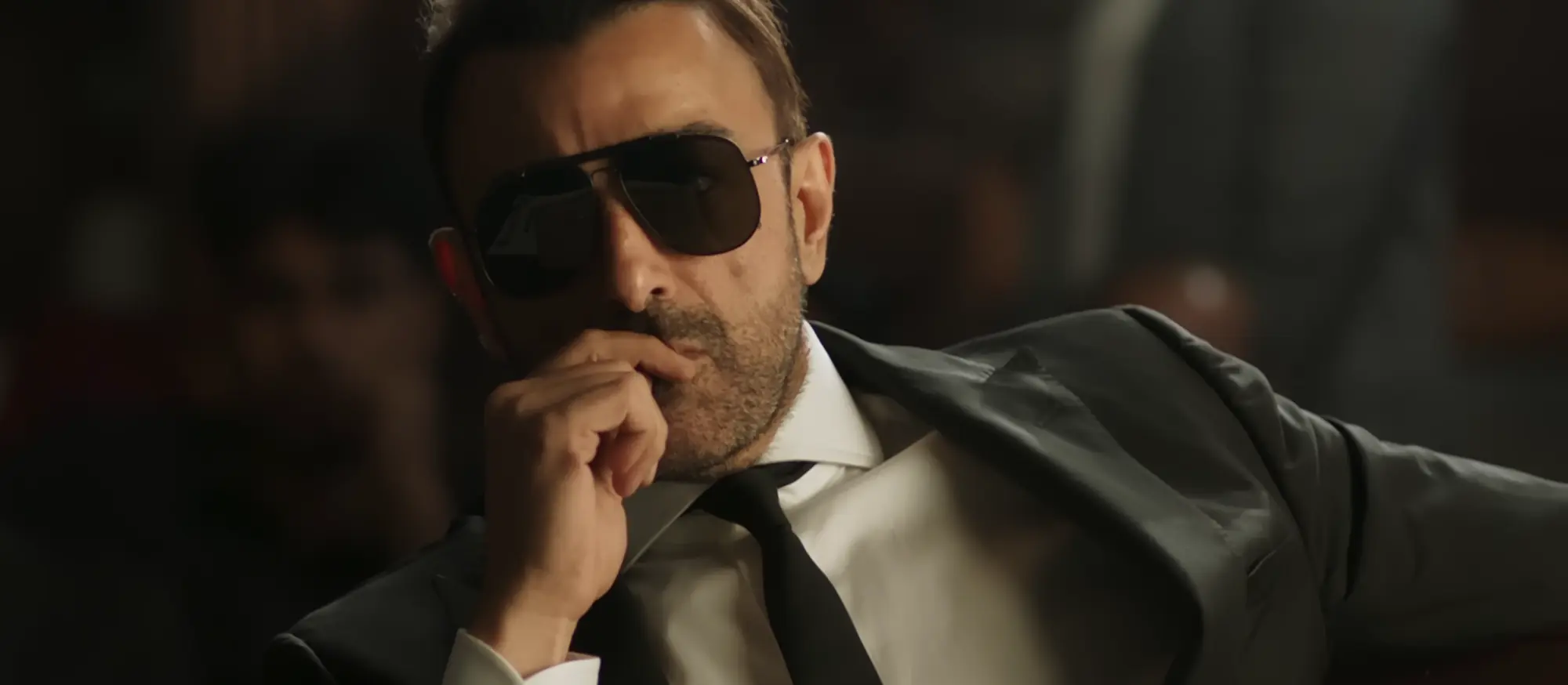
In the absence of plot and character-building, the viewer would hope to see at least some good dialogue, which we were also deprived of throughout the film. We see some good acting from the big names here but their acting skills are not enough to make up for the lack of storytelling.
There was so much potential to create a film that could spark real conversations on mental health, especially in our society where we clearly lack awareness regarding mental illness, but the creators chose to depict the same stereotypes that typify mentally ill people as insane and dangerous.
Comments