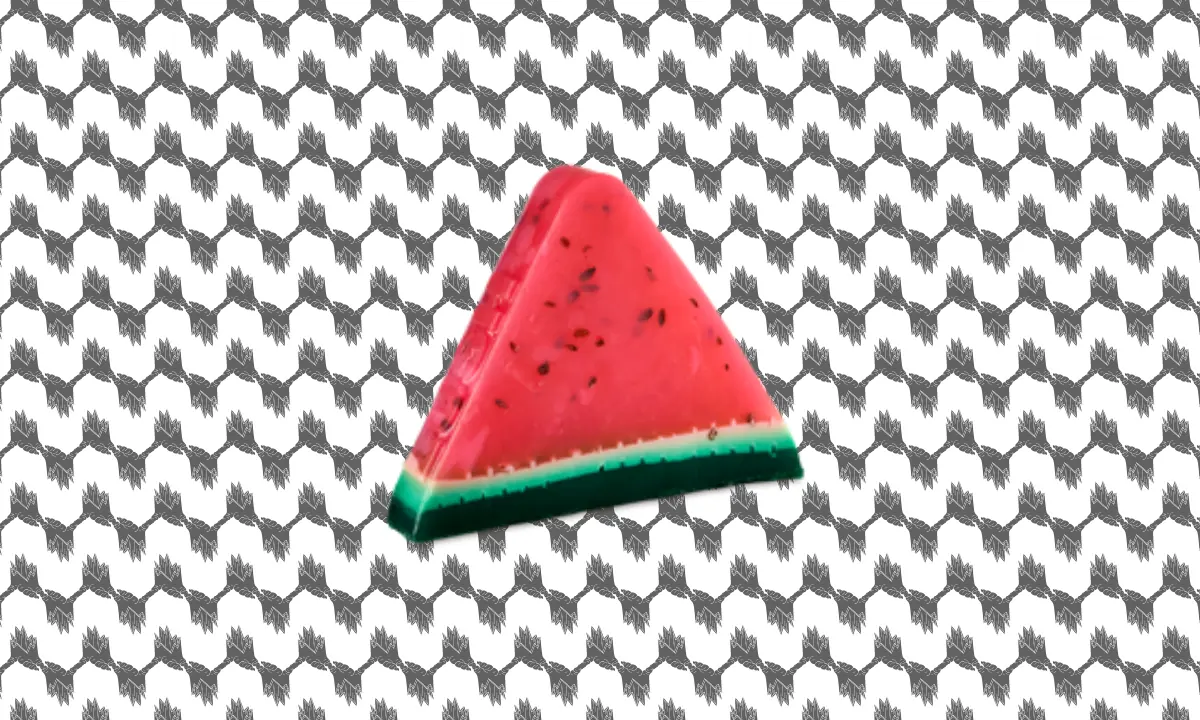
Lush cosmestics brings back its watermelon soap to support Gazan amputees
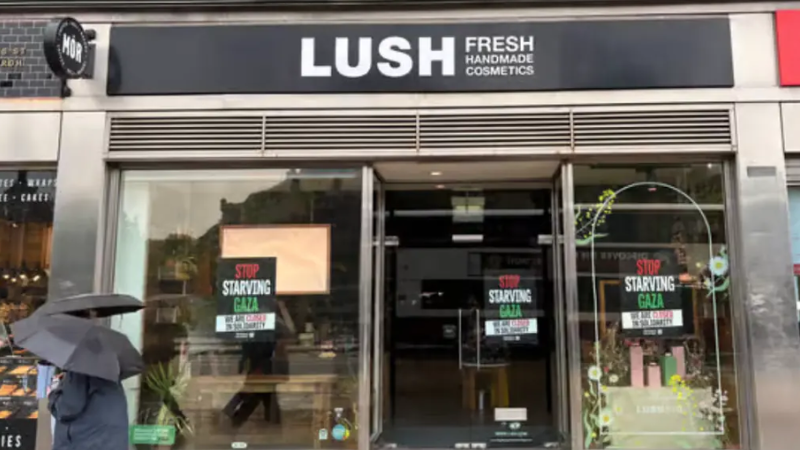
Lush cosmetics isn’t new to social action — they’ve been vocal against a number of causes over the last 30 years, including animal cruelty and police surveillance, earning equal parts praise and scorn. They’ve also made their position known on the occupation of Palestine, even going so far as to shutter their UK stores in protest of Israel’s actions in Gaza in September.
That’s why it wasn’t surprising to see the brand reviving its Watermelon soap — a limited edition bar of soap to raise money for Palestinian causes — with 75 per cent of proceeds going to support amputees in Gaza.
The soap was first launched in July 2024 with a mission of supporting children’s mental health in the war-torn region and has since been brought back for a second run. The bar is available for purchase at Lush stores around the world and on their web stores. It is vegan friendly and comes without plastic wrapping to reduce waste.
It is part of a series of ‘giving products’ that support different causes. Other examples include the Damas del Sol bubble bar, which supports human rights lawyers in Mexico; the Crackle bath bomb, which funds cancer treatment for children, and the Flame Fighters soap, which helps volunteer firefighters in Bolivia, Brazil and Peru.
Much like every other pure-hearted — and necessary — measure to help people in Gaza, Watermelon has scrubbed some people the wrong way, with some users on X calling for a boycott of the brand.
The US chapter of the global zionist movement Betar also joined in to say Lush’s products ought to be boycotted.
People in the comments were not having it though, and asked how supporting medical care for amputees in a war zone can ever be wrong.
According to Unicef estimates from January, Gaza had the highest number of child amputees per capita anywhere in the world. Between 3,105 and 4,050 amputations had been performed on children in Gaza between October 7, 2023 and January 22, 2025, as per the agency, largely because of injuries sustained from Israeli military action.
The actual figure is most likely higher, as the war dragged on for a few more months before a ceasefire was signed on October 9, leaving at least 69,000 Palestinians dead in its wake. Despite the agreement, Israel continues offensive strikes in the region, killing 21 people in airstrikes as recently as Saturday.