

From Jerusalem in 1936 to Gaza in 2024: Three films about Palestine heading to the Oscars
It’s officially Oscar season, or at least, the part where everyone starts making submissions and predictions. While the official nominees won’t be announced until January 22, national film boards around the world have submitted their contenders. Among them are three films centred on Palestinian history and experience, submitted by Palestine, Jordan and Tunisia.
They’re all doing something a little different: one looks back to Jerusalem in 1936, one keeps its focus tight within a single family, and one arrives directly from the grief of Gaza today. But together, they’re part of a wave of filmmakers insisting that Palestinian stories deserve to be told in full, not flattened into headlines.
Here’s a closer look.
Palestine 36 (Palestine)

Bethlehem-born director Annemarie Jacir has long been regarded as one of the most significant cinematic voices to emerge from Palestine, and her official entry this year, Palestine 36, marks her most ambitious work yet.
Known for films like Salt of this Sea (2008), When I Saw You (2012) and Wajib (2017), Jacir shifts her gaze into the past, specifically Jerusalem in 1936. Set in 1936, it delves into the territory’s developing unrest as Jewish immigrants flee European antisemitism to settle in the region while the Palestinian population unites in the largest and longest uprising against Britain’s 30-year rule.
Instead of building this story around political leaders or historical legends, Jacir focuses on ordinary people who are simply trying to live, love and sustain their communities under a tightening mandate.
The cast features Arab heavyweights Hiam Abbass and Saleh Bakri, and notably, Jeremy Irons as a British officer. Filmed entirely in the Middle East, Palestine 36 is both visually expansive and emotionally grounded, offering representation of a time period rarely depicted on screen, and certainly not from within Palestinian imagination itself.
All That’s Left of You (Jordan)

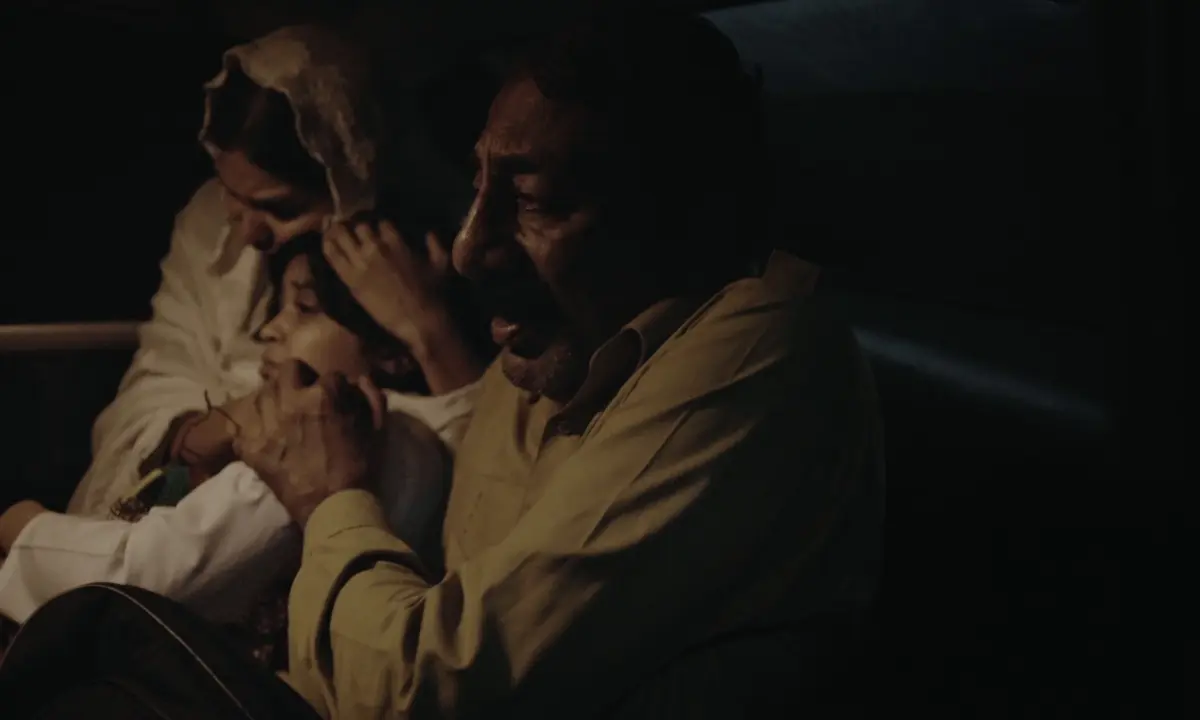
Jordan’s official submission this year is All That’s Left of You, by Palestinian-American actor, writer and director Cherien Dabis. Where Palestine 36 zooms out to chart a nation’s beginnings, Dabis zooms in, telling a story that unfolds inside one family across three generations.
Dabis herself plays the mother, piecing together the fate of her son through memories of his grandfather, making grief intergenerational, intimate and cyclical. The film suggests that the Palestinian story is never a straight line — it is inherited in fragments, gestures, and quiet narrations passed down at kitchen tables or through unspoken understanding.
Javier Bardem and Mark Ruffalo serve as the film’s executive producers.
The Voice of Hind Rajab (Tunisia)

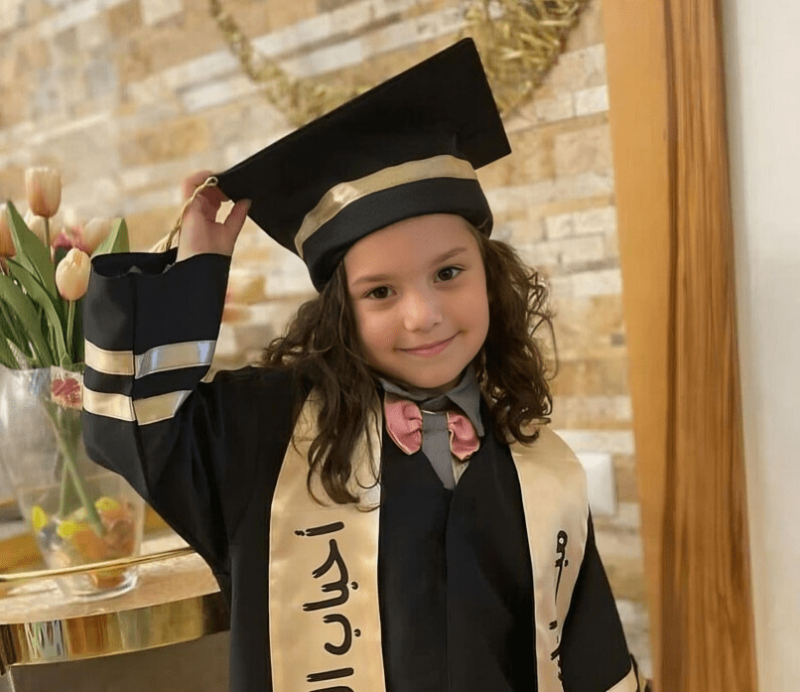
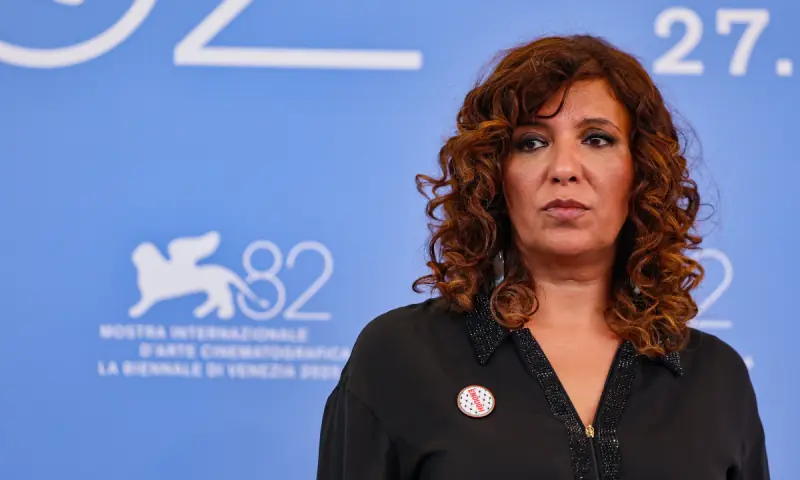
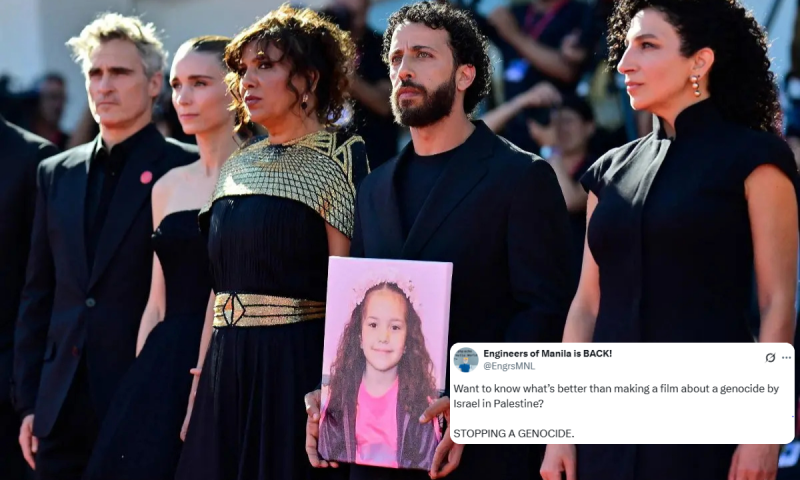
Tunisia’s entry, The Voice of Hind Rajab, arrives with the urgency of a wound still fresh. Directed by Kaouther Ben Hania, who already has two Oscar nominations (The Man Who Sold His Skin and Four Daughters), the docudrama is based on the final moments of five-year-old Hind Rajab, who was killed in Gaza last year while trying to flee with her family.
The film uses the real audio recordings of Hind’s desperate phone calls to the Red Crescent rescue team, recreated on screen through actors portraying the emergency workers who tried to reach her as Israeli tanks closed in.
The Voice of Hind Rajab received strong reviews, with critics citing its emotionally devastating audio recordings, although some pointed to a moral grey area in their use.
The director has said the dramatisation is “very close to what they experienced”. She told AFP that, after hearing about Hind’s death in January last year, she felt “a lot of anger, a lot of despair, but also a sense of ‘What can I do?’” Regardless, “I didn’t make this film to keep people comfortable in their seats,” Hania said.
It premiered to 23 straight minutes of applause at Venice, not because it was easy to watch, but because it refused to let audiences look away.





Comments