
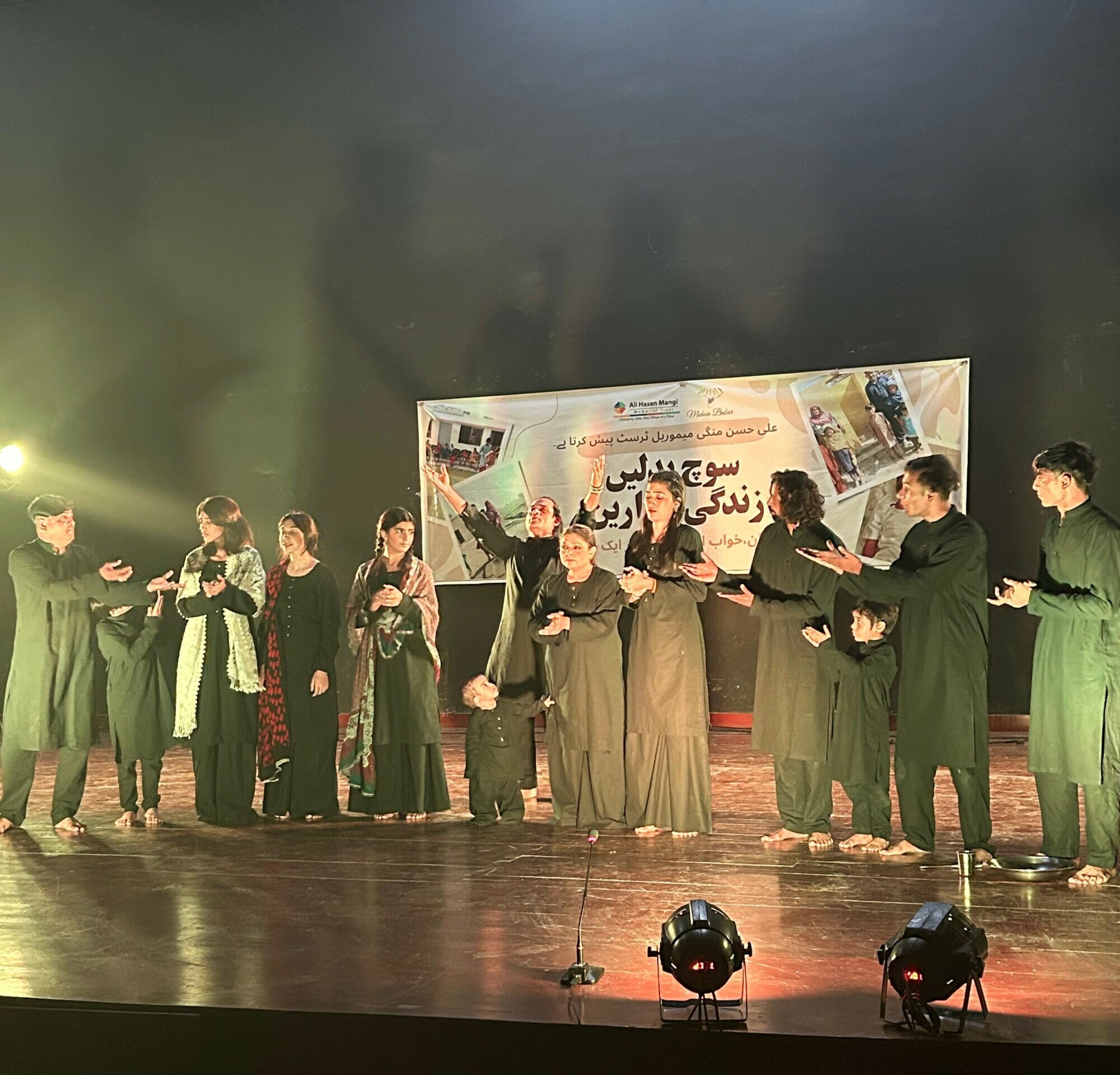
Soch Badlen — a theatre production that takes on family planning taboos
In a country where access to contraceptives is limited and public health budgets are stretched thin, a theatre production is doing what policies alone often can’t: starting honest conversations about family planning.
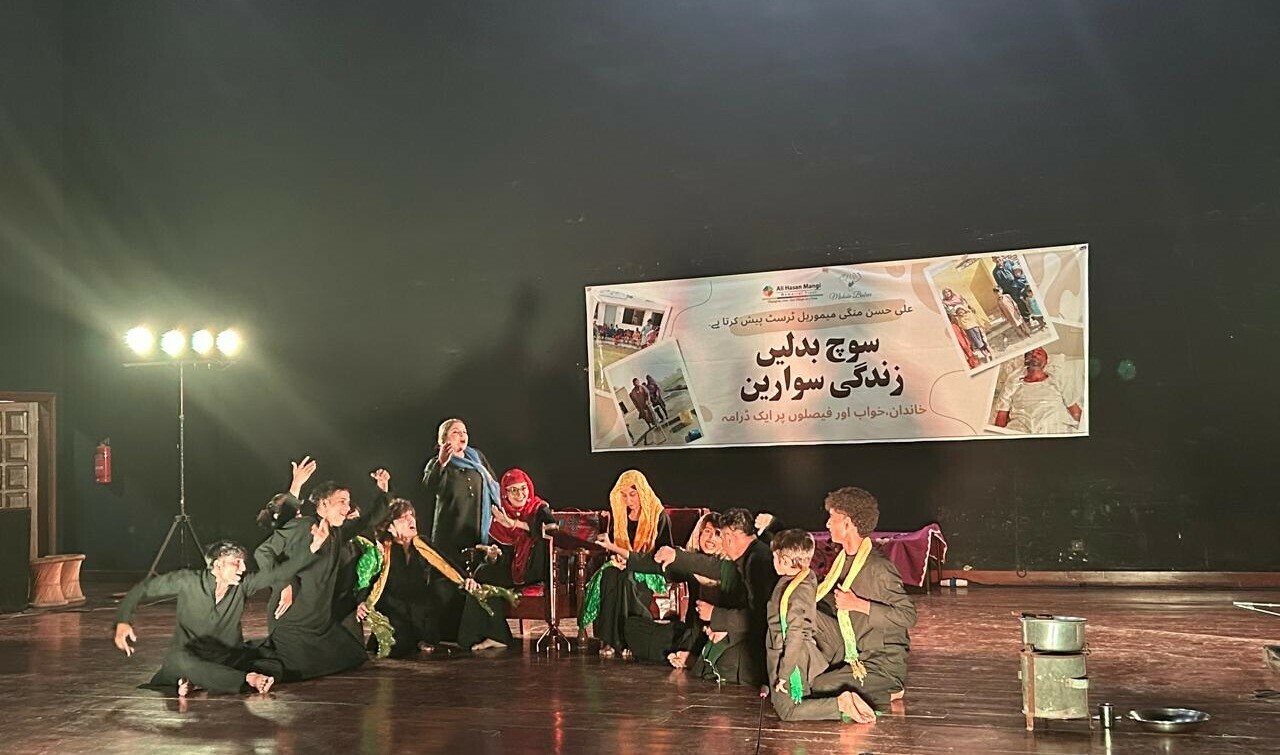
On Wednesday evening, theatre director Mohsin Babar staged a 45-minute play titled Soch Badlen, Zindagi Sawaren with a group of 15 actors and musicians at the Liaquat Memorial Library Auditorium in Karachi. The play juxtaposed two families; one struggling to make ends meet with multiple children, the other more stable with just two, and used their stories to explore how family planning choices shape futures, dreams, and daily realities.
Backed by the Ali Hasan Mangi Memorial Trust, the play opens with an overburdened mother juggling a house full of children, each one loud, hungry, and demanding her attention, while trying to make do with barely enough to get through the day. Hovering in the background is her mother-in-law, the cherry on top, who insists that “children are a blessing” every time the mother shows signs of exhaustion.
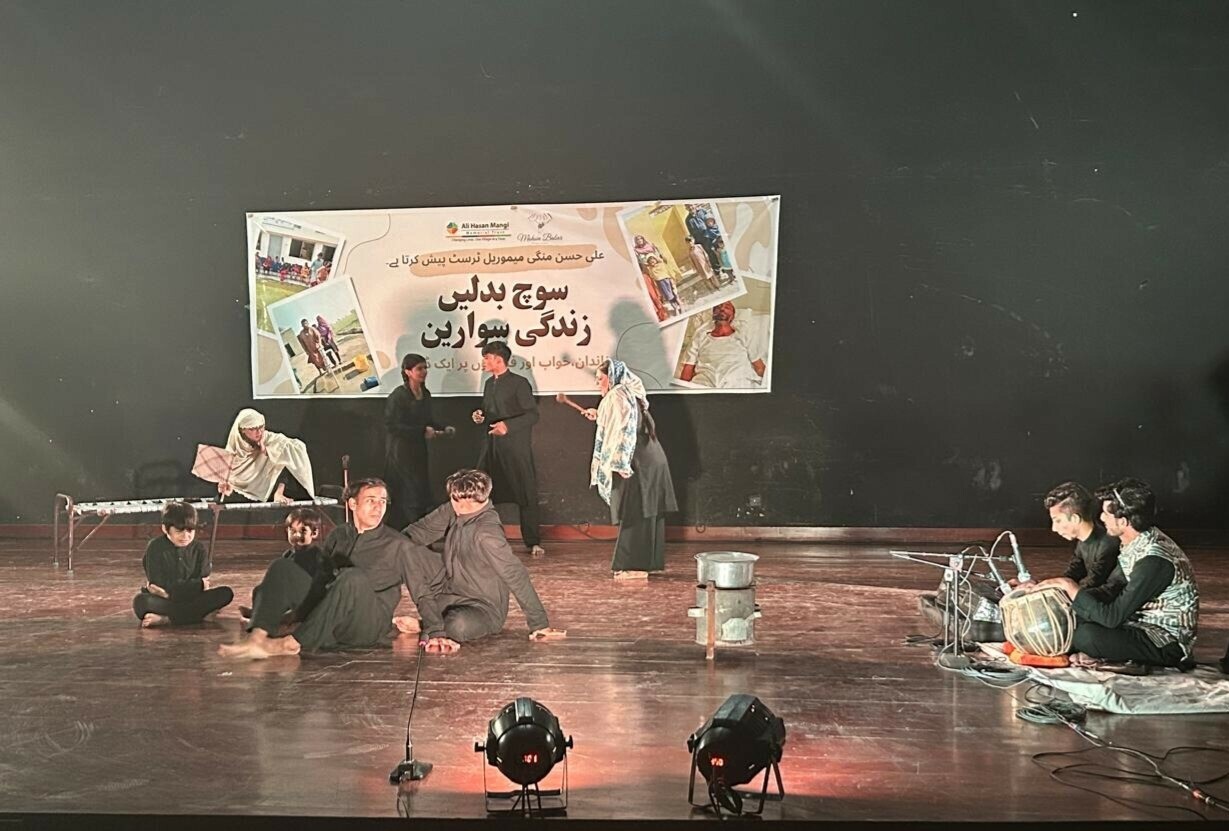
Cut to the next scene, and the contrast is striking: a small family of four going about their morning with ease. The parents are engaged with their two children, who are cheerful, well-fed, and preparing for school. There’s laughter, stability, and space, both emotional and financial, to breathe.
The play drives home a simple message — when families have more children than they can afford, everyone pays the price.
“The idea [of the play] was to make family planning more readily available, accessible, and to ensure that it actually happens,” Naween Mangi, founder of the Ali Hasan Mangi Memorial Trust, told Images. She said the Trust had been working on family health for over a decade in several districts of Sindh, including Larkana, Qambar-Shahdadkot and Dadu, focusing on family planning since early 2021.
“We were seeing family sizes reaching seven to eight people just for the nuclear family,” Mangi said. “And every problem we were looking at — education, health, women’s rights, poverty — everything was compounded because of the large family sizes.” She added that despite family planning being a relatively taboo subject, the people she worked with were receptive to her efforts, largely due to the trust built over years of engagement.
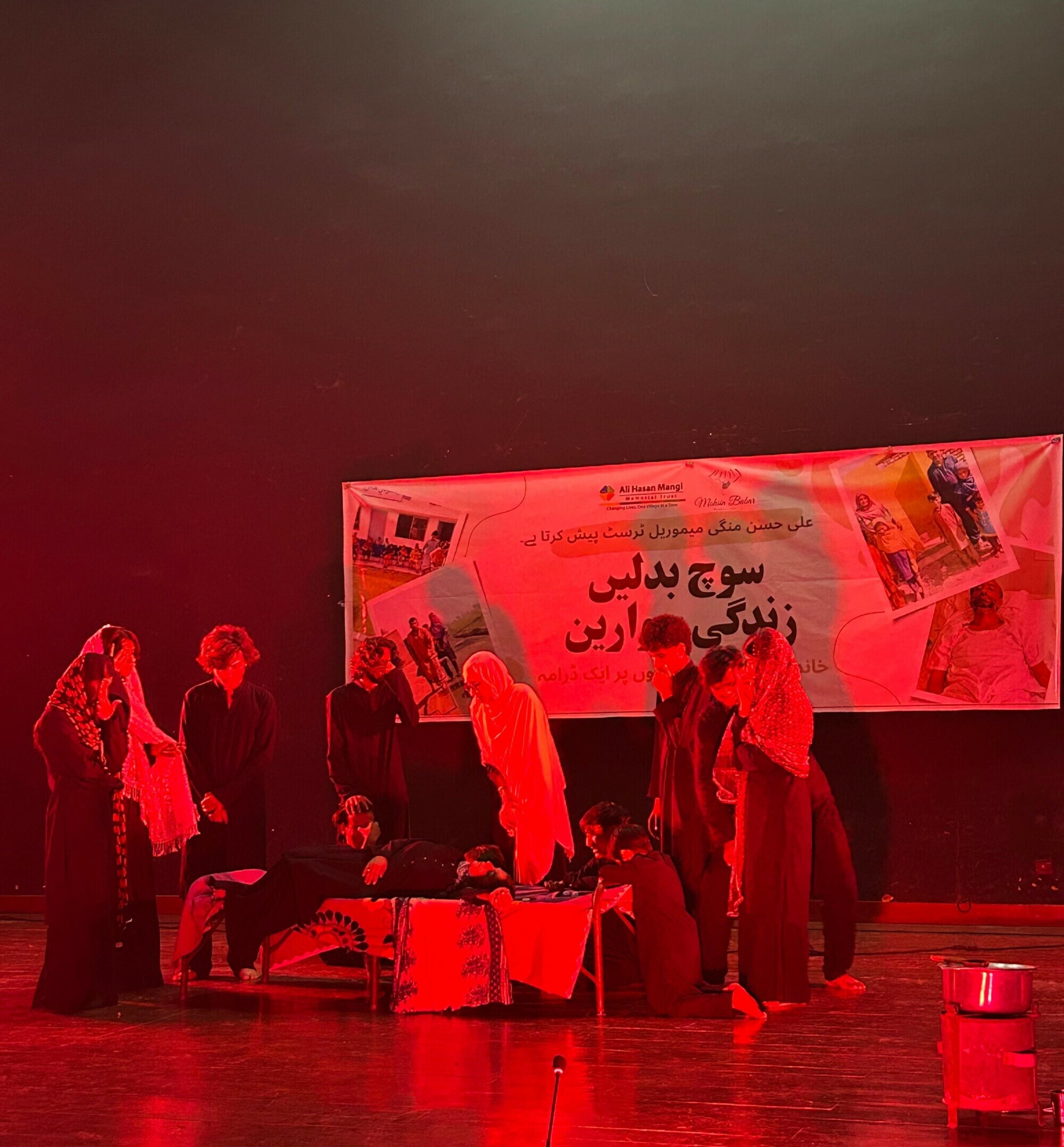
However, Mangi pointed out, simply talking about an issue doesn’t always leave a lasting impact. “Sometimes when you see something, especially when it’s holding up a mirror, the message kind of sticks,” she said, adding that she found theatre to be the most effective medium to get her message across.
While film or video screenings risk audiences zoning out because of overexposure, a live performance commands attention in a way a screen can’t. “It’s a new experience for them, especially for the women. It’s also a real break.”
The sentiment was echoed by the play’s director Mohsin, who said showing something through physical actions tends to have a much stronger and quicker impact on a person.
“When you act something out on stage, the person sitting in the audience sees it unfold,” Babar told Images. “And if even one part of what’s being shown reflects what they’ve personally experienced, they immediately relate to it. They think, ‘yes, this happens.’ That connection is formed, and the story becomes their own. That’s the power of a live performance.”
Speaking to the audience after the play, Dr Naseem Salahuddin, an infectious diseases expert at Indus Hospital and Health Network, said population control is critical given Pakistan’s limited resources and the strain on education and social services.
She recalled a patient who came to her with tuberculosis in both lungs so advanced that cavities had formed and she could barely breathe. “It was a severe, drug-resistant form of TB, and she was pregnant with her fifth child at the time,” Dr Salahuddin said. “Her treatment was supposed to last at least a year and a half due to the seriousness of the condition. The baby was born during the early months of her treatment, but before the full course was even completed, around the one-year mark, she became pregnant again, likely with her sixth or seventh child.”
She said the patient still struggled to breathe. “I asked her husband if he understood the state of his wife’s health. He casually replied, ‘I fly pigeons.’ I asked him, ‘Do you earn anything from flying pigeons?’ He said, ‘No, but God will provide.’ I don’t know, maybe that poor woman has passed away by now.”
Dr Salahuddin, who has spent her career working with patients from low-income areas, said she has witnessed the immense toll that repeated pregnancies take on women. Many of the families she treats cannot afford basic healthcare and often resign themselves to their circumstances, believing that the divine alone will provide. But, she emphasised, it’s crucial to change this mindset and make informed decisions for the sake of women’s health.
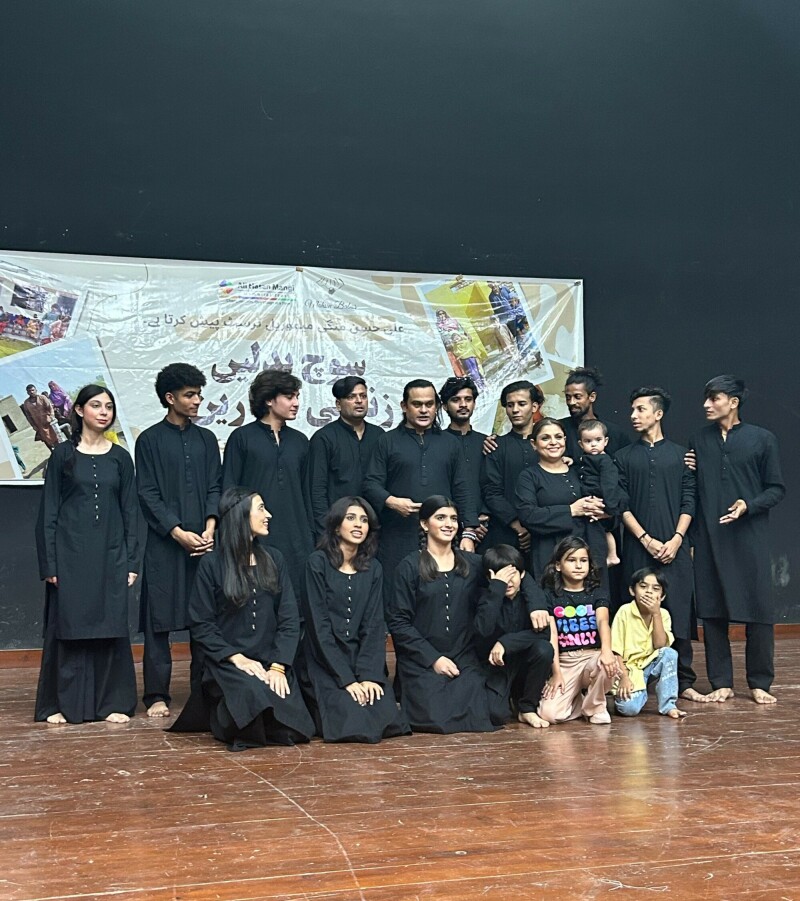
Soch Badlen, Zindagi Sawaren will run from August 4 to 13 across different villages in Larkana, Qambar-Shahdadkot, and Dadu.








Comments