
World Culture Festival: Does free entry mean greater cultural accessibility in Karachi?
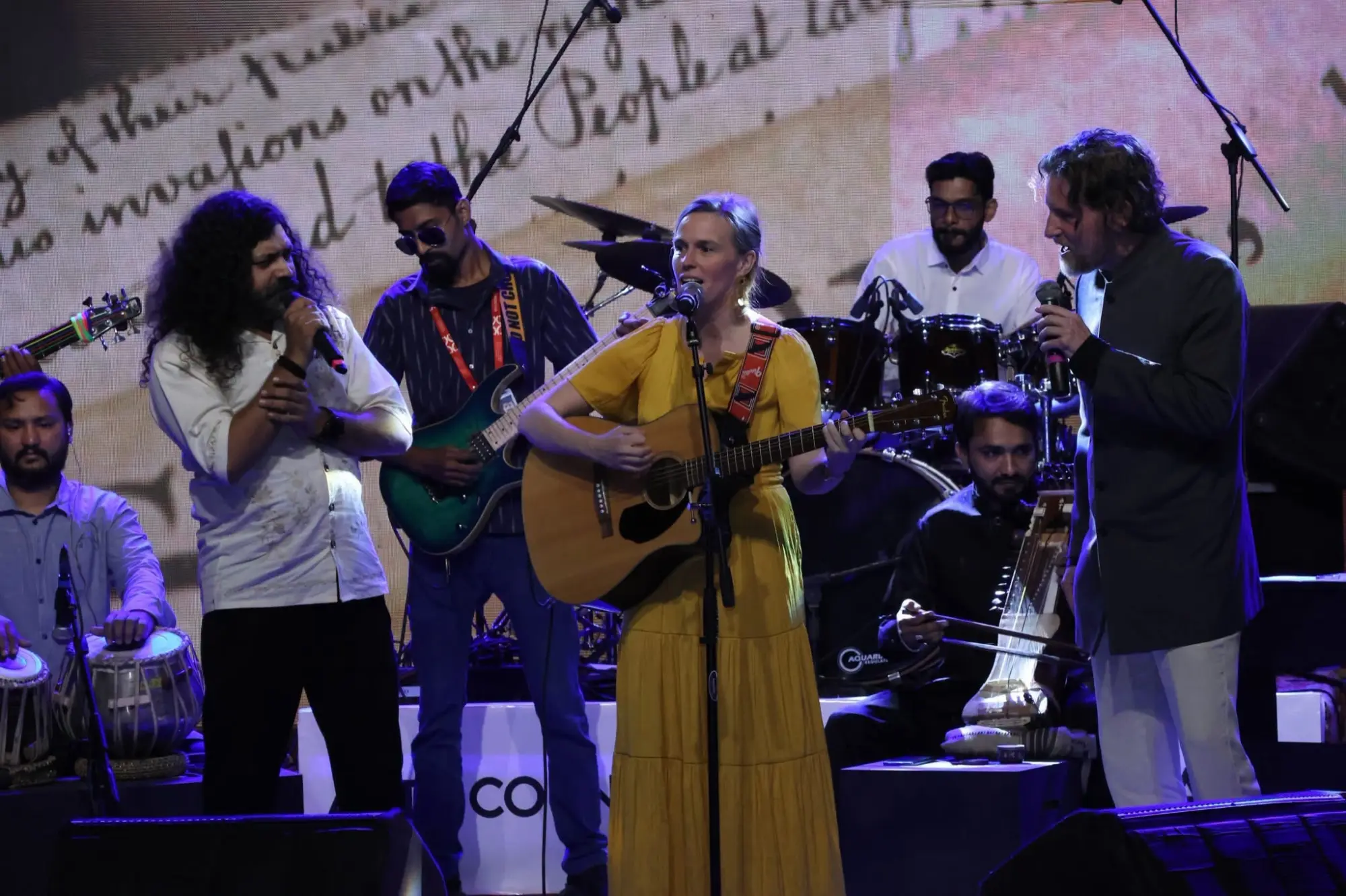
For a city where attending a theatre performance, dance show or international music concert can be expensive, the World Culture Festival at the Arts Council of Pakistan offered an unusual opportunity.
Organisers say 85 per cent of the festival’s programmes were free, with registration required. The festival brought international performers, local artists and audiences together, raising the question of whether free entry translates into meaningful cultural access for Karachi’s residents.
Concert tickets in Pakistan can range from Rs2,500 to Rs8,000, with VIP seats sometimes reaching Rs10,000 to Rs15,000. Against this backdrop, visitors and organisers say the festival’s nominal ticket prices and free performances attracted families, young audiences and people who might otherwise not have attended such events.
For Arts Council of Pakistan President Ahmed Shah, making the festival accessible required a change in strategy. Recalling an earlier edition, he said international performers had attracted limited audiences despite the quality of their productions.
“Last time we were looking for people to give the best performances — an opera singer from Portugal, the best Colombian dancers, amazing plays from Palestine — but the hall wasn’t full, so it was a pity. Then I changed the strategy and kept the festival mostly ticket-free. I gave access to those who face difficulties.”
Shah said access had existed earlier as well, with a nominal fee, and that the same performers people pay up to $1,000 to see abroad were being offered for nearly $4. Even so, audiences stayed away.
“People weren’t coming before, thinking I’m promoting elite culture. I’m a people’s man, I’m more interested in showcasing to the ordinary man that which he or she cannot go abroad and see, especially because of travel constraints for Pakistanis.”
His primary audience, he says, is below 30, a generation hungry for cultural opportunities.
Khadeja, who visited with her family, believes affordability has made a noticeable difference.
“Even though many big artists are coming to perform from all over the world, and many of our big local artists such as Daniyal Zafar, Murtaza Qizilbash and Abdul Hannan are performing, the tickets are so nominal here, especially when you compare to average concert tickets.”
She had just watched a dance performance, which she called phenomenal, and said the festival was giving “the masses the opportunity to experience art of a global level.”
Among the visiting artists was 43-year-old Norwegian-Iranian movement and dance artist Navid Rezvani, who works across breaking, contemporary and hip-hop dance.
While he appreciated Karachi’s atmosphere, Rezvani also wanted to engage more directly with ordinary residents and understand their experiences. Speaking to Images, he said, “As we drove through the city, I loved the vibe although I would’ve loved to engage more with the people of Karachi and Pakistan at large — because the stories are there, and they are the ones who carry the realities of life.”
The festival was also described by Shah as a space where international delegates from countries including Russia, Ukraine, the United States, Iran and Palestine can interact beyond political divisions.
Khadeja observed such interactions taking place between a visiting Swedish artist translating an Urdu play for an American artist, calling it “the kind of cultural exchange which serves the purpose of giving the masses the opportunity to experience art of a global level”.
On the other hand, free entry did not guarantee everyone a place. Shah recalled a hall that was not full at an earlier edition, but Lubna, who had registered for the Qawwali night and reached on time, was denied entry this time as the venue was packed. She says she also heard that some members of the Arts Council, as well as students studying there full-time, had been denied entry.
Talking about the practical concerns, she said, “Travelling across the city through Karachi’s traffic, finding parking, and navigating an unfamiliar event schedule can make a visit seem more trouble than it is worth. And of course, large crowds and uncertainty about seating are another story.”
The overcrowding, particularly during the Qawwali performance, may reiterate the festival’s popularity but can also discourage people who would otherwise be interested.
These reservations point to another dimension of cultural access: making an event free is one step, but ensuring visitors feel comfortable, informed and welcome is equally important.
Raana Kazmi, who performed in God of Carnage, argues that one of the festival’s most significant contributions is introducing audiences to art forms they may never have experienced before.
“I constantly meet a lot of people that say this is the first theatre performance that I’ve ever attended, or the first musical concert or the first art exhibition that I’ve been to … especially because it’s free, especially because there isn’t a ticket attached to it.”
That first encounter, she believes, can encourage people to attend future ticketed productions and gradually expand the audience for theatre, music and dance.
And the benefits of cross-cultural collaboration enabled by the festival also extend to local performers and the wider creative industry. Kazmi, who acknowledged room for improvement in logistics, quality control and content selection, believes the festival could also help develop industries behind performances, including lighting, sound design and event management, giving local professionals experience at a larger scale by working alongside international productions.
Khadeja also noticed interest in the festival even on weekdays, with visitors wanting to know about schedules, workshops and opportunities for young people interested in pursuing the performing arts. She also observed parents exploring professional training for their children, suggesting that exposure could encourage longer-term engagement with the arts.
The festival’s setup suggests that affordability can bring new audiences into cultural spaces. However, meaningful access also depends on securing a seat, transport, clear schedules and opportunities for continued participation.
The larger test will come after the festival. Will first-time visitors return to local theatre productions? Will local artists and technical professionals find opportunities to build on the experience? Will children pursue the dance and music classes that sparked their interest?
Free entry can open the doors. Ensuring Karachi’s residents have the means and opportunities to keep returning is what could make cultural access lasting.

Comments