
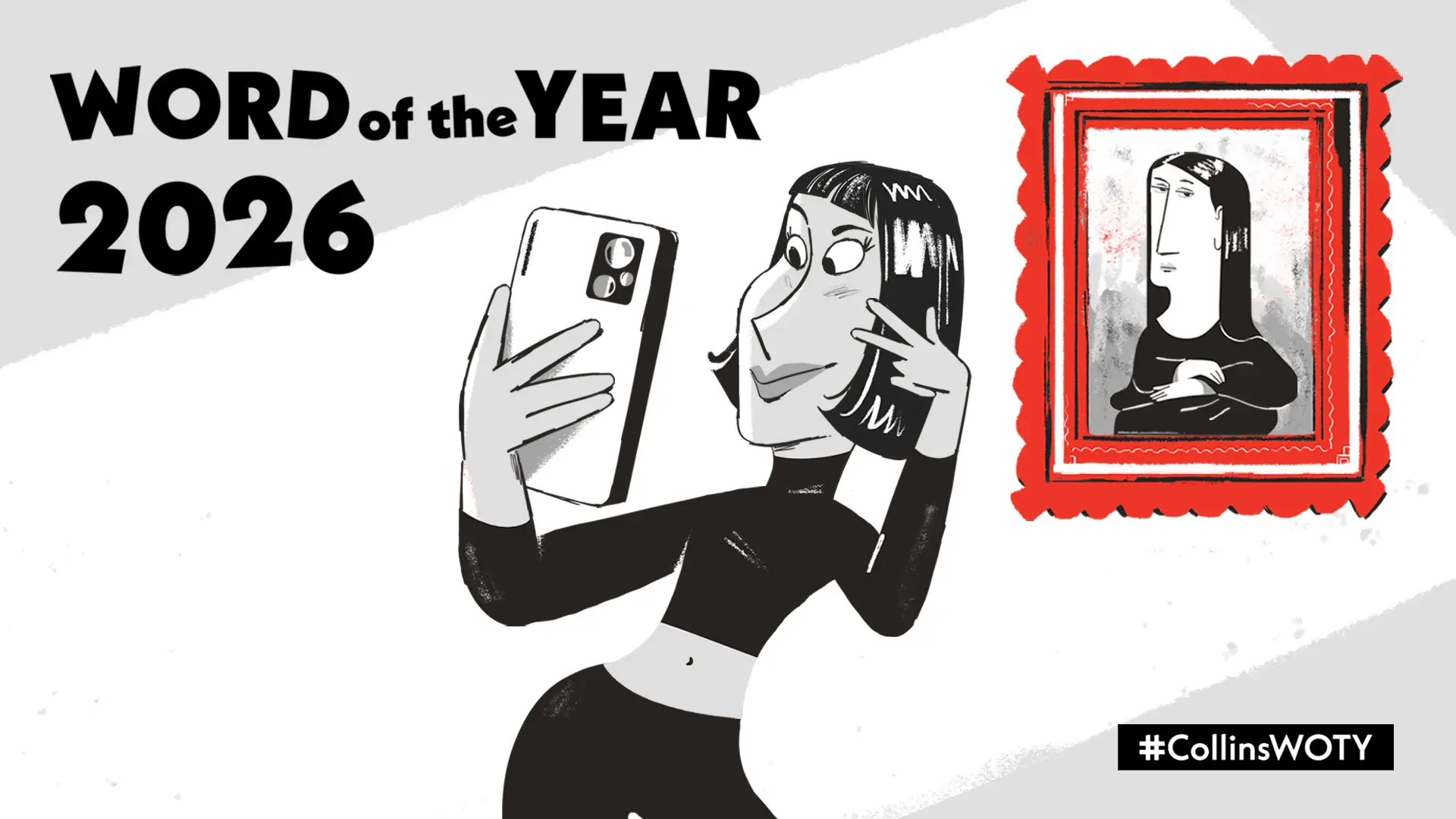
'Mogging' tops 'firewave' and 'ghost jobs' as Collins' word of the year
‘Mogging’, a word meaning to outshine someone, often in appearance, was crowned word of the year by Collins English Dictionary on Tuesday, beating ‘firewave’ and ‘ghost jobs’.
According to the dictionary, mogging is a compliment meaning “the act of outshining or outperforming someone or something”, with the word spreading on social media in the past year.
It is believed to be rooted in the slang acronym, ‘AMOG’ (alpha male of the group), which was associated with bodybuilding culture before being adopted by manosphere and incel spaces that often promote misogynist beliefs.
But mogging has in recent months entered mainstream conversation, used by Gen Alpha and Gen Z to playfully describe someone looking more attractive, fashionable or cooler than another.
The word saw a 210 per cent increase in usage this year, the dictionary said in a press release.
“It’s a great example of how Gen Z and Gen Alpha have adopted a word and turned it into humorous slang, making the language their own and ‘mogging’ the rest of us!” managing director Alex Beecroft said in a statement.
Every year, Collins lexicographers create a list of words that “reflect our ever evolving language and the preoccupations of those who use it”.
Others in the running were ‘carspreading’ — manufacturers making vehicles that are bigger with every new model — and ‘ghost jobs’, postings advertised without any intention to hire someone, driven by frustrations with the job market.
Also in contention was ‘Manchesterism’, the political philosophy associated with Andy Burnham, who became the United Kingdom’s prime minister this summer after a dramatic takeover, and ‘fricy’, food that is both fruity and spicy.
There was also ‘firewave’, referring to multiple wildfires that spread over a short period of time, and ‘bixie’, which is a haircut between a bob and a pixie cut.
“Look across the shortlist and the pattern is hard to miss,” a blog on the Collins website said. “In 2026, everything is surpassing something else: bigger cars (carspreading), hotter summers (firewave, hydration break), a politician who outmanoeuvred a prime minister (Manchesterism).”
Last year’s word of the year was “vibe coding”, which meant the use of Artificial Intelligence to tell a machine what you want instead of coding it yourself.
Photo courtesy Collins English Dictionary blog









Comments