
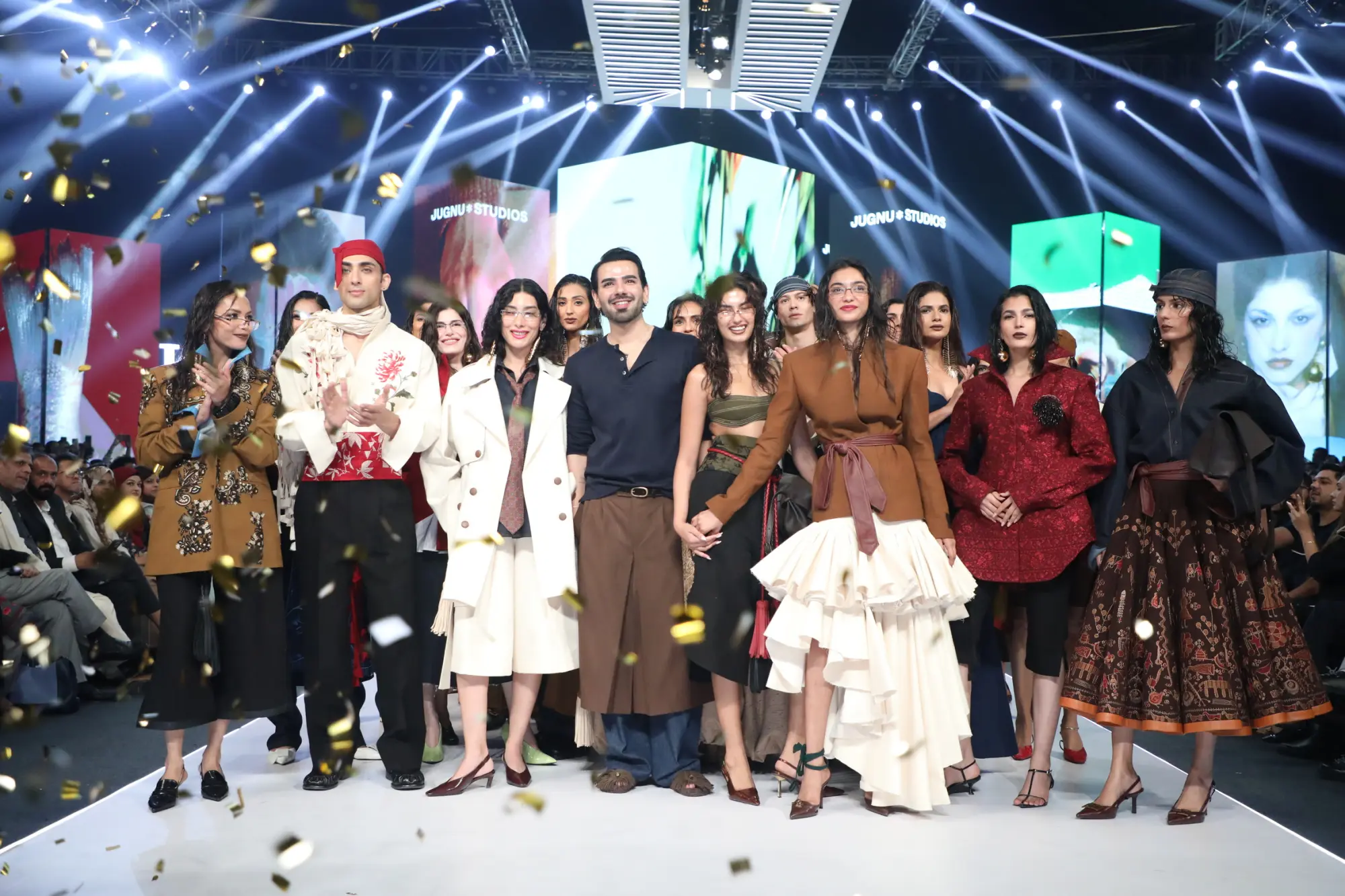
LAAM Fashion Week Season 2 and the fine line between signature and rut
By its second season, a fashion week is judged less on whether it can be staged and more on what it has to say. On the first count, LAAM Fashion Week (LFW) has little left to prove. Between October 23 and 26, it brought 43 shows and more than 50 designers and brands to Lahore, all linked to LAAM’s runway-to-e-tail model where a look can go from catwalk to cart. Even the timekeeping, a sore point in Season 1, was significantly better.
The second count rests with the designers. Last season, the question was whether they had caught up with the demand for commercial viability. This season, the more telling question was whether they know who they are. A signature is a designer’s greatest strength, but it can easily turn into a habit, and the week showed the difference between designers who built on their signatures and those who simply repeated them.
Judging by the evening designer showcases, the strongest collections came from designers who knew themselves and their customers. Their clothes were distinctive and, not coincidentally, the most saleable.
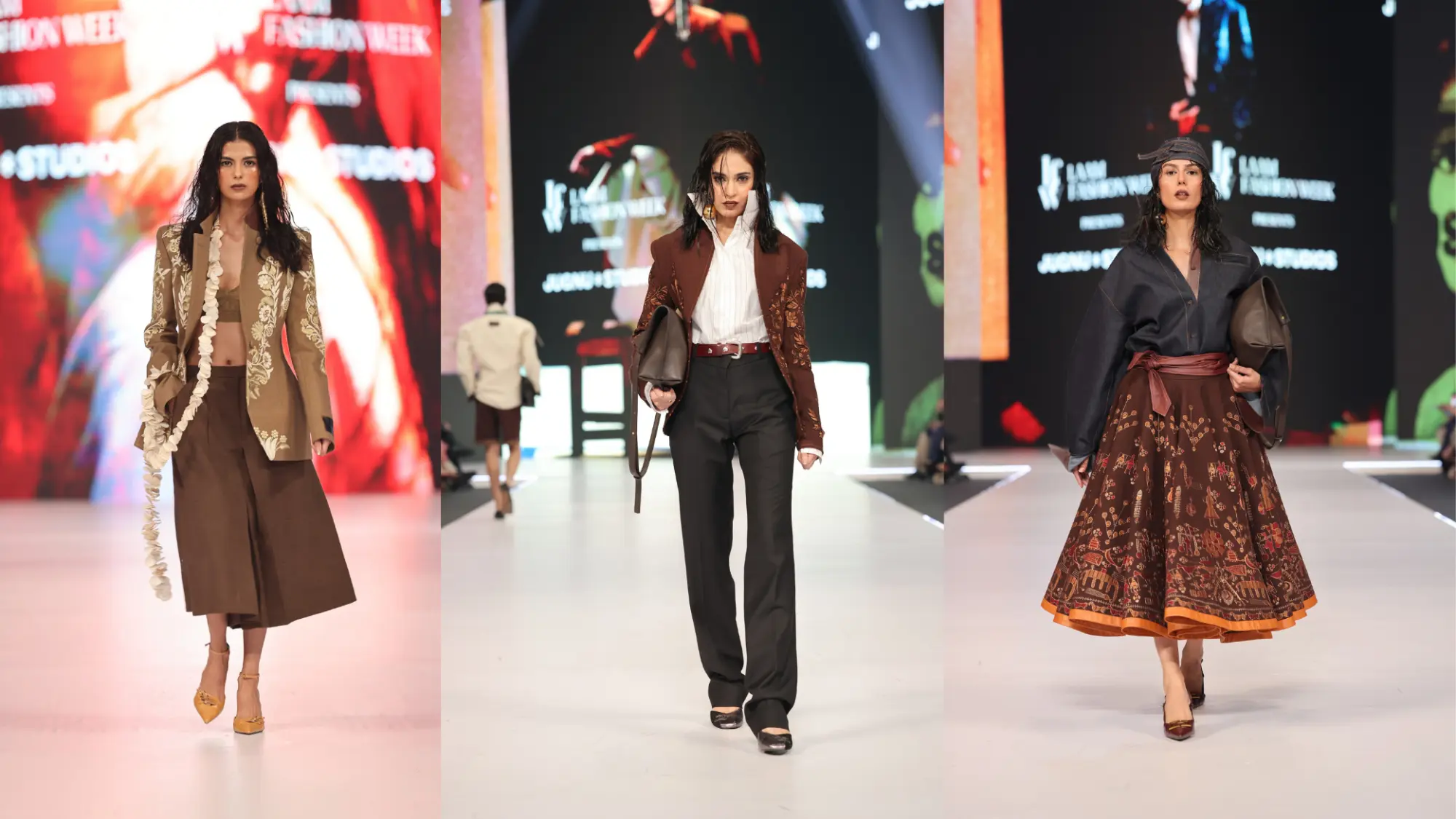
No one made the case better than Hussain Rehar. Rabbits with Flowers, the Jugnu Studios collection that closed the second night, stole the show. The cuts were excellent and modern to a T, and every piece worked as well on its own as in a full look.
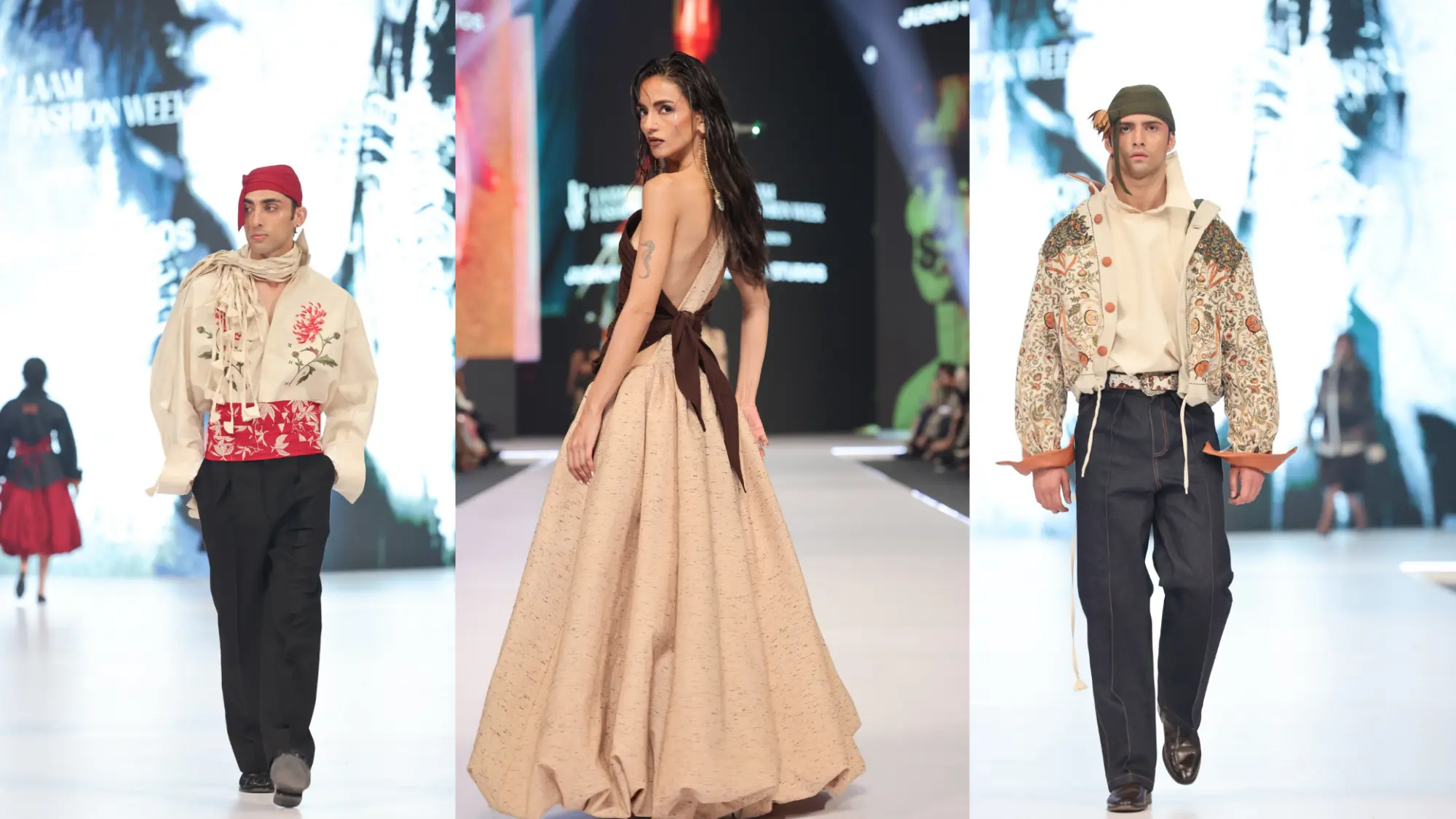
It had obvious commercial potential yet stayed edgy enough to tempt the most exacting ‘It’ girl. How does he keep delivering? The lesson is simple: true talent rises on its own, and the work speaks for itself.
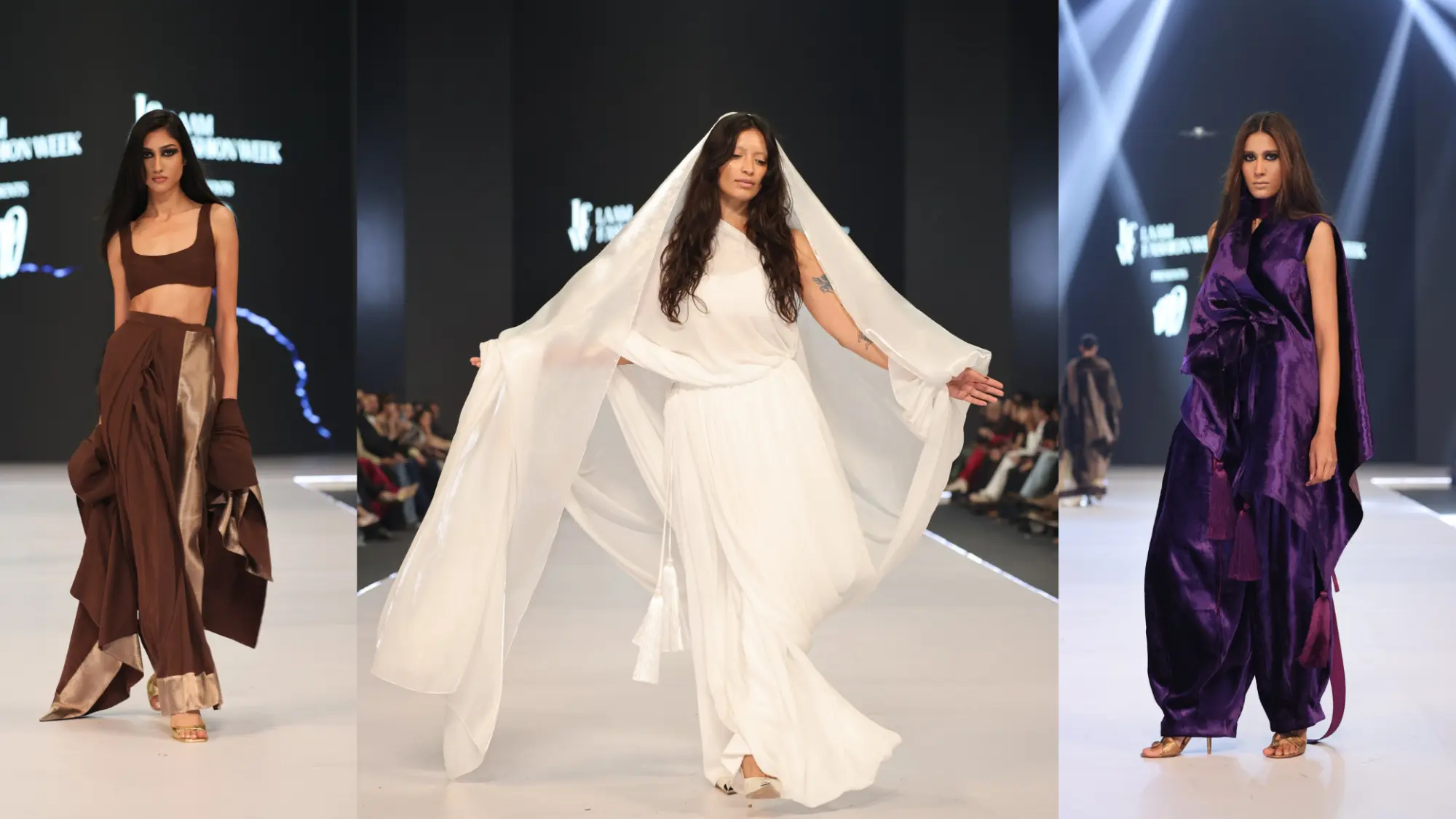
Mo by Mohsin Tawasuli, the standout of Season 1, was every bit as good: a label that understands its own aesthetic and exactly what it brings to the table. Drawing on museum artefacts and heritage sites, the collection paired immaculate stitching and assured design with jaw-dropping cuts, in a palette that had clearly been thought through. It came together like magic on the runway and would hold its own against much of what is shown internationally today.
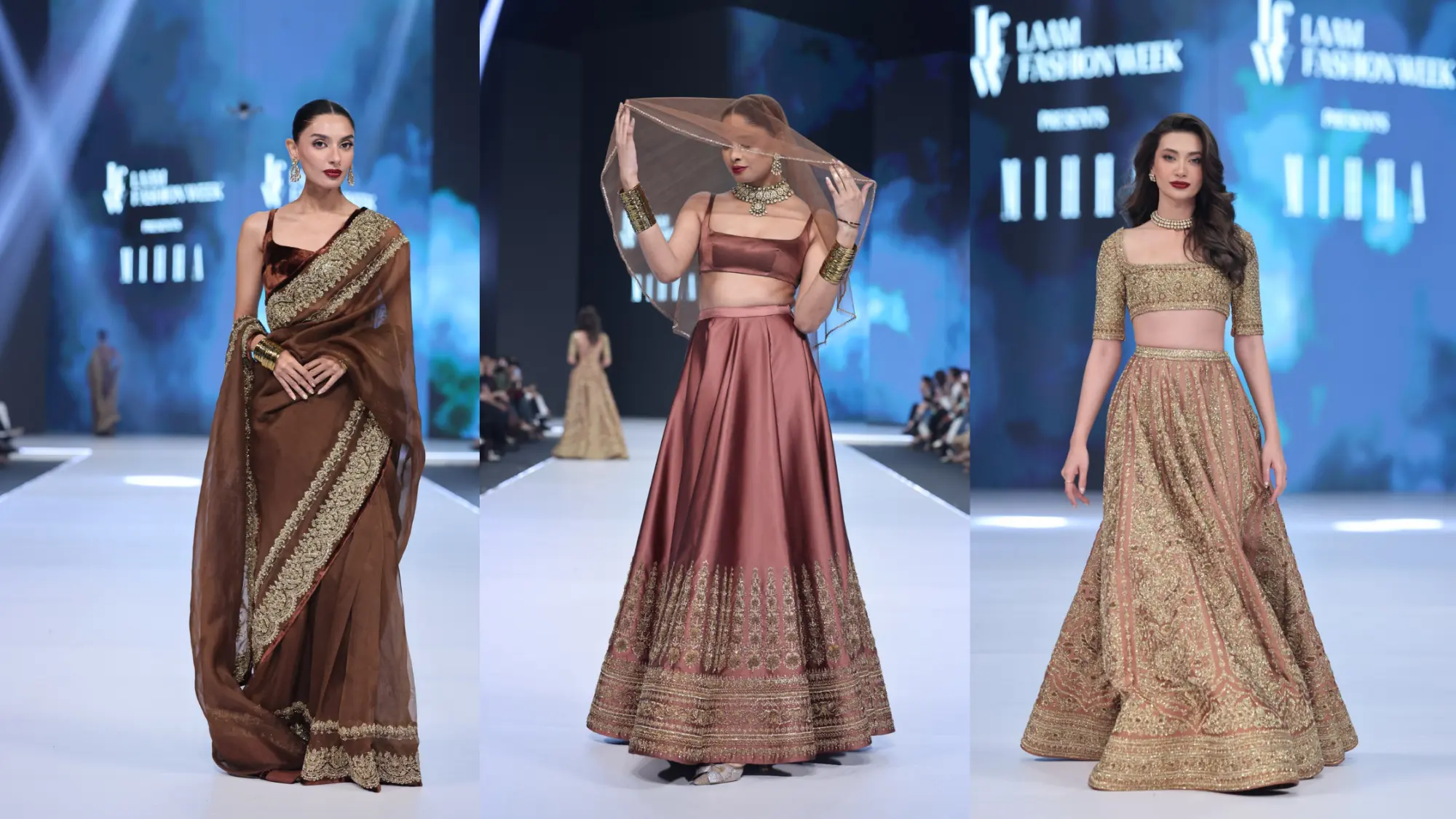
Mihha, making its ramp debut, showed the best collection of the first night. The craftsmanship was visible even as the models walked past, particularly the stitching on the blouses and bodices, and the palette of mocha, brown and chocolate tones was, in a word, delicious.
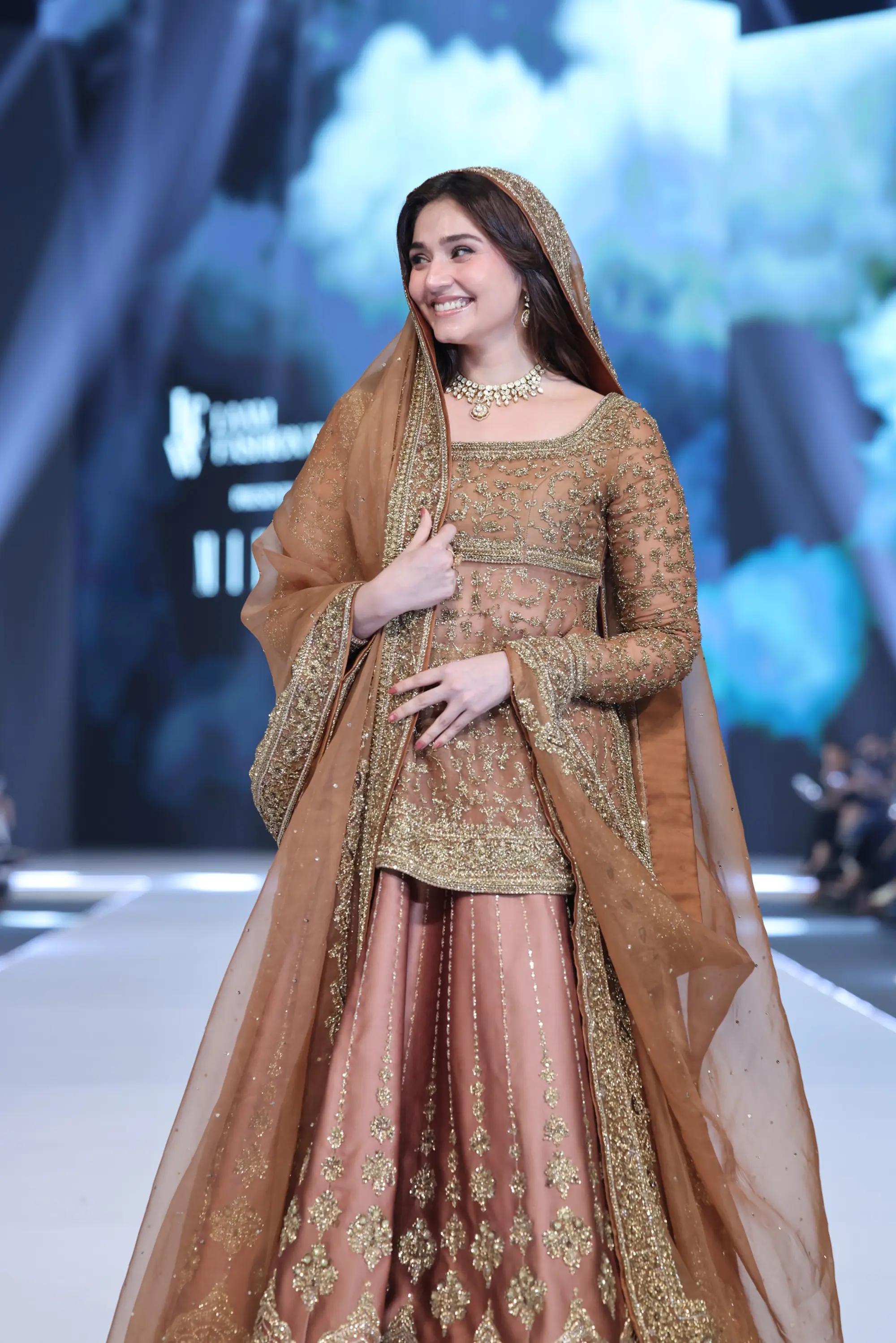
This is a collection people will buy. That made the showstopper moment all the more puzzling: Durefishan Saleem walked in a previously seen outfit. For an otherwise exquisite collection, one of the country’s leading actors deserved a fresh piece, and perhaps sharper styling.
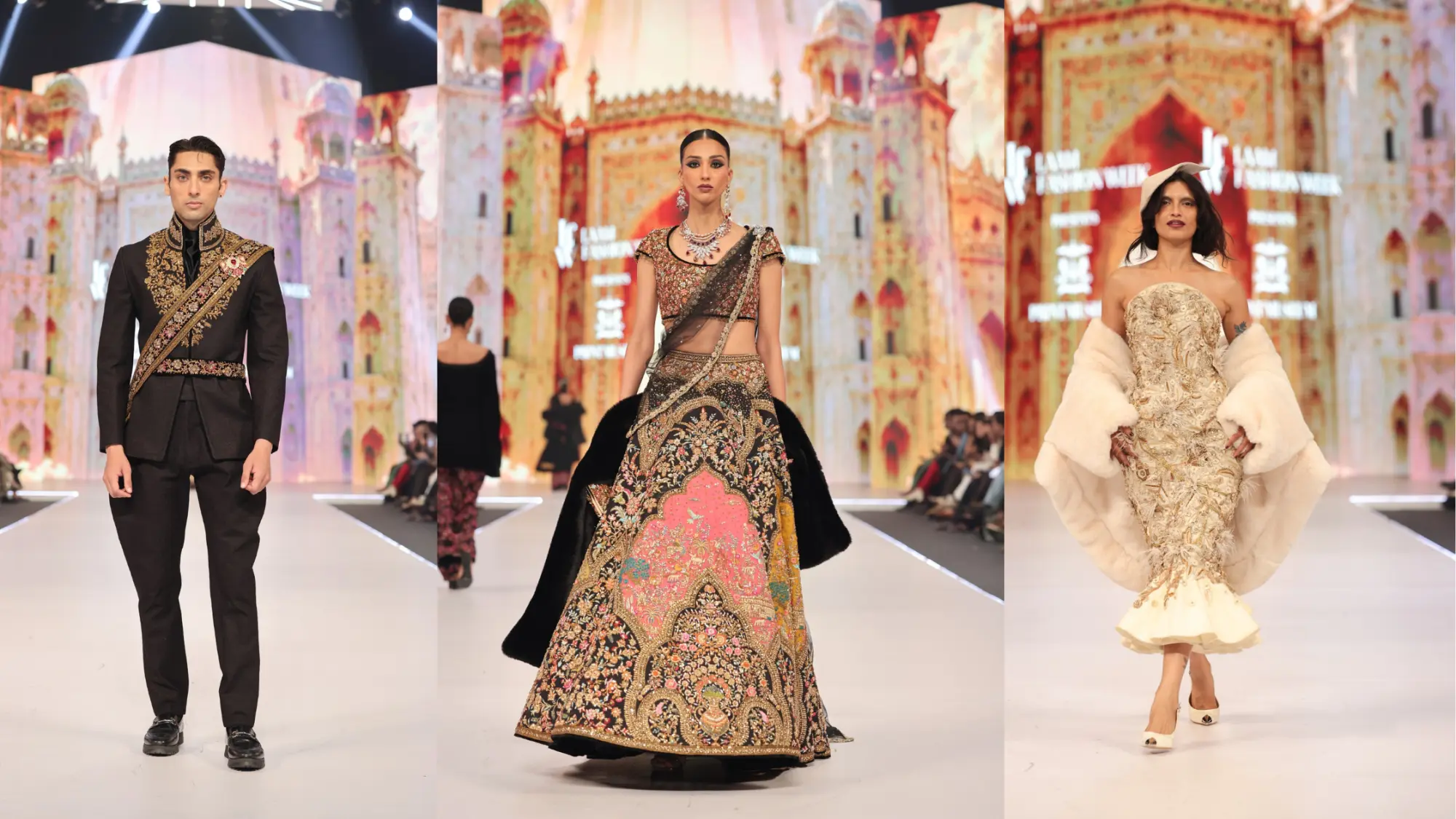
Fahad Hussayn was just as sure-footed. An Atlas of Empires, shown under his Print Museum label across three ranges spanning couture and bridal, was well thought out and carefully curated. Its most memorable piece was a black lehenga. Very Fahad, and very well done.
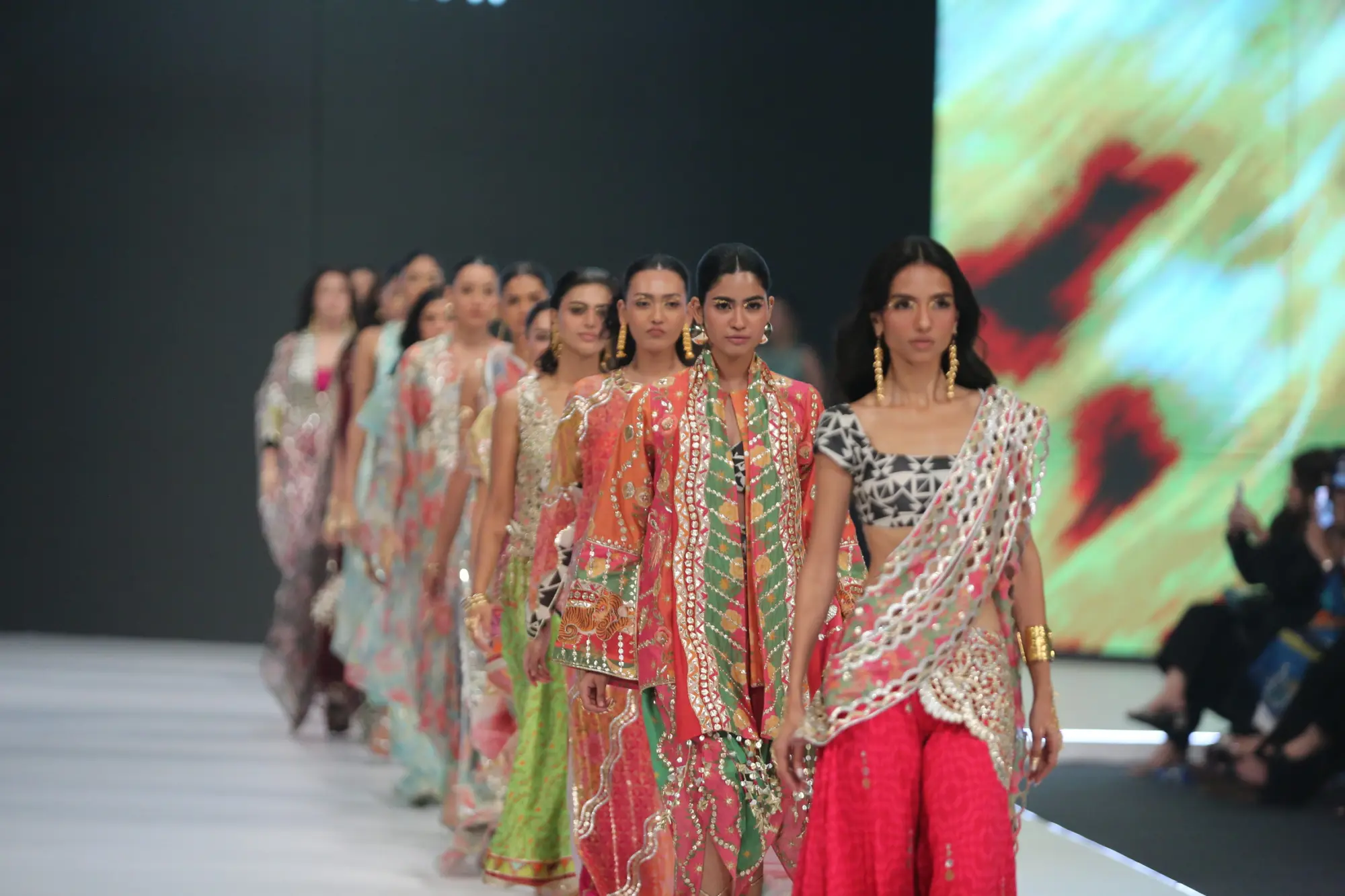
Others played to familiar strengths. Sania Maskatiya’s Laleh was a signature Sania collection, and that is meant as a compliment. Painterly prints, joyful colour and playful layering sat alongside gota work reworked into contemporary shapes, and the silhouettes were excellent throughout.
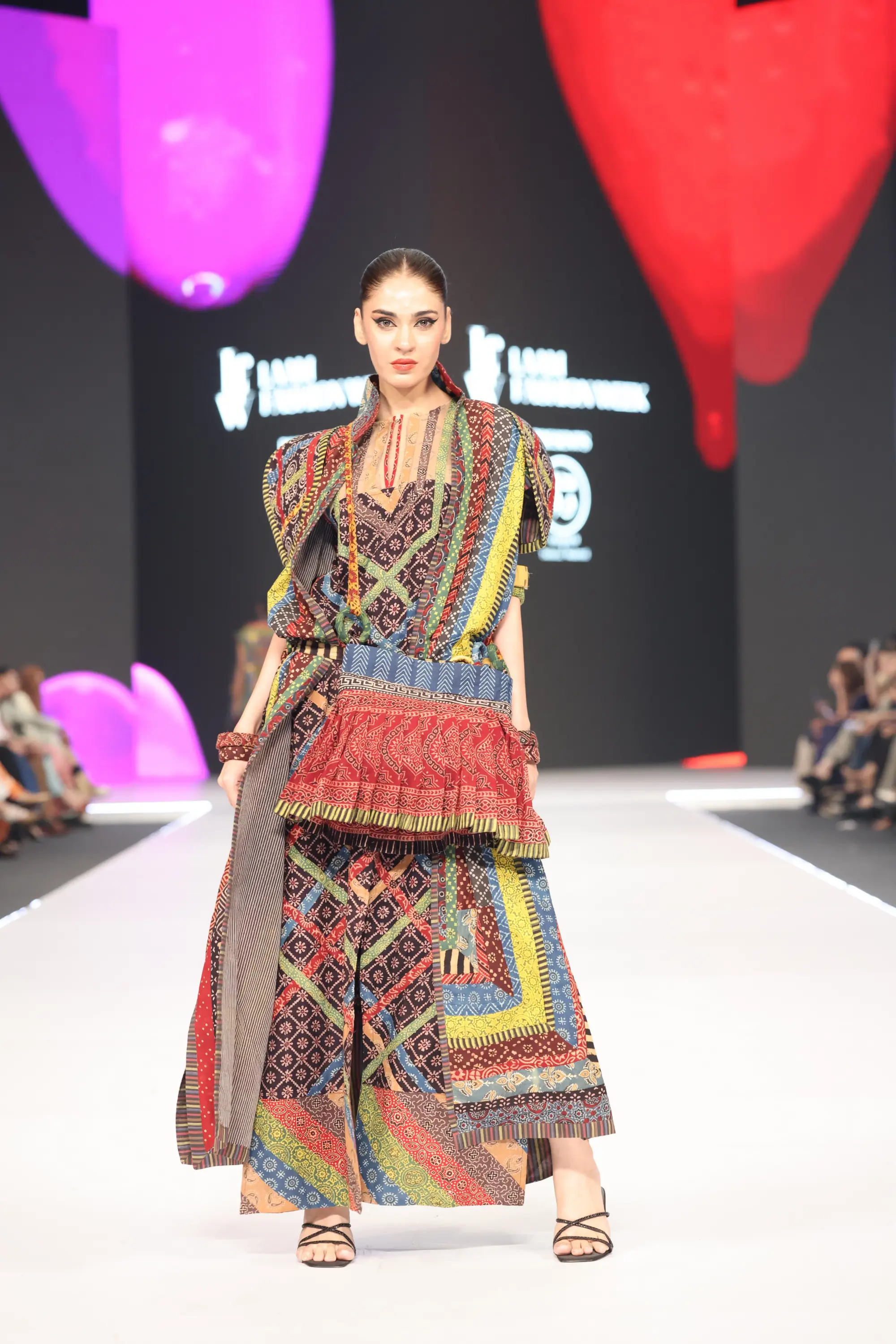
Duno by Hassan & Yahsir Waheed kept close to the quintessential Yahsir Waheed prints; fun, whimsical and smartly styled. It was wearable and cool.
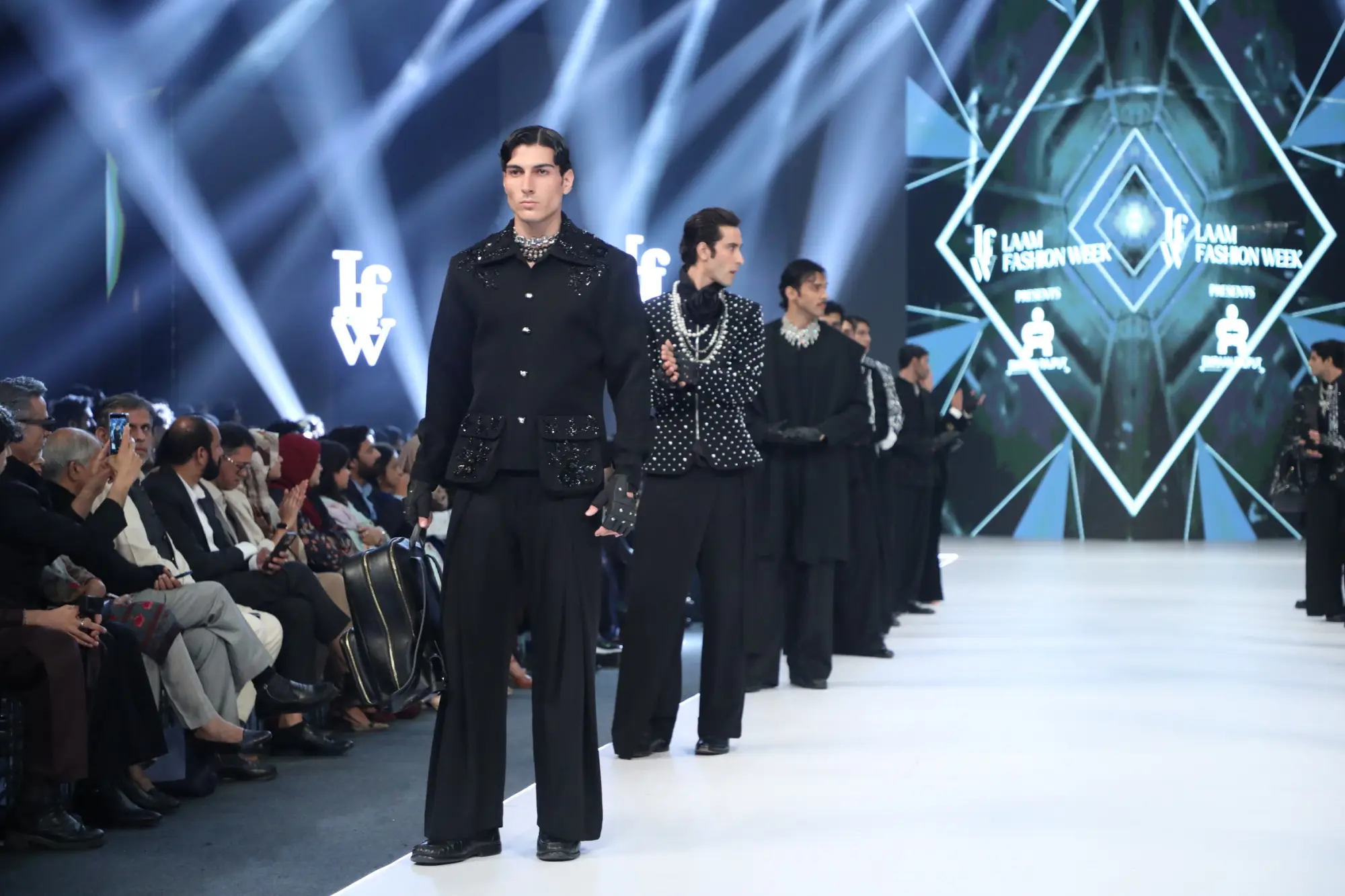
Emraan Rajput’s After Dark, a menswear statement in black, was a solid outing with clear market potential.
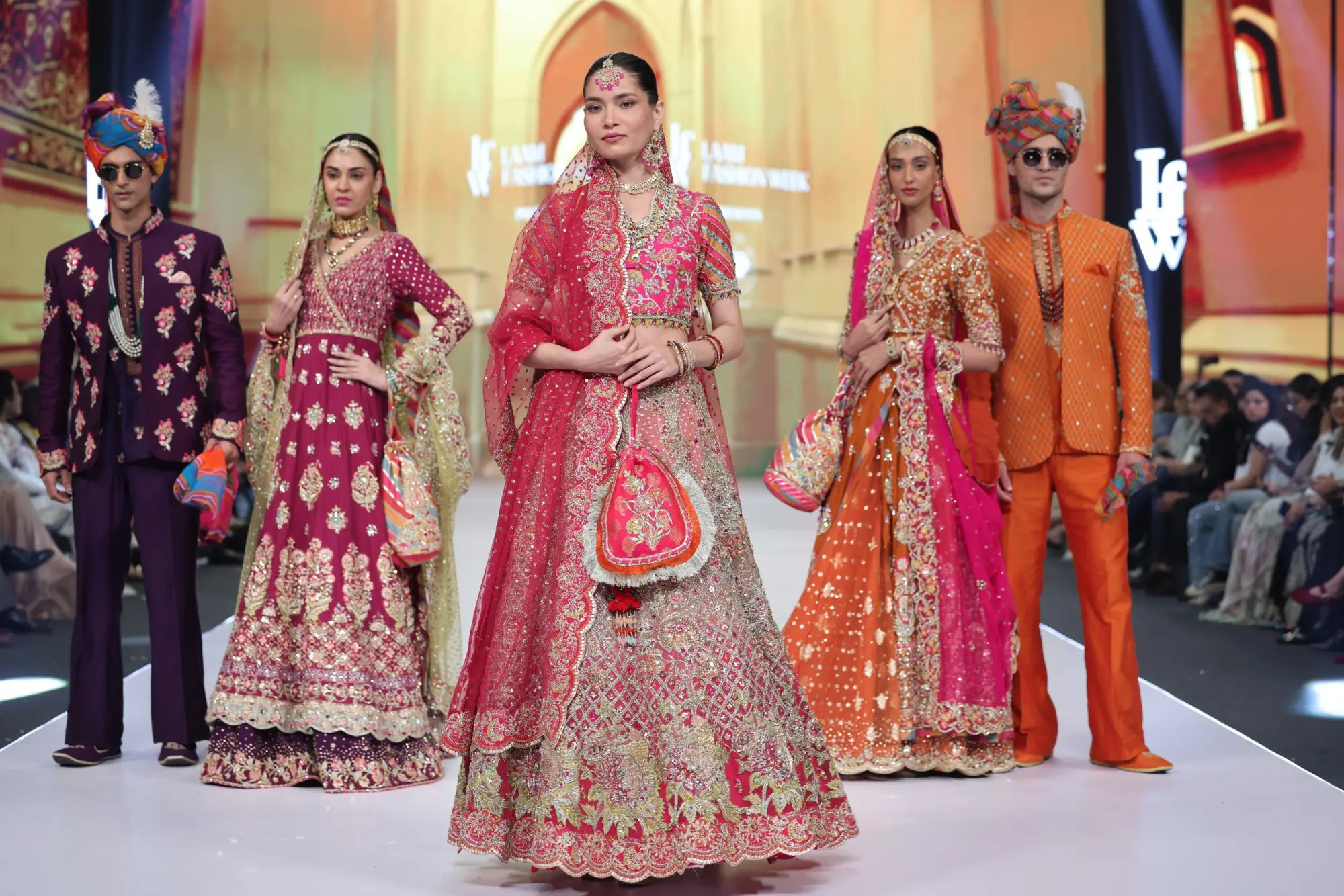
Elsewhere, the signature was more comfort zone than springboard. Deepak Perwani’s Legacy offered nothing new: this was the Deepak Perwani we have come to expect, albeit with commercial integrity that is hard to fault.
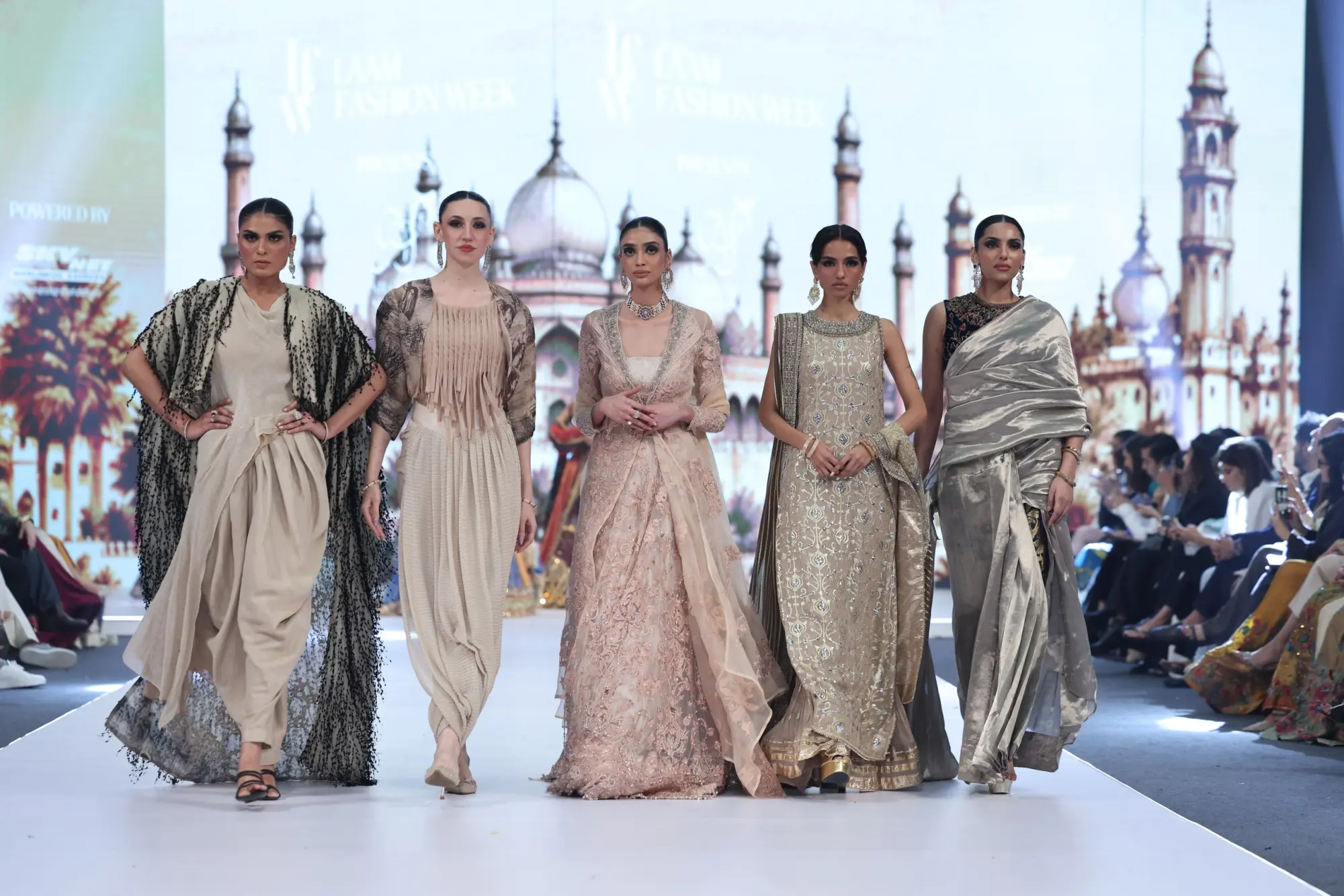
Nilofer Shahid’s invite-only showcase for Meeras set itself a grand brief, tracing Pakistan’s sartorial journey from the Nawab era through colonial rule to the present.
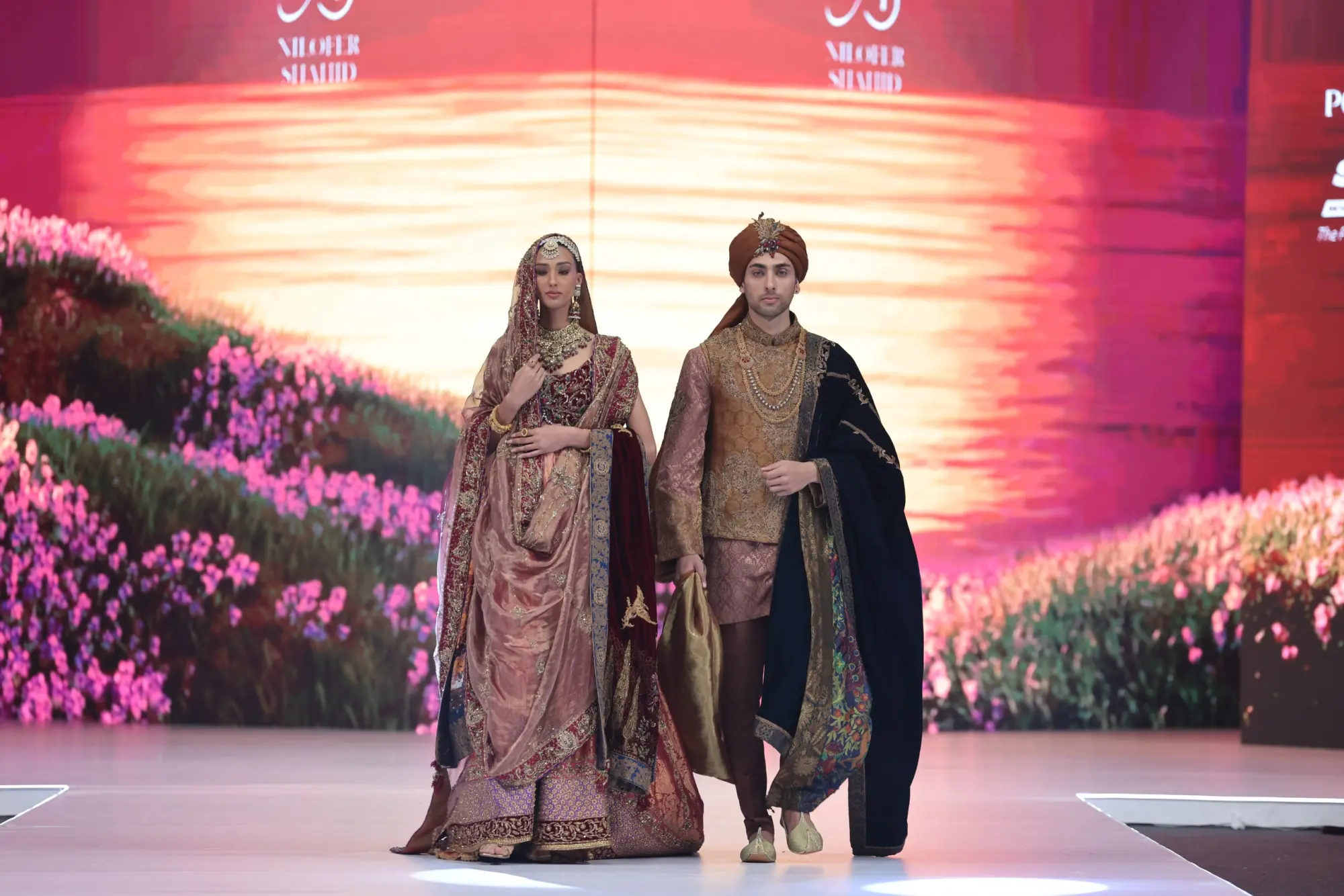
The clothes, however, were unmistakably Nilofer Shahid, and the evening felt more like a celebration of the house than a new chapter for it. If it was a victory lap, it was an earned one, and a fun watch; her patrons will no doubt keep buying.
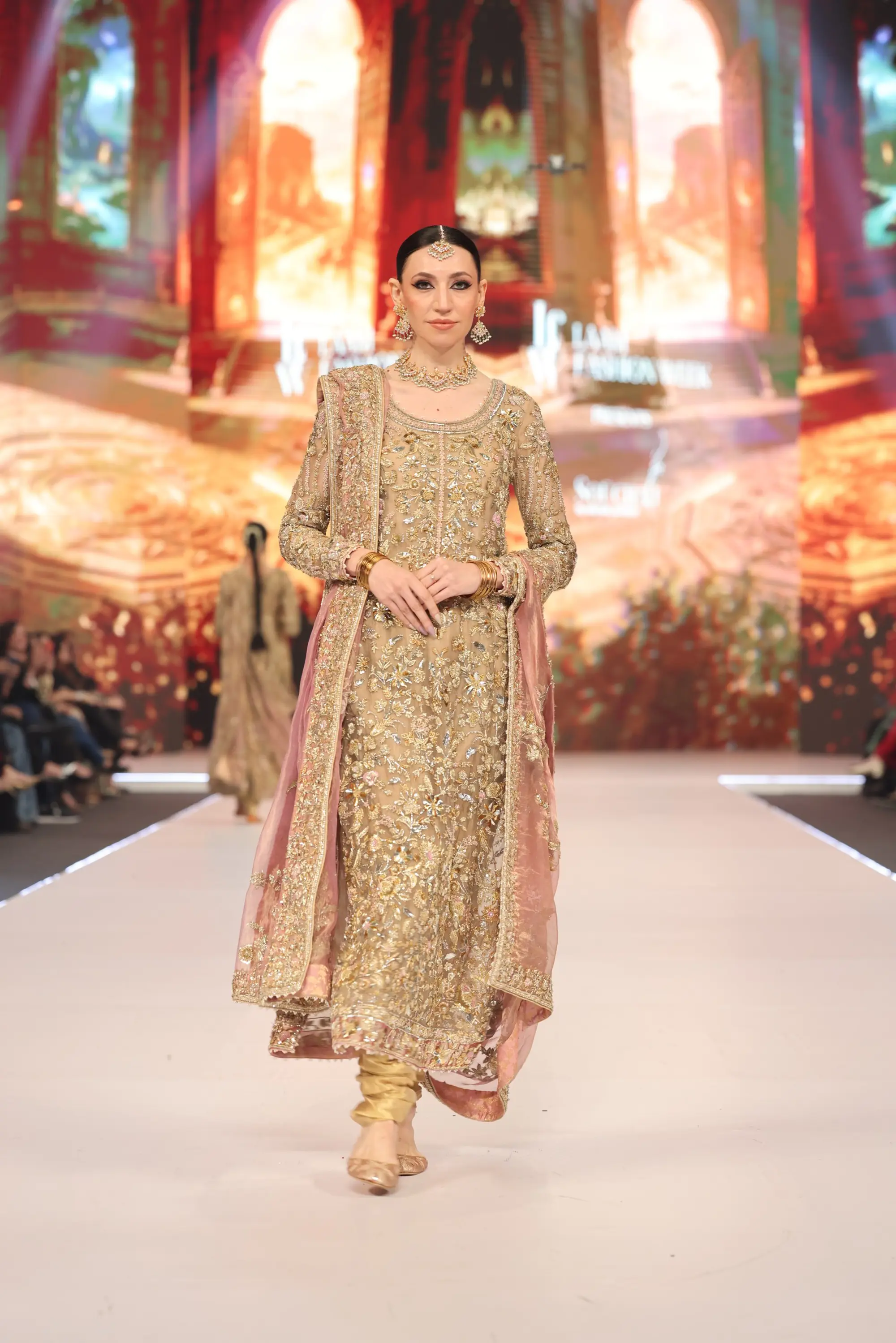
Souchaj by Mehak Junaid was similarly safe: An Ode to Old-World Charm was predictable, squarely aimed at the mass market and brought little that felt new. Rici Melion’s new label, Rici Belion, served up competent but unremarkable black tie: sharp tuxedos, velvet and red roses. Mohtaram’s Aath Pehar was, in essence, a groom’s wardrobe in salmon, pistachio and cream, layered and finished in tonal embroidery. The stitching was incredible, and if the proposition was familiar, it was also a commercially viable one: come wedding season, these sherwanis will find plenty of takers.
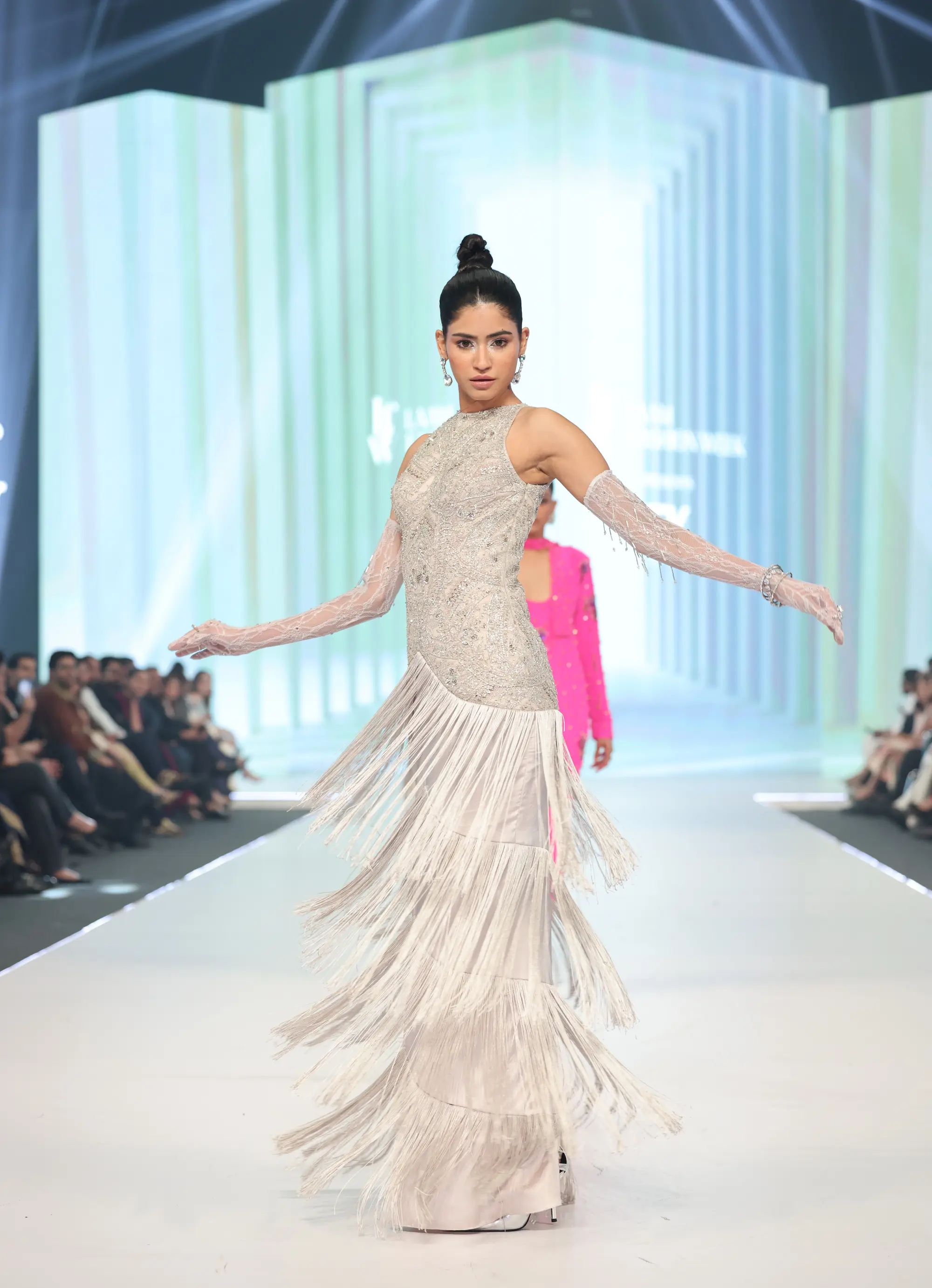
Two collections never quite found their thread. Saira Rizwan’s The Art of Heritage felt scattered, predictable and with little new to offer. Erum Khan’s The Returns was billed as an evolution of the house’s signature, but on the runway it read as a departure: modern cuts meeting local craftsmanship without settling into a cohesive whole. There were good pieces, but they arrived as fragments rather than a collection.
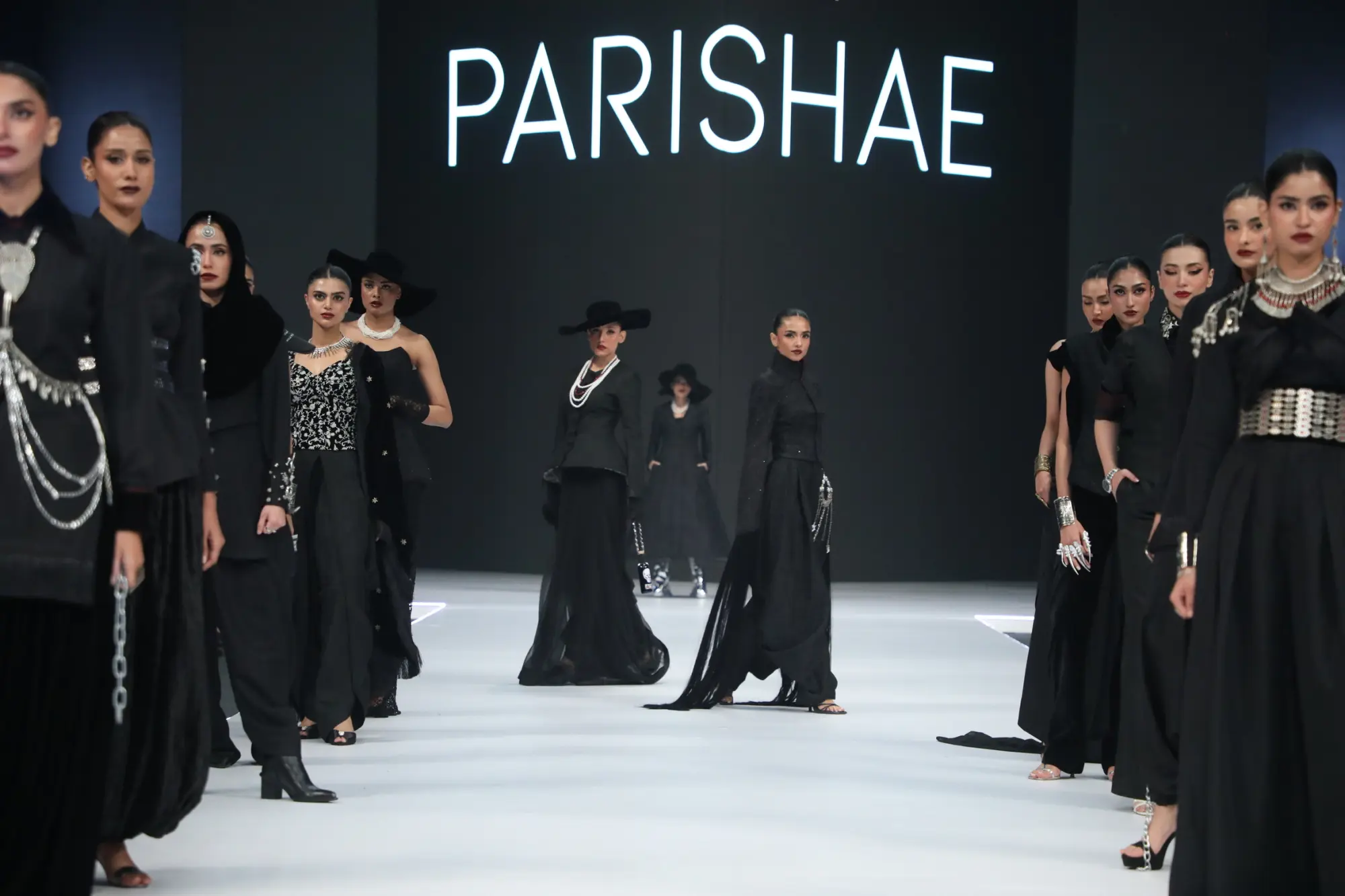
Some designers used the runway to say something. Parishae Adnan’s showcase opened with a video in which she shared her own experience of being stalked: a powerful, sobering prelude to Ikhtiaar, a collection, fittingly, about women’s agency. Worked in black and charcoal and sharpened with silver hardware, it relied heavily on cut and styling, to good effect.
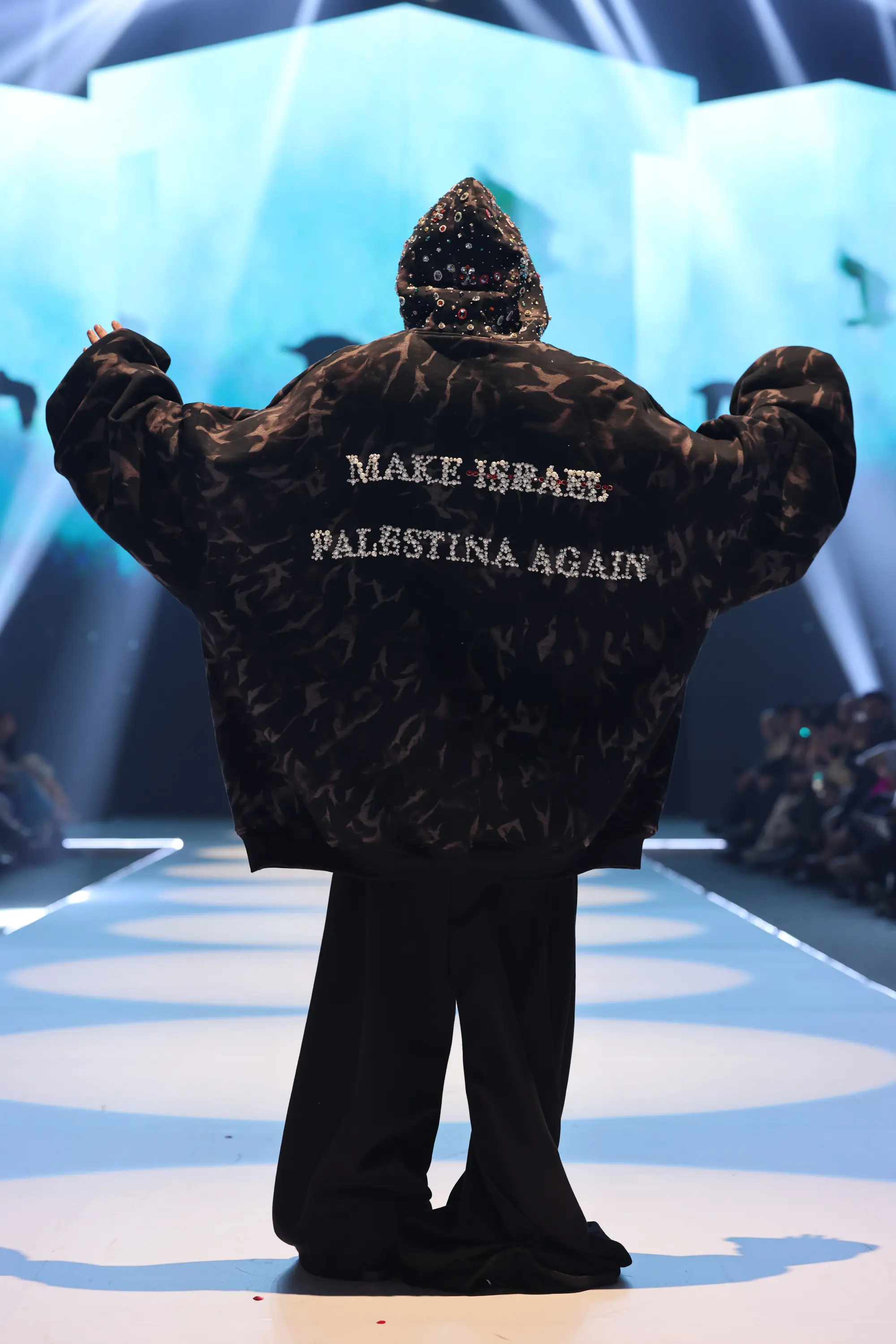
Four labels from the LFW Edit showcases deserve honourable mentions for making statements through their work. Dreams of Arthur paid tribute to Palestine with an embellished jacket that read “Make Israel Palestine Again”.
Sadhbarg brought theatre through sculpted headpieces and hand-drawn florals.
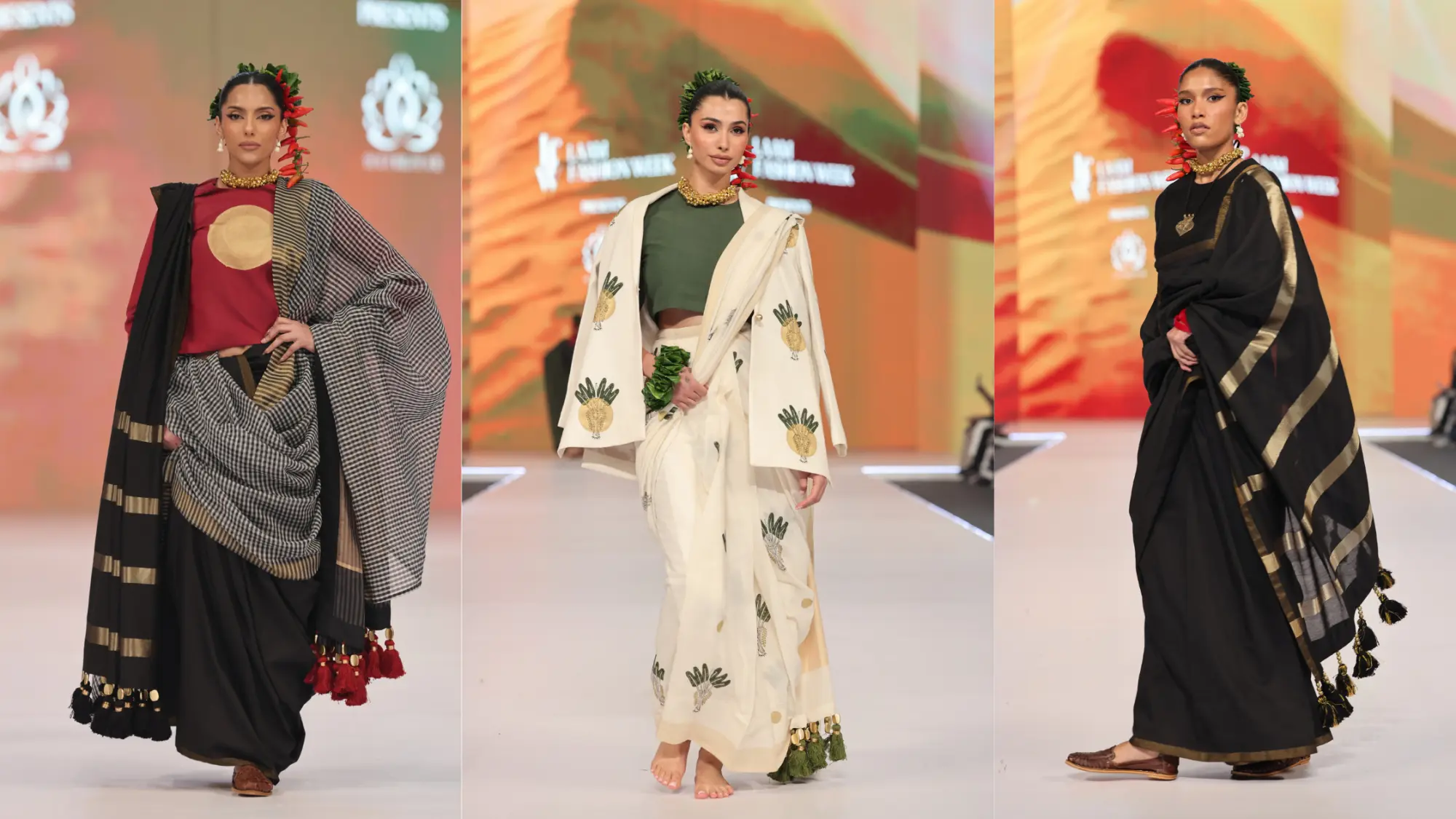
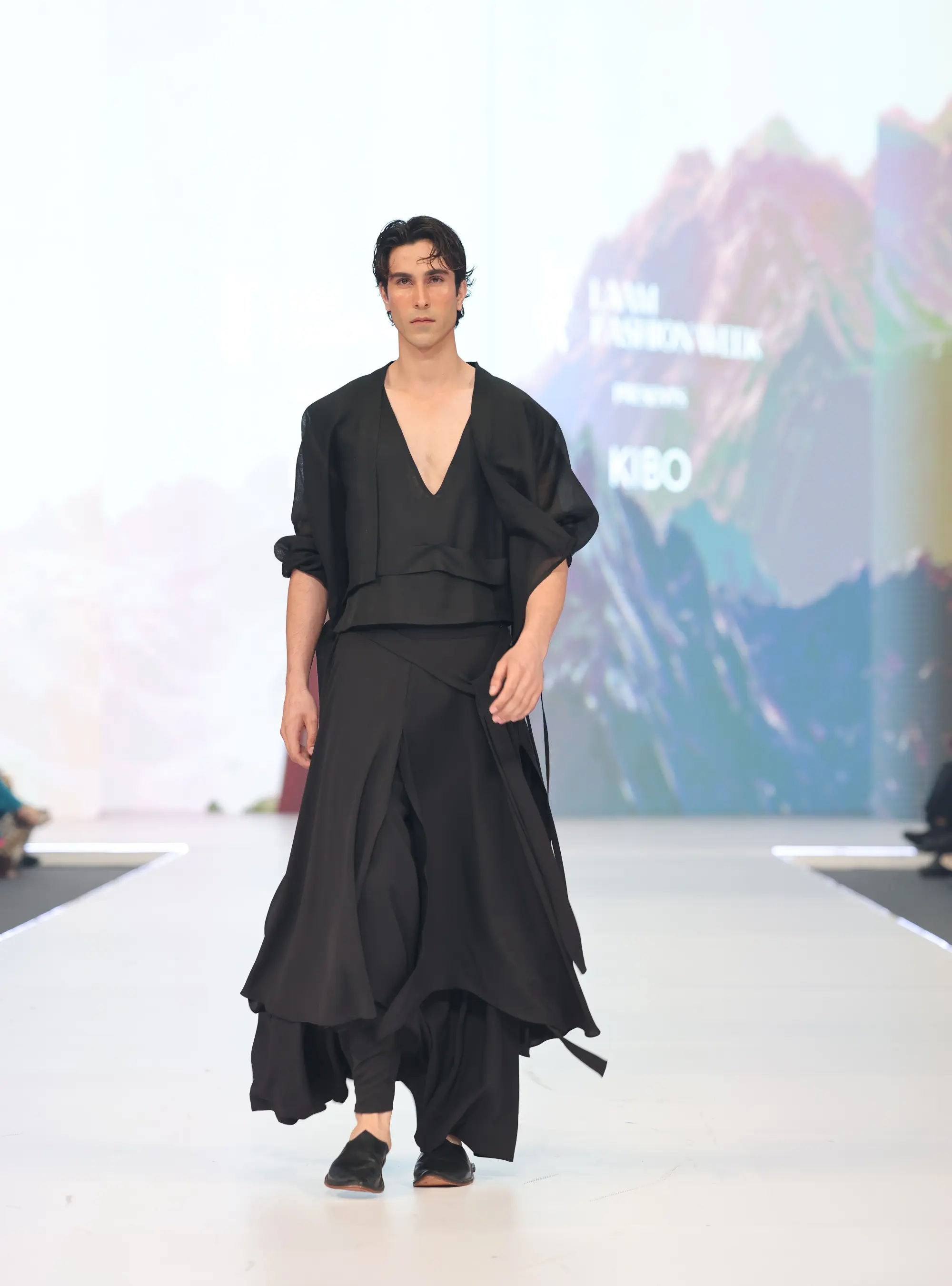
Hathghar’s Khazana put handblock printing, handloom weaving and the artisans behind them at its centre. And Kibo, a standout last season, returned with generous, layered volumes where Japanese influence met Pakistani sensibility.
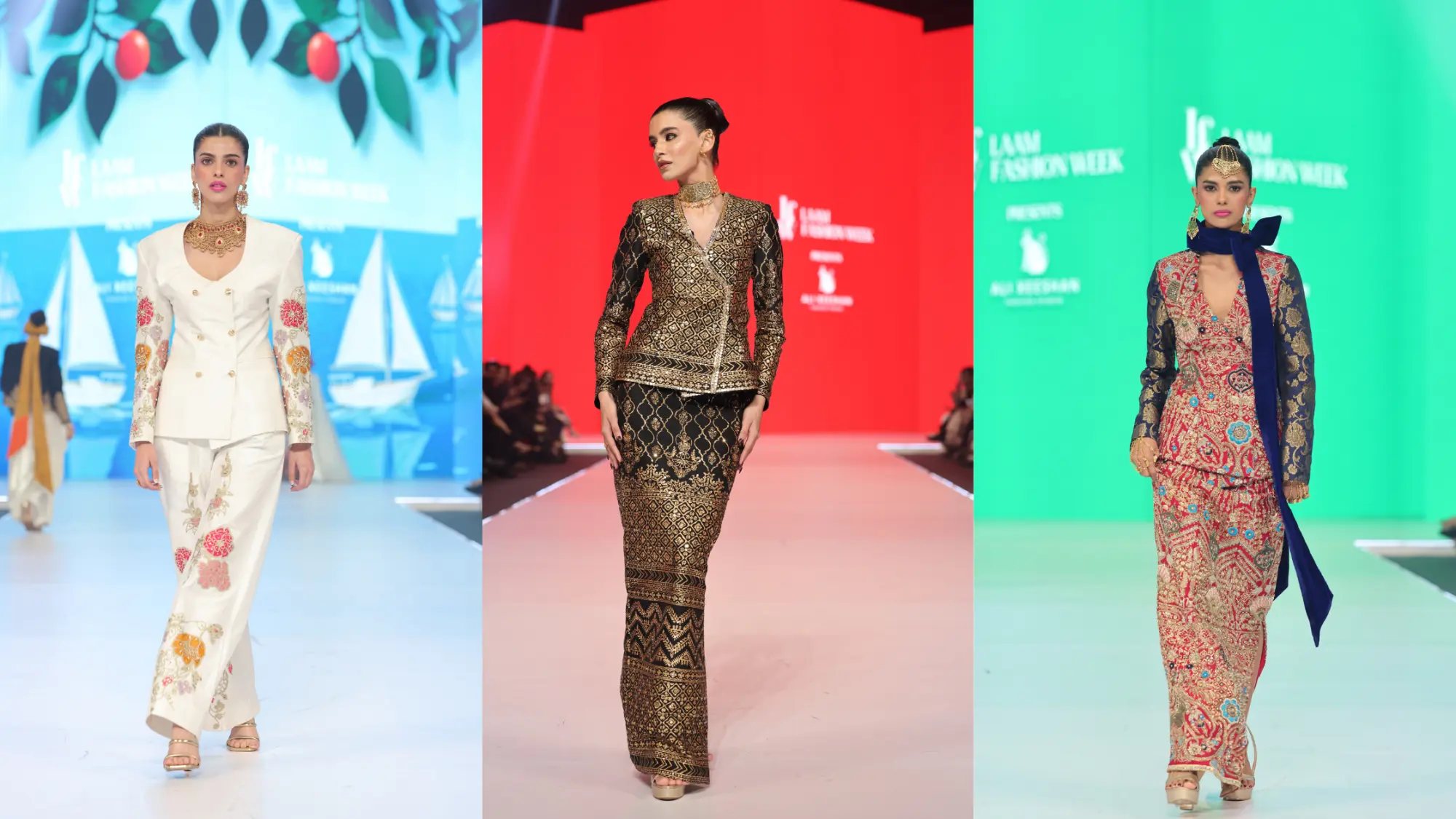
Then came redemption. In Season 1, Ali Xeeshan’s showcase was more a scattering of ideas than a cohesive body of work. This time his collection was called Maqsad, and it had one.
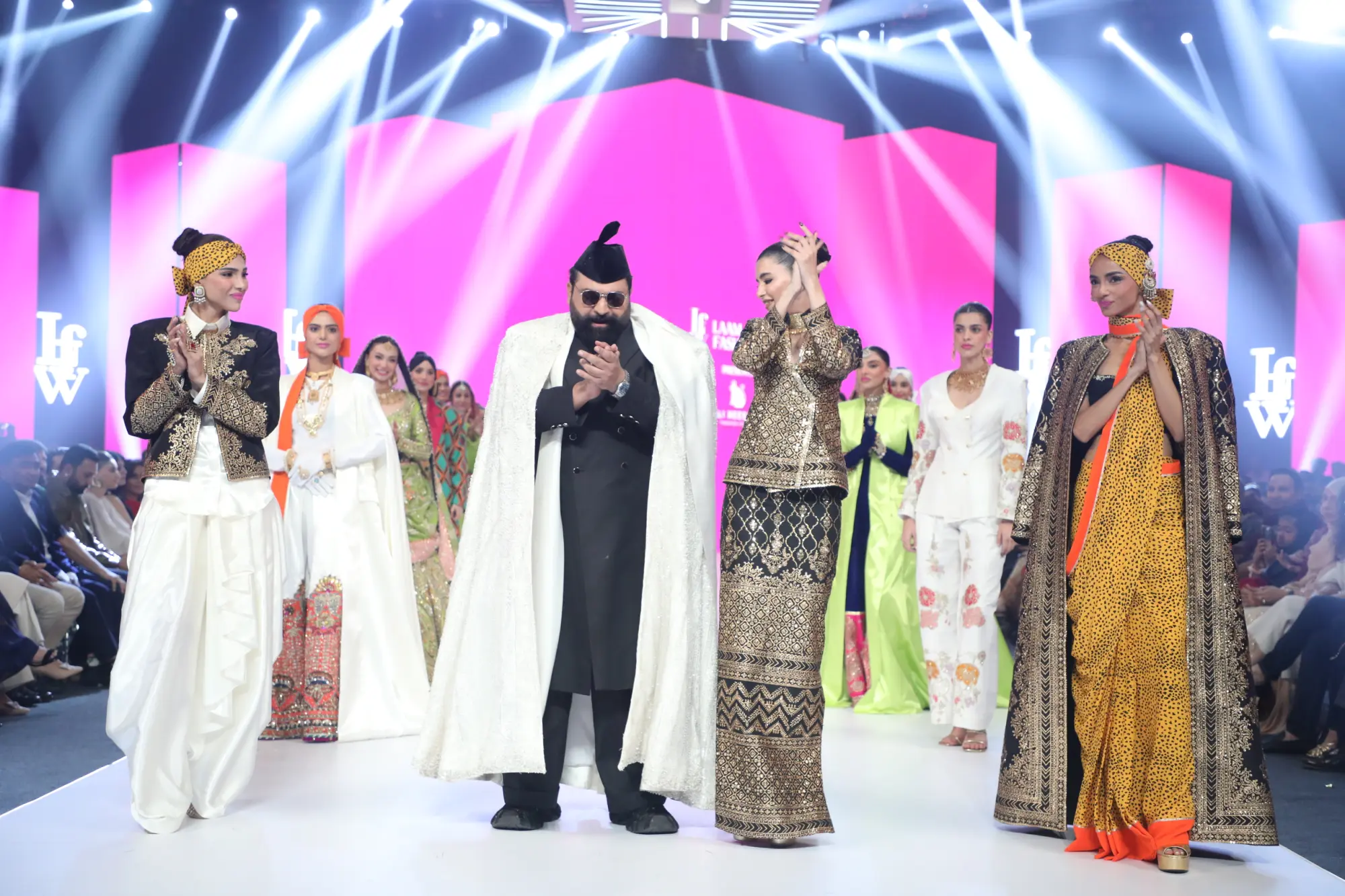
Well put together and thoughtfully curated, in fun, confident colours, it made sense on the runway and beyond it: a reminder that Ali Xeeshan is Ali Xeeshan for a reason.
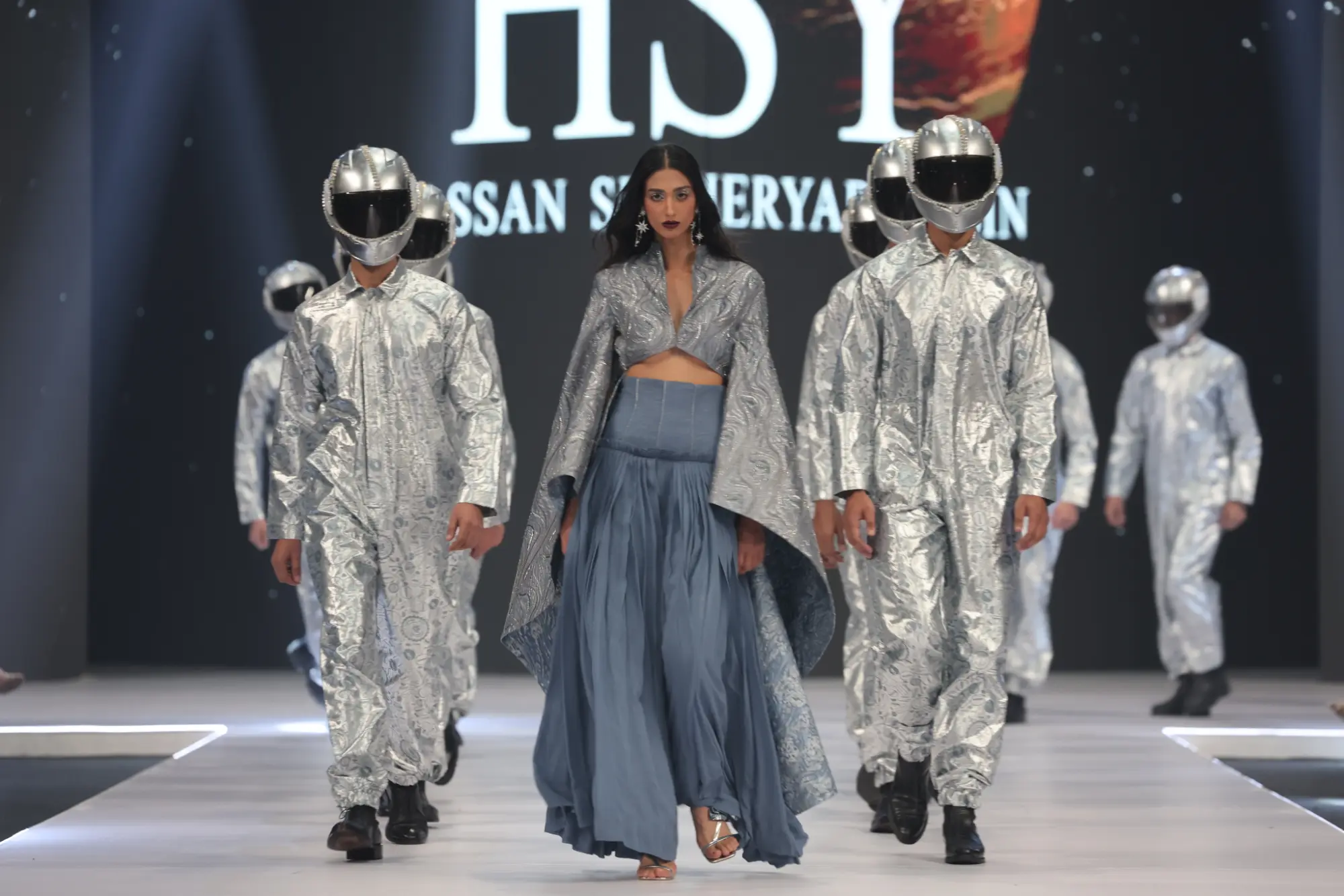
And then the finale. If anyone knows how to bring drama to a runway, it is HSY, and his collection Venus closed the season with panache: luxury pret in silver, chrome, gold, copper and rose gold, alive with crystals and shimmer. It was a departure from his usual aesthetic, but a welcome one, and the clothes were polished, wearable and beautiful. It is easy to see why he remains an icon.
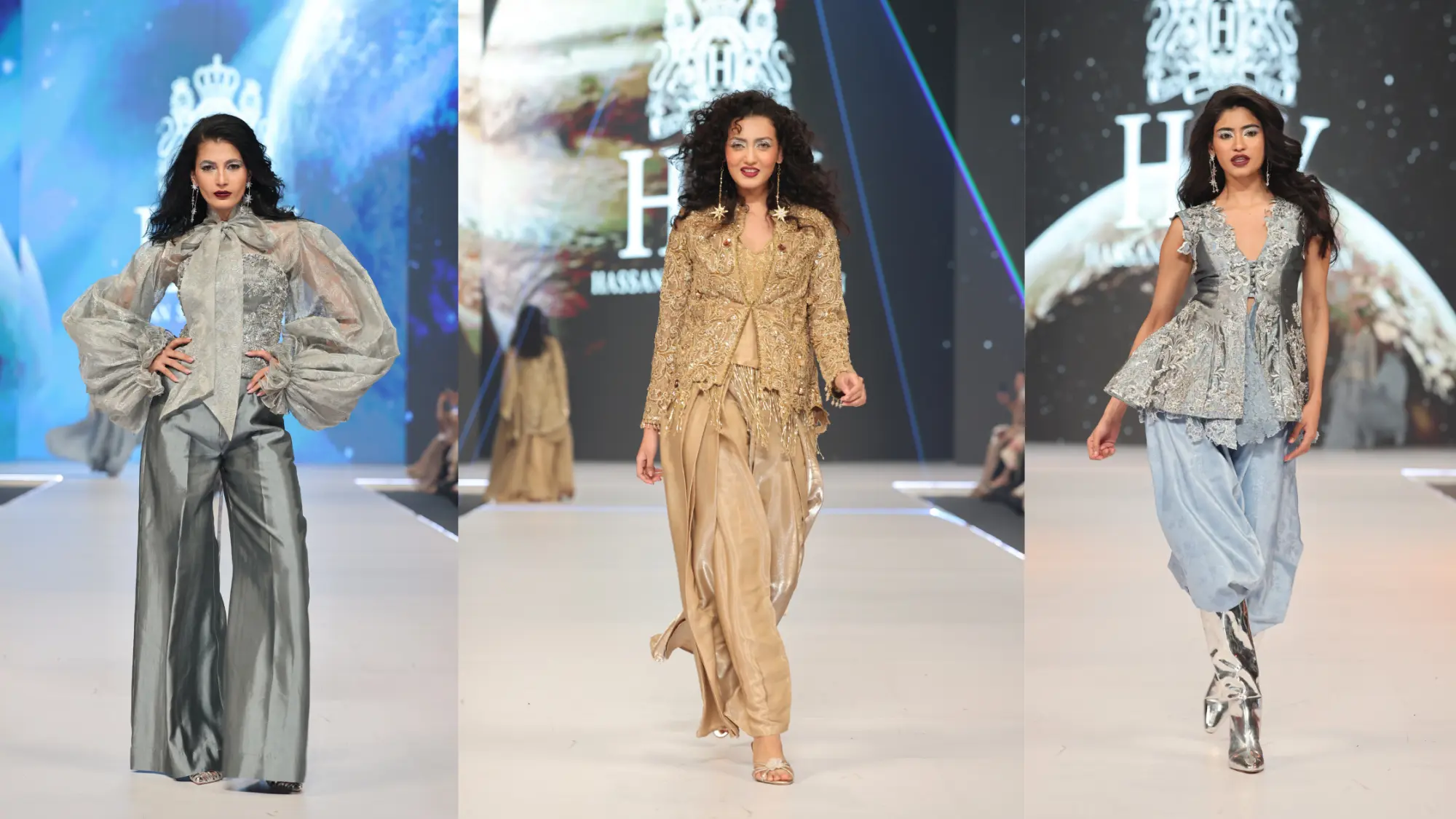
Taken together, Season 2 made a persuasive case that the runway and the rack need not be at odds. The collections that will be remembered (Jugnu Studios, Mo by Mohsin Tawasuli, Mihha) came from designers with absolute clarity about who they are, and it showed in clothes you could picture people actually buying.
On a platform that connects the runway to more than six million shoppers, that matters. A collection that knows its own mind is easier to understand, easier to style and, ultimately, easier to sell.
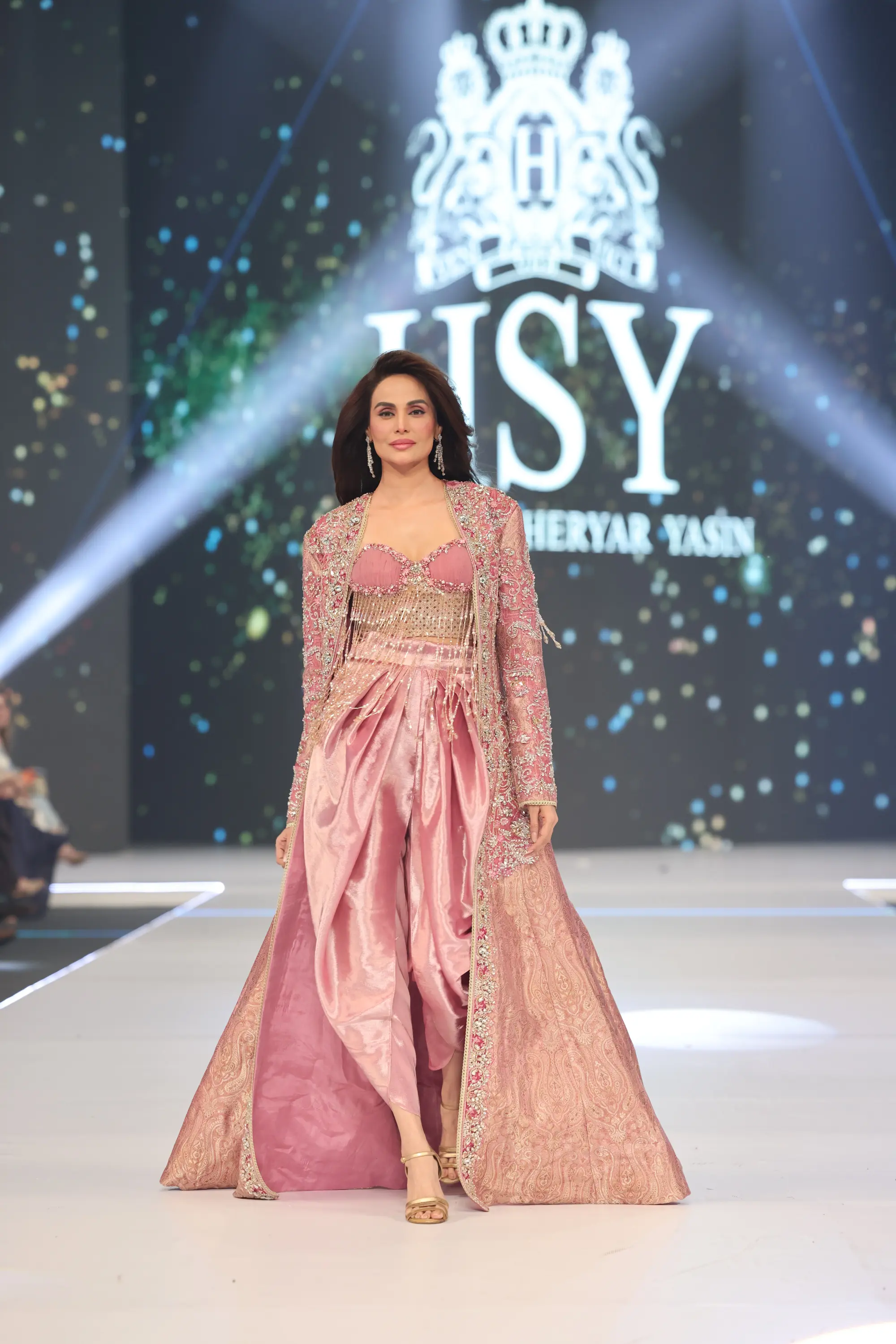
The reverse was just as clear. The weaker showings were rarely short on craft; Pakistan seldom is. What they lacked was a point of view, either because a familiar formula had gone unquestioned for too long or because a departure had no clear destination. Ali Xeeshan and HSY showed that a signature can be reclaimed or reinvented, as long as there is intent behind it.
LFW has done its part this season, with a bigger programme and a far tighter schedule. The onus for Season 3 is on the designers, and the lesson worth carrying into it is simple: a signature is a starting point, not a hiding place.
All photos by Abdul Mutaal Sani
Comments