

Rishta aunties and matchmaking apps are failing single people — one woman wants to help
If you’re a single person of a certain age in a Pakistani household, you already know the script. It begins with relatives who ask at every family gathering whether there’s any “news”. It moves to the aunties coming over for tea with a larka or a larki in mind — almost always a doctor or an engineer or someone who runs “khud ka (their own) business”. They usually leave you with far more questions than answers and with even more doubts than you had before they visited.
The third degree treatment gets worse during wedding season, when everyone feels the need to ‘joke’ about your lack of a plus one.
At some point, even if just for a fleeting moment, you’re forced to ask yourself: is there really something wrong with me?
Left to fester, that question could spiral into something darker — a gradual erosion of self-worth and dignity that, in too many cases, starts messing with a person’s mental health. And a disturbed mind, pressured by a culture that treats marriage as a deadline rather than a decision, is far more likely to rush. To settle. To say yes to something that should have been a clear no. The repercussions of that yes can last a lifetime.
Shazaf Moonis wants to change this.
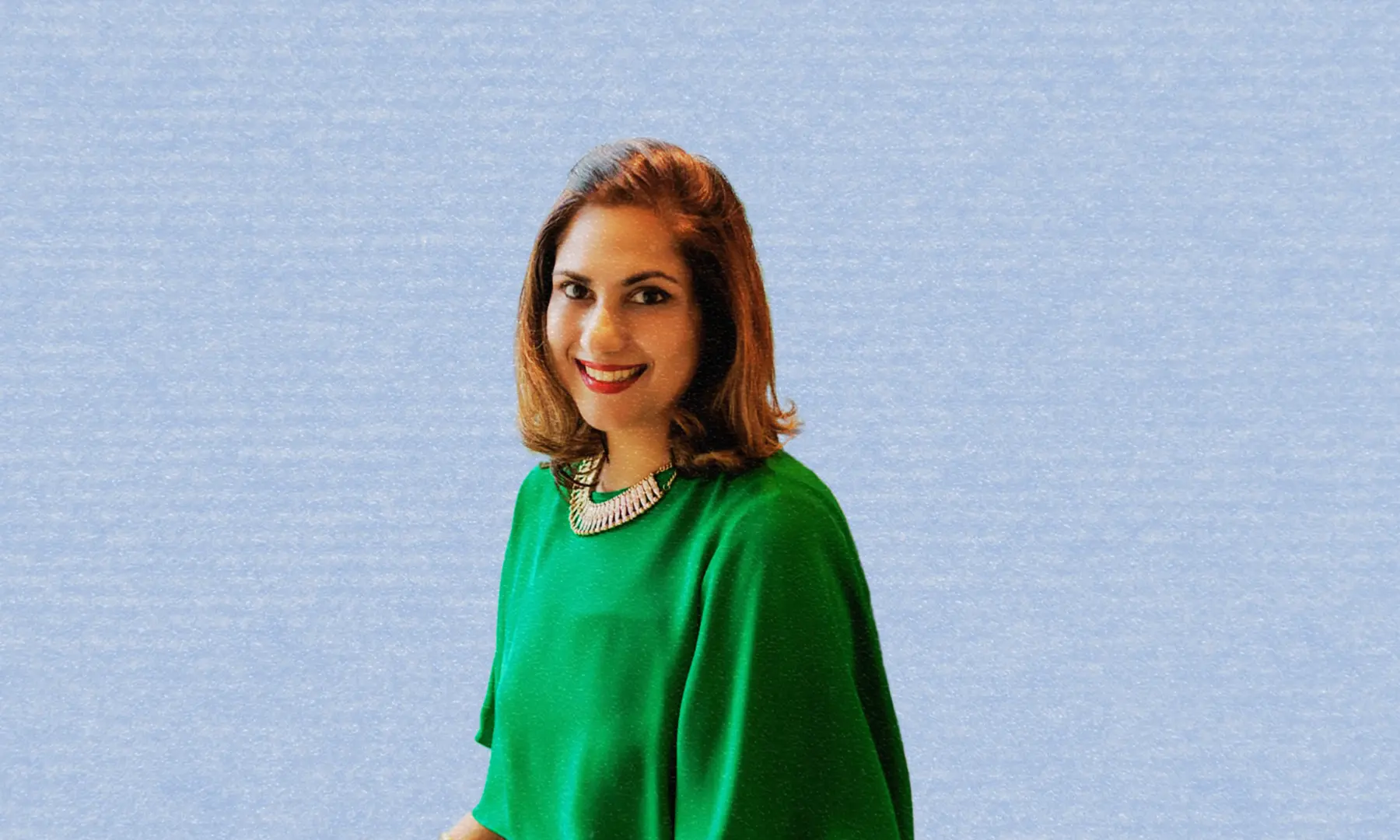
A Columbia University-trained clinical psychologist who spent years in the therapy room listening to the emotional wreckage that society’s approach to marriage leaves behind, Moonis isn’t simply trying to help single people find better partners. She’s trying to change the system that routinely pressures them into treating one of the biggest decisions of their lives as though it were a race against time.
Originally from Pakistan and now living in Singapore, Moonis is the founder and CEO of Linkked for Life, a psychology-led, invitation-only relationship service. She is also a former consulting psychologist at Meta, where she learned, from the inside, how the platforms we blame for modern loneliness are designed to keep us searching rather than to help us find.
Marriage is not the endgame
Moonis sees single people not as a problem to be fixed (usually up with someone), but as complete individuals deserving the space, protection and readiness to make one of the biggest decisions of their lives on their terms — not against a clock.
Single people are subjected to pressure and stigma, with single-shaming being a big issue. So, people need to take a hard look at themselves and ask what role they’re playing in the life of a single person, she adds.
Moonis tells me about a woman in her 30s, worn down by the pressure to find someone. Everyone wanted to know how long she planned to keep at it, saying things like “just give someone a chance”, “you’re too picky”, “you have to put yourself out there”. But if she did give someone a chance, and it went badly, those same voices could turn on her: “why didn’t you have better judgement?” or “why didn’t you stay longer?”
There’s simply no winning for her or someone like her.
“But who is putting her in that place? We unintentionally are saying things — from the media to our own family environments — that create the vulnerabilities that can then get exploited.”
Confronting those vulnerabilities head-on is the first pillar of Linkked for Life and the Single Safety Movement, as Moonis calls it. It’s a preventative model that forms the basis for a healthy process to find a partner.
The second pillar is the “high-touch” relationship service: a private, invitation-only community where every member is rigorously screened and every introduction is personally facilitated, with structured follow-ups to make sure every single person gets the clarity, support and closure they deserve.
She’s bringing her movement and service to Karachi in December where she will host two invitation-only sessions, kept deliberately small and exclusive at 25 to 30 people for an intimate setting: Between Two Worlds for single professionals in their 20s and early 30s, and Smart People, Blind Spots for those in their 30s and 40s. She’ll also mark Single Safety Day on December 11, ahead of wedding season, as a first taste of Linkked for Life.
Not a rishta group or dating app
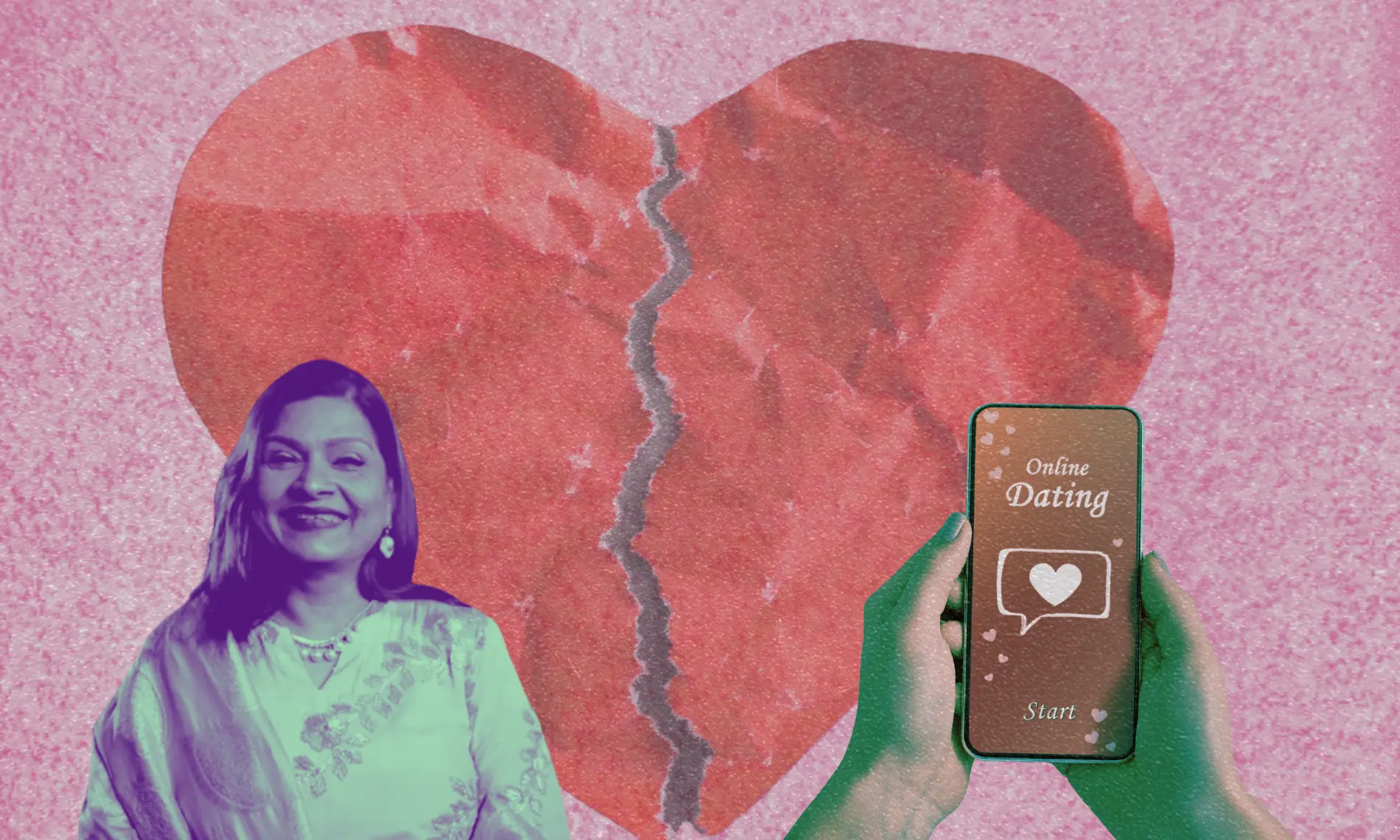
Is Linkked for Life a dating app? Or is it a rishta group? Neither, Moonis explains.
“Dating apps are very easy,” she says, adding it doesn’t take a lot to create a profile. “It promises you quantity, not quality.”
During her time in Big Tech, Moonis learnt how technology platforms are designed to maximise engagement. Dating apps, she tells me, are not built to help you find a partner; they’re built to keep you swiping.
“It’s profit over people,” she says. This insight is part of what makes Linkked for Life a counter-model rather than a competitor. It’s not trying to make a better app; it’s trying to make an alternative to the app altogether.
While the main service is indeed matchmaking, Moonis hopes people won’t lump her in with the Aunty Simas of the world. She’s referring, of course, to Sima Taparia, the Mumbai-based matchmaker known as ‘Sima Aunty’ from Netflix’s Indian Matchmaking. She respects the time and effort traditional matchmakers put into their work, however controversial it may be, but her service is built on several key differences.
“I’m coming from a trust and safety perspective. The lens is that whoever the user is, they’re going to feel fairly safe over a couple of things,” Moonis says.
First, unlike an app, not everybody gets to be on Linkked for Life simply because they can register. There’s a reason behind this exclusivity.
She explains that some people enter these arrangements without the intention of making a real commitment. Others simply just want to “play the field”. One man, she recalls, wanted to know if there were any “hot women” she could introduce him to.
“That’s not dignified. That’s not respect,” Moonis says. “With the mission of bringing trust, safety and dignity into this [process], this might not be the right person for our community. I’m very particular.”
Fortunately, not everyone who comes to her is like that. Moonis also gives the example of a man who wanted to find someone with intellect and emotional intelligence — someone he could truly connect with. And therein lies the difference: who is coming from a superficial angle and who is looking for a deeper, more lasting connection.
“So, it’s for a select few people. And that’s why we invite people to our community. The aim is to then create a trusted community. So not everybody is going to make it through.”
Secondly, privacy is a huge issue when it comes to dating apps and the desi rishta industry. Profiles containing personal — sometimes sensitive — details often get circulated like it’s nothing. Most of us have either seen or heard about people’s complexion, height, weight, even their place of work and salary being disclosed on public platforms.
This doesn’t just risk a person’s safety — it chips away at their dignity. That’s also where Linkked for Life is different.
“First of all, no profiles are circulated. I refuse to do that,” Moonis says. Coordination only happens once things reach the point of meeting someone, and even then she confirms and makes both parties aware of the intensive screening both have gone through.
Moonis tells me about a desi matchmaker she connected with who, right after their introduction, sent her a woman’s profile — complete with tone-deaf descriptions like “fair complexion”.
“That’s not my cup of tea. I refuse to bring down the dignity of people. I feel it’s objectifying them like anything.”
Dignity, for Moonis, means something deeper. It means introductions are not a transaction but a judgement call made with care. Moonis looks for values and micro-gestures — how someone respects another’s time and how they treat the people in their lives.
Thirdly, Moonis says her platform reduces the risk of people feeling unsafe or being ghosted when meeting someone in person, especially when it happens for the first time.
“That all goes away because I always make sure the first meeting is facilitated. Both parties are vetted. The onus is not on them if it’s awkward. I ease that, and then post-meeting there will be closure,” she says.
“Because I know both parties, and if they say they’re not sure about it, I have the privilege to sit and discuss whether this is about the present or something coming from your past,” she adds.
If someone is investing their time and showing up, Moonis refuses to let them walk away wondering if something is wrong with them just because the other person didn’t.
We research cars — why not partners?

“We have due diligence for everything in our lives,” Moonis says, pointing to how people will research a car or an expensive phone to the point of obsession. So why isn’t that same care applied to what is probably the biggest decision of our lives?
“In our personal life, we’re going to share our most vulnerable, fragile moments with this person and that’s a make or break for you and that’s where we’re least vigilant,” she says with a hint of disbelief.
This lack of vigilance or need to get married for ridiculous reasons can have lifelong repercussions.
Moonis tells me about a case where parents married off their 29-year-old daughter because they didn’t want her to turn 30 unmarried. That’s it. That was the reason.
The result? The marriage ended in divorce after certain ‘undesirable’ things began surfacing within the first six months. Her parents regretted not doing their homework, saying they should’ve looked into it properly.
Moonis works with a lot of senior professionals — people at the top of their fields — often women in their late 30s and 40s, whose lives were reshaped by certain events, like the death of a parent or a career move that forced them to choose between their personal and professional lives. And people are often quick to judge them.
“Our [society’s] thing is immediately, kuch toh hoga jo ab tuk koi ni mila (there must be something wrong with you, since you haven’t found anyone yet),” she observes.
Those quick to judge single people, especially women, fail to see what Moonis sees: life simply doesn’t always fall into place.
She talks about a professionally successful person in their 60s who approached her, having put off marriage for the longest time to care for a parent. The realisation is only hitting them now that they’ll soon be alone. Society would consider such a profile a giant red flag, Moonis says, but that’s the part that needs to change and that’s exactly what her single safety movement targets.
Another key thing Moonis points out is that judgement towards single people isn’t exclusive to desi communities. The West shares a similar affliction.
She cites the example of a 30-year-old white man from the United States who wants to settle down because, at his workplace, married people are seen as more responsible.
“There’s family and societal pressure in desi communities,” Moonis says. “There’s peer pressure in the West. This is global.”
Moonis’s psychological lens tackles this hastiness. It keeps the focus on what matters most. So, if you’re on a timeline, Linkked for Life isn’t for you, she says. Good things should take time.
How does it work?
While the term psychologist can conjure up intense images — as if people are being grilled or analysed in a dark room — that’s not the case at all. Instead, Moonis aims to establish a connection.
The process starts with a free registration but not everybody who registers gets to be a part of the community. That comes later.
The next step is a 20-minute call, which Moonis calls a quick “chemistry fit check” where she looks for “intellectual depth, emotional maturity (very much value-based) and a healthy sense of awareness”. She points out this interaction is also an opportunity to ask her about her work.
During this step, Moonis decides who is a good fit for the community and who isn’t because if someone comes in with the attitude of wanting a lot but not focusing on who they are, then, Moonis says, “We’re already losing the plot.”
What follows is a two-hour “lovely conversation” where the high-touch service comes into play. This part isn’t just about preferences and interests.
“What I’m looking for is relationship patterns, healthy dynamics, role models in their lives or any type of blind spots,” Moonis explains. During this session, she does a “quick mental health hygiene”, during which she looks for “intensity, recency and frequency of any mental health episode”.
“All of us have issues, such as situational anxiety or depression. But what I want to make sure is that there’s not something lingering that somebody else is going to come across.”
Moonis cites a case where a man’s relationships had failed three times. He felt a lack of closure because he couldn’t understand what was happening to him. Through her relational readiness sessions, Moonis discovered that he had grown up in a household where his parents had always communicated in a passive-aggressive way.
That was what he had absorbed and it was quietly shaping his relationships. Moonis helped him see that without fixing how he communicated, he was at risk of repeating the same pattern all over again.
After the two-hour session, Moonis likes to speak to other people in that member’s life — two to three people they’re comfortable nominating — just to help her get an idea of how they are with the people in their lives and how those people talk about them, because all of these things later translate into a marriage or manifest themselves.
“We’re a product of our society, of our families,” Moonis remarks, so that influence is what she likes to analyse, which then completes the psychological lens process, helping her customise profiles.
This can take up to two to three weeks, depending on where people live and their availability.
Pricing, understandably, reflects this detailed structure. Linkked for Life is a private, invitation-only service and not a one-size-fits-all package. Registration of interest is free; the investment begins once a member is accepted into the community.
Not a matchmaker — a changemaker
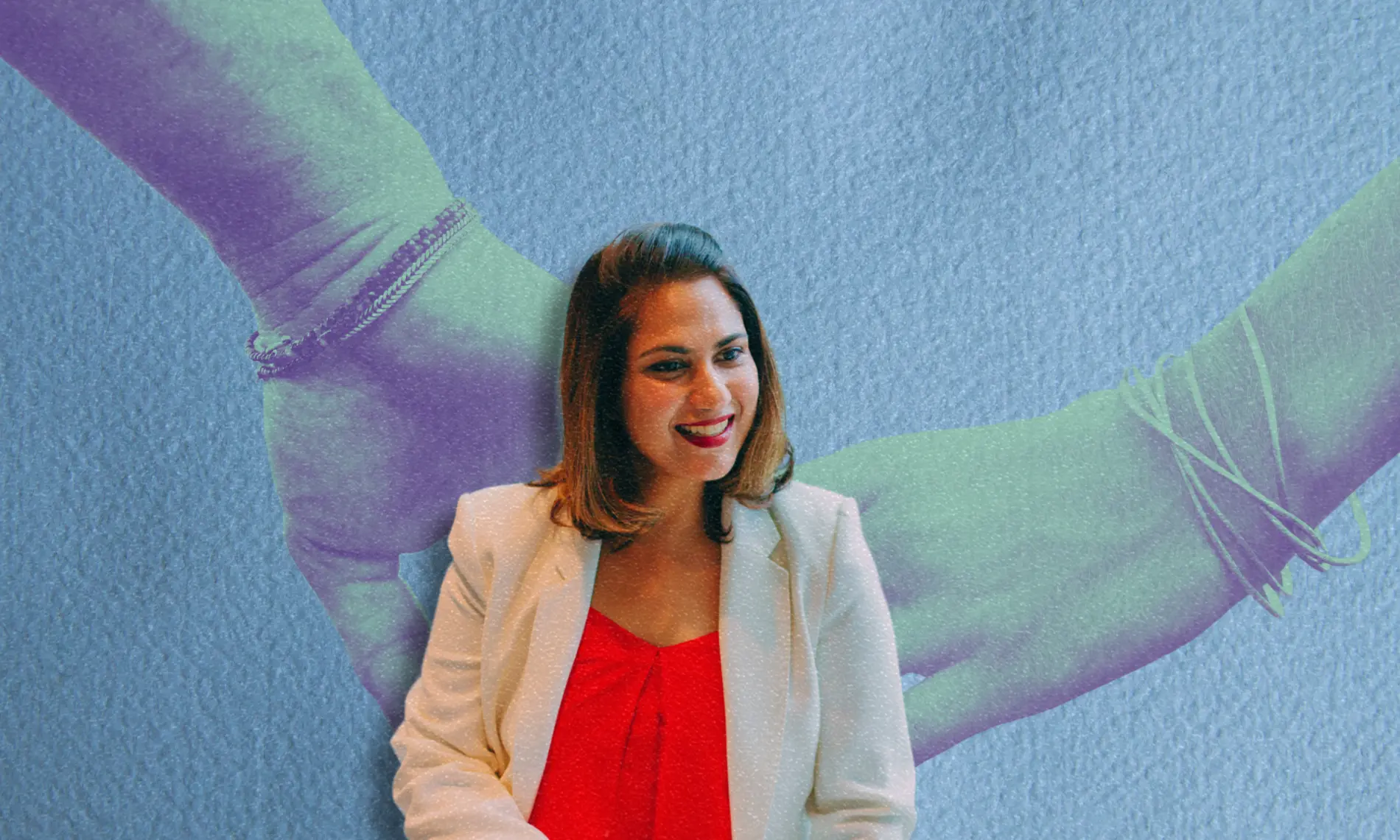
Even if they never become members, Moonis hopes people will take away the single safety standard — a way of thinking about singlehood, about partnership, about safety that they can hold in their families, friendships and workplaces.
“Take whatever approach that works for you and makes you happy, but make sure that you do it safely and with dignity. Your self-respect is intact and you’re doing it out of desire and not out of fear,” she says.
The movement is not about her service. It’s about changing the conditions that make singles vulnerable in the first place. And if enough people decide to hold that standard, the ecosystem itself begins to shift. Change will come.
Moonis says there’s hope as Pakistan is filled with intellectuals, but it’s just that we as a society we’re rather casual about the process of marriages, often saying things like “bus yehi hota hai. Isi tarha hoga (that’s how it works. That’s how it’ll be)”. But someone, she points out, has to come and say “isi tarha nahi hoga (that’s not how it’s going to be). Let’s get together and bring about that change”.
This is exactly why she doesn’t refer to herself as a traditional matchmaker. Moonis is a changemaker.
Comments