

'I feel sorry for them': Nameer Khan on the Zamils of the world and how to stop making more of them
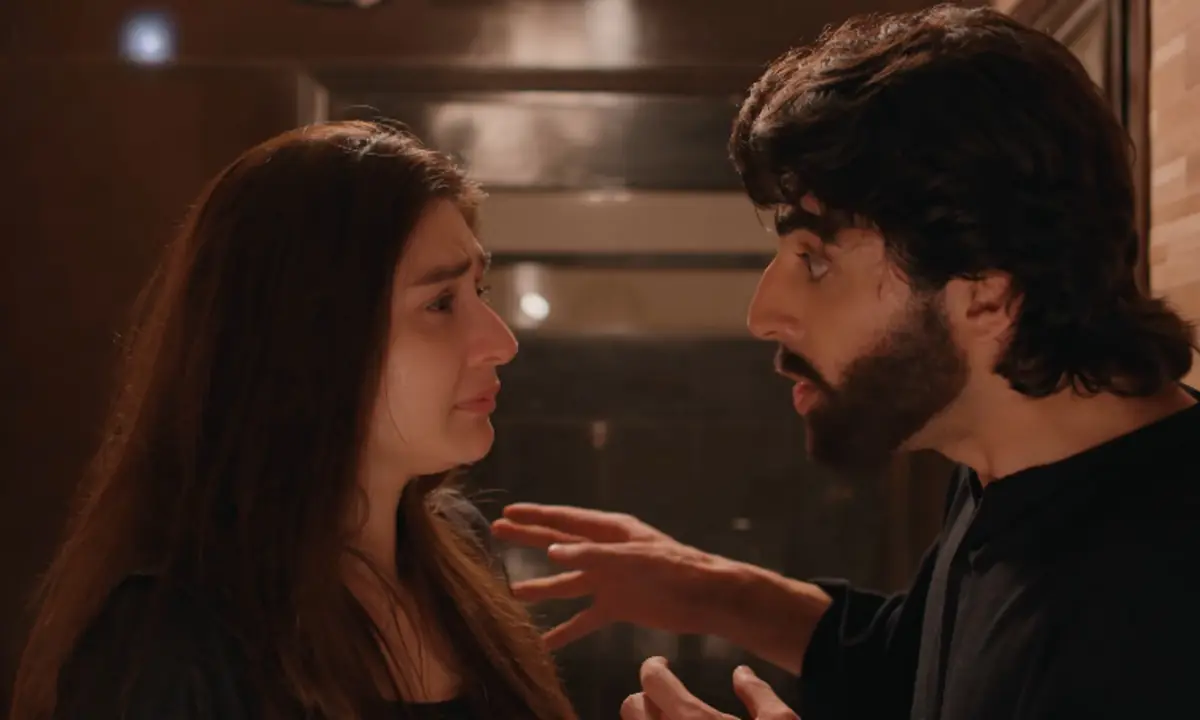
With the internet rightfully dragging Dar-e-Nijaat’s Zamil (Nameer Khan) through the dirt for what he did to Zaryab (Durefishan Saleem), the actor has spoken out about the character he plays on the show and how everyone knows a Zamil.
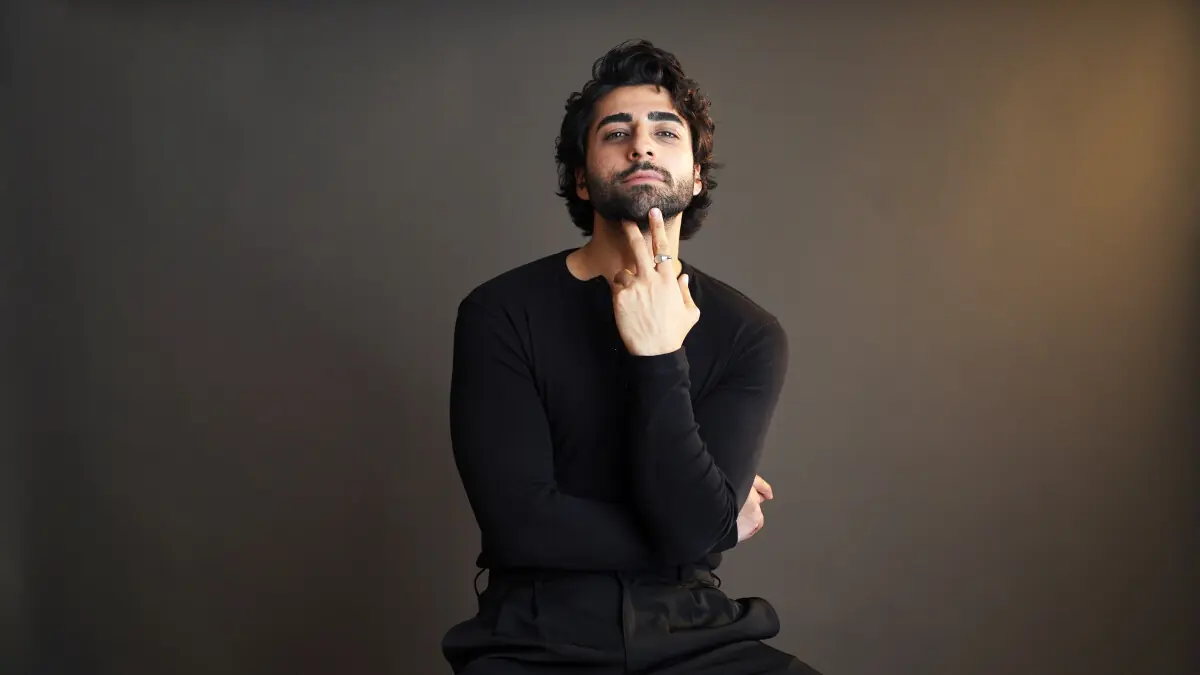
Speaking to content creator Bilal Hassan — popularly known as Mystapaki — Khan said Zamil wasn’t just a person, he was a mindset, one which he had seen personally in men and boys he grew up with.
Quoting one of his earlier social media posts, the actor said he would often wonder how these young men, who had mothers and sisters at home, could allow themselves to objectify women the way they did. “I used to question how they allowed themselves… how their mindsets allowed them to speak this way about a woman.”
Hassan brought up how people who are part of these discussions, even if they don’t necessarily agree with what is being said, don’t call out their friends, which is also part of the problem. Both men agreed that many of these boys then tell tall tales to try and top each other in becoming “Zamil Pro Max”.
“What they don’t realise,” Khan said, “is that that in doing this, they are ruining the girl’s life”.
The content creator brought up Zamil’s crisis of faith, which sees him blame Zaryab for his own moral failings, to which Khan said you could pull out anything about his character on the show and it will be problematic.
Khan said his core issue was an identity crisis, which was the result of getting everything he wanted in life with relative ease. He said Zamil really started questioning himself when he failed to succeed as a student and that got worse when he crossed paths with Abu Bakar (Sheheryar Munawar) — whom he saw as a rival.
Faith, said Hassan, was also a matter of competition for Zamil, something his guest completely agreed with.
“Zamil’s exploitation of Zaryab with regards to his faith… it’s an absurd thing, an absurd mindset and I have seen such people in life, Bilal. They exist and I feel sorry for them,” the actor said.
When asked whether there was a message in all of this and how we can stop producing more Zamils as a society, Khan said the development of such people and their mindsets began in their childhoods. He said a lot of the damage came from sitting with peers who objectified women and engaged in locker room talk, which boys engage in to “fit in”.
The actor said the way to fight that was through better parenting and trying to deter such behaviour in schools.
Hassan added to this, saying there was a need to raise boys who were “emotionally in touch” but also knew they could be “held accountable” for their actions. He said this also had to start at home, with boys being taken to task for misbehaving with girls and women in their households.
Khan said another important thing to instil in men and boys was empathy, which would allow them to put themselves in other people’s shoes. “If I have empathy and I am about to talk about a girl, I will think, ‘If this happened to my sister or my mother, how would I feel?’ So that’s the point where, whatever wrong course of action you were about to take, you stop.”
Both men agreed that society often told men who didn’t participate in its misogyny they were “boring”, but that it was “better to be boring and better to be alone than to become a Zamil-like character”.





Comments