
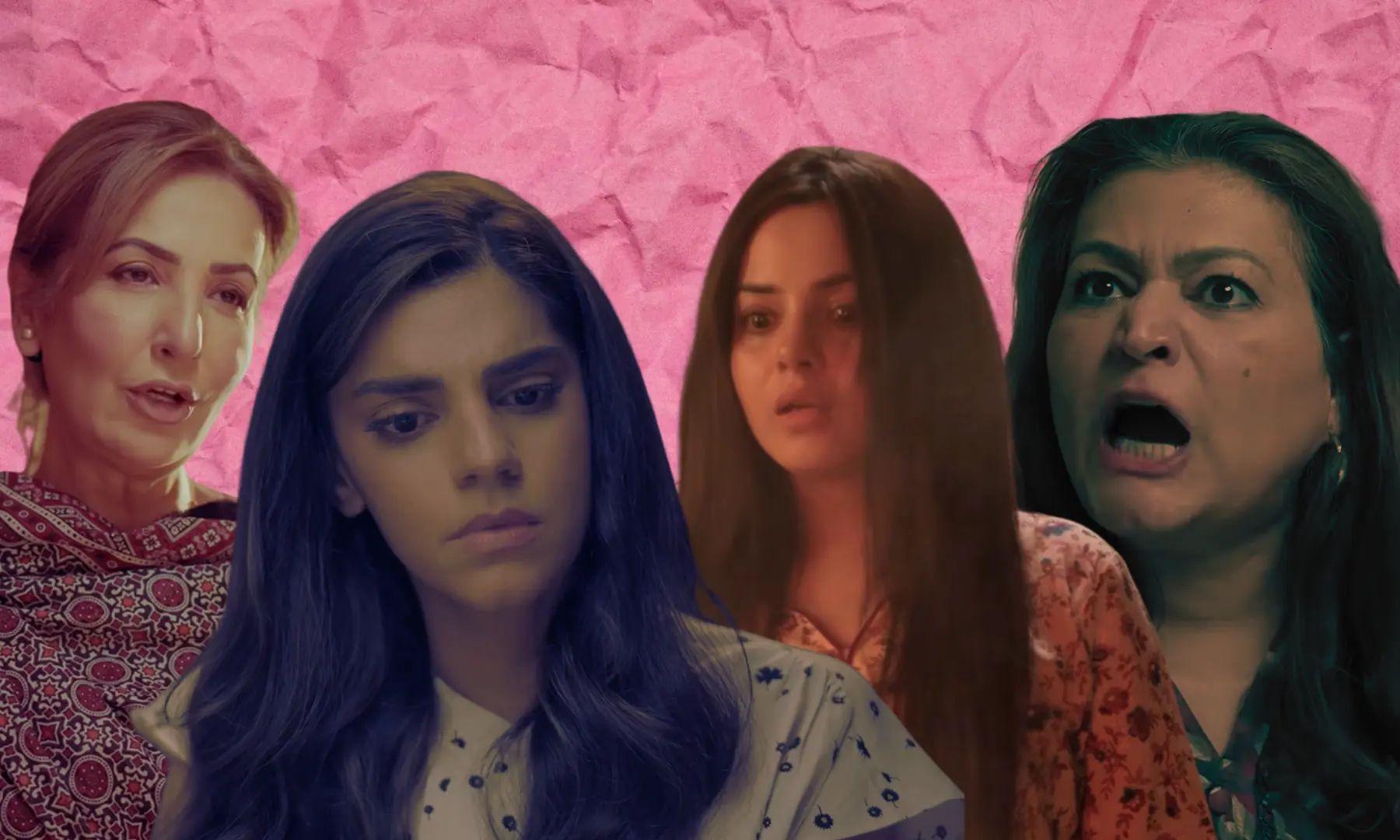
The women of Gulbahar are not okay
We’ve seen the addition of several new dramas to Pakistani television this season and most of them have sparked genuinely meaningful conversations. Mitti De Baway takes on casteism, Dar-e-Nijaat questions gendered double-standards over redemption and Hurmat sheds light on the plight of women whose lives are controlled by men.
These dramas, in their own ways, have given us women who feel like people rather than plot points. Mahira Khan’s Bilqees Bano is a strong-headed grey character who’s calling (sometimes literally) the shots. Durefishan Saleem’s Zaryab, while going through a painful break-up, is wholly aware she’s making all the wrong choices. Dananeer Mobeen’s Hurmat is on her way to finding herself. Yes, these characters have flaws. But they also have agency and stories worth telling.
Then there’s Gulbahar and its women.
Expectations were high from this Sanam Saeed-Emmad Irfani starrer, especially after the two actors won the hearts of fans with their portrayal of a dysfunctional couple in last year’s Kafeel.
The rest of the cast also comprises big names such as Shahood Alvi, Sabahat Bukhari and Saife Hassan along with rising talent Komal Meer. Its writer, Aliya Bukhari, has written hits like Mere Qatil Mere Dildar and Dil-e-Muztar and Khamoshi. Plus, the fact that industry veteran Mehreen Jabbar is the one directing it just took the anticipation to another level after Gulbahar’s teasers first aired last month.
Eight episodes in, though, it doesn’t seem to be connecting with the audience. The reason, honestly, isn’t hard to find: the story revolves around a man and his two wives and whether they can learn to love each other as they are.
The premise understandably feels quite regressive and the problem, unfortunately, can only be traced back to its women characters. Yes, patriarchy has made them what they are, but at some point, one has to ask: why do the women in Gulbahar seem to be doing all the wrong things?
Let’s break down what exactly is wrong with each of them — and what they should be doing instead.
Sara
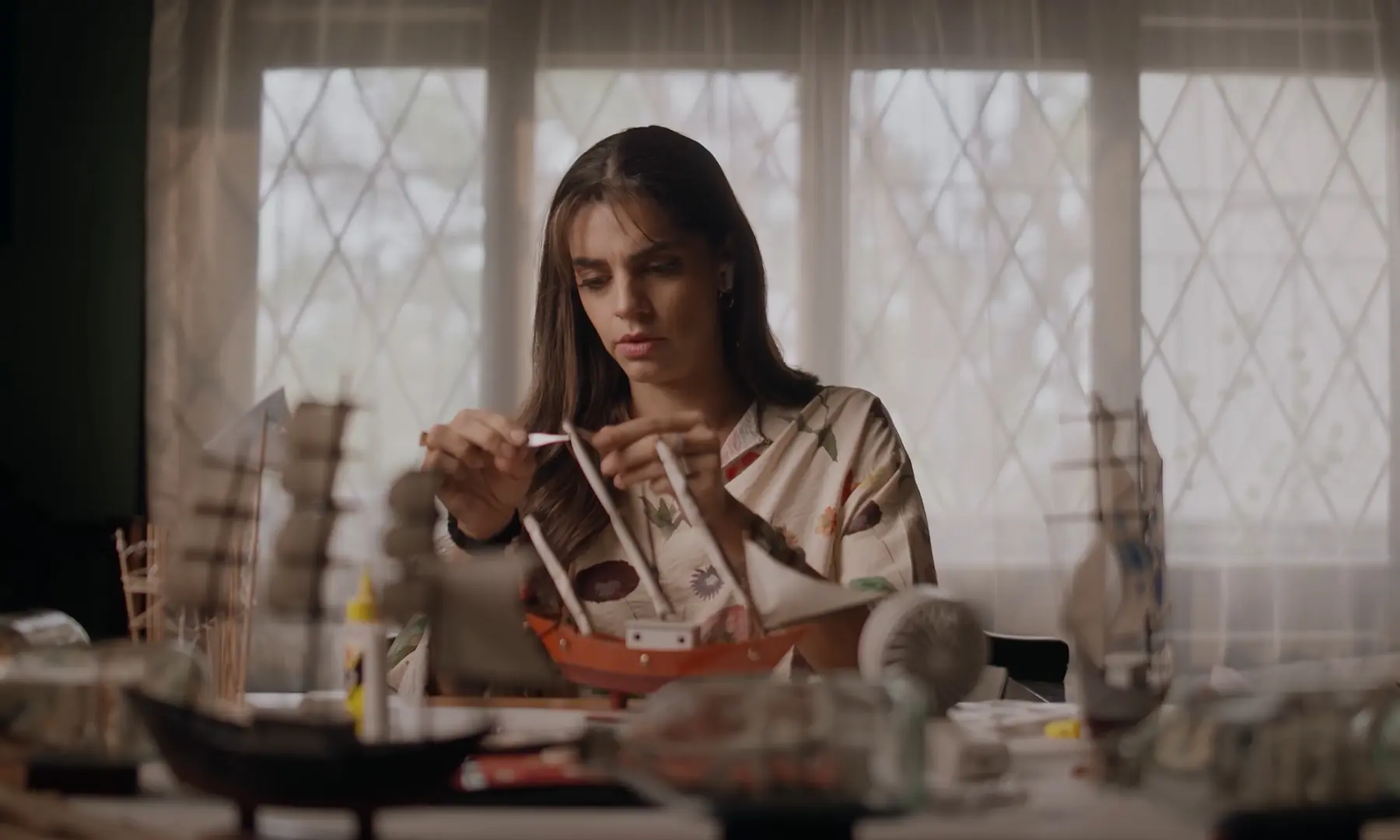
Sara (played by Saeed) has been married to Sheharyar (played by Irfani) for 12 years and, by all accounts, they’re happy together.
In Sara’s first scene in the drama, we see her working on model boats. It’s a small detail but looks promising because in Pakistani dramas, stay-at-home wives are rarely shown as people who have real, interesting hobbies.
However, we soon find out there isn’t much to it. Sara, as it turns out, can’t have children and adoption is out of the question because her husband’s family doesn’t approve of it. So that becomes her whole identity in the story.
Sara’s sister-in-law, Shehnaz, keeps issuing unsolicited doom-and-gloom warnings about the dangers of growing old without children and she humours this toxic woman every single time.
Sara tells her objectively insufferable sister-in-law, calmly but firmly, that she will never allow Sheharyar to marry a second time. It isn’t exactly a moment of defiance because we know what’s coming. We know she’ll break under the psychological weight of societal expectations. And break, she does.
In the eighth episode, Sara gets her husband married to another woman. In fact, she arranges it. This self-possessed, educated and skilled woman gives in and actually believes that by getting her husband married to a seemingly innocuous person, the three of them will get a child and live happily together.
It’s as absurd as it sounds.
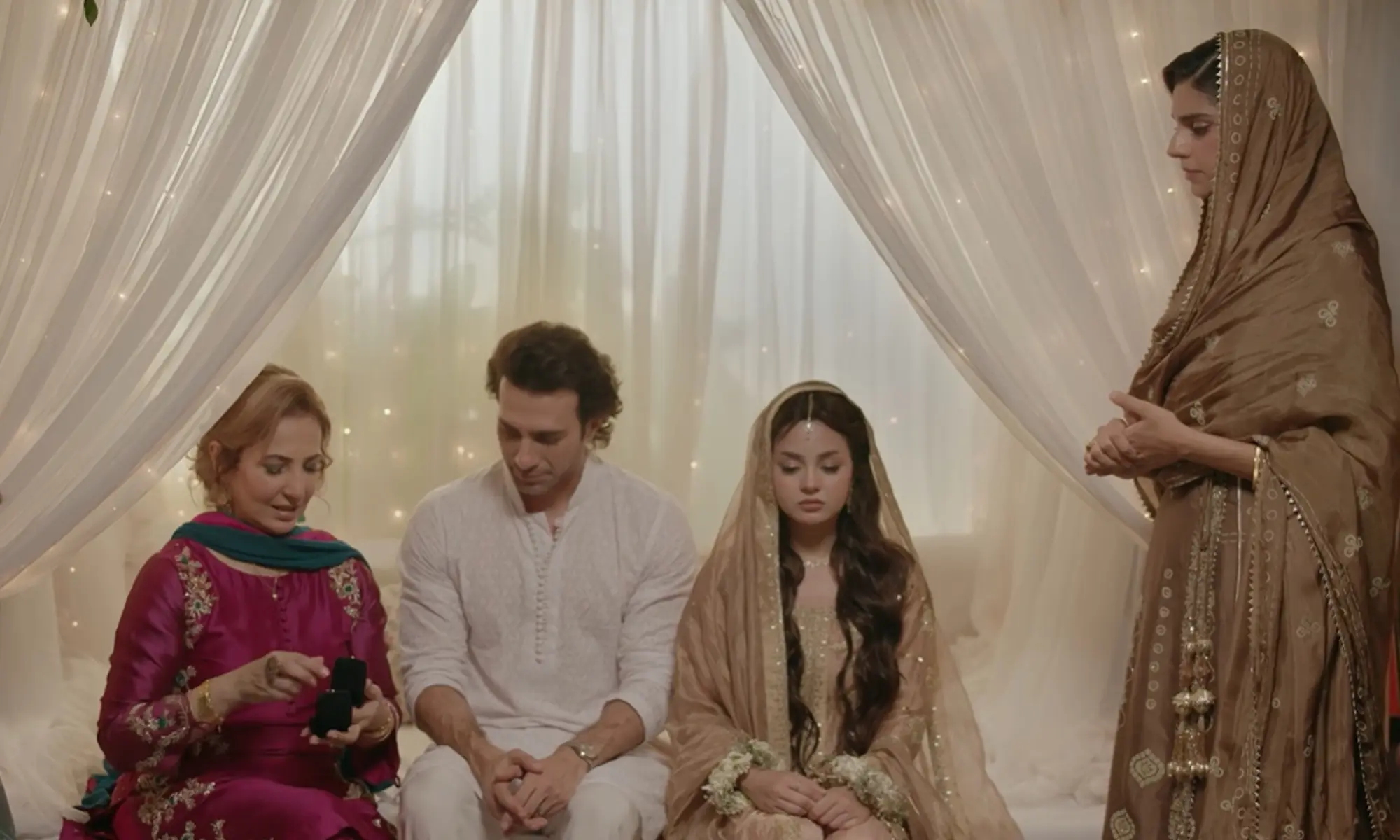
To absolutely nobody’s surprise, in the coming episodes, we’re going to see this reasonable woman turn into a jealous, insecure wife. How is this leading lady material?
What Sara should be doing is drawing boundaries. She should tell her sister-in-law that marriage is not a business that requires a successor to continue. Also, Sara and Sheharyar need to do this together. Their bond seems strong enough to survive this.
Sara is an educated woman. If she doesn’t want to have a career, she can volunteer. There are many ways to give back to the community, especially children. At this point, anything would be better than serving tea to Shehnaz.
Sara deserves a story where she’s allowed to say no, mean it and not suffer any consequences for it. It’s 2026 (actually we’re nearing the end of it) and we need to stop writing stories that tell women who can’t have children that their worth is measured by and limited to their wombs.
Diya
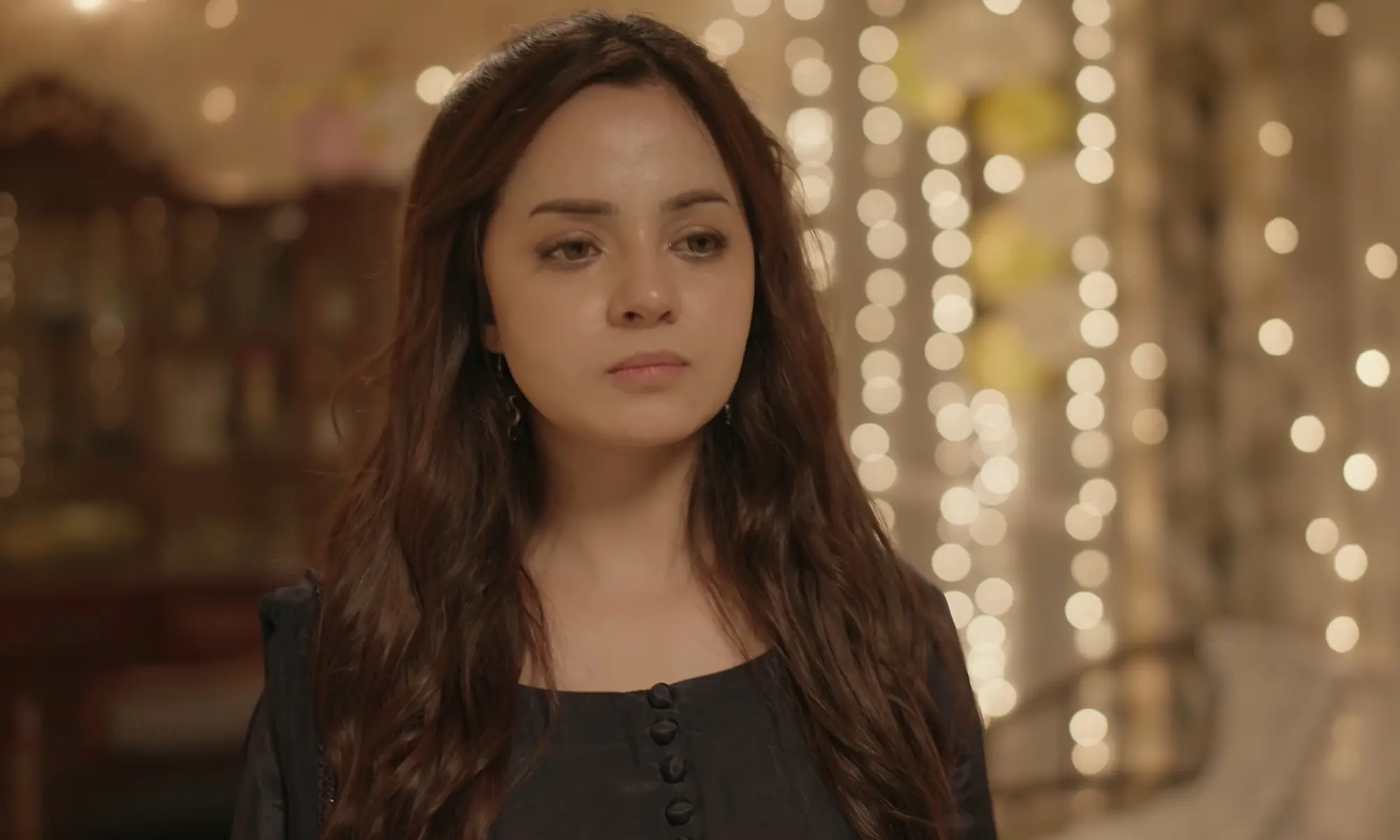
Diya (played by Meer) starts off as what is the closest to a strongly opinionated woman in Gulbahar. She is young and ambitious and has big plans for her future, primarily because she wants to be able to afford basic necessities for her parents. Diya is in a relationship with her cousin Azar (played by Sheikh Sabahat), but she’s in no hurry to get married. Diya also lives in the same neighbourhood as Sara and the two share a sisterly bond.
In addition to lack of money, Diya has another adversary: her phuppo, Samina, who is also Azar’s mother.
For reasons that will be disclosed later, Samina hates Diya. A lot. She doesn’t want her son to marry her and she’s pretty vocal and public about it.
To her credit, Diya stands her ground when Samina goes off the wall at a family gathering and severs her relationship with Azar — all to protect her self respect.
Commendable, right?
It doesn’t last long. Soon after her break up, Diya is orphaned. A fatal gas explosion claims her parents’ lives, stripping away her entire support system and reason to live.
This unimaginable grief could’ve been used to propel Diya’s story forward. The drama decided to go the other way. She’s grieving, vulnerable and financially desperate. So all the grown-ups around her decide that there’s but one solution to all her problems: marriage.
Sara wants to take care of Diya but can’t keep her at home because there’s no concrete relation between them.
Soon enough, the drama positions Diya as the obvious candidate for Sheryar’s second wife — not because she wants this, but because she needs protection. So, essentially, Sara decides Diya isn’t a threat and would agree to a loveless marriage where she’d produce heirs.
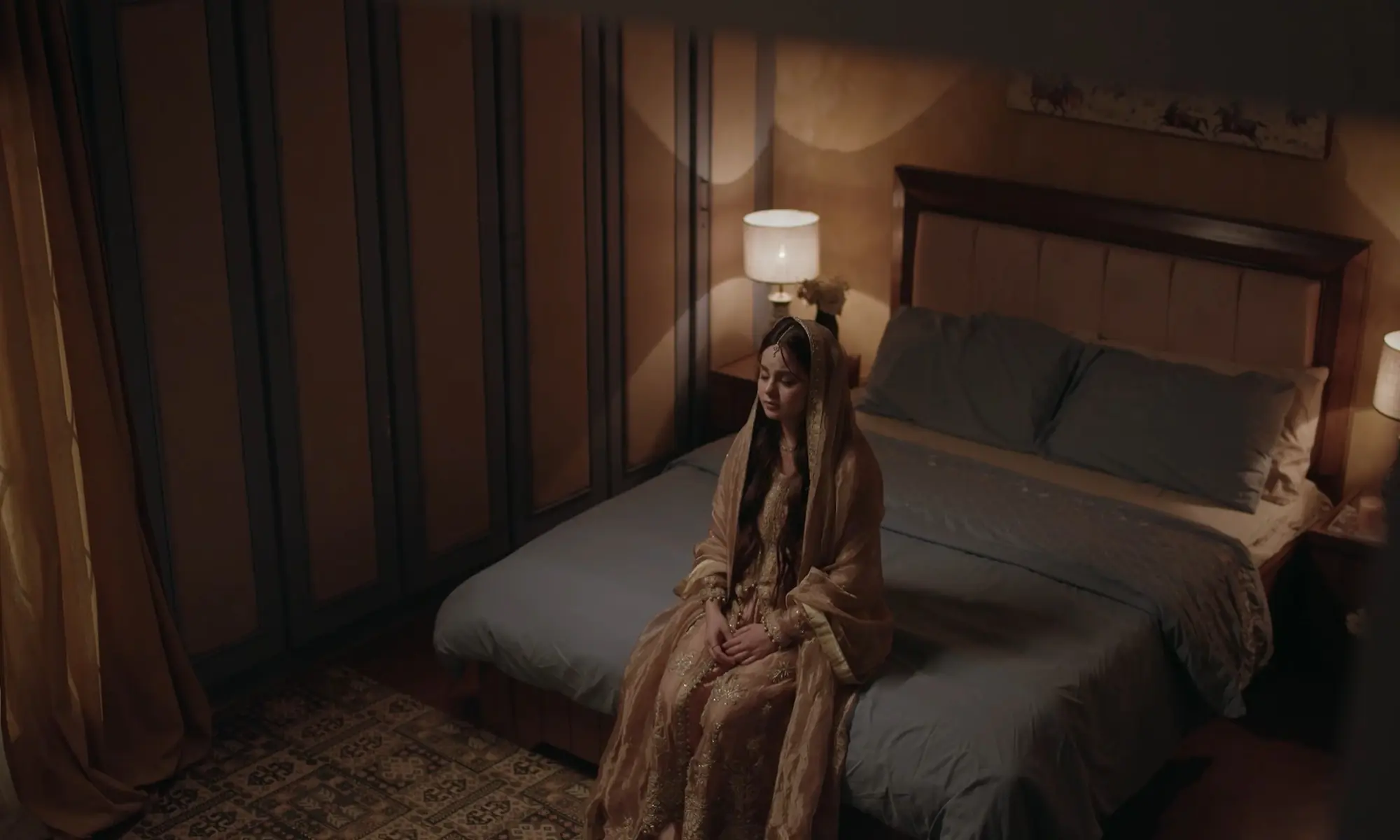
What’s wrong with Diya isn’t Diya herself. It’s the narrative that has decided a grieving young woman is the solution to another woman’s infertility.
If Sara is being limited to her womb, Diya — a young woman with potential — is being written as a vessel, a means to an end. Her phuppo’s hatred compounds her isolation, leaving her completely vulnerable to financial and emotional distress. But a woman’s vulnerability should not be a plot device.
What Diya should be doing is finding her own footing, her own future — without being folded into a marriage that’s not hers to begin with. She doesn’t need Azar and she certainly doesn’t need Sheharyar. Are we really telling young women that the best thing they can do with their lives, if they’re alone, is get married?
Diya deserves a story where she is not the answer to someone else’s problem.
Shehnaz Aapa
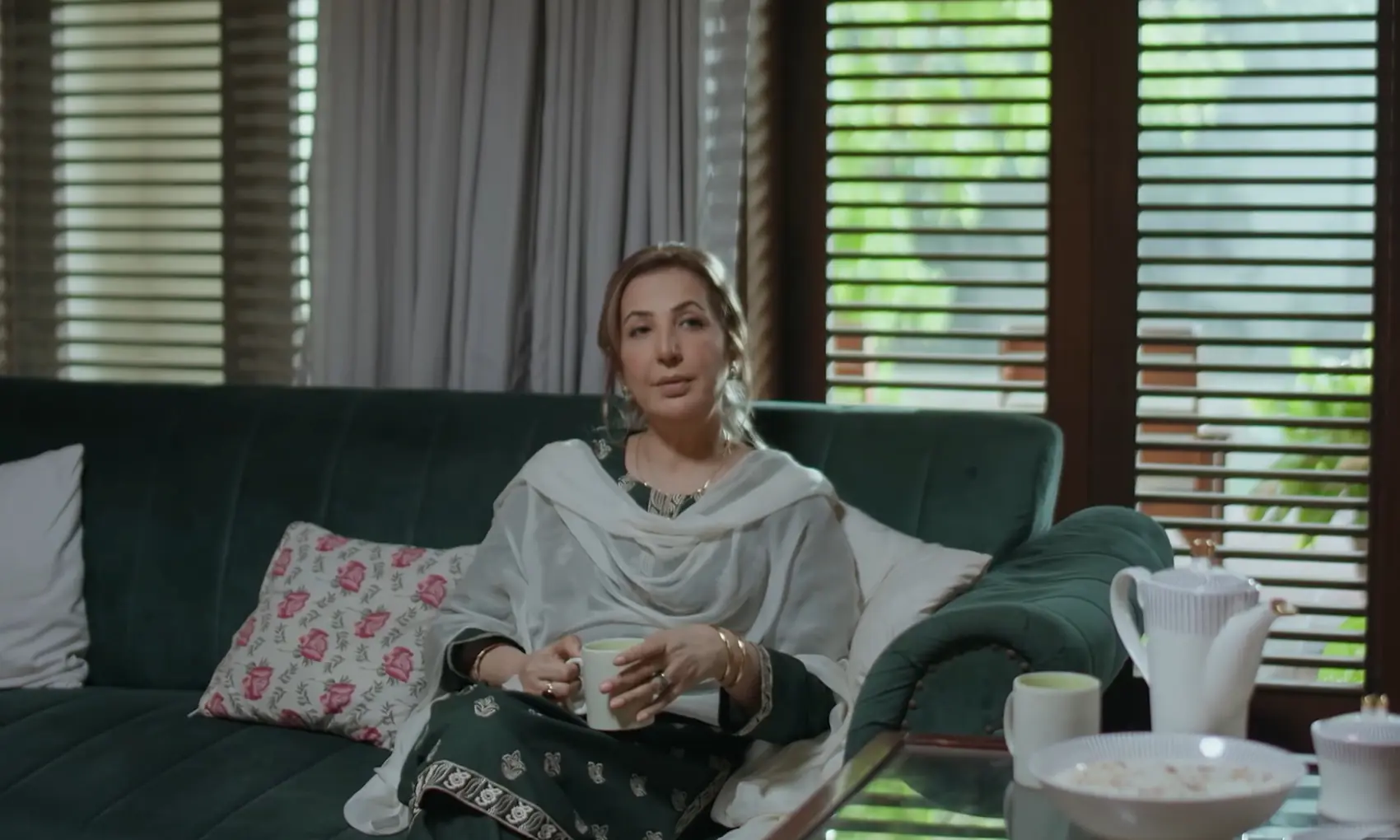
Shehnaz aapa (played by Bukhari) is Sara’s sister-in-law. It wouldn’t be entirely wrong to say that she’s the one causing most of the issues in Gulbahar. The only depth to her character is that she lost her son Uzair as a single parent and now her sole purpose in life is to scare, deride and pester her sister-in-law for living a childless life — while nonchalantly sipping on tea that her sister-in-law prepares for her.
That’s pretty much it. This is Shehnaz’s whole personality in the drama so far.
Shehnaz unabashedly pushes for Sheharyar’s second marriage, in front of his wife, under the garb of care and concern. She exploits inheritance as an excuse to get her brother remarried and eventually succeeds.
What’s wrong with Shehnaz is that she has internalised a system that measures women’s worth by their husbands’ legacies and their sons’ futures — and she now enforces that system on the next generation. She’s not a cartoon villain; she’s worse: she’s realistic. Shehnaz is the aunty who asks wholly intrusive questions at weddings. Had her son been alive and old enough to get married, she would’ve been the mother-in-law who treats her daughter-in-law as an incubator.
It’s usually difficult to chart an alternative path for a villain, because they’re supposed to be bad, but the writer has made Shehnaz grey. We see Shehnaz comforting Sara as she makes the difficult decision to green light Sheharyar and Diya’s marriage. So maybe there’s a tiny bit of (grossly out-of-touch) kindness there somewhere deep, deep, deep down.
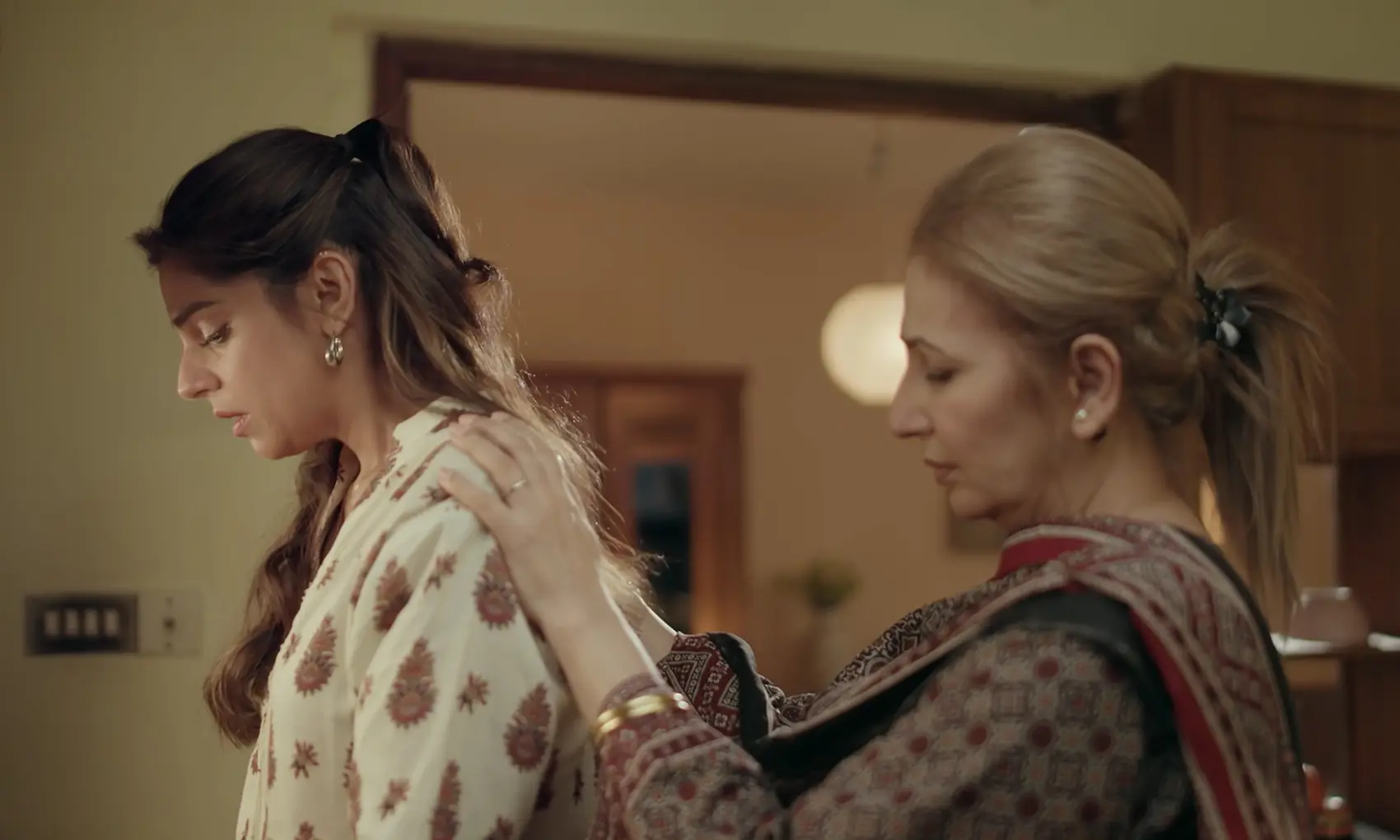
What Shehnaz should be doing is finding a hobby. While she’s at it, she should probably do an online course on what healthy boundaries are. Maybe she should try out painting boats with Sara, instead of ruining her life.
Shehnaz’s inane obsession with bloodlines is her own problem to manage and it shouldn’t be a mandate for someone else’s life.
Samina Phuppo
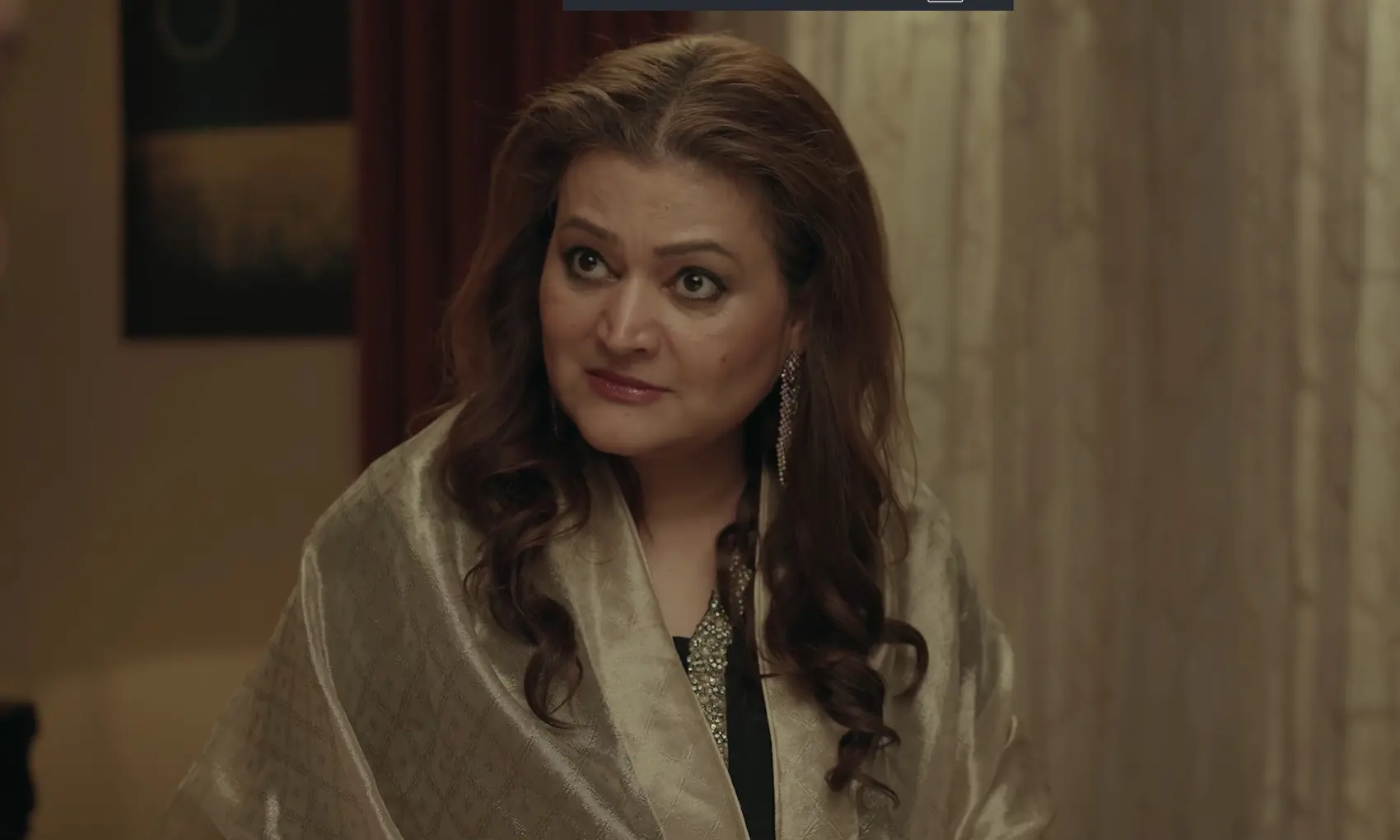
Last but not least, there’s Samina phuppo (played by Mazhar) — the keeper of grudges and the enforcer of relentless cruelty.
Case in point: after Diya loses both her parents in a single, devastating moment, Samina can’t find a single word of kindness to say to this young woman. The sudden and tragic loss of her brother doesn’t move her. The sight of her orphaned niece does not stir compassion.
Samina has no redeeming qualities.
Instead, she continues her campaign of hostility, adding to Diya’s isolation and leaving her even more vulnerable to the very arrangement the drama is building towards.
We learn the reason for Samina’s unyielding toxicity in the second episode during a conversation with her husband, Mansoor (played by Alvi). Mansoor, it is revealed, wanted to marry Diya’s khala when his marriage with Samina wasn’t working out.
Mansoor’s unfulfilled desire seems to be the root of Samina’s hatred towards Diya — even though the poor girl wasn’t even born at the time. This is also why she doesn’t want her son Azar to marry Diya.
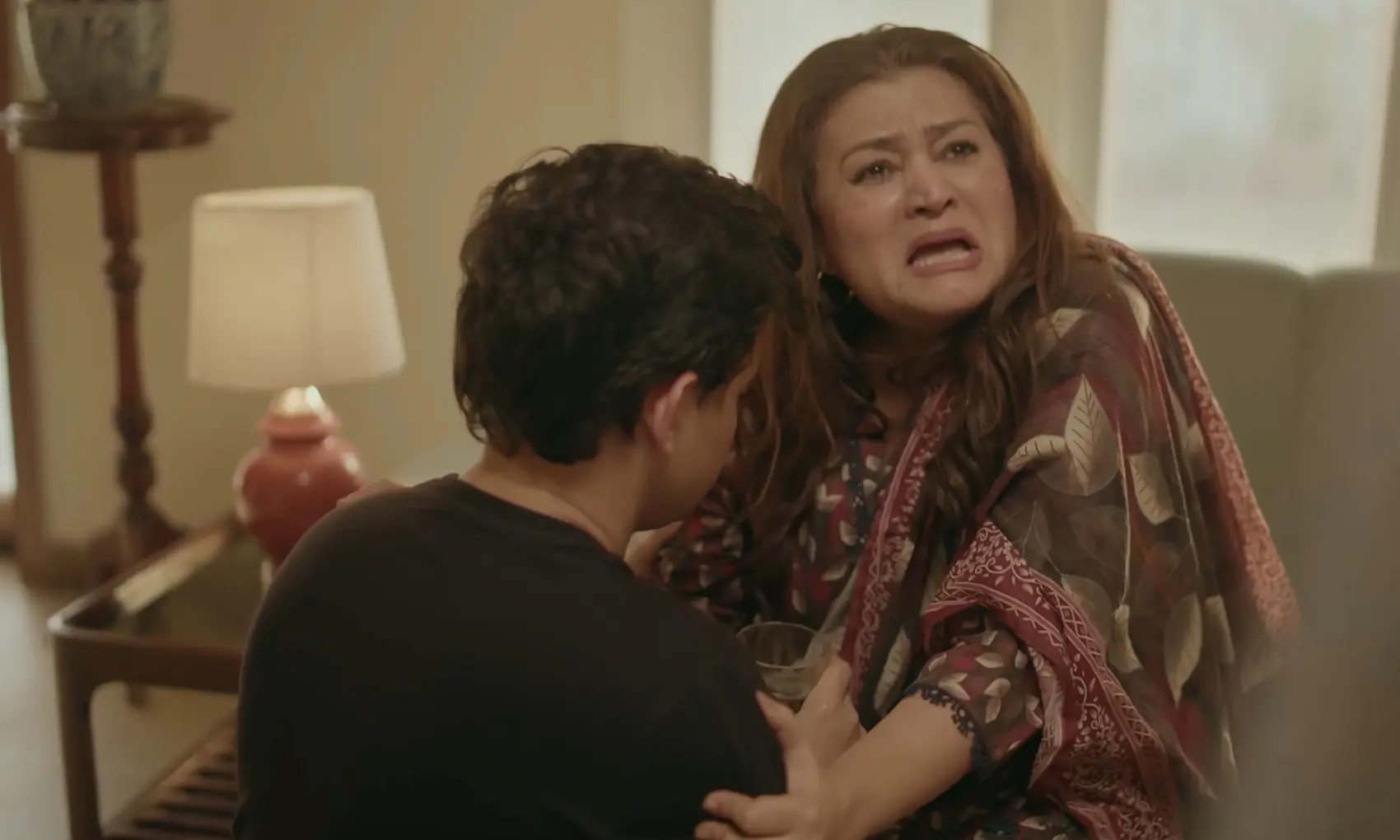
It doesn’t make sense, but that’s the only depth we get in Samina’s character.
What’s wrong with Samina? Everything. She has no arc and no complexity beyond this single, reductive motivation. She exists purely as a pressure point, a force that pushes Diya towards the only option the narrative has left her: becoming Sheharyar’s second wife.
The drama uses Samina as a blunt instrument. A mere device. She is the reason Diya cannot stay where she is. She is the reason Diya needs rescuing.
Samina, despite being the antagonist, can definitely do better. She could have complicated feelings about her brother’s death. She could be wrestling with her own failures, her own disappointments, the knowledge that her husband wished to marry someone else while in a relationship with her.
Or she could, at minimum, have a single scene where she is not simply monstrous. Samina comes across as a caricature of a villain. Even her dialogue delivery is one dimensional.
The real problem with Gulbahar
The real problem with the women of Gulbahar is that it reduces them to a worn-out South Asian saying: aurat he aurat ki dushman hai (a woman is a woman’s enemy).
Shehnaz is oppressing Sara. Sara has unjustly pushed Diya into a loveless and transactional marriage. Samina is oppressing Diya. Diya may intentionally or inadvertently become the reason Sara suffers.
It’s a mess.
The drama has assembled a cast of women who are, in one way or another, complicit in their own diminishment and the storyline isn’t moving towards a point where even one of them would say: enough.
The men in this story are completely useless. Sheharyar can’t stand up to his nosy sister. Mansoor lets (and sometimes enables) Samina’s machinations. Azar is a whiny young man who pines for, but can’t support, a headstrong woman. They’re all spectators.
Jabbar has described the drama as an exploration of “love, jealousy and possessiveness,” asking whether love can exist between more than two people. It’s a fascinating question. But it’s being asked about a woman who has been given no alternative but to surrender her marriage to another woman, who herself is beleaguered by her own circumstances.
There’s still time. Perhaps Sara will realise the error of her ways. Perhaps Diya will leave Sheharyar and go back to her studies. Perhaps the two leading women of Gulbahar will discover that their worth was never in their wombs to begin with.
However, based on what we have seen so far, that would be a surprise. Unfortunately, Pakistani television, for all its craft, talent and recent progressiveness in narratives, rarely surprises us when it comes to what it expects from its women.
Comments