
Dar-e-Nijaat's Zaryab didn't need another husband — she needed a life
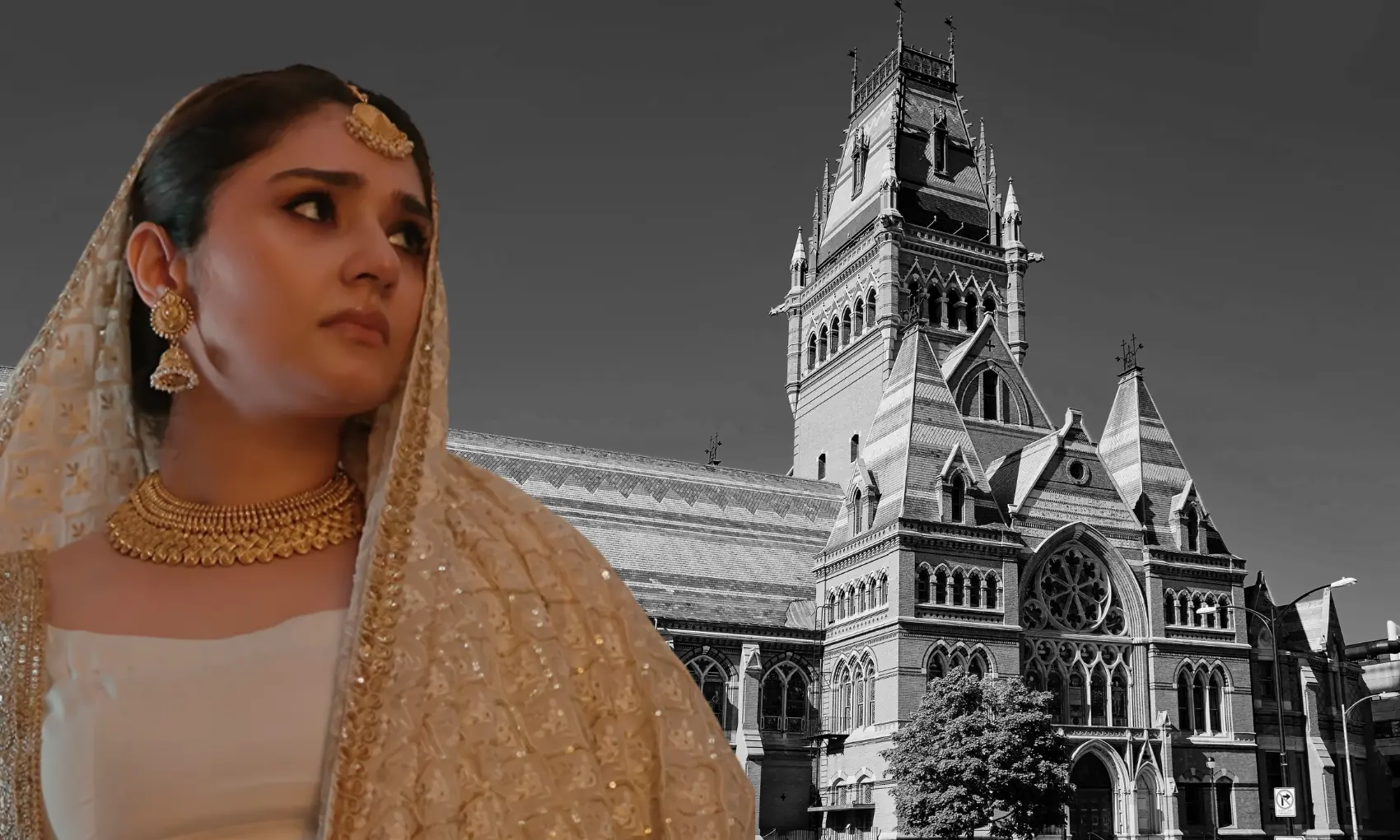
There’s a moment in Dar-e-Nijaat that I keep coming back to and, surprisingly, it isn’t one of Zamil’s many spectacular displays of hypocrisy. It’s Harvard.
Very early in the drama, we learn that Zaryab has been accepted to Harvard University. It’s the kind of opportunity people spend years working towards, the kind that can alter the trajectory of one’s life. And yet Zaryab is prepared to give it up because Zamil hasn’t gotten in.
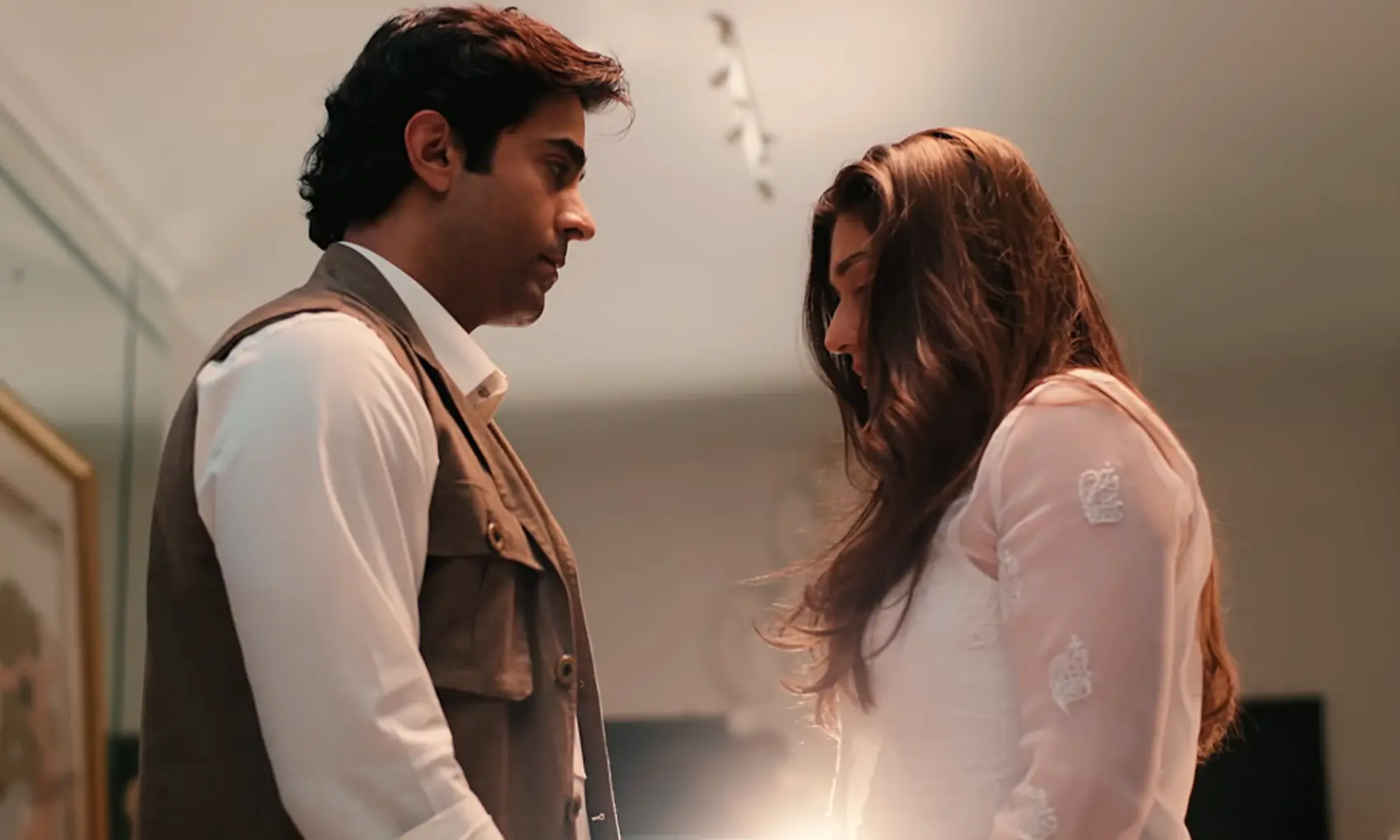
At the time, it tells us everything we need to know about their relationship. Zaryab has made Zamil so central to her existence that even Harvard becomes negotiable, which is why, after everything that happens between them, the most interesting ending for Zaryab was never another man — it would have been finally choosing herself.
Instead, Dar-e-Nijaat appears to take us down a road Pakistani television knows perhaps a little too well: a woman is hurt by one man and healed through marriage to another. Perhaps this is where the problem lies. Guys, it’s 2026 — there’s more to life than a marriage and a guy becoming a woman’s saviour.
This isn’t about whether Abu Bakr (played by Sheheryar Munawar) is a good man. In fact, his goodness almost makes the point more obvious. He’s kind, decent and emotionally stable and he also deserves better, especially when he visibly doesn’t want to get into this mess.
What if Zaryab had simply gone back to Harvard?
Imagine, for a moment, a different version of Dar-e-Nijaat. Zaryab doesn’t immediately move from the wreckage of one relationship to a marriage.

Instead, she goes back to university. She finishes the education she almost sacrificed for a man — who ultimately decided she wasn’t good enough for him. She sits in classrooms that broaden her perspective. She learns, grows and sees a world different to the one where she had made Zamil the centre of her universe.
She makes friends who have never witnessed the worst period of her life. She studies. She travels. She discovers cities and books and people and versions of herself that have absolutely nothing to do with being somebody’s rejected lover or wife.
Maybe, eventually, she falls in love again — or maybe she doesn’t. Both would’ve been perfectly acceptable endings. I’m very much aware this isn’t how Dar-e-Nijaat will conclude and that there’s a high chance she will go back to Harvard, but I keep wondering why she couldn’t make that choice on her own?
Why did she need a man as a saviour to help her do that?
Marriage isn’t a rehabilitation centre
Pakistani dramas have long had a peculiar relationship with marriage. It’s romance, redemption, social acceptance, character development and happy ending all rolled into one convenient nikkah scene.
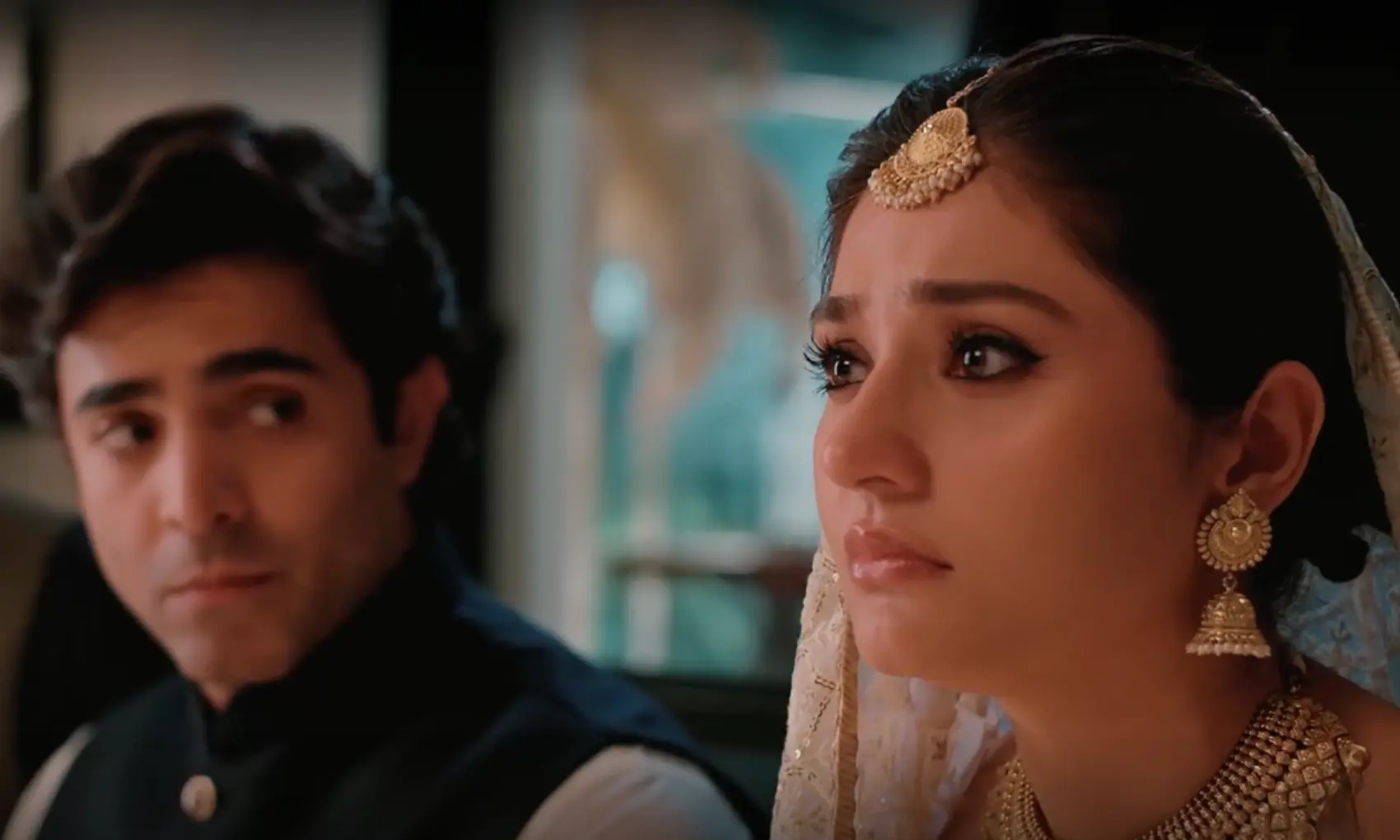
A difficult daughter? Get her married. A traumatised woman? Find her a good husband. A woman recovering from a toxic relationship? Introduce a kinder man. A woman who has made mistakes? Marriage can apparently wipe the slate clean. It’s viewed as a rehabilitation centre of sorts.
But in 2026, this narrative does more harm than good — especially when television and dramas have the power to shape minds and narratives. It makes people believe that the solution to any problem is marriage.
There’s indeed something comforting about the idea that after experiencing cruelty, a person might encounter kindness and love, but that doesn’t have to arrive in the form of a husband; and healing certainly shouldn’t depend on one either.
What makes Zaryab’s story particularly frustrating is that the drama had already given her an alternative vocabulary for fulfilment: education, ambition, independence and a world beyond the relationship that consumed her.
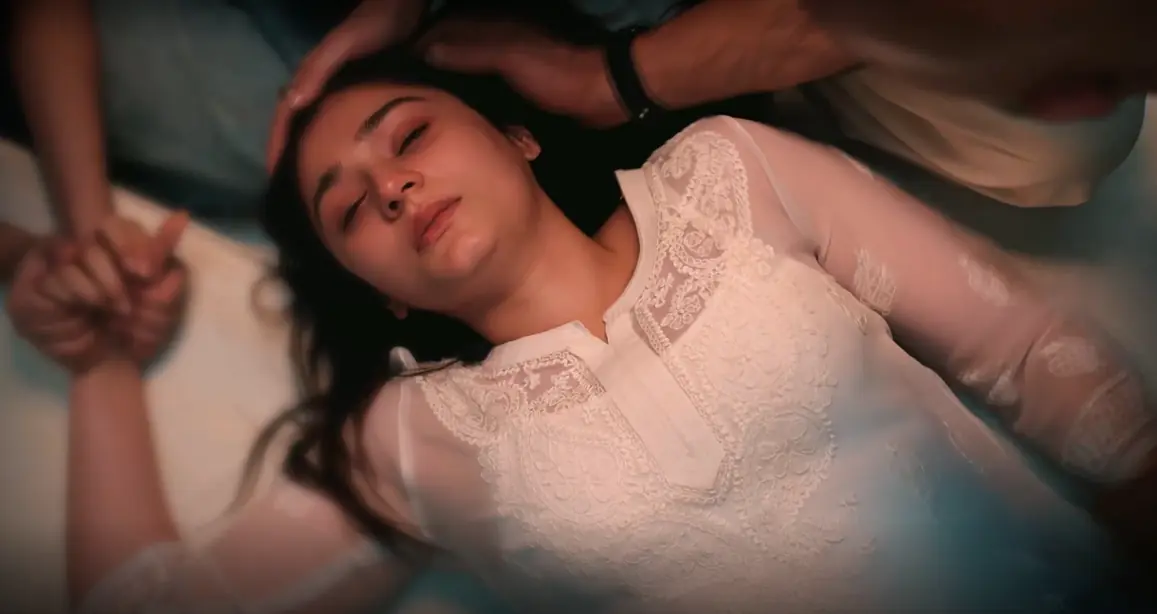
Harvard isn’t simply a university in this story. It represents the life Zaryab repeatedly places second to Zamil and that’s why returning to it could’ve meant so much.
Let women save themselves sometimes
Umera Ahmed has done a brilliant job writing Dar-e-Nijaat and I’m hooked but I wish our dramas showed a woman could be her own saviour too — that she could work on her own growth, development and healing without a man and marriage in the picture.
None of this is an argument against marriage. Marriage can be companionship. It can be joyful and healing and transformative. A loving partner can absolutely help someone through difficult periods of their life but there’s a difference between healing within a marriage and using marriage as the healing. The latter places an enormous burden on both people and reinforces an idea our television has repeated for generations: that no matter how educated, wealthy, ambitious or capable a woman is, the final resolution of her story must somehow involve becoming a wife.
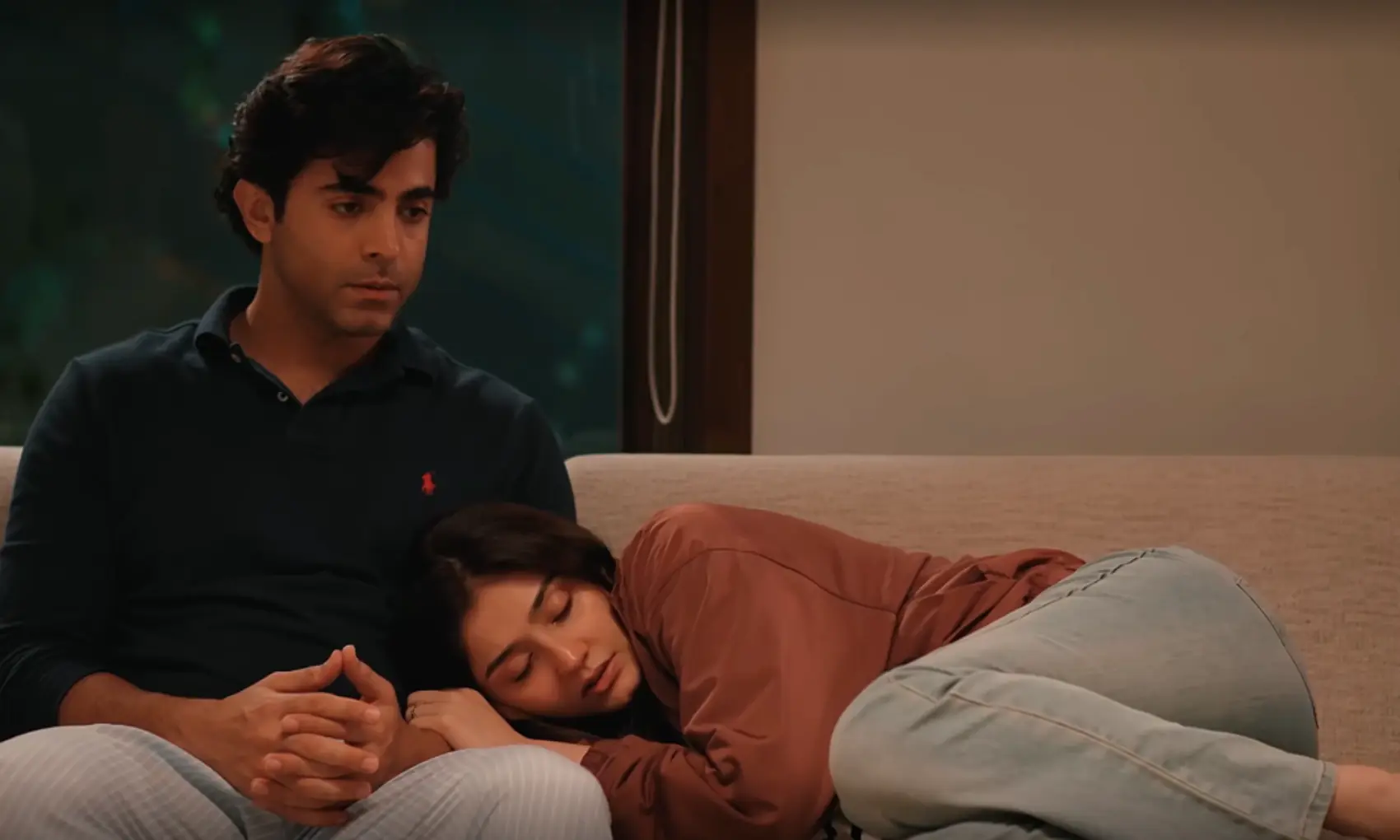
Zaryab could’ve healed in so many ways. She could’ve gone back to Harvard, built a career or travelled alone for the first time. She could’ve spent a year learning who she was without Zamil. She could’ve sought professional help and confronted why she was once willing to sacrifice something as significant as Harvard for a relationship. She could’ve become deeply spiritual independently — without a husband being her inspiration. She could’ve found purpose, and eventually her real self.
And then, if love ever found her again, she could’ve chosen it from a place of wholeness rather than hopelessness.
Like Durefishan Saleem, who plays Zaryab in the drama, posted on Instagram herself: “My sister said she low-key wants Zaryab to go back to Harvard, start vlogging, casually flip her hair, get even richer, lean into her girl gang, and travel the world and honestly, in an ideal world, without the dramatic license, I kind of want exactly the same for her.”
Comments