
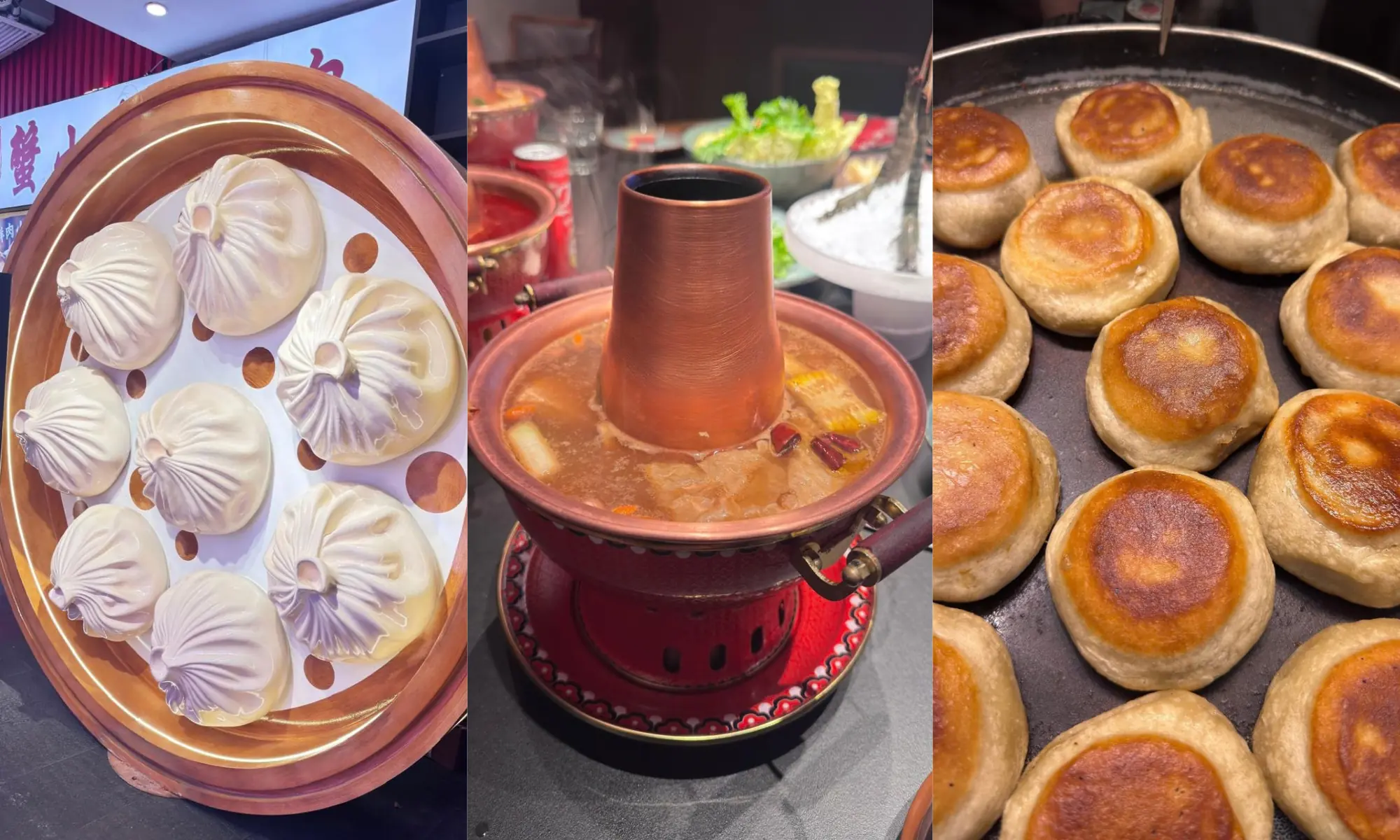
A Pakistani foodie's guide to eating well in Beijing and Shanghai
When I was planning my trip to Beijing and Shanghai, a friend who was also heading to China gave me some advice. In order to save time searching for halal and appealing local food, she suggested bringing along tin-packed meals such as chicken curry, qeema and daal. However, as I discovered soon after landing in Beijing, no such precaution would be necessary.
My first meal in Beijing was a hotpot dinner at a Muslim restaurant on Niujie Street, which is home to the Niujie Mosque — believed to be the oldest mosque in the city. It was first built in the 10th century and then rebuilt in the 15th century.
Honestly, I had expected to feel out of place. Instead, I found a street alive in a way that felt almost familiar: crowds sipping boba, kiosks with queues snaking around the block, supermarkets packed with customers, e-bikes with takeaway containers weaving through traffic and butcher shops displaying cuts of meat behind glass — just like you’d see in any Pakistani market.
My host, who knows hotpot is my ultimate weakness, ordered everything: prawns, beef, mutton, fish, octopus, squid, calamari and a mountain of vegetables.
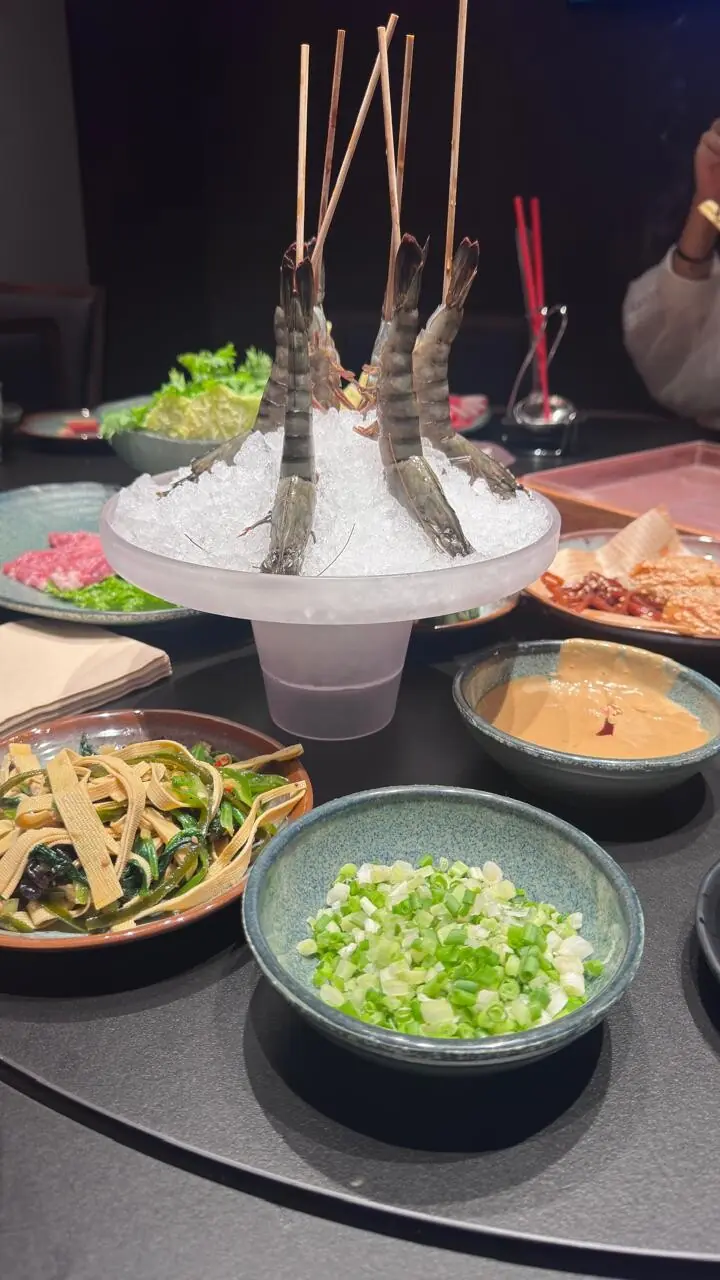
What I didn’t realise was that the Chinese don’t cook the meat in the broth all at once. You have to pick a slice of raw meat with your chopsticks, dip it into the boiling stock for a few seconds and eat it straight away. The same method applies to the vegetables. This was quite different to how we do things at my usual hotpot place in Islamabad — where everything goes into a cylindrical copper pot at once and simmers until it’s melt-in-your-mouth tender.
Considering I was too hungry to experiment, I made a decision: “You go your way,” I told my Chinese friends. “I go mine.”
My way worked just fine.
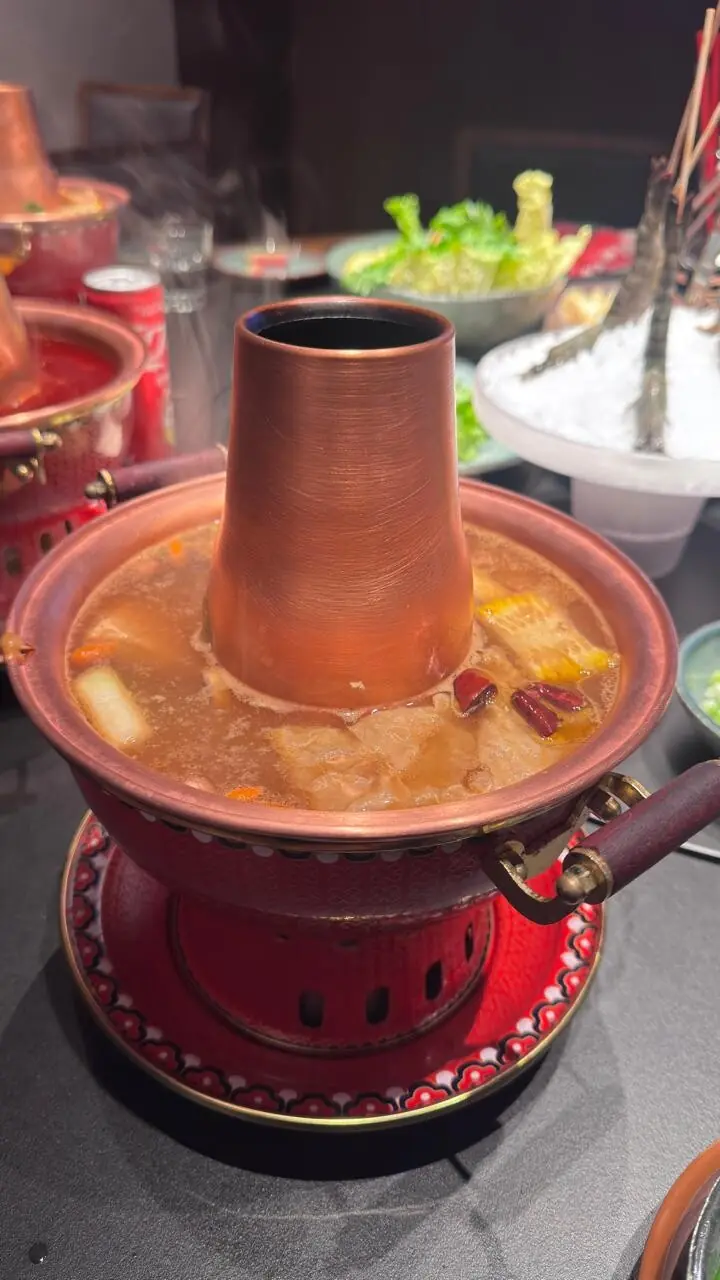
I fished out slice after slice of paper-thin meat, leafy vegetables, shiitake mushrooms, tofu and handmade noodles — all cooked to perfection — out of the piping hot broth, which comprised the perfect mix of sesame oil, crushed garlic, coriander and chilli oil.
It was heavenly. This hotpot didn’t feel like a regular meal. It felt like an avalanche of nutrients rushing through the veins, sparked by an explosion of flavours on the tongue.
In China, tea houses aren’t just places to grab a drink; they’re an integral part of the country’s culture and social fabric. The one that I, along with three other people, visited on my second day in Beijing was tucked between the narrow alleys of the old area — a single-storey building with a courtyard inside.
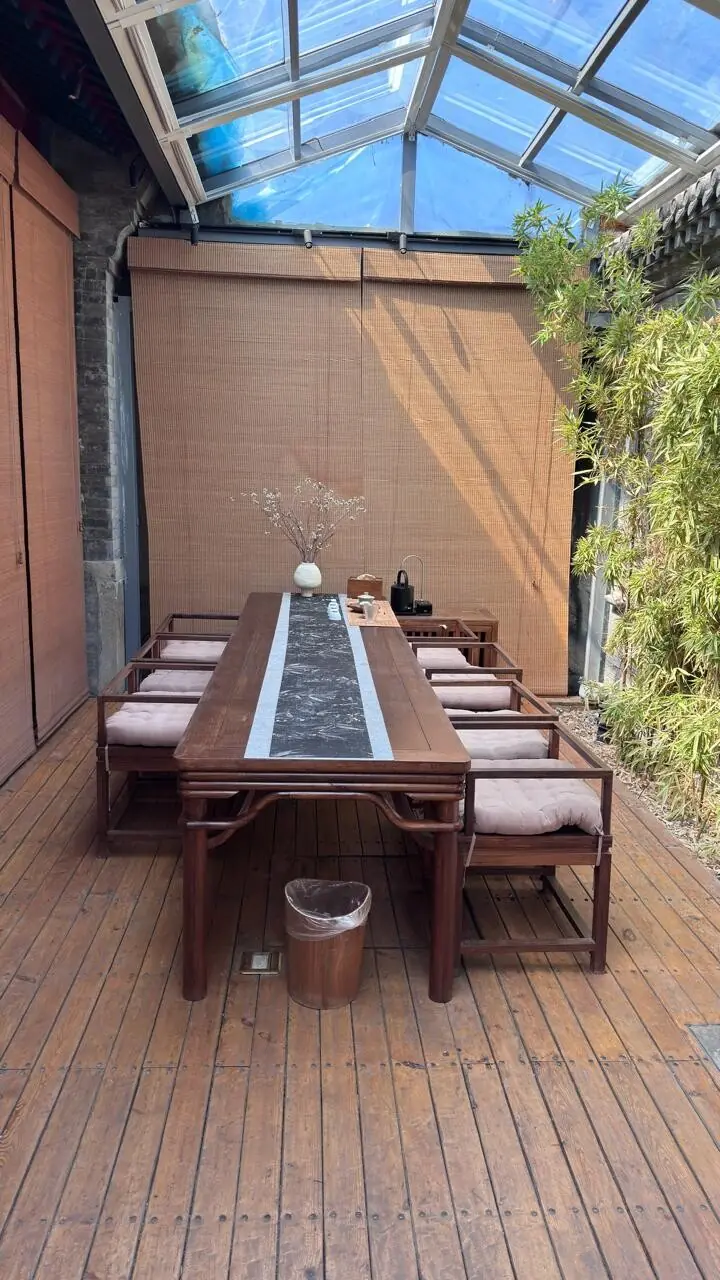
The interior was rather unassuming, pleasantly reflective of traditional Chinese design. For the decor, they opted for the less-is-more approach. There were rustic wooden tables, grey stone walls, low armchairs and green trees visible through the windows.
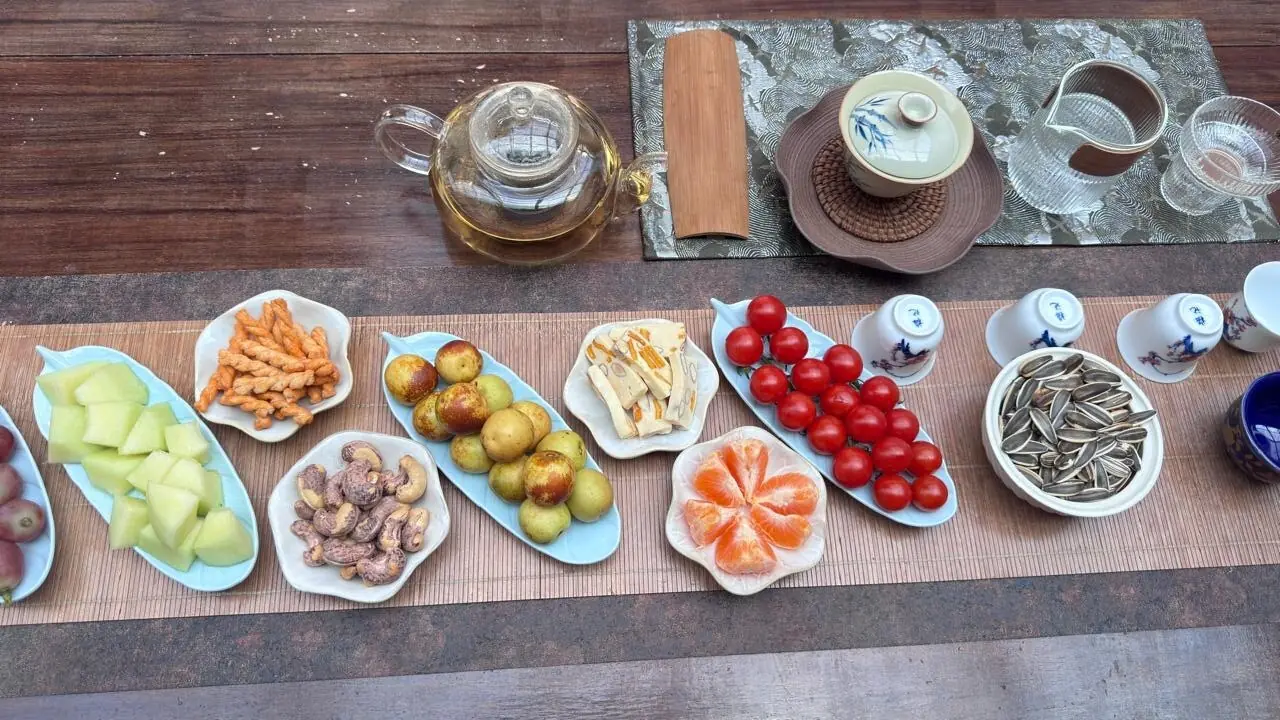
As the serenity of the moment took us in, we caught a pleasant, jasmine-laden whiff of our green tea. It was served in a gaiwan, a traditional lidded bowl used for brewing loose-leaf tea.
The taste was robust and slightly bitter — brimming with unmistakable main character energy. This was only fitting because, in a traditional Chinese tea house, the food merely serves as a supporting act to the tea.
For our lavish spread, we got melon, sunflower seeds, salted peanuts, dried plums, cashews, cherry tomatoes, hawthorn berries and nougat-like sweets.
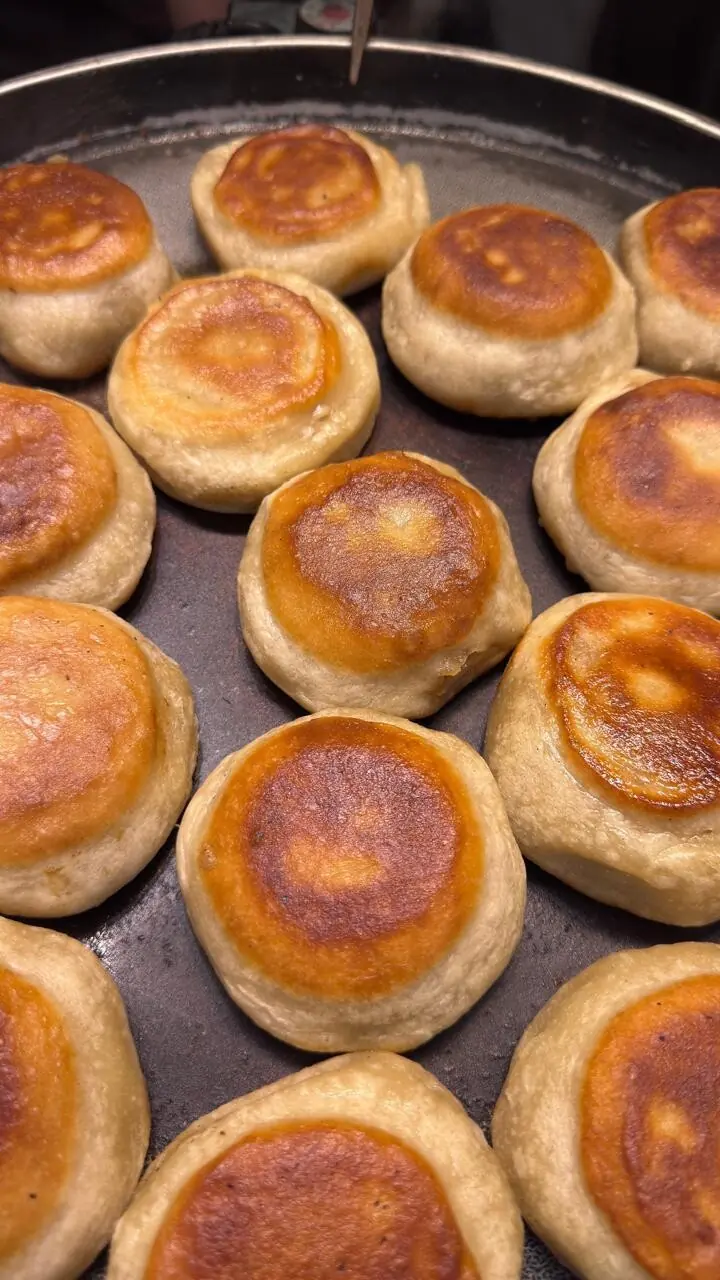
On my third and last day in Beijing, we went back to Niujie Street for street food. We stopped by a stall selling pan-fried Chinese buns, commonly known as xian bing. They’re quite popular in the country and can easily be found anywhere. People have them for breakfast, lunch, dinner and even as an evening snack. These golden-brown buns come in all sorts of fillings, be it chicken, shrimps, beef or mutton.
The very first bite hit my palate like a flavour-packed punch. Though, I couldn’t identify what I was tasting. Was it beef? Or shrimp? Or both? Every bite revealed something new: chopped scallions, ground shrimp, onion, ginger, spring onions, a hint of sesame oil and soy sauce — all pressed into a golden-brown disc with a soft, puffy top. It was, to put it succinctly, manna from heaven.
The high-speed train journey from Beijing to Shanghai changed more than the scenery. Shanghai’s food scene felt more diverse — Indian, Turkish, Lebanese and halal Chinese restaurants were all easy to find. You could even grab a Margherita pizza at an Italian pizzeria or a bean burrito at a Mexican restaurant, if the mood called for it.
The thing I came for was xiao long bao — the oversized soup dumpling that is a Shanghai staple. It comes with crab meat, shrimp or crab roe. I went with crab.
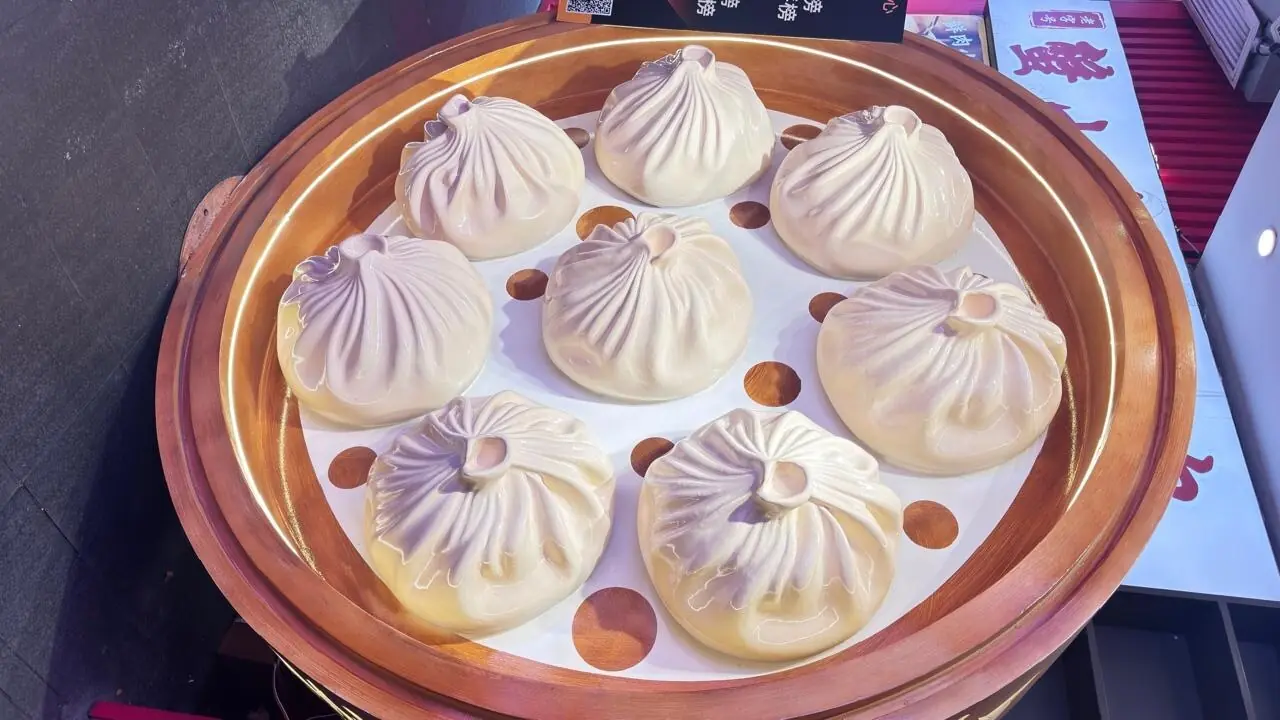
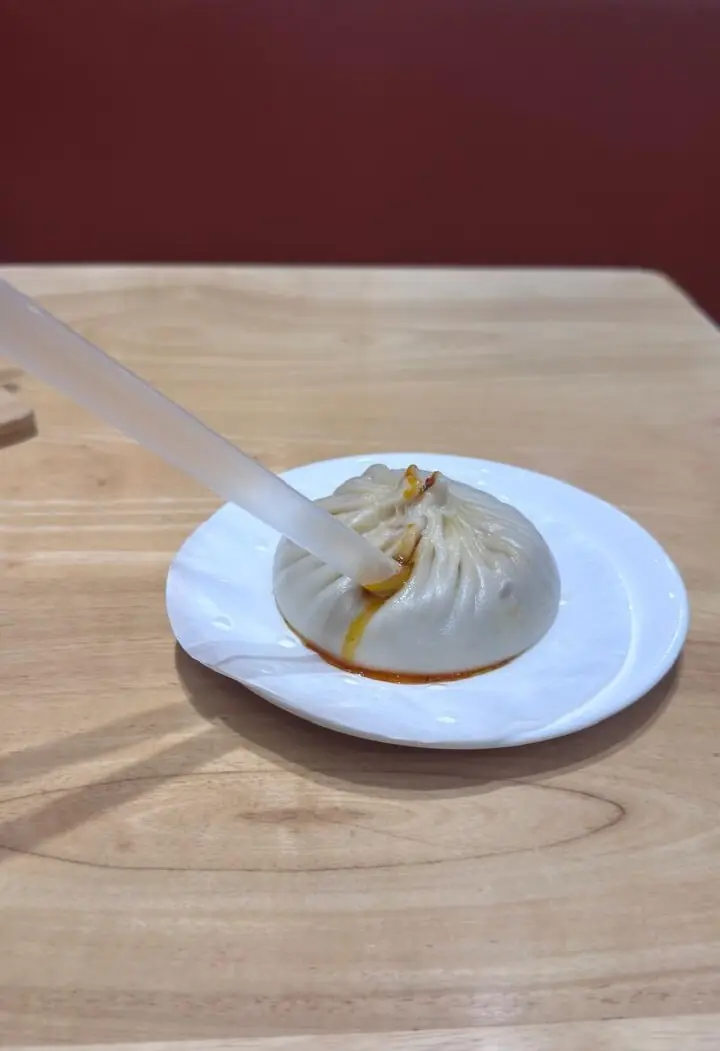
This was no ordinary soup or dumpling. Having xiao long bao is an experience. These soup-filled steamed dumplings were assembled in front of me in an open kitchen. The server, translating through her phone, gave me instructions: insert the straw gently into the top centre, slurp the broth carefully, then eat the dumpling wrap and filling with chopsticks.
“Touch the dumpling lightly,” she warned. “The broth is boiling hot. Do not stab it, or the soup will splash everywhere — including your clothes.”
I did as I was told. The straw went in gently and I slurped slowly, coaxing the last of the broth from the dumpling till it collapsed with a gurgling sigh. It sounded much like the last draws of a milkshake through a straw. It was a thoroughly filling meal.
I wiped the plate clean with my chopsticks, dipping the remains of the deflated dumpling into Chinese vinegar and soy sauce flecked with chillies.
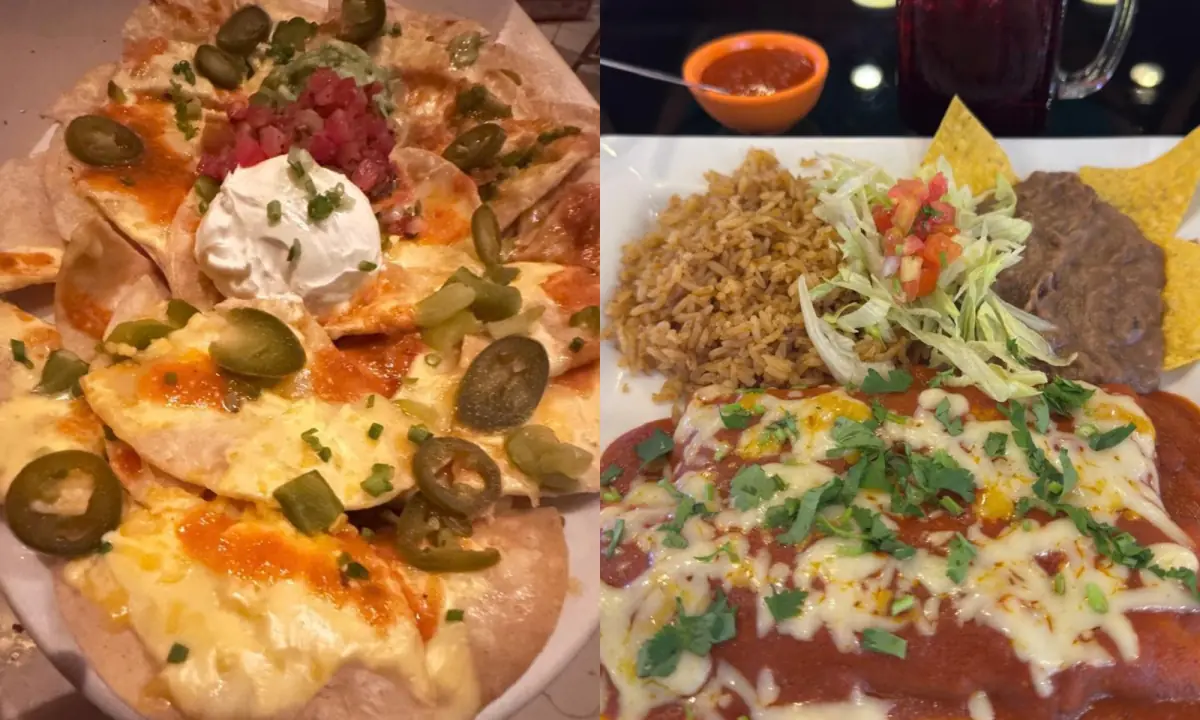
On my fifth day, I decided to veer off course a little and went to a Mexican restaurant. I opted for nachos and an enchilada and washed it all down with a hibiscus drink.
I saved the most hyped spot for last: No. 3 Warehouse, which is located on the fourth floor of New World City — a multi-level shopping and entertainment complex — on Nanjing Pedestrian Street.
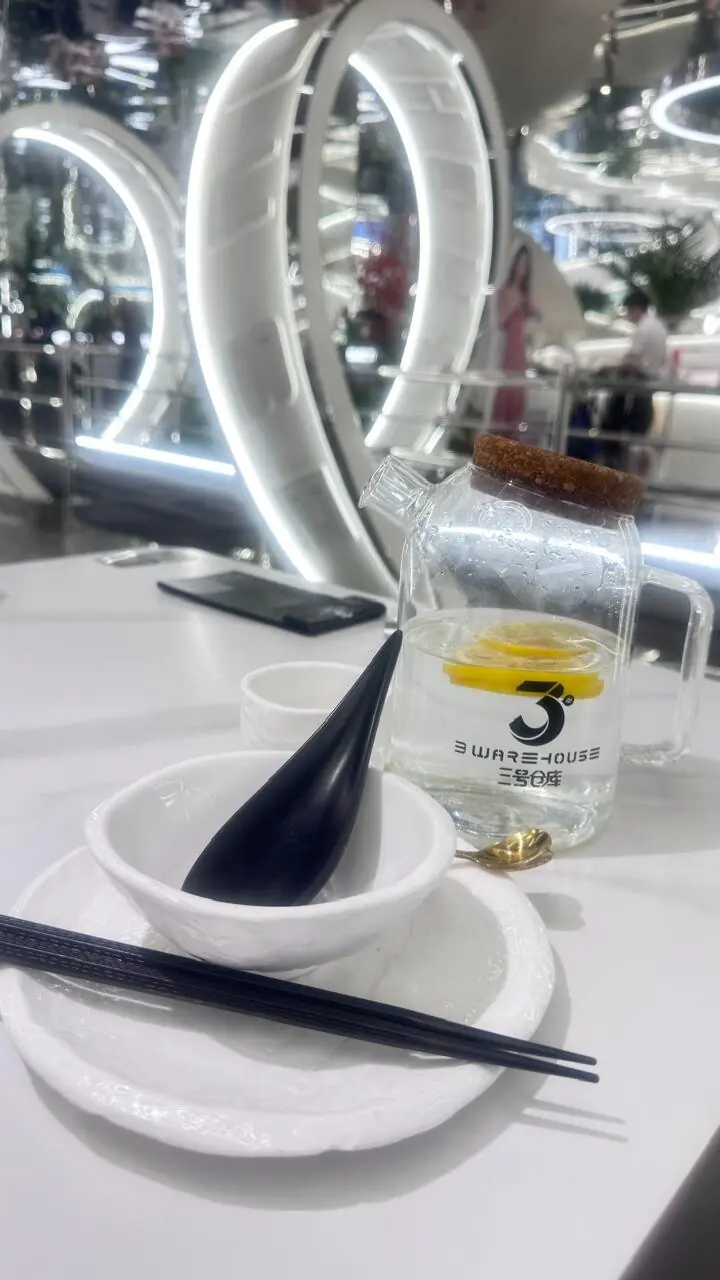
This restaurant takes no reservations, so my fellow diners and I made sure to arrive at 7pm to beat the queue. Sadly, our trick didn’t work and we had to wait one hour and 50 minutes to get a table. The rows of people sitting on waiting chairs told me everything I needed to know about its popularity.
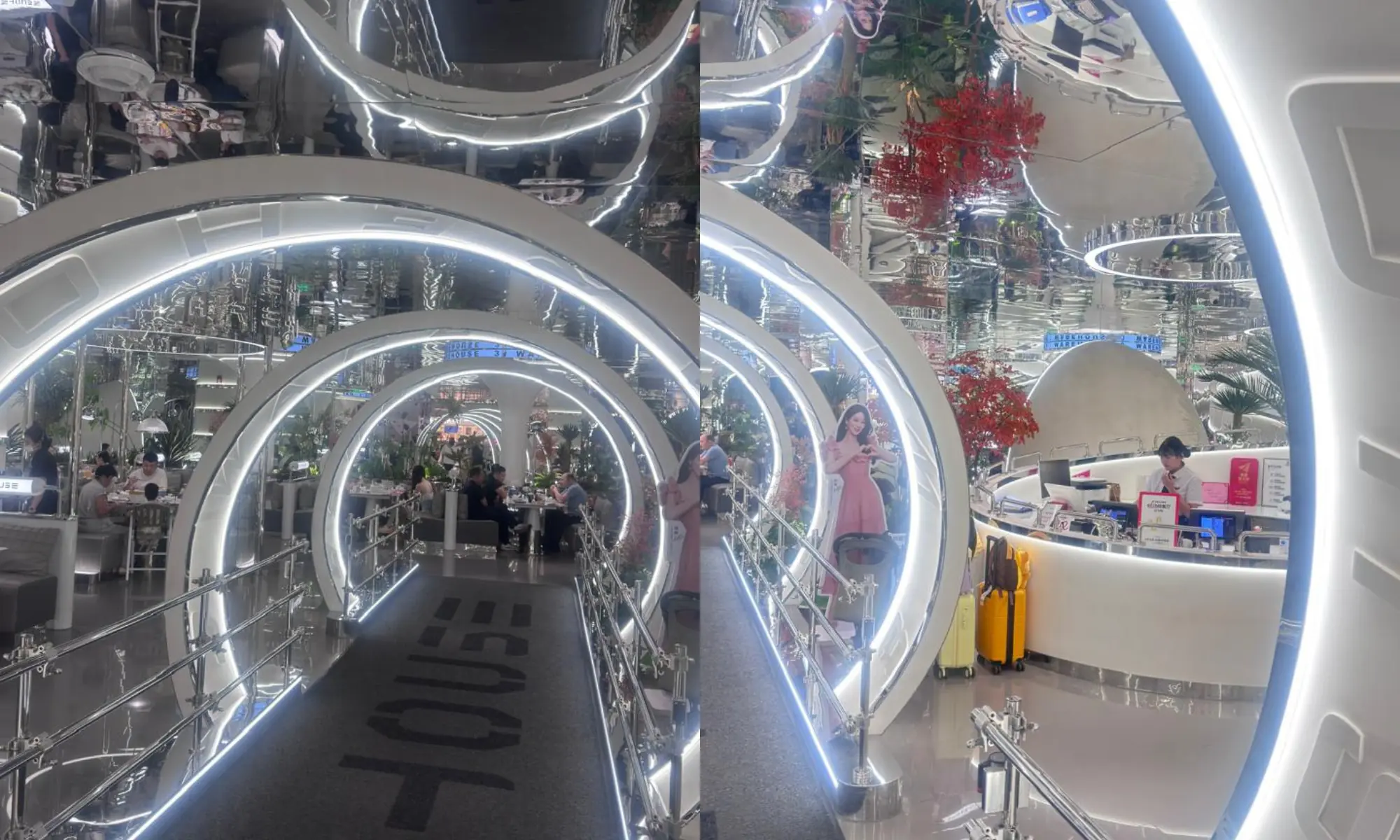
Finally, at 9pm, the announcement for ticket number A-61 hit our eardrums, and we made our way to the entrance. Every corner was a spectacle — silver-white decor stretching from floor to ceiling, neon light tubes running along the walls, spiral staircases winding upward and light tunnels that seemed to pull you deeper into the space. It felt like stepping into a sci-fi space capsule, the kind of place where you half expect the walls to start moving.
Once seated, the server informed us there was no menu; just a QR code to order from. Our pick was limited, since halal options were few, so we settled on the yellow croaker fish and steamed shrimp in a special sauce.
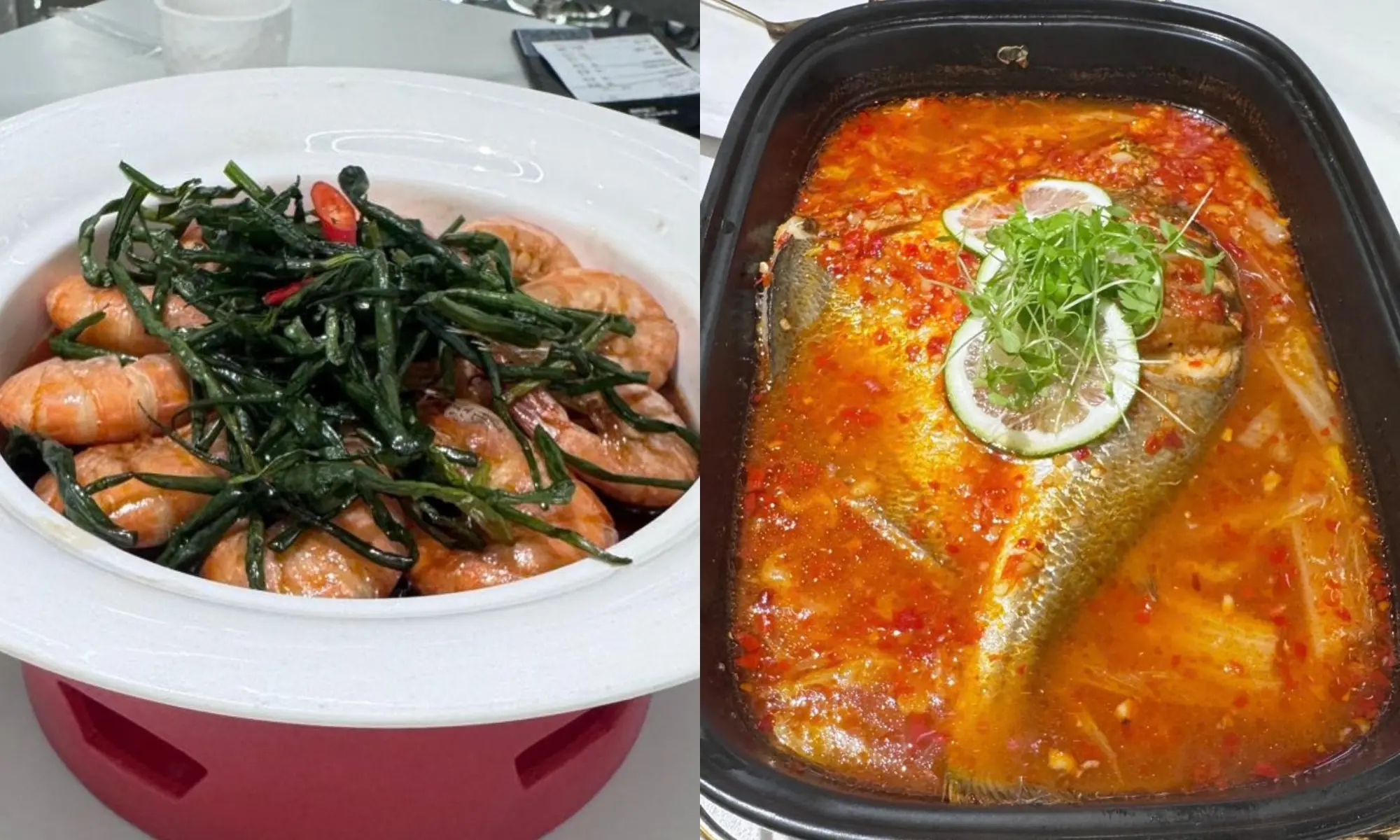
The shrimp’s sauce was something special, but as a Pakistani, I’m not used to shelling shrimp at the table (we usually have it done for us), so it turned into a proper wrestling match. The yellow croaker arrived swimming in a pool of tangy sauce, vegetables and crunchy garnishes and, paired with white rice, it made a wholesome meal.
To drink, we ordered a pineapple passion fruit tea and a strawberry mojito that arrived in a glass purse (because apparently a regular glass wasn’t theatrical enough).
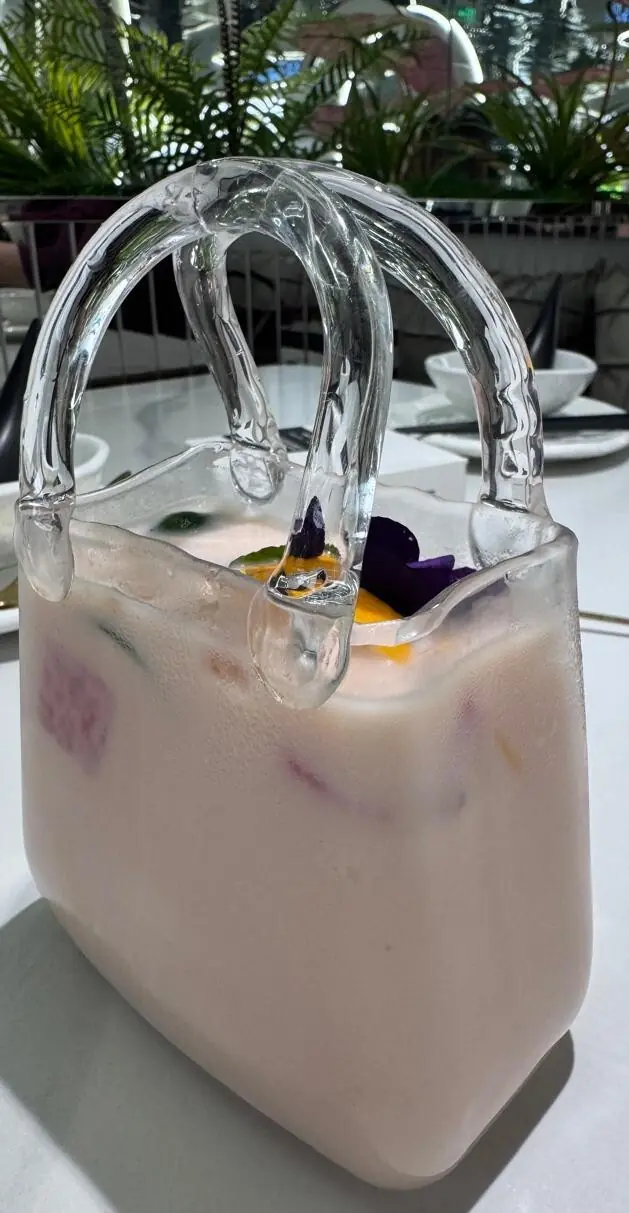
My verdict on No. 3 Warehouse? It wasn’t really about the food. It was about the experience — with each dish crafted and plated so carefully that it looked like a work of art. The taste, sadly, didn’t tell the same story.
So this was my roundup of six days and two cities — and here’s my advice to any Pakistani planning a trip to China: leave the tinned food at home. You will not go hungry.
From the halal hotpot spots on Beijing’s Niujie Street to the diverse food scene of Shanghai, there is more than enough to fill your plate as well as your curiosity. Come with an open mind, a willing palate and a fierce appetite. China will take care of the rest.
Comments