
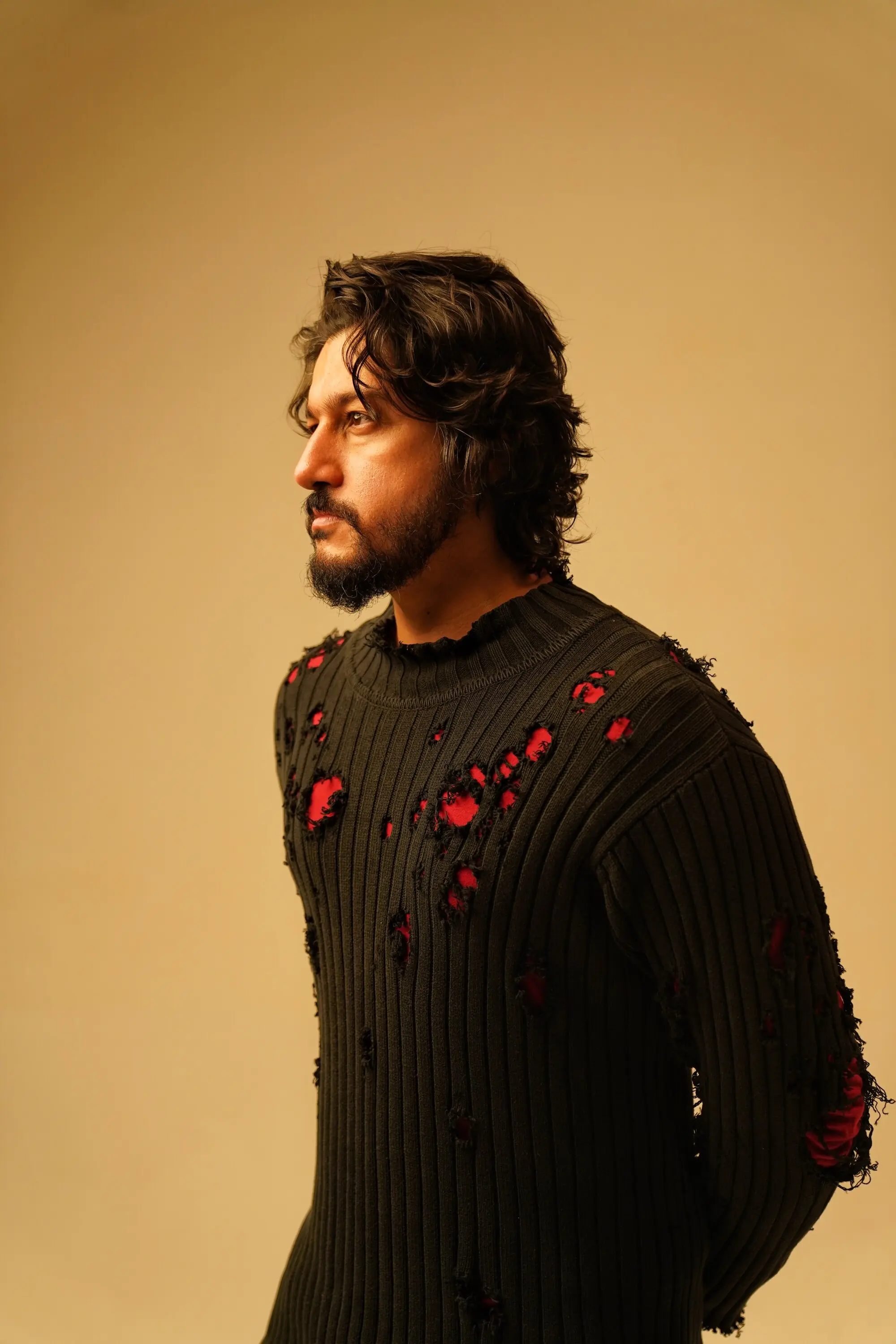
Sherry Khattak’s Ghar is his open invitation to a space where you can vent and scream
Sherry Khattak isn’t worried about fitting a pre-set mould or topping the charts. He’s also not interested in releasing music that he can’t relate to. As the 37-year-old releases his debut solo album Ghar over a span of two months, he only seems to care about being authentic and observing his fans’ reactions to his music.
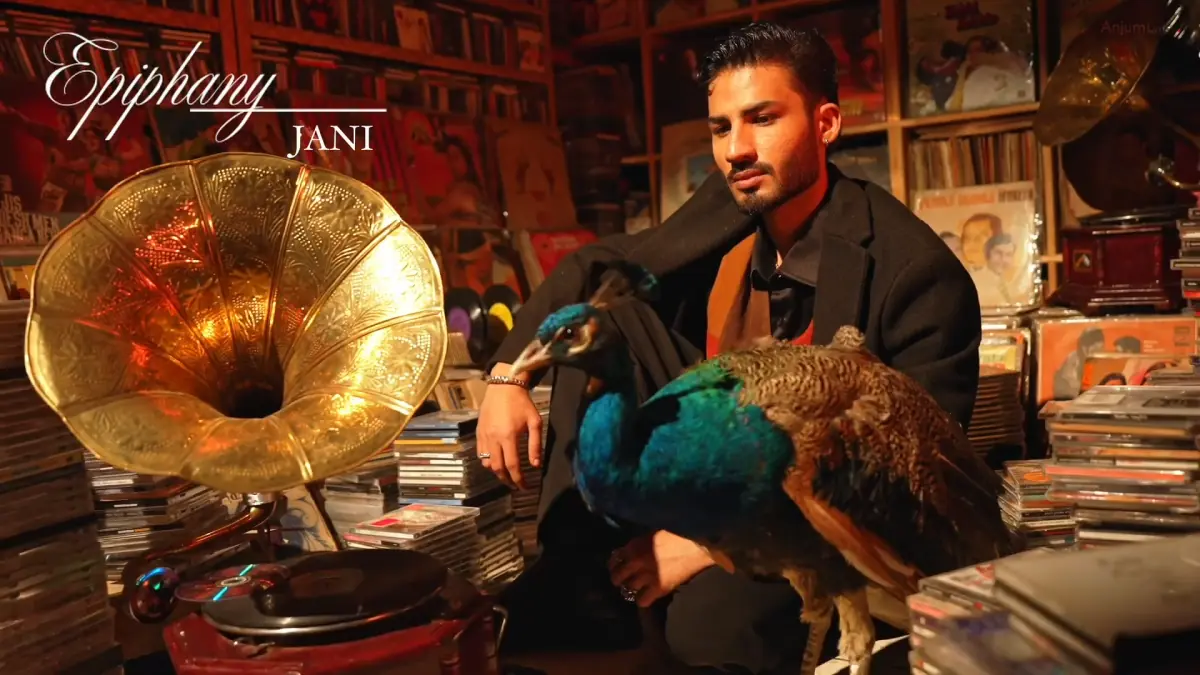
The album features no collaborations — it was just him, writing, recording and producing in his house in Lahore — marking a major shift from his previous work as alternative rock band Karakoram’s lead vocalist and guitarist, producer and audio head for Coke Studio Pakistan seasons 14 and 15 and, most recently, co-curator and producer of Humnava.
The exposure to these projects and musicians is what helped him get to this point in his career, says Khattak. “Doing everything myself, like recording the guitars, playing bass guitars, arranging drums, everything — I wanted to push myself to do that.”
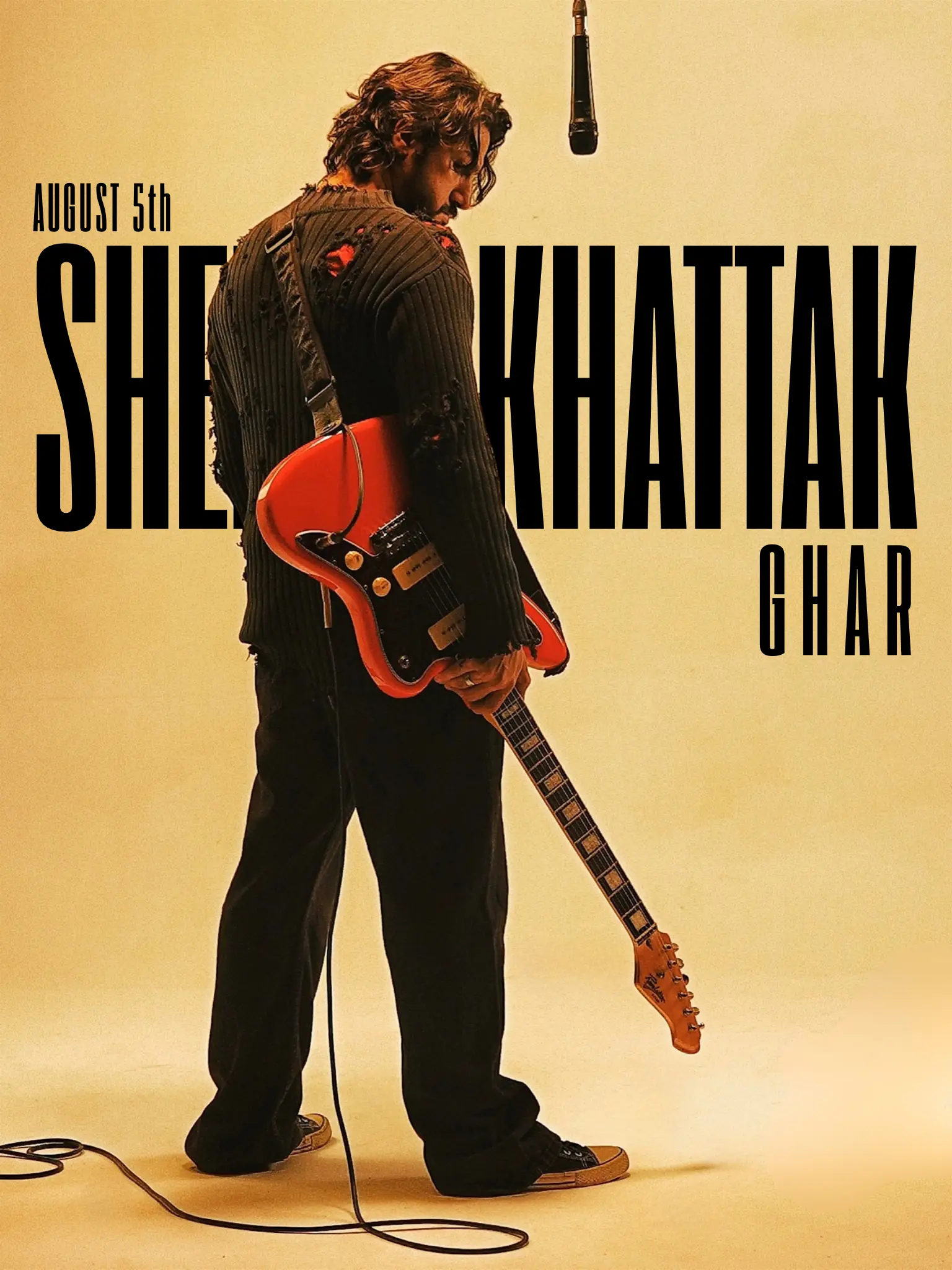
The majority of the tracks on the album are in the rock genre, as one would expect from an artist who names Linkin Park as his dream collaborator. Going into this article, I was worried my review wouldn’t do justice to the album as someone who doesn’t usually listen to rock. But, as it turns out, even a non-rock-enthusiast has much to look forward to. The introspective lyrics gave the songs a relatability factor that had me playing ‘Qaid’ and ‘Qayamat’ on loop.
I came to this album having recently upended my life in a city I had called home for six years, all because that life didn’t turn out to be what I had imagined for so long. So when I hear the rage and the grief contained in these eight tracks, I feel seen.
The relatability factor in this album is what Khattak seems to be most proud of. He sums up his first solo album as a space to let listeners emote. “It encourages you to speak what you’re feeling. And it encourages you to feel like if you’re not okay, if you’re in a bad space — whatever it is — it’s not the end of the world.”
Khattak wears many hats, describing himself as “singer first, then guitarist, then a producer”. He’ll soon be adding another title to the list — social media manager — as he is editing and posting all the Instagram posts for Ghar himself. He values the connection he feels with his fans and admirers as he reads and responds to comments and messages after every new song comes out.
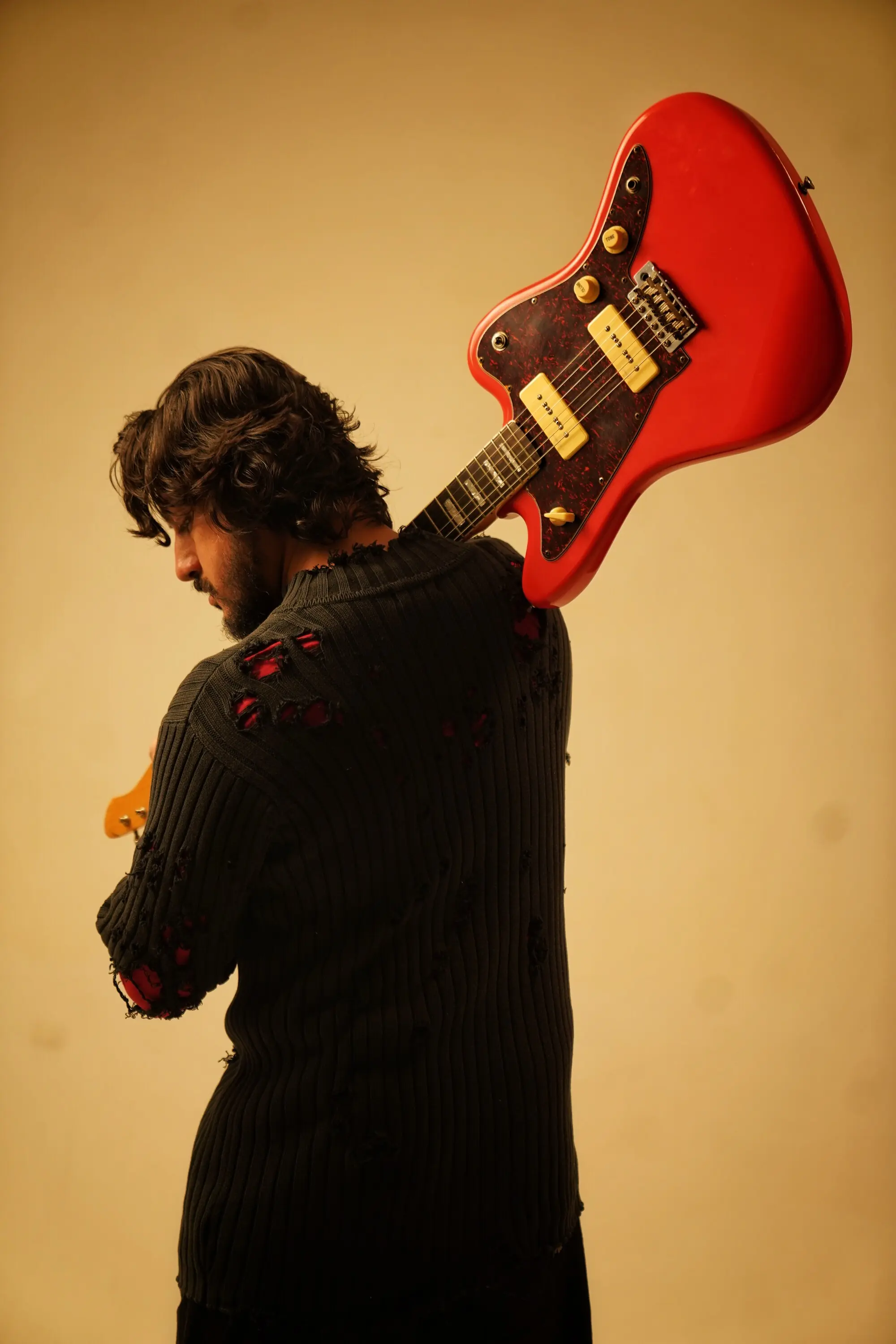
For this album, each of the eight tracks gets its own time in the spotlight, with a new song releasing every Wednesday, from August 5 to September 23. He admits to initially wanting to release the entire album altogether but was convinced not to. He is now enjoying this format, though, and can see its marketing value.
Khattak understands the science of music marketing and profitability, as he so generously explained to me over a Zoom call, but he doesn’t want to worry about all that this time around. He describes this album as “a new venture” in which it would be besides the point to worry about numbers and money. His only goal, he says, is to create music that speaks to him and to his fans who have been following his journey for years. “I should focus more towards making music. Everything will come in its own time,” he says.
His journey in music started around two decades ago when he scored well in his 10th grade exams and his family, honouring a deal they had struck with him, bought him a guitar. When I ask whether he has been playing the guitar ever since, he says yes, adding that what followed was a “painful journey” for the people around him as he figured out how to play. He learned to play music via the internet.
At the time, he recalls, YouTube was blocked in Pakistan but he found other sites where he could practice playing the guitar while singing. The multitasking seems to have stuck since then.
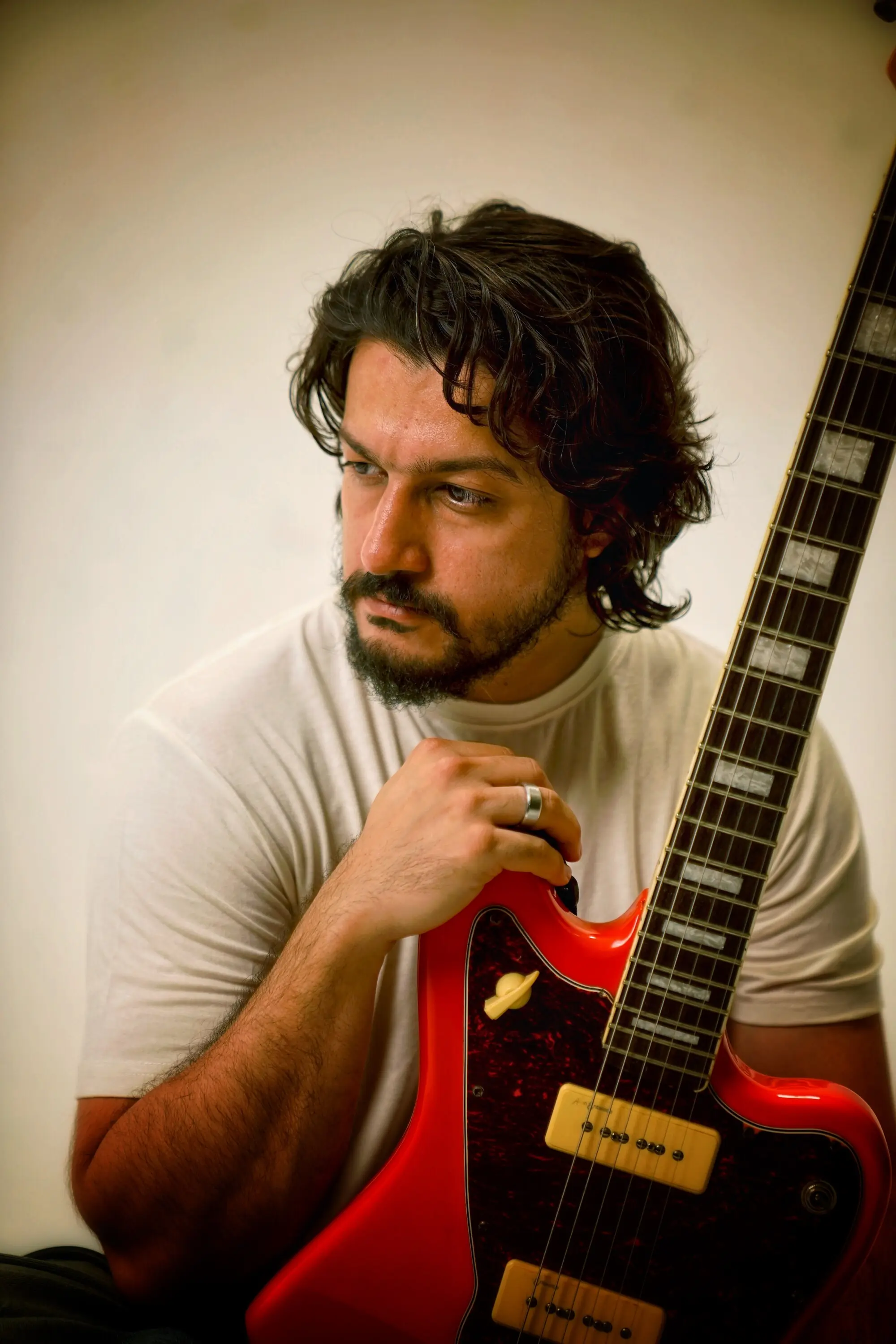
‘Qaid’ — the first track of the album, released on August 5 — begins with a moment of self-reflection, on the lives that one has lived and where they’re going. “Chaaha jo mil gaya mujhey / Abb qaid kyun lagey (I got what I wanted, why does it feel like a prison?)” he questions. The song mimics an internal reflection familiar to many of us. Most times, as it goes in life, the things we build our lives around are not all that we made them out to be.
Khattak describes ‘Qayamat’, the second track on the album, as one of the “aggressive” ones that allow him the space to vent his emotions. The song also features his signature scream — a fan favourite. He tells me about a comment he received on social media: “Someone said, ‘I wish I could scream like you and vent everything out’. And I said, ‘You should. Don’t worry about it. You should scream.’”
He recognises that we usually don’t get the space to emote and vent as much as we need to. ‘Qayamat’ revolves around that inability to express emotions. “Keh dun sab par jal jaye na zuban / Tooti umeedon ka aatish fisha (I would say it all but the volcano of broken hopes might burn my tongue).” And when the words get too dangerous to speak out loud, all one can do is scream, ideally, while aggressively strumming a guitar.
When asked to pick his favourites on the album, Khattak is hesitant to name specific songs but then gives in and says ‘Ishara’ and ‘Ghar’ — the last tracks — mean the most to him. He describes the penultimate song of the album — ‘Ishara’ — as “very hardcore” but says it deviates from expectation. “When you expect a hardcore song, its messaging is sometimes aggressive, but with that song… it literally lands towards folk territory in terms of its messaging [and] its narrative.”
The concept of the song, as Khattak puts it, is the narrator “pleading to God” to show him an ishara — a sign for the way ahead. He describes it as a “track that has no resolve”. I got to hear the unreleased tracks on the album a couple days after I spoke to him, and after this conversation, with ‘Ishara’, I got exactly what I had hoped for. Think sufi meets rock.
The last song of the album, and also the track that inspires the album name, is ‘Ghar’. Part of the reason the album is named Ghar is because he made it all at his house. But when he wrote and recorded this song, he knew the album would bear its name. So, what is it about this song that makes it so significant? To me, it’s the song you’d play at the end of a long day. It’s also the song you’d want to listen to while driving in the rain. Needless to say, I have several playlists waiting for its official release on September 23.
The sombre, melancholic track reflects on experiencing a house without the person who made it feel like home. A line in the chorus stuck with me: “Khwabon ka yeh ghar anjaan sa lagey (This house of dreams seems unfamiliar).” As someone who practically lives on Substack, words like these tug at my heartstrings. The more I think about this line, the more I understand why Khattak’s entire team’s favourite track on the album is ‘Ghar’.
Going into the album, I did not expect to hear so many songs that were clearly not rock. Every song sounds different than the preceding one, which reminds me of what Khattak told me; his goal going into the album-making process was to have this element of uniqueness. In his view, he has succeeded in doing so — and I, as a listener, concur. “Every song’s very different sonically, very different in terms of storytelling, very different in terms of how it’s progressing. That’s something I’m really proud of.”
Khattak has selected the album’s eight songs from a total of around 20 that he had first come up with. I ask him how he decides which tracks go on the album, and his answer is simple: “The artist should love the song themselves. They should relate to it themselves. They should hear it 100 to 200 times, and they should not get bored of it.”
He says honesty in art is what attracts people, especially at a time when online streaming has made it so easy to discover new artists and even easier to forget them. If the audience relates to you, he says, “they’ll follow you because they know this artist is telling the truth”.
Touching on his recent project Humnava, that he co-curated with Xulfi, Khattak says it made him realise he “should put more time into making music”, as the team spent around 40 to 50 days in Hunza jamming and recording songs. Khattak describes Humnava as a shift from current music trends. “In recent days, the music-making process has been less human. It’s been very snappy,” he explains, before describing the project recorded live in the mountains of Hunza as “magical”.
As Khattak talks about Humnava, you can tell that the years of experience with his own band, Nescafé Basement and Coke Studio have influenced his understanding of what makes music good. “Music was meant to be about collaborating. It was about being in one room, bouncing off ideas,” he says.
“Having those global musicians come in gave a different perspective in how a music piece can be approached, because everyone comes from a different background, and that’s the beauty of making music, you know?
“You’re in a room with five different people with five different types of exposures, and they try to reach one similar point, and they approach it differently. And that’s where the complexity… the beauty and the colour comes [from].”
With the timeline for the next season of Coke Studio still unknown, I ask Khattak how he reflects on his work on the show and what it has taught him. He doesn’t need a moment to think before he says Coke Studio has taught him to be consistent. “Even a platform like Coke Studio needed 15 years to get to a point where they’re at right now. So, consistency and keeping the audience activated is the key, it’s about keeping your music available. It’s about you being available for the audience.”
That’s what Khattak intends to do — stay consistent and evolve. He said he has “made the mistake” of taking long breaks between releases. Now, his plan is to stick around, keep on releasing music and keep the fans who have been patiently waiting for new music engaged. He is already planning his next collaboration-heavy album and more spontaneous song releases. At this stage, Khattak wants to give back to the people who have watched him grow and perform over the past two decades, give or take.
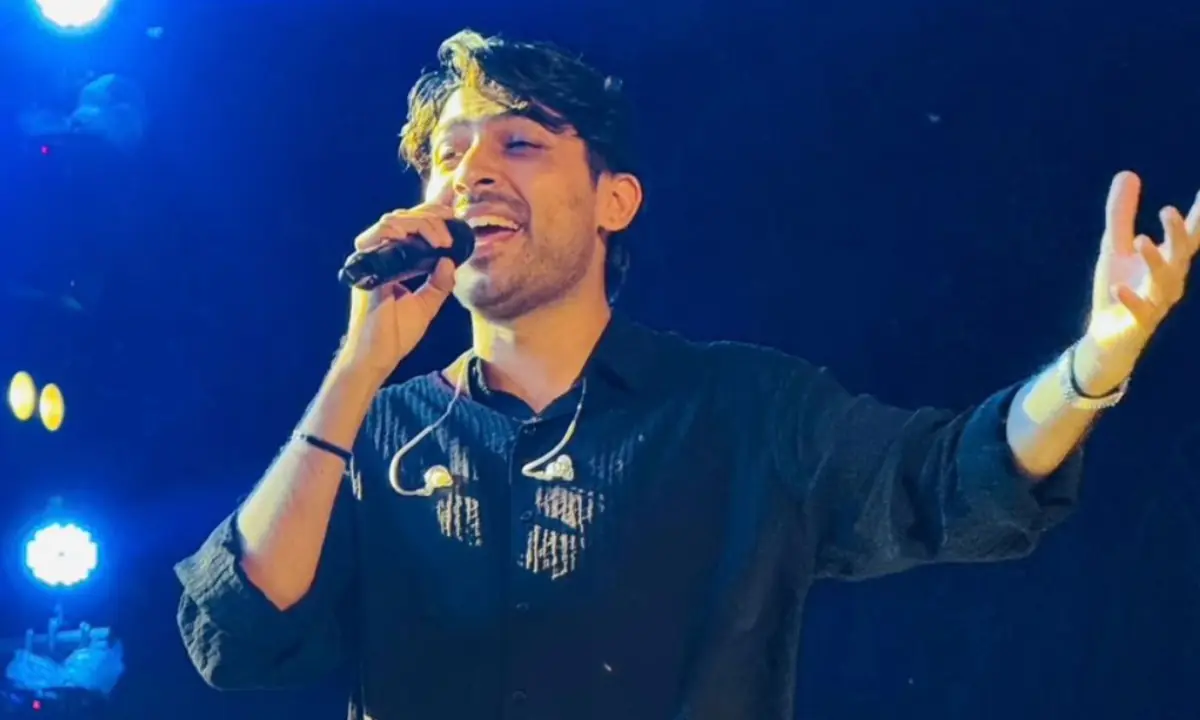
As the album release dates approached, Khattak was worried about comparisons to his previous work and living up to his audience’s expectations. But from what I can tell, the one thing Khattak’s YouTube comment section seems to agree on is that Pakistani rock is so back, and at the helm of the ship, you’ll find one Sherry Khattak screaming at the top of his lungs, clenching his least favourite guitar in the rain.




Comments