
Review: Bas Tera Saath Ho understands the murky dynamics of a Pakistani family
It’s been a couple of years since I last watched a Pakistani drama. The last was Mere Humsafar, which had its share of surprises and disappointments tied up in an excellent presentation. When I learned that Qasim Ali Mureed was back with Bas Tera Saath Ho, I was curious. Two things I’d wished for in Mere Humsafar have shown up here, fully formed. The antagonists have been talked down off the ledge, and the heroine gets opinions from episode one instead of growing into them around episode 30. And above all, nobody is Mr or Ms bichari. Everyone speaks at the right time.
Credit must be given where it is long overdue — this drama was written by the late Saira Raza, who also wrote Mere Humsafar. Most people are handing the drama’s success to Mureed’s direction, and while he has earned his fair share of credit, the restraint everyone keeps praising is a writing decision long before a camera decision.
The trifecta of tropes
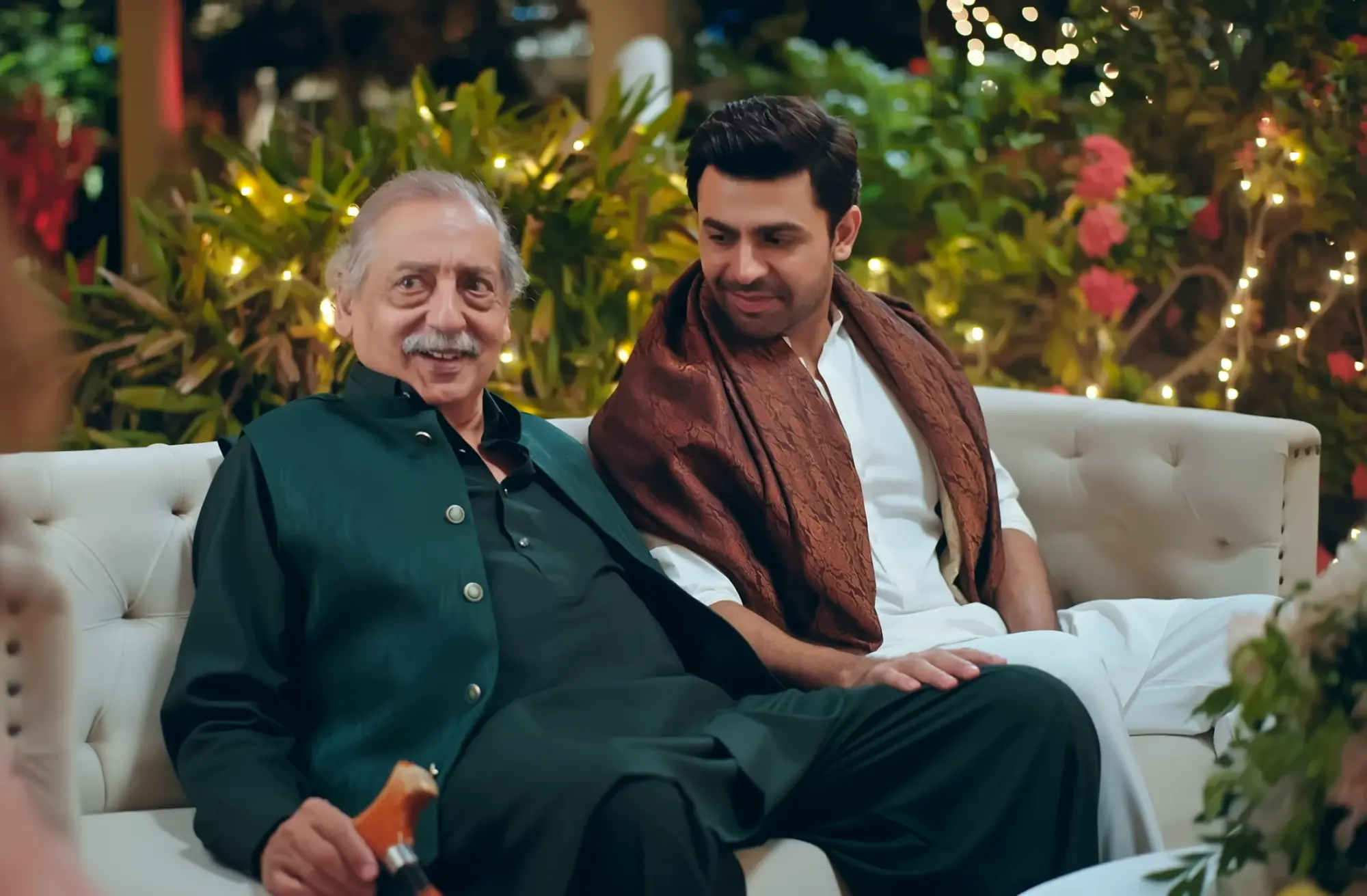
Anas (Farhan Saeed) lives with his doting Dada and his uncle and aunt’s family, carrying the feeling that this house and family don’t owe him anything. Ansa (Sana Javed) lives with her brother and sister-in-law.
The elders are typical, and their vocabulary is familiar: behan ki izzat (sister’s honour), hamare ghar par qabza jamaaye baithi hai (they’ve occupied our house) , and, of course, yeh itna parhne-likhne ki kya zarurat hai (what’s the point of studying so much). There’s the usual scrap over who inherits the property and company. And every problem’s solution is a nikkah, because no matter how many twists the writer puts them through, the end goal is getting them married.
The only good part is that the leads aren’t cousins!
Noteworthy performances
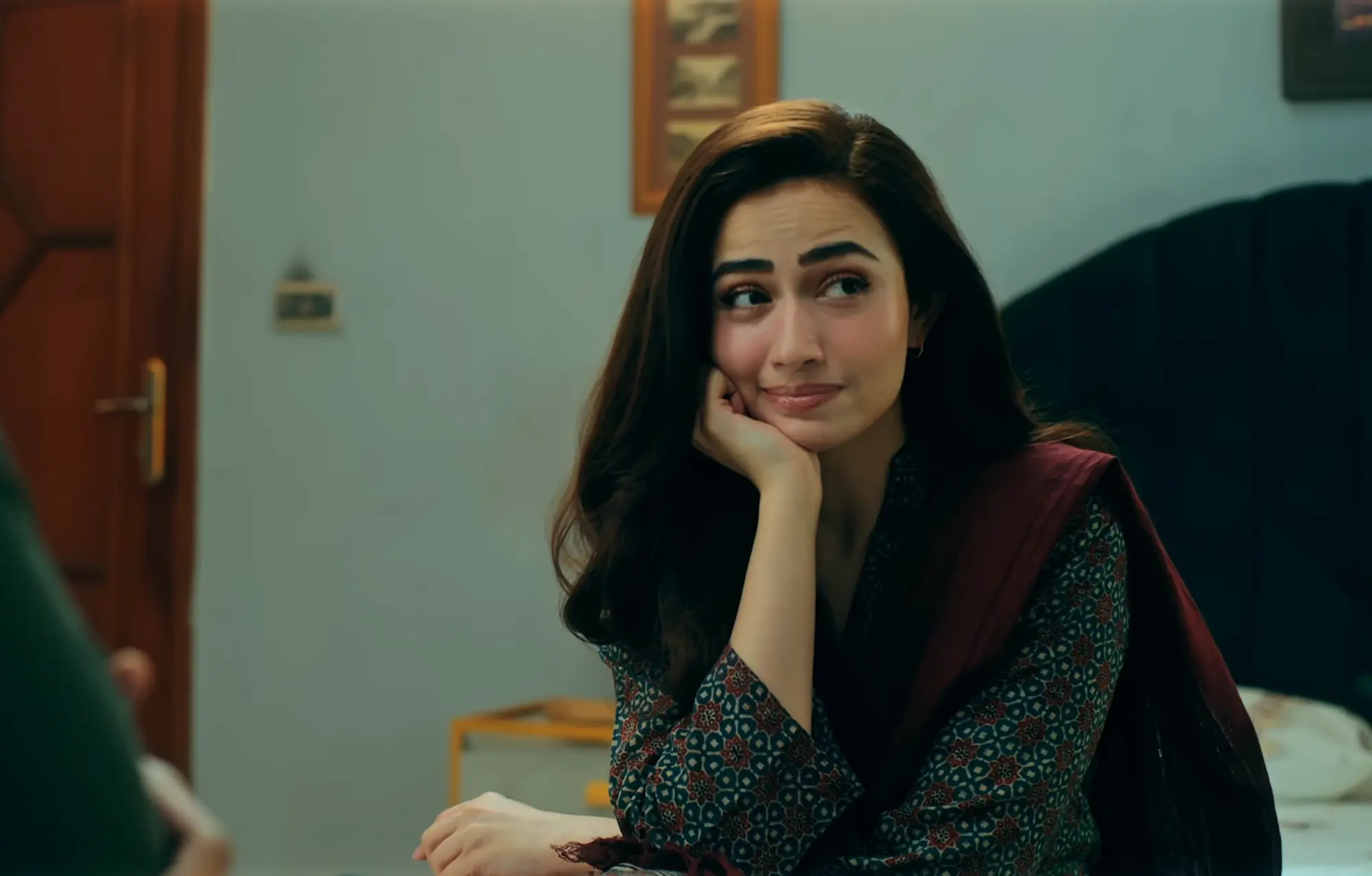
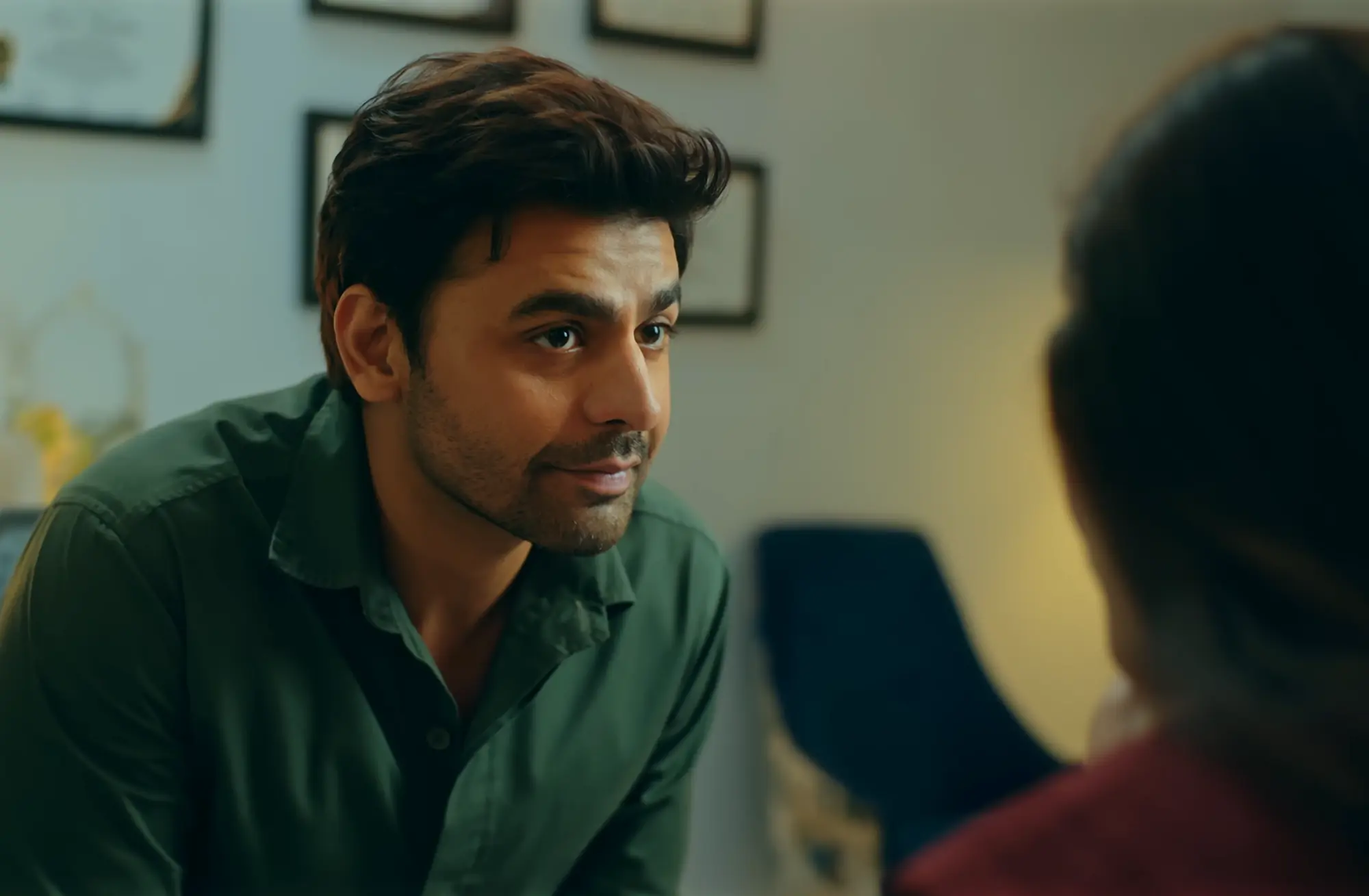
Saeed plays it small. There’s a stammer that only shows up when Anas is emotionally cornered, and it does more work than any monologue would have. Javed plays her character with an ease that makes all this look like temperament instead of performance.
Saba Hamid has played enough imperious matriarchs to have a sub-genre named after her, but thankfully she doesn’t go over the top this time. Her resentment for Anas is balanced by her fear of, and subtle respect towards, her father-in-law, so she bears it through nagging, without giving you earworms in the process (way better than Hala’s tayi).
Faran Tahir’s Taya is an angry old uncle with a grudge, and it’s Tahir’s prowess that stops him from becoming a caricature. The nonchalance with which the Taya in Mere Humsafar would say talaq (divorce) is the nonchalance with which he says aaq (disowned) here, which is funnier than anybody intended.
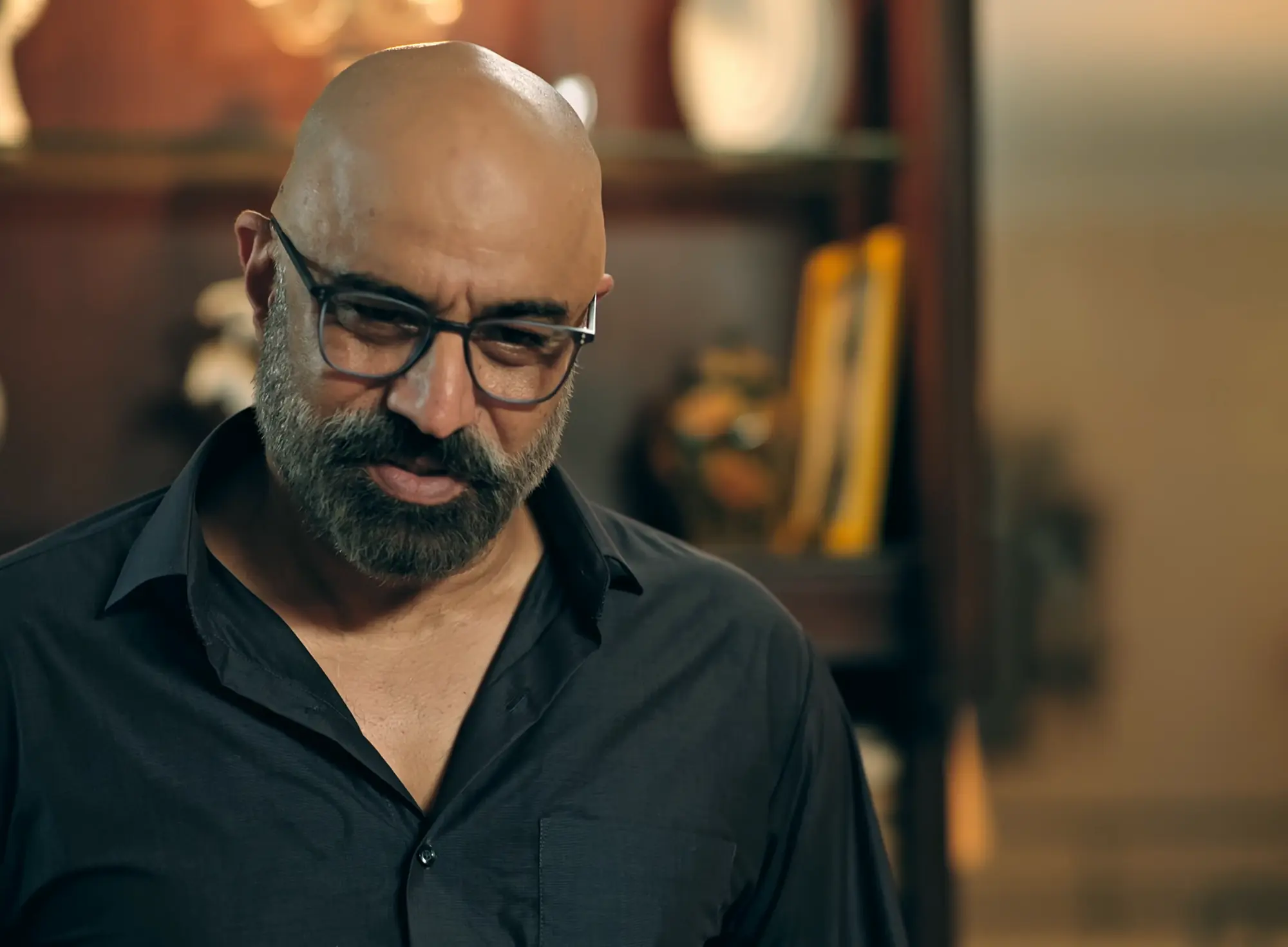
Haris Waheed’s Shayan cries, fights and nags, and is never quite chaotically evil. Salman Shahid essays Dada, a man whose authority has thinned to almost nothing and who knows it, brilliantly. Shagufta Ejaz’s Ambreen looks like nothing on paper but it’s Ejaz’s talent as an actor that has elevated the character for viewers.
The rest are passable, though I’m not sure why Syed Mohammed Ahmed keeps getting stereotyped when we know he can do so much more. Case in point: Daddu Handsome.
Writing that slips up sometimes
This is a drama that’s careful about the texture of family life and then gets impatient the second it deals with an institution. Acquittals do not work the way they’ve shown in Bas Tera Saath Ho. A signed confession doesn’t evaporate because there are placards outside a college gate.
The smartest decision in the script is Anas promising Dada he’ll never name the culprit behind the fake video and Ansa’s decision to find him anyway. That’s the engine. For a dozen episodes his silence was a quality he had. Now he has to maintain it, daily, against someone who loves him and is working to undo it.
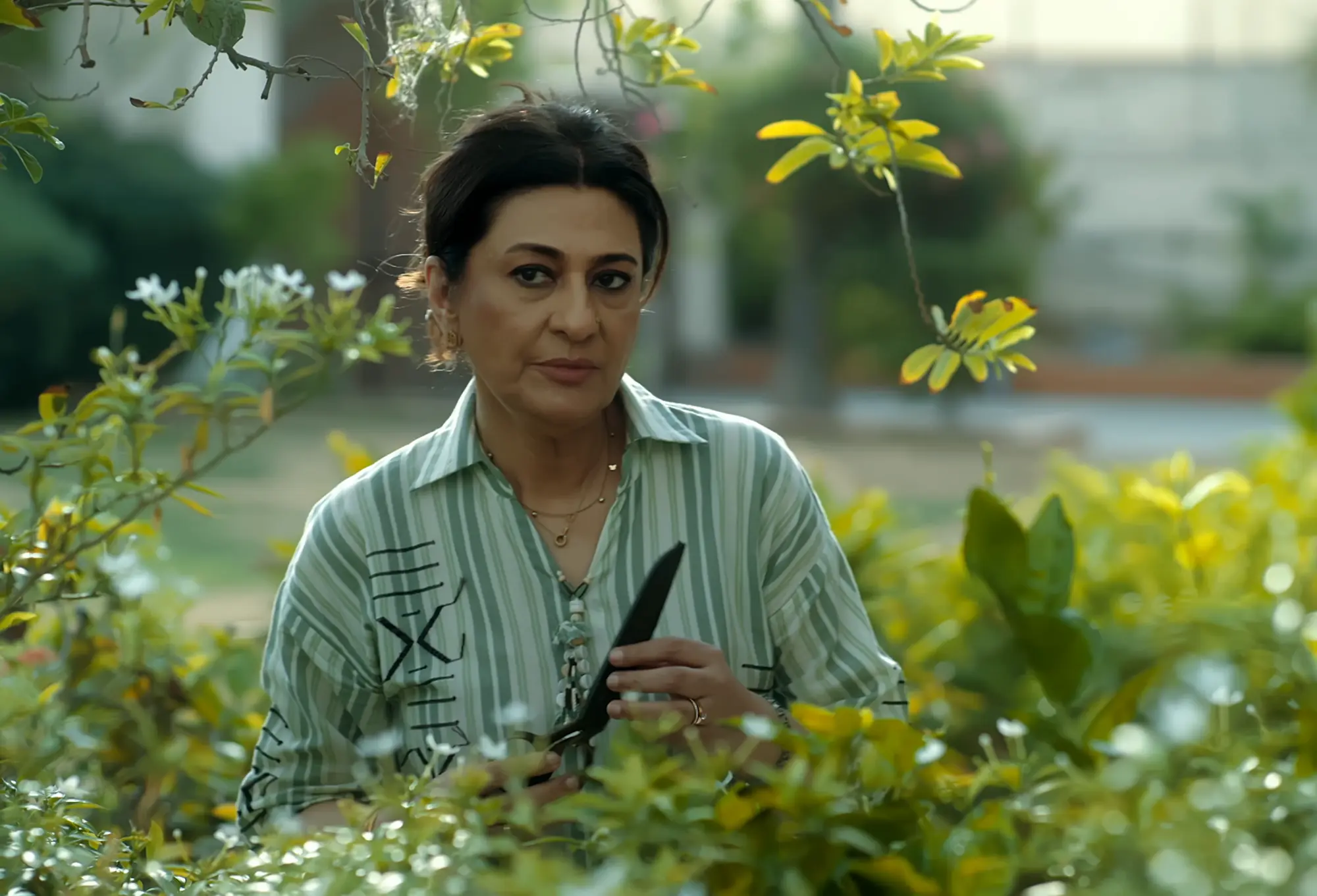
The writing slips in the case of Ansa. Anas objects to her working from home before eventually coming around, and the show frames that as growth. Fine, but why was his permission the obstacle? A woman who organised a student protest and got an innocent man out of jail who now waits for her husband to sign off on a laptop? This doesn’t make sense.
Masterful direction
Mureed’s male protagonists aren’t macho, and he treats that as ordinary. Anas placates Ansa, makes chai, irons the clothes she wears to university, and stands up for her when people there start on her about the video. He’s also the one who says a fake video doesn’t hurt one person, it hurts an entire family.
Speech-shaped, yes, but the show is playing at 8pm on a Monday on ARY, in a country where women are still turned out of their homes over these kinds of videos.
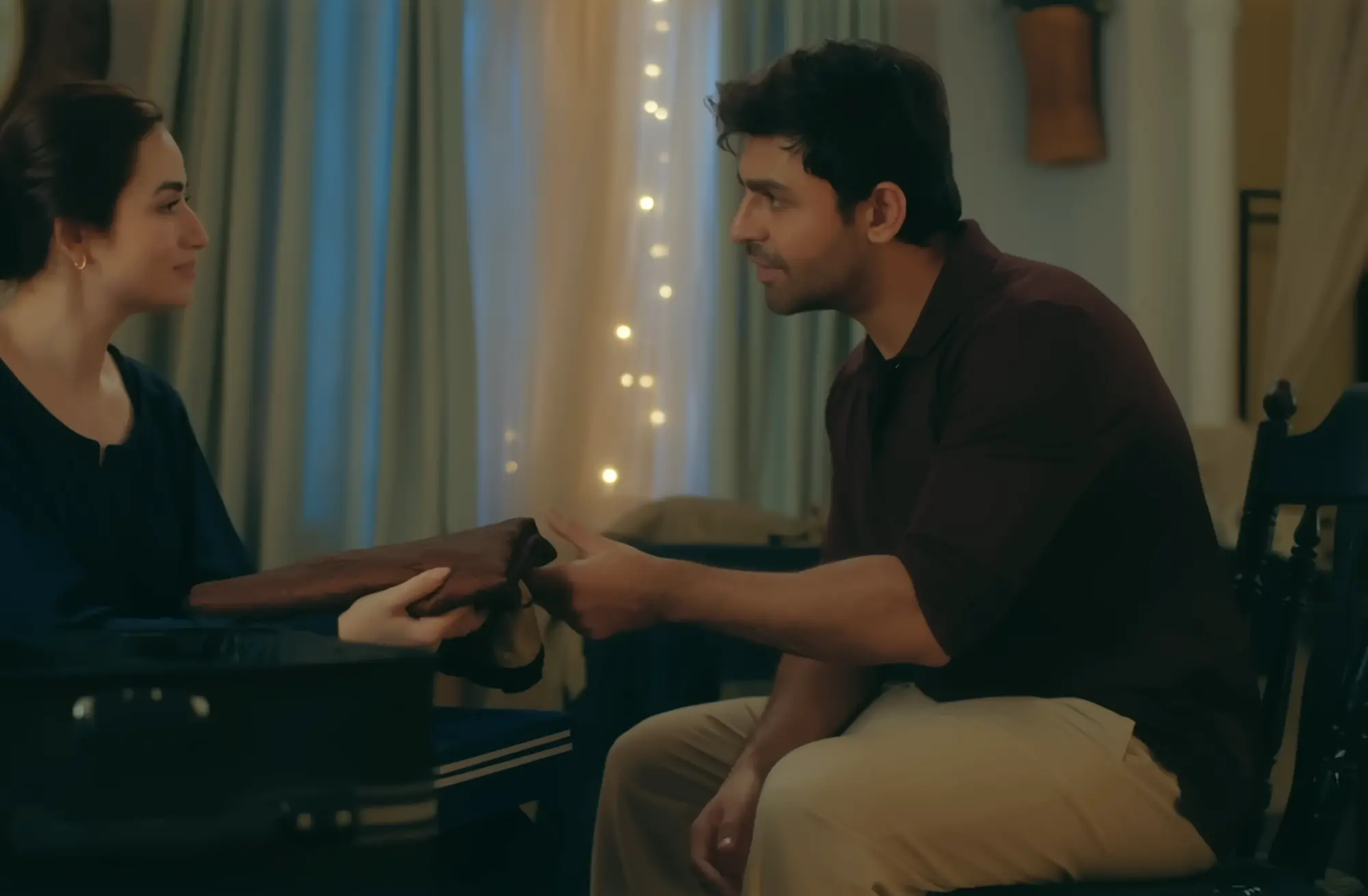
Then there are the objects. Ansa hands him her father’s shawl for Shireen’s engagement, so a man who owns nothing in that house walks into his cousin’s function wearing a shawl given to him by someone with almost nothing to give. Later, she picks up one of his mother’s diamond earrings and says “meri saas ka hai, main nahi loongi tou aur kaun lega (it’s my mother-in-law’s, if I don’t take it, who else would).” His room is a kabaarkhana (storeroom), and the drama doesn’t fix it the moment they marry. Phuppo gives them money, they buy furniture and assemble it themselves over several episodes.
Mureed’s other instinct is knowing when to leave the music alone. Anas sits with Dada and explains what work from home means. Anyone who has explained to a grandparent how to use a phone knows that patience, and Shahid plays it completely straight. Our dramas usually like making our elders the punchline, but Bas Tera Saath Ho thankfully doesn’t.
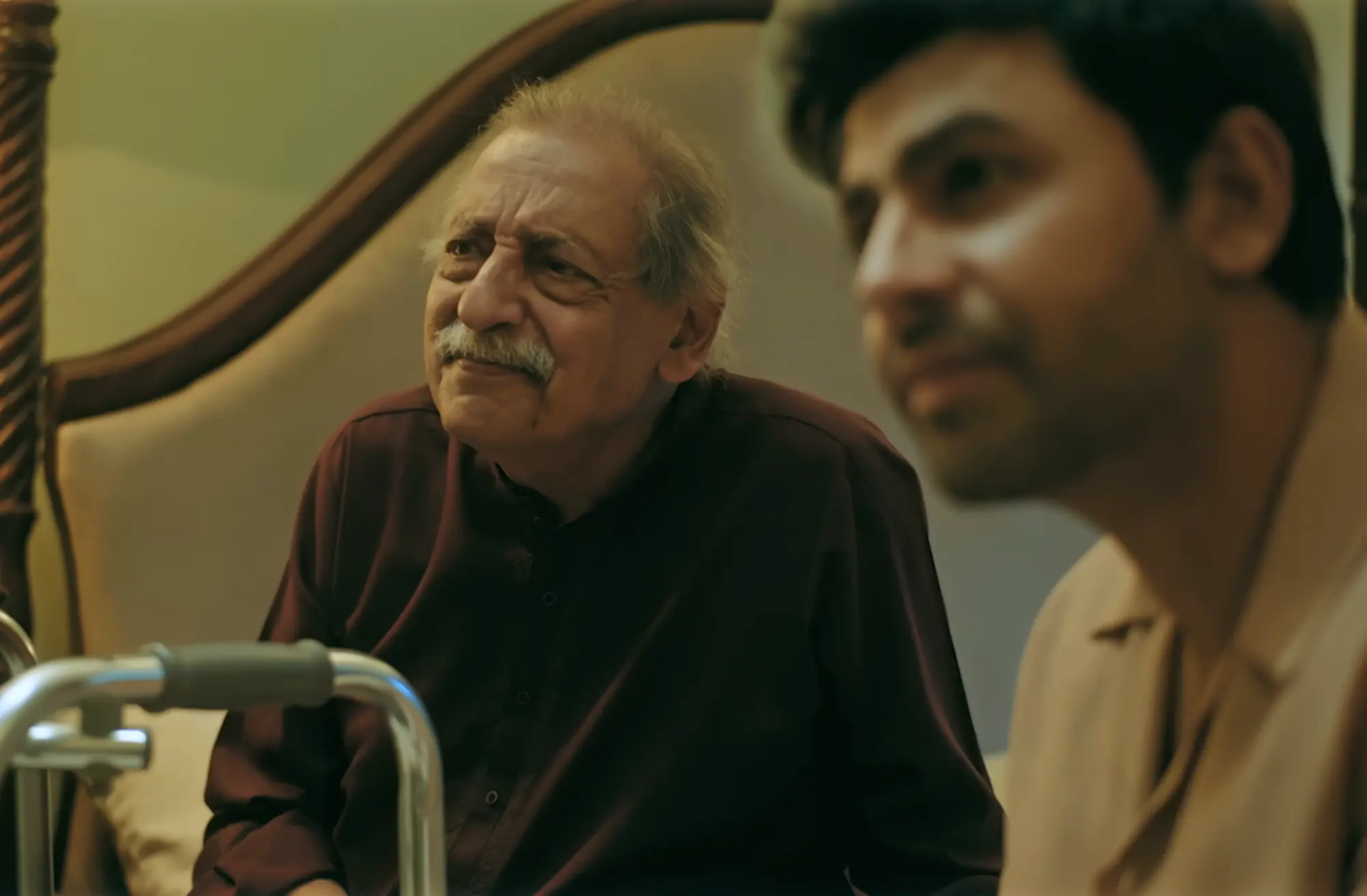
However, what stays with me is what this drama does with the family. Our television dramas usually offer two kinds of home: the torture chamber or the shrine. This one is just a house. Tayi hates Anas and also fears losing her place in it, so the hatred comes out as nagging across the dinner table rather than as a scene.
Taya’s grievance is that his father loved another man’s son more than him, and the fight over the company is the only place where he can channel that hurt. Dada’s love arrives wrapped in guilt for a son he disowned.
Nobody here is wholly anything and this is why it works. I’m glad I came back for it.
Comments