
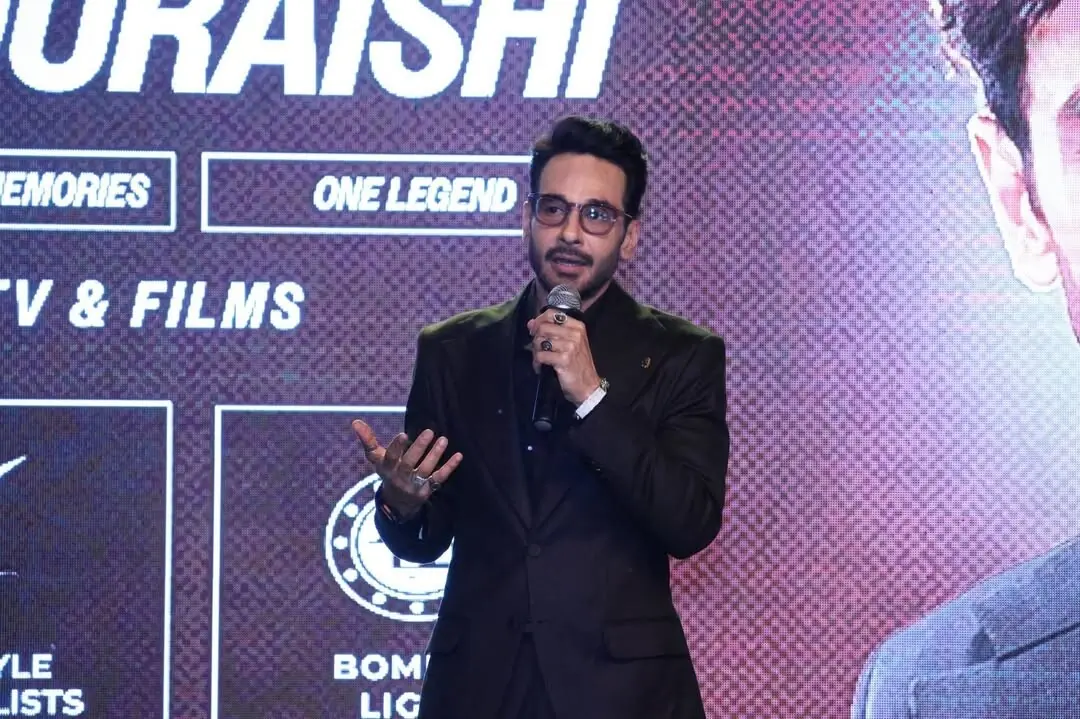
Faysal Quraishi worries about the impact of the removal of advance tax on foreign TV shows
Actor Faysal Quraishi is worried that a proposal to withdraw advance taxes — an amount of income tax that is paid much in advance, rather than a lump-sum payment at the year-end — on payments for foreign TV shows and advertisements will end up hurting Pakistan’s domestic entertainment industry.
In a video posted on his Instagram account on Saturday, the actor warned the move would result in local artists, technical crew and other people associated with filming losing their jobs.
He started by recognising that the government was working to promote filmmaking in Pakistan, “Recently, we’ve all been very happy the way the Punjab government, the Sindh government, the federal government have been supporting our film industry, the way they’ve been making investments and lending support.”
“But something came up in the budget that has left us shocked and worried… On one hand, you’re talking about supporting the industry; on the other, there’s talk of removing taxes from international projects,” the actor said.
He said the “confusion” from the authorities had left many people scratching their heads.
Quraishi said Pakistani dramas had made a place in the world and were popular across a number of international markets, such as India, Bangladesh, Nepal, Azerbaijan and Turkiye. He questioned why we would encourage film imports when our own content was well-received.
The actor went on to say that every drama shot in Pakistan has “at least 100 people” attached to it, from actors to writers, directors, technical staff and vendors. He said if even 10 slots on TV were given to foreign content, it would result in the loss of at least 1,000 Pakistani jobs.
Back in the day, he said, at the very least, Pakistani dubbing artists could make a living from foreign content. Quraishi said even that had dried up nowadays after artificial intelligence had taken over dubbing work.
“The loss will be borne by our own people. It doesn’t matter to me or to other people raising concerns… but there are people who need work and we want all of them to have jobs,” he said.
He requested the government to reconsider its decision in the interest of Pakistan’s people.
Earlier on Thursday, actor and director Shamoon Abbasi also objected to the move, saying it took Pakistan “10 years to re-establish our drama industry” after a prior surge in the airing of foreign content.
“Bringing back foreign content to Pakistan will destroy the actors, producers, directors [and] writers once again,” Abbasi said.






Comments