
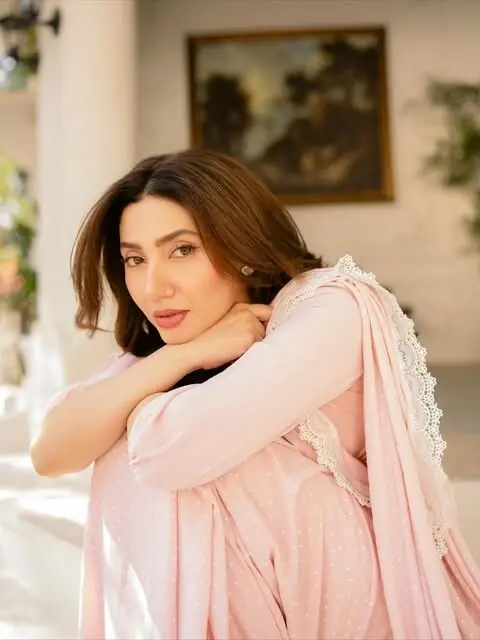
TV channels earn so much money while junior artists, technicians get left behind, says Mahira Khan
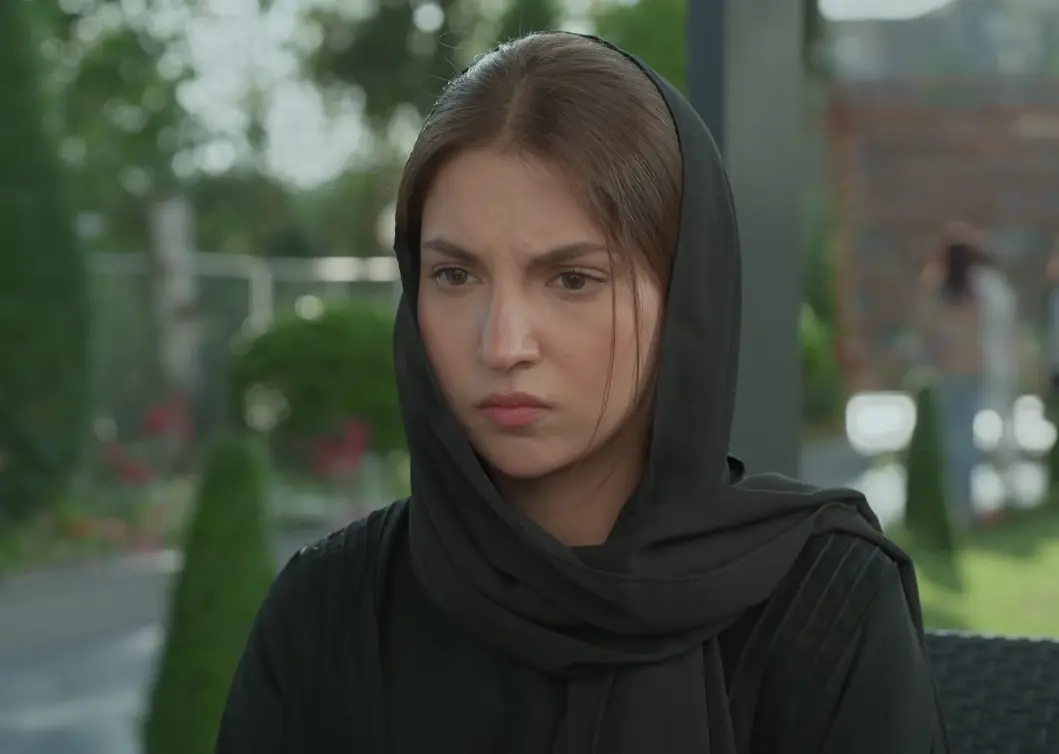
In a candid moment during a recent interview, Mahira Khan revisited an issue that has long simmered within Pakistan’s entertainment industry — the absence of a structured royalty system — but this time, she made it clear who she believes is paying the price for it.
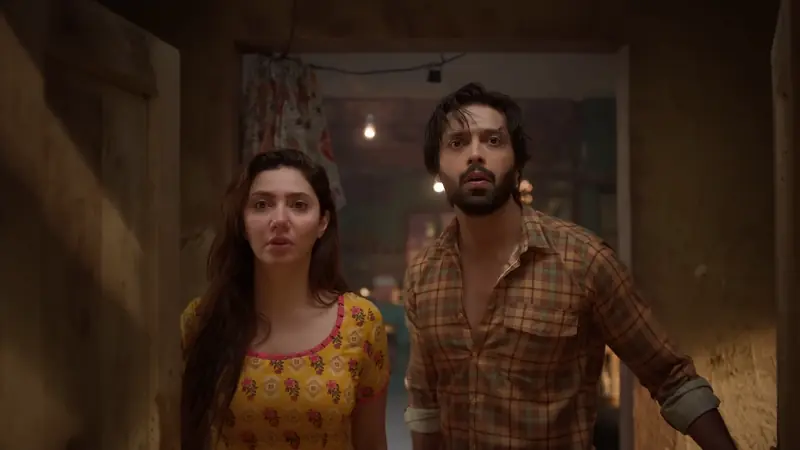
Appearing alongside her Aag Lagay Basti Main co-star Fahad Mustafa on Gup Shab With Vasay Chaudhry, Khan spoke about the imbalance in revenue distribution, pointing out that while lead actors often manage to “survive”, the same cannot be said for junior artists, supporting performers and technicians who form the backbone of the industry.
When the host brought up an old post of hers advocating for artist royalties, Khan didn’t retreat into generalities.
“I think world over there is a certain amount that goes to artists as royalties,” she said. “I’m not saying we should exactly follow Hollywood, but it is a system that ensures artists don’t go hungry.”
The point, however, wasn’t just about top-billed stars securing residuals. Khan acknowledged that even in established industries, financial instability exists, but insisted that a formal system at least offers a baseline of protection, something many in Pakistan’s industry simply do not have.
“Yes there are many artists who are homeless and get bankrupt but that’s mainly because they were unable to save,” she continued. “But technically on paper, no artist who gets a certain amount of royalty should face struggles.”
Broadcasters, she noted, benefit from multiple revenue streams, some of which are not fully transparent to the artists themselves.
“I feel if channels earn so much money and from multiple revenue streams, some of which even we are not aware of, artists like us still survive,” she said, gesturing towards Mustafa. “But then we hear stories about certain junior artists, support artists, technicians and crew and I feel that it is unfair and it should not have to be this way.”
Her remarks shift the royalty debate away from marquee names and towards the many invisible workers who keep productions running — those who are rarely part of profit-sharing conversations but are often the first to feel the impact of financial precarity.
Several organisations exist, at least on paper, to address such concerns. The Actors Collective Trust (ACT) represents actors’ interests, while the Pakistan Broadcasters Association (PBA) frames its role as securing optimum outcomes for all stakeholders. Producers, too, have their own representative bodies.
Yet, tangible progress on a functional royalty framework remains elusive. Some groups are active, others less so, and coordination across the industry continues to falter — leaving those with the least influence waiting on systems that never quite materialise.
The issue, of course, is not new. In 2021, late veteran actor Naila Jaffery brought the conversation into public view under deeply personal circumstances. While battling cancer, she spoke about her financial struggles, noting that consistent royalty payments could have eased the burden of her medical expenses.
Her appeal struck a chord at the time, prompting widespread discussion. But as Khan’s recent comments suggest, that moment of reckoning did not translate into structural change, particularly for those who needed it most. Years later, the conversation has resurfaced, but once again risks remaining at the level of discourse.
As Aag Lagay Basti Main enjoys its run in the theatres, Khan’s comments raise the important question of who truly benefits from the success of Pakistan’s entertainment industry, and who gets left behind.


Comments