

The 10 unspoken rules of attending an iftar dawat
Ramazan is a month of restraint, reflection and — if we’re being honest — highly strategic social navigation because while fasting may test your patience, nothing tests your diplomacy quite like an iftar dawat.
There are rules. They are unwritten. They are sacred. And if you break them, aunties and uncles will remember. Possibly forever.
Here’s your survival guide.
Arrive exactly seven minutes before iftar

Not 30 minutes early. Not “I was in the area, so I thought I’d drop by” early. Seven. Minutes.
Here’s why: iftar is never actually ready on time. The samosas are still being fried, someone has forgotten to plate the dates, and the Rooh Afza jug is sweating in existential crisis on the counter. The host is in full panic mode, whisper-yelling instructions across the house.
Arrive too early and you become a logistical burden. Arrive too late and you miss the collective experience of the azaan countdown.
Also, what exactly will you talk about before iftar? Everyone is hungry. The only available conversation topic is “I am so thirsty”. Leave the meaningful chats for post-samosa clarity.
Compliment the fruit chaat or don’t eat it at all

We get it. Your nani makes it better. Yours has less chaat masala. Yours has more chaat masala. Yours doesn’t have bananas because “they get weird”.
Fruit chaat is a deeply personal art form. Some households go syrupy-sweet. Others treat it like a spice challenge. Some add cream. Some add vibes.
If you cannot find it in your heart to say, “This is so good, Mashallah,” then simply… do not take a bowl. Smile respectfully and move on to the pakoras. No one needs your TED Talk on optimal fruit ratios.
ALWAYS bring something to add to the table

Empty-handed guests are remembered.
Bring dessert. Bring drinks. Bring dates. Bring literally anything that signals you understand the cost of living.
But never — and we repeat, never — bring pakoras.
The host has already fried enough pakoras to feed a small constituency. By bringing outside pakoras, you are essentially saying, “I did not trust your besan-to-pyaz ratio.” And that is an accusation no one recovers from.
If you’re not fasting, do not start eating before the azaan
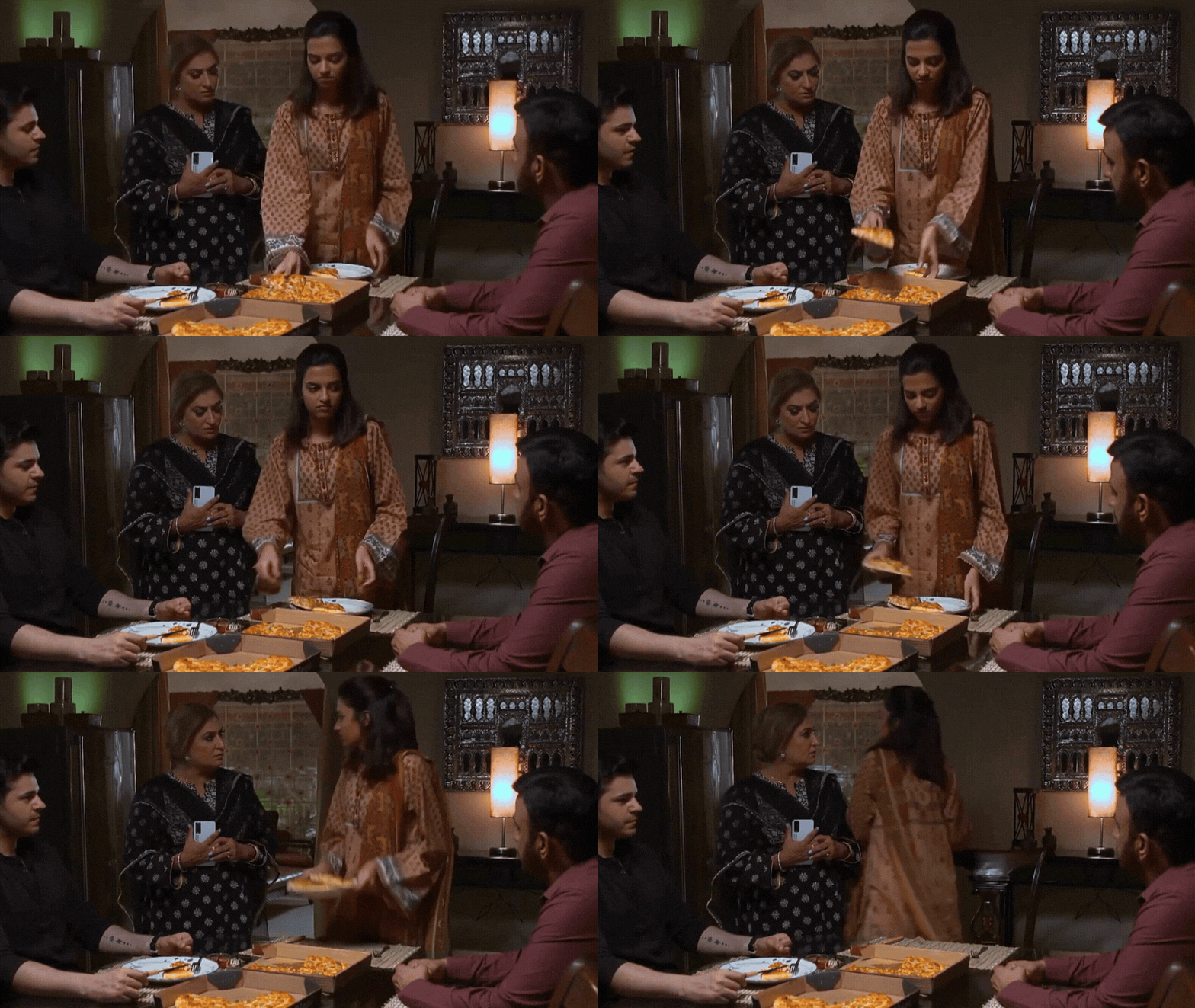
Yes, you’re hungry. We’re all hungry. But if you reach for that samosa 14 seconds early, the entire table will notice.
There will be a pause. A collective intake of breath. Someone’s phuppa will look at you like he personally invented patience.
Hold the line. Show restraint. Spiritual points are on the line.
Pace yourself — this is a marathon, not a race

The first 10 minutes after iftar are deceptive. You think you can conquer the entire table. You cannot.
There is still dinner. There is always dinner.
If you go too hard on the chaat, pakoras, dahi baray and spring rolls, you will enter the dinner phase weak, bloated and questioning your life choices. Respect the long game.
Compliment the host’s ‘simple spread’

Every iftar host will insist they’ve just prepared “something small”.
It is never small. It is a catered-level production featuring 14 items and a signature drink that required emotional labour.
Your job is to say, “You didn’t have to do all this!” even though they absolutely did. This ritual must be performed.
Don’t audit the menu

“This is a lot of fried food.”
“No healthy options?”
“Are these store-bought?”
Please.
Ramazan is not the time to become a nutrition influencer. The oil has already been heated. Let people live.
Help clear up — but don’t overdo it

Offer to help. Mean it. Carry plates. Refill water.
But do not start reorganising the kitchen. No one wants you opening cabinets, asking, “Where do you keep your serving trays?” Stay in your lane.
Leave at a respectable time

Iftar dawats have an emotional arc. There is the hunger phase, the chaotic eating phase, and the post-dinner tea-and-gossip phase.
Know when the vibe has peaked. When the host starts stacking plates with slightly less enthusiasm, that’s your cue.
Ramazan is generous. Don’t stretch it.
Message the next day

A simple “Had such a lovely time, everything was delicious” goes a long way.
Because at the heart of all these unspoken rules is one very spoken truth: someone fasted all day and still stood in a hot kitchen so you could break bread together.
The least you can do is show up on time, leave on time, and appreciate the effort they put in.
Comments