
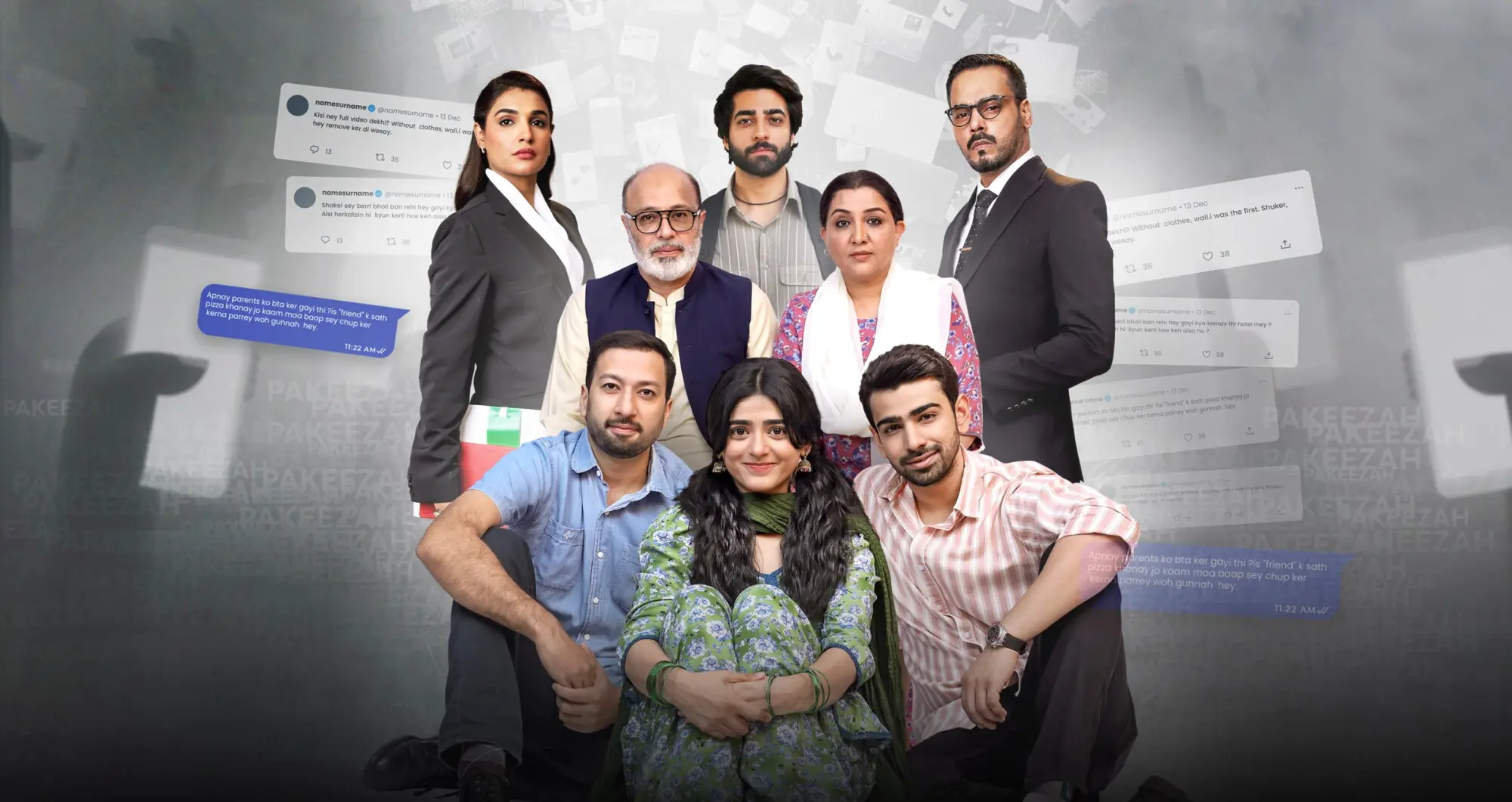
Review: In Aik Aur Pakeezah, the internet is judge, jury and executioner
Every year, a Pakistani drama emerges that feels less like entertainment and more like a necessity. Aik Aur Pakeezah is precisely that — timely, urgent and uncomfortably relevant.
Written to perfection by Bee Gul and masterfully directed by Kashif Nisar — a director who hardly requires further praise — the drama is produced under the banner of the Kashf Foundation and airs on Geo TV. It stars Sehar Khan and Nameer Khan in the lead roles as Pakeezah and Faraz. Pakeezah is a lawyer; Faraz, an engineer. They are not engaged, but fate brings them together in a private space where a villain abuses and records them. That video then goes viral — an all-too-common tragedy in today’s digital age.
The urgency of this story lies in its relevance as a large portion of Pakistan’s population now owns a smartphone equipped with a camera.
According to Data Portal statistics, internet use in Pakistan stands at roughly 45 per cent, while approximately 26pc of the population maintains a social media presence as of 2025. In a country where the literacy rate hovers around 60pc — putting aside, for a moment, the complexities behind what “literacy” truly entails — and where anybody’s sin is everybody’s business, the consequences are swift and undeniably brutal. A single click can dismantle reputations, relationships and futures.
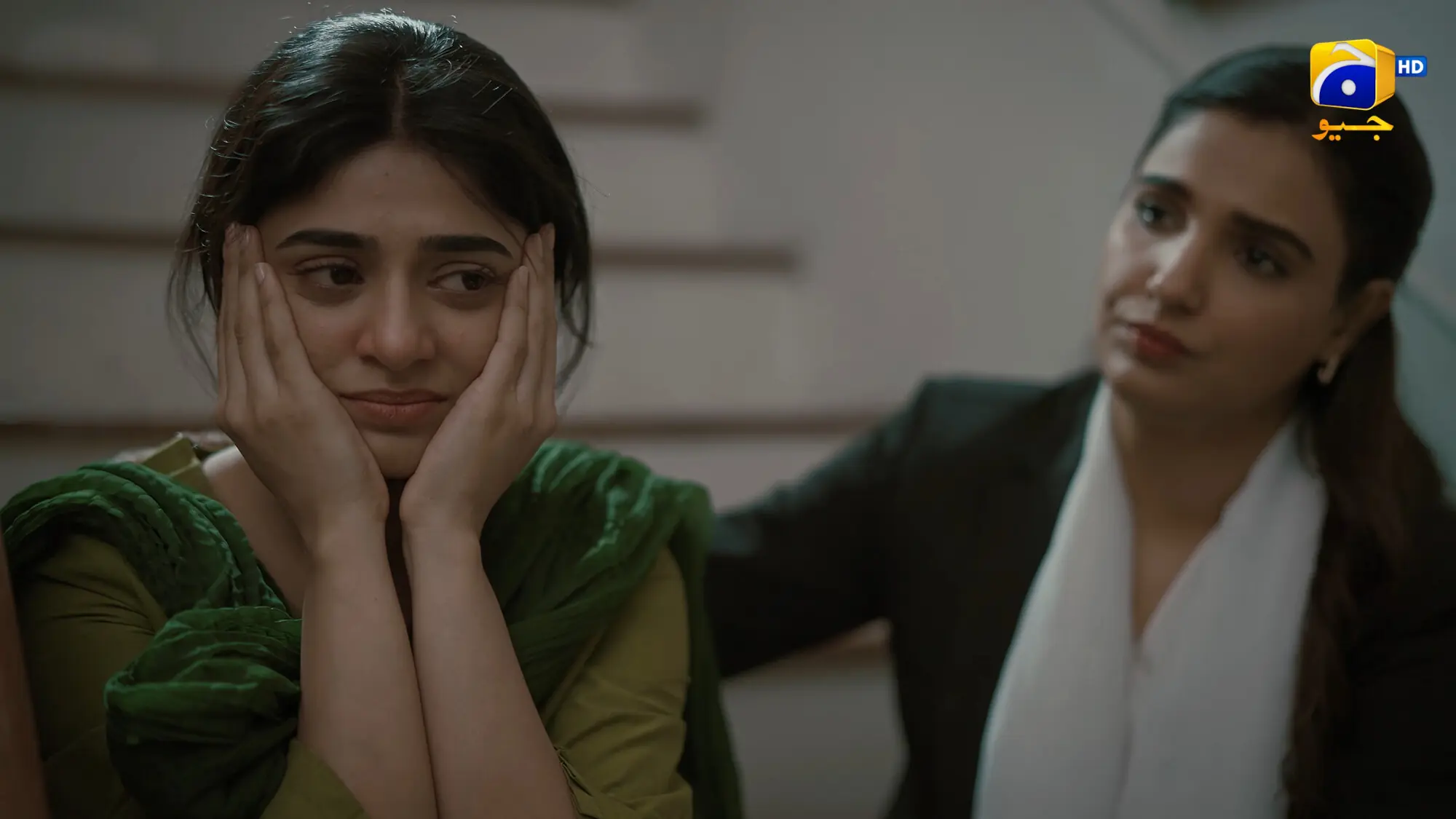
The drama follows the lives of Pakeezah and Faraz — two educated individuals with their whole lives ahead of them — after their video goes viral. They are hurried along into marriage as damage control and to save “honour”. Their families sever ties with them, but the fallout is predictably gendered. While both lives are disrupted, it is Pakeezah who experiences isolation more acutely.
She struggles to comprehend the fact that Faraz continues to have access to his family while she remains ostracised. Months after the video goes viral, she gathers the courage to file a legal case against the perpetrator — a decision met with resistance rather than support. Her only ally is Saman, a lawyer and acquaintance, who is played by Amna Ilyas. She convincingly embodies a fearless lawyer, visibly frustrated by the very justice system she serves.
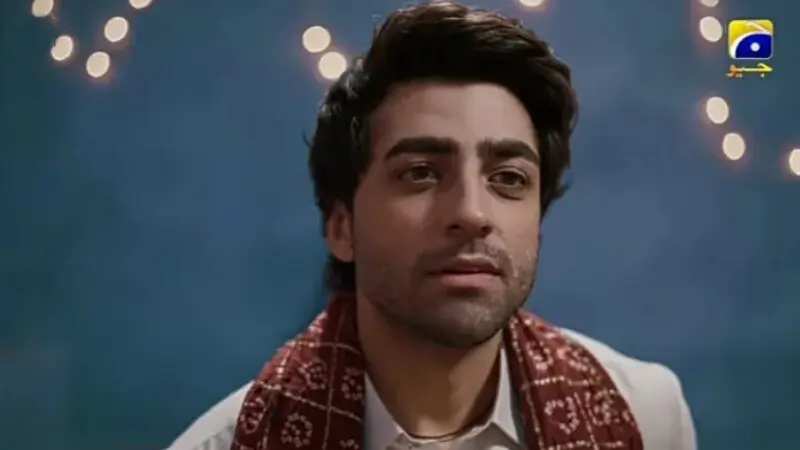
Thus far, the drama is tightly paced. With the tenth episode recently aired, viewers have witnessed the emotional and societal hurdles faced by a victim seeking justice: the hesitation, the fear, the resistance from family and the moral policing that follows.
What initially appears slightly perplexing — Pakeezah’s family cutting ties with her while entertaining the perpetrator — gradually reveals itself as deliberate commentary. The hypocrisy is not accidental; it is diagnostic. A man’s transgression is negotiable. A woman’s perceived “dishonour” is not.
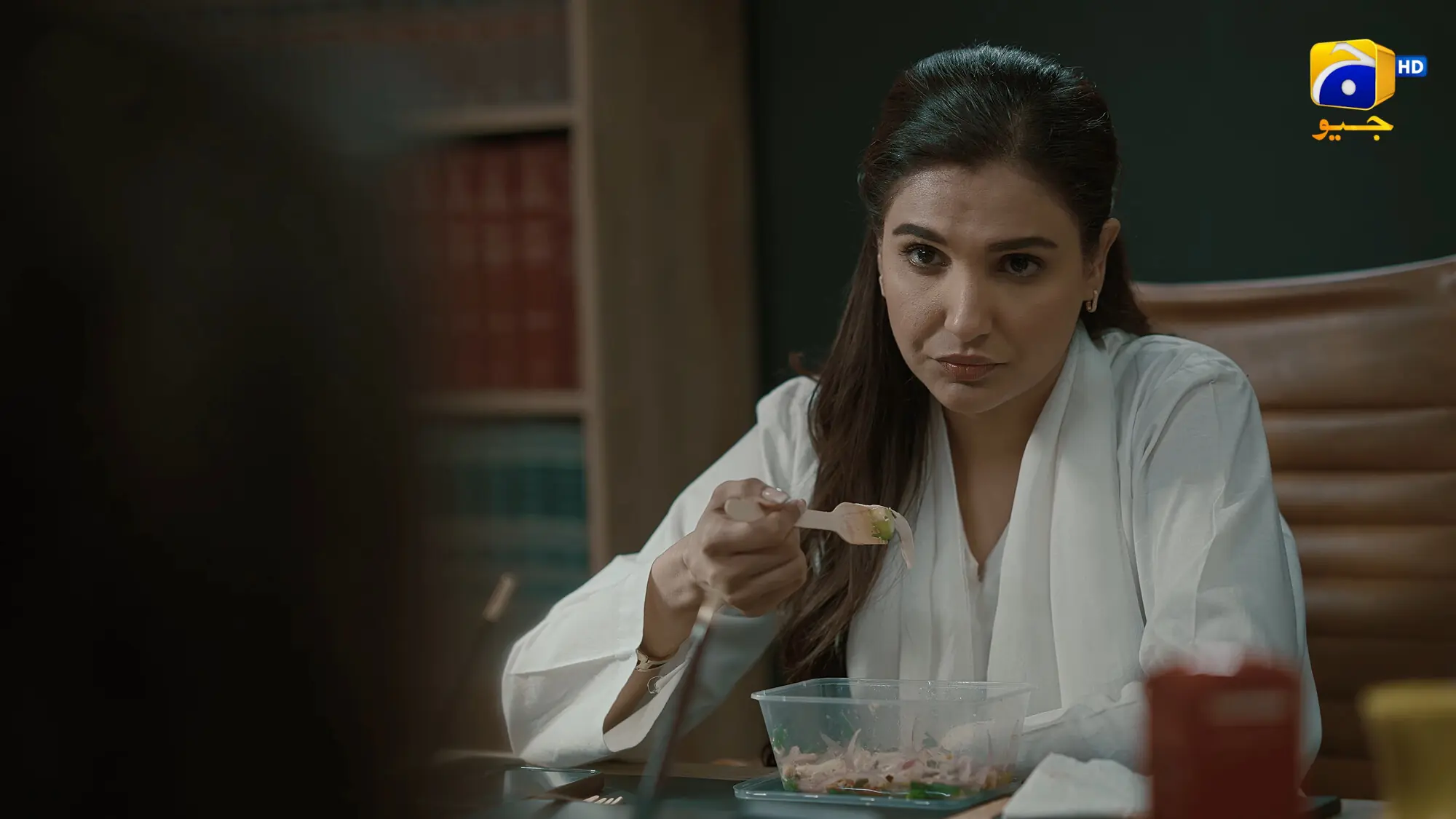
Performance-wise, the cast delivers with commendable restraint. Sehar demonstrates notable growth, bringing vulnerability and quiet strength to Pakeezah without tipping into melodrama. Nameer matches her intensity with emotional sincerity. At times, however, the lead pair struggles to forge a deeper emotional connection with the audience.
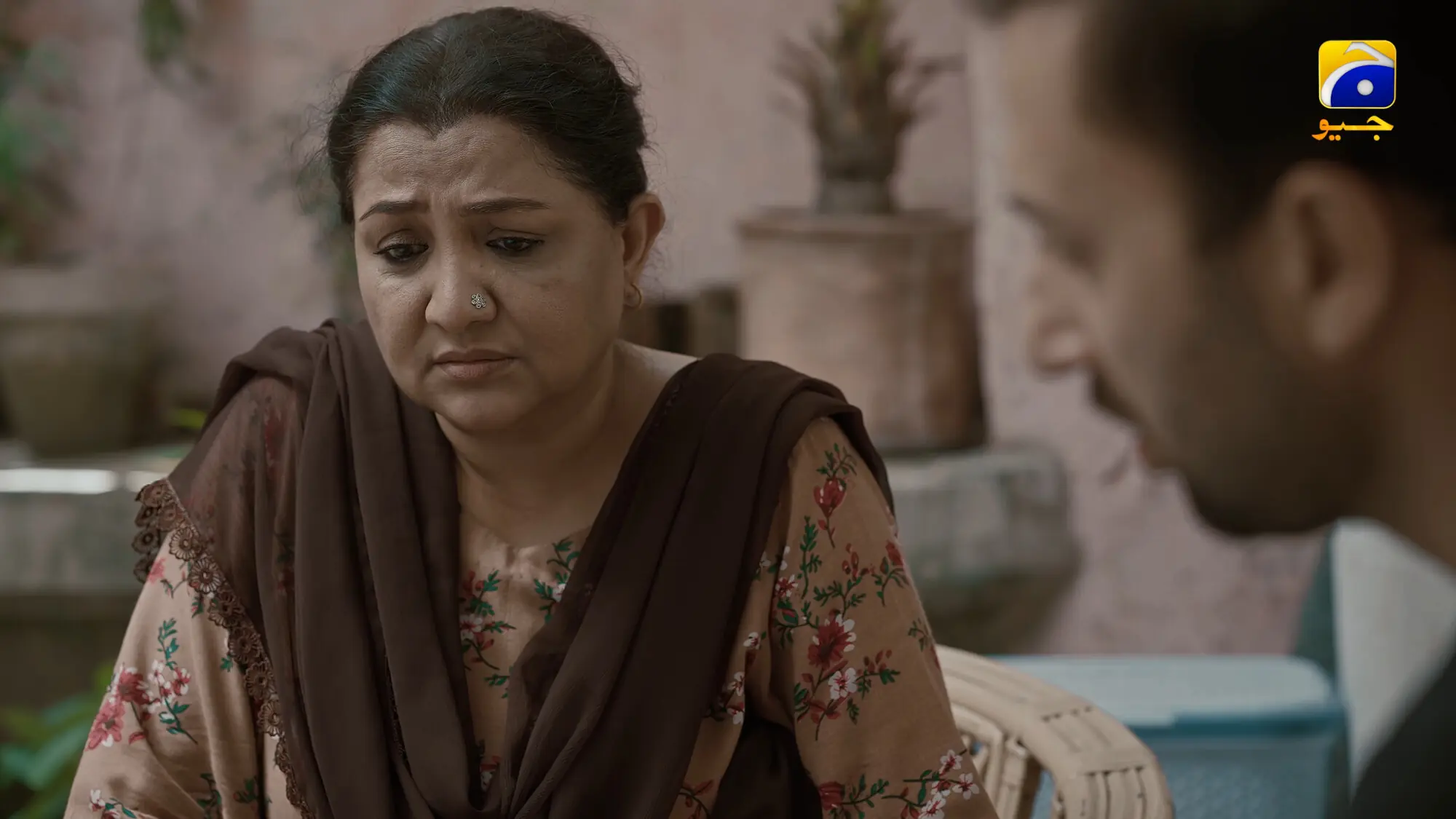
Meanwhile, Nadia Afghan delivers yet another nuanced performance. The role of the protagonist’s mother is often sidelined, but Afghan transforms it into something authentic, memorable and difficult to ignore.
Zubair, a formidable barrister who later marries Saman, is played by Gohar Rasheed. He is shown to be competent, composed and seemingly the ideal partner. His character appears almost too perfect, hinting that there may be more complexity yet to unfold.
Beyond its performances, what truly distinguishes Aik Aur Pakeezah is its dialogue and direction. The drama is rich with lines that strike like a punch — sometimes in gut-wrenching scenes and sometimes through moments of humour. It forces the audience to pause and contemplate, to think and question.
Moments such as Saman’s assertion that women need not rush into marriage — thereby ensuring better choices — serve as necessary reminders. Another standout moment occurs when Zubair places the lawyer’s coat on Saman’s shoulders before she reciprocates. It is a quiet yet powerful visual of mutual respect and equality. Equality here is not preached; it is enacted.
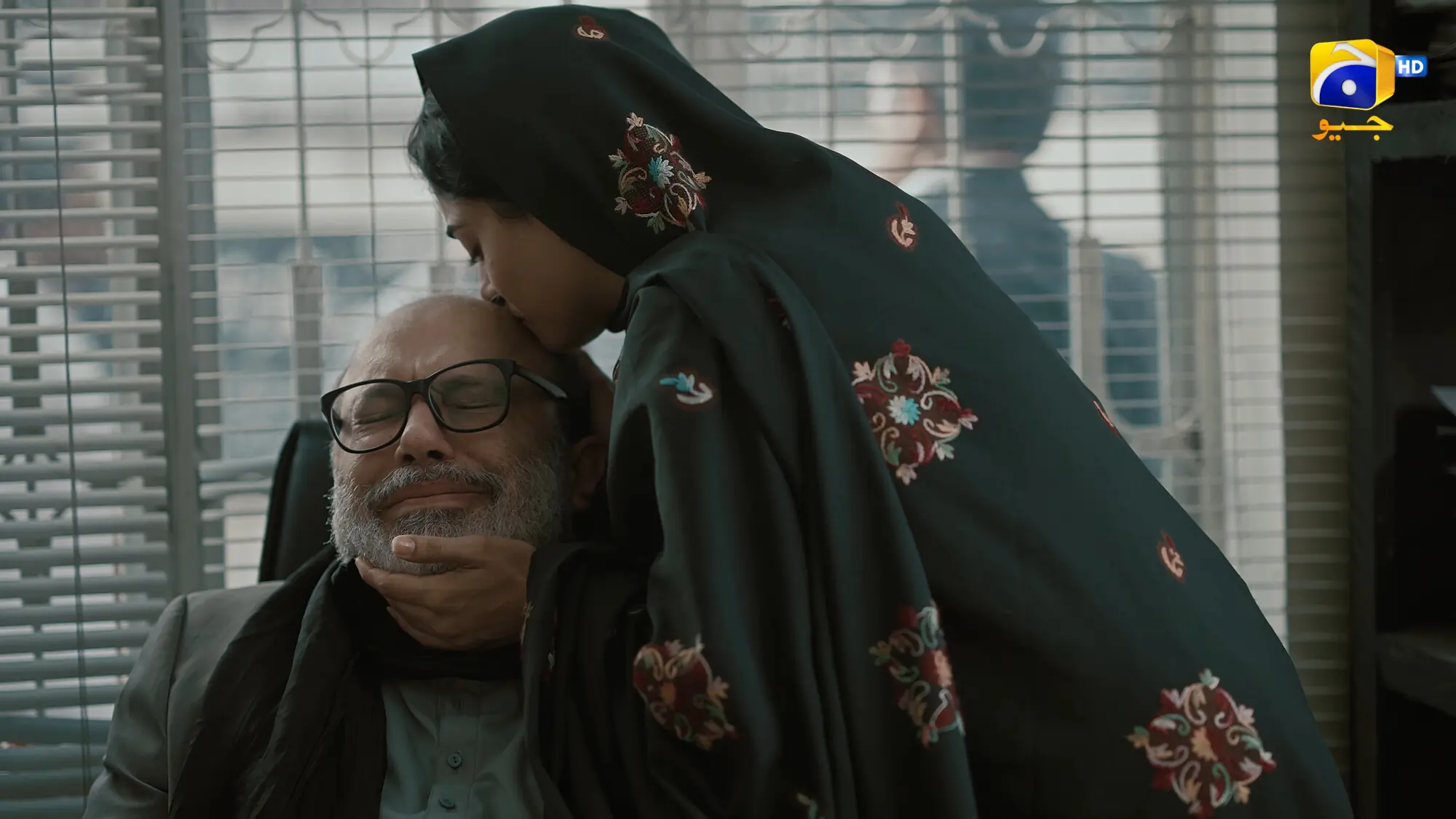
As the drama transitions into its courtroom arc, anticipation builds. If executed with the same nuance shown thus far, these sequences have the potential to extend the conversation beyond individual shame and into institutional accountability.
Ultimately, Aik Aur Pakeezah exposes a system. It serves as essential commentary on harassment and cybercrime, offering not only awareness but guidance — something particularly crucial for a young, impressionable audience navigating an increasingly digital world. In a landscape often dominated by regressive tropes, this drama insists on asking difficult questions.
And in 2026, that insistence feels necessary.
Comments