
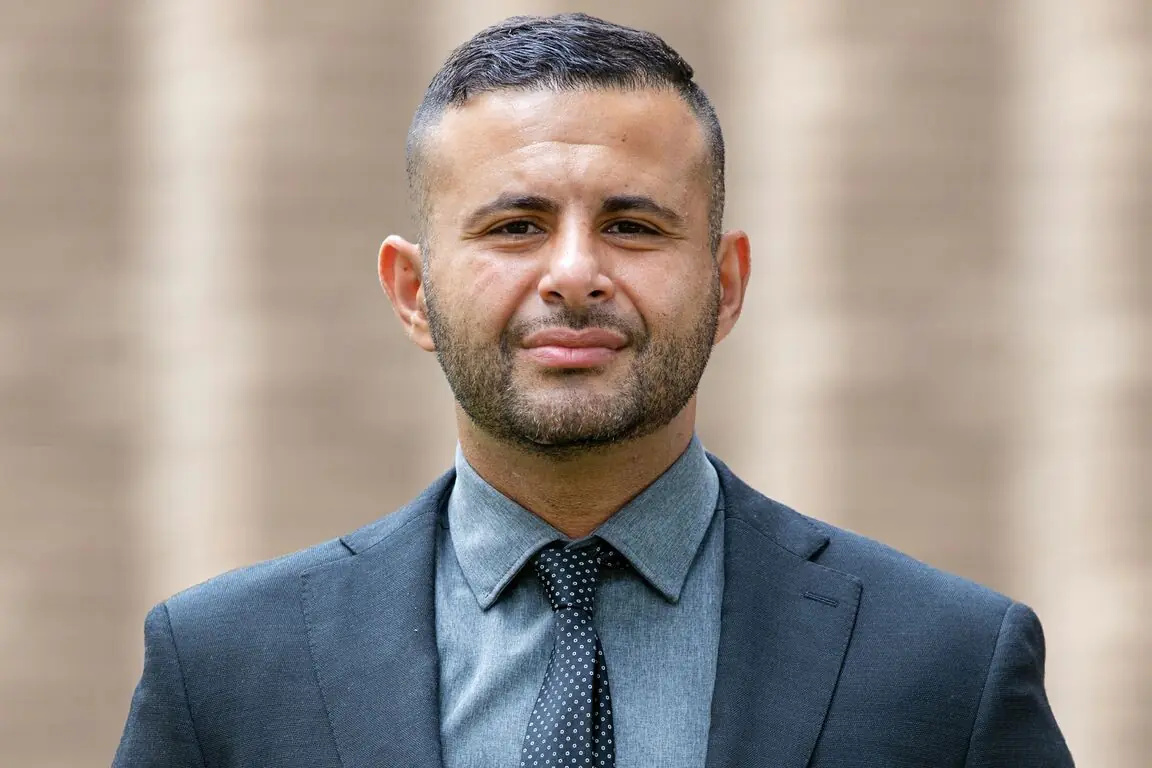
Khaled Beydoun, Wear The Peace and the $2m question around Palestinian fundraising
What started as a question about transparency has now turned into a full-blown social media standoff, with activist and academic Khaled Beydoun at the centre of a heated debate over Gaza fundraising and nonprofit filings.
The controversy erupted after scrutiny of US nonprofit tax records suggested that Beydoun may have been paid over $2 million for professional fundraising services linked to humanitarian campaigns.
According to ProPublica’s database of Form 990 filings — a document nonprofits in the US are legally required to disclose — charity Human Appeal credited Beydoun with raising over $7.1 million through online campaigns in 2024, while listing $2,040,887, which is nearly 29 per cent of that amount, as payment to him for “professional fundraising services”, reported Roya News.
Following this, advocacy group Wear The Peace tweeted, “Hey, Khaled Beydoun, why were you paid $2,040,887 to fundraise for Human Appeal (501c3) for Gaza initiatives in 2024? …Beydoun, an influencer who has been fundraising for Gaza through a dedicated link in his bio for the charity, was paid over $2,000,000 in 2024. He fundraised $7,120,440 for initiatives, the charity retained $5,079,553, and he was paid a generous amount of $2,040,887.”
Beydoun firmly denied receiving any personal payment. In a detailed statement on Instagram, he described the figure as the result of a clerical error, saying Human Appeal mistakenly listed his name instead of the nonprofit that actually received the funds.
He insisted he chose not to take personal compensation and instead directed the money towards his organisation’s work against Islamophobia, adding that the figures reflected gross fundraising totals rather than how funds were ultimately disbursed. Beydoun also stressed that the campaigns were not exclusively for Gaza but supported multiple humanitarian crises, including those in Pakistan, Yemen and Lebanon.
In his caption, he accused pro-Palestine advocacy account Wear The Peace of “Sending threatening messages, personal attacks, and more (I have all of these messages saved).”
He added, “I can attack and levy claims about corporations making veiled threats and selling merchandise (for-profit) during a crisis — but that’s what they want.”
But for Wear The Peace, which has been vocal about charity accountability, the explanation didn’t hold. In a lengthy Instagram post, the group questioned how a sworn federal tax filing — signed under penalty of perjury — could contain a multimillion-dollar naming “mistake”, particularly when payments to individuals and corporations carry very different legal implications.
If the money truly went elsewhere, they asked, why hasn’t Human Appeal amended its IRS filings?
Wear The Peace also challenged Beydoun to publicly name the Islamophobia-focused nonprofit that allegedly received the $2 million he redirected. They pointed out that the organisation he is affiliated with, the Islamophobia Research and Documentation Project at UC Berkeley, reported receiving just over $570,000 in 2024, while other similarly named nonprofits reported receiving nothing. If another entity exists, they argues, donors deserve to know.
Beyond technicalities, the group said its central grievance is ethical, not legal. The fundraising, they said, was explicitly presented as emergency aid for Gaza and other humanitarian crises. Donors gave money under the assumption that it would go directly to relief efforts, not be redirected to a separate organisation focused on research and advocacy. Even if the filing error explanation is accepted, Wear The Peace argued that failing to disclose that nearly a third of donations would be used this way undermines donor consent.
They also disputed Beydoun’s claim that the $2 million figure failed to account for operational costs, noting that such expenses are borne by the charity itself and already reflected in Human Appeal’s own accounts. According to their breakdown, Human Appeal spent $27.9 million in 2024, with $15.1 million going to grants and assistance, and $10.8 million spent on fundraising, including marketing and professional services — figures that have only fuelled further questions.
Beydoun, meanwhile, has framed the backlash as targeted and suspicious. He also claimed Wear The Peace has been “attacking” him since 2023 — an accusation the group rejects, stating they previously warned him about Human Appeal’s governance issues and say they attempted to contact him directly before publishing their post.
What remains unresolved is not just whether a clerical error occurred, but whether donors were given enough information to make informed choices about where their money was going. And until clearer answers emerge, ideally from amended filings rather than Instagram statements, this is unlikely to be the last time accountability and activism collide online.
Cover Image via UCLA/Wayne State University








Comments