
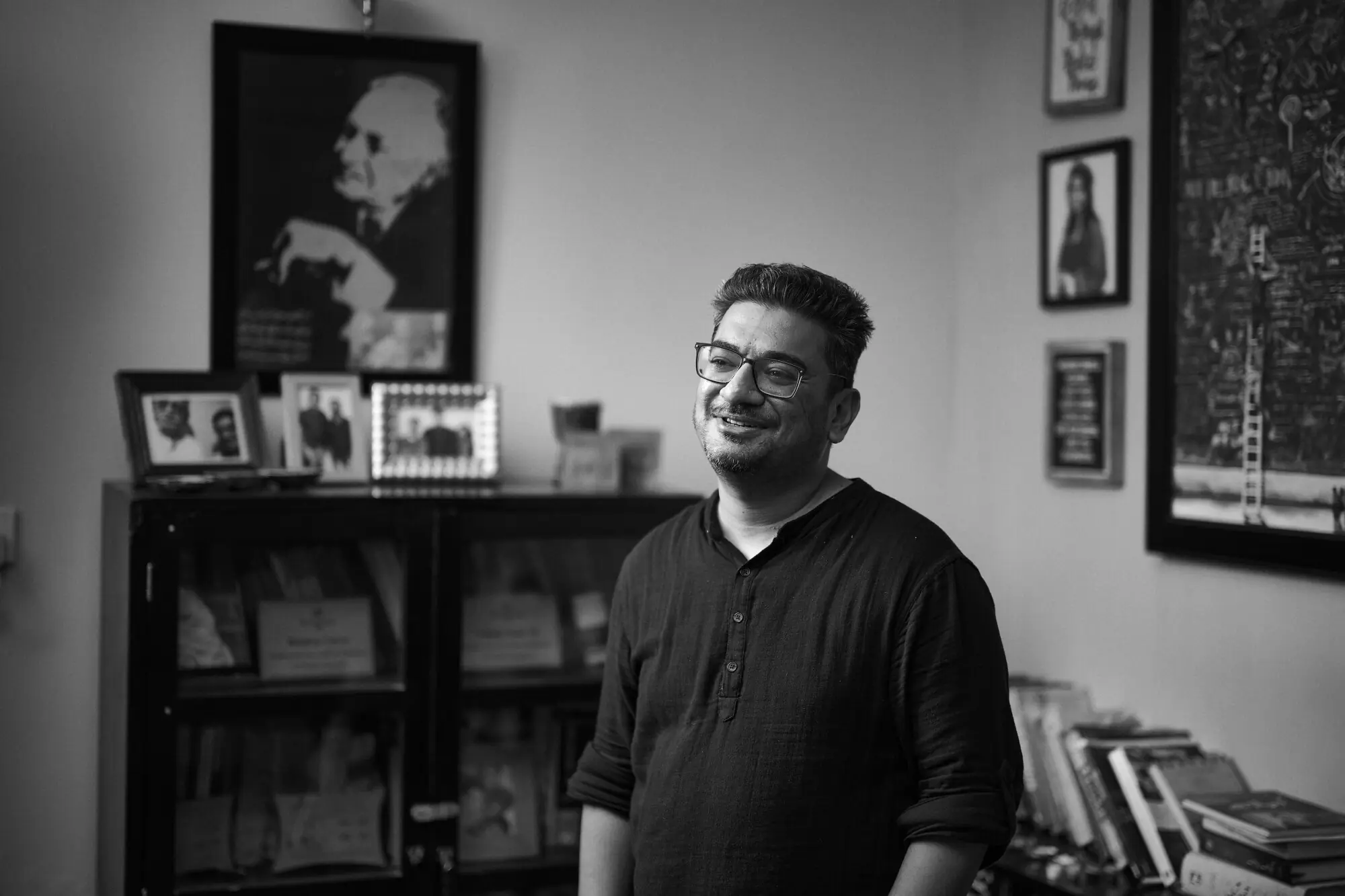
Director Umair Nasir Ali on Nayab and why Pakistani cinema fears its own stories


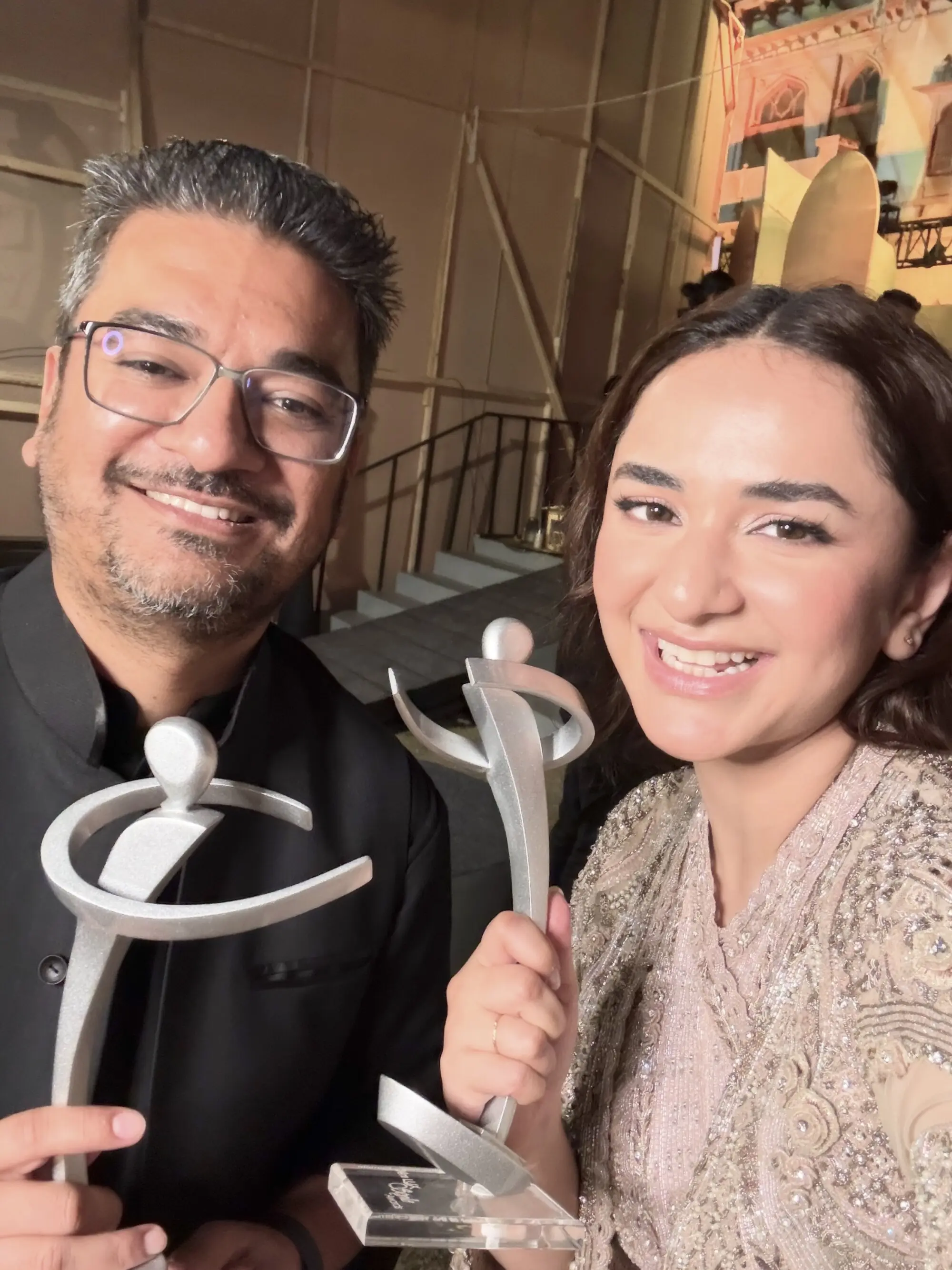
When I arrived in Karachi in December, the city was already buzzing with anticipation for the Lux Style Awards. The very next evening delivered a moment that felt quietly significant: filmmaker Umair Nasir Ali won Best Director for his debut feature film, Nayab. The film had released earlier, but the win felt like the perfect reason to finally sit down with Ali — not simply to revisit Nayab, but to talk more broadly about storytelling, commercial filmmaking, creative risk and the evolving landscape of Pakistani cinema.
An NCA graduate, Ali is widely regarded as one of Pakistan’s most accomplished commercial directors. Over the years, he has delivered several memorable campaigns and also directed the official video of Pakistan’s national anthem for the country’s 75th anniversary — a historic commission in itself. Soft-spoken and deeply reflective about his craft, Ali believes strongly in the power of narrative, whether it unfolds in 30 seconds or over two hours on the big screen.
His Lux Style Award win for Nayab has only further cemented his transition from commercials to cinema as one of the most promising creative journeys in the industry.
Ali often describes himself as belonging to a generation shaped by stories. In his home, narratives of Partition, displacement and the past — passed down by grandparents — were not distant history but lived memory. Words, poetry and music were part of everyday life, quietly drawing him towards creative expression long before he considered filmmaking as a profession.
His formal journey began at the University of Karachi, where he studied communication design and made a short film titled Kalapul during his first semester. It was a small but meaningful first step into visual storytelling. A more decisive turning point came when the National College of Arts launched Pakistan’s first film and video programme. Ali joined its very first batch and still speaks about that time with genuine affection.
Looking back, the early 2000s now feel like a formative moment for Pakistan’s creative landscape. The launch of HUM TV, along with the presence of NAPA and the Kara Film Festival, created an environment where experimentation felt possible. Ali was volunteering at the time, observing closely and absorbing everything around him. Those years were not about certainty or carefully mapped careers, they were about learning how to see — a process that continues to shape his filmmaking today.
A world that keeps revealing itself
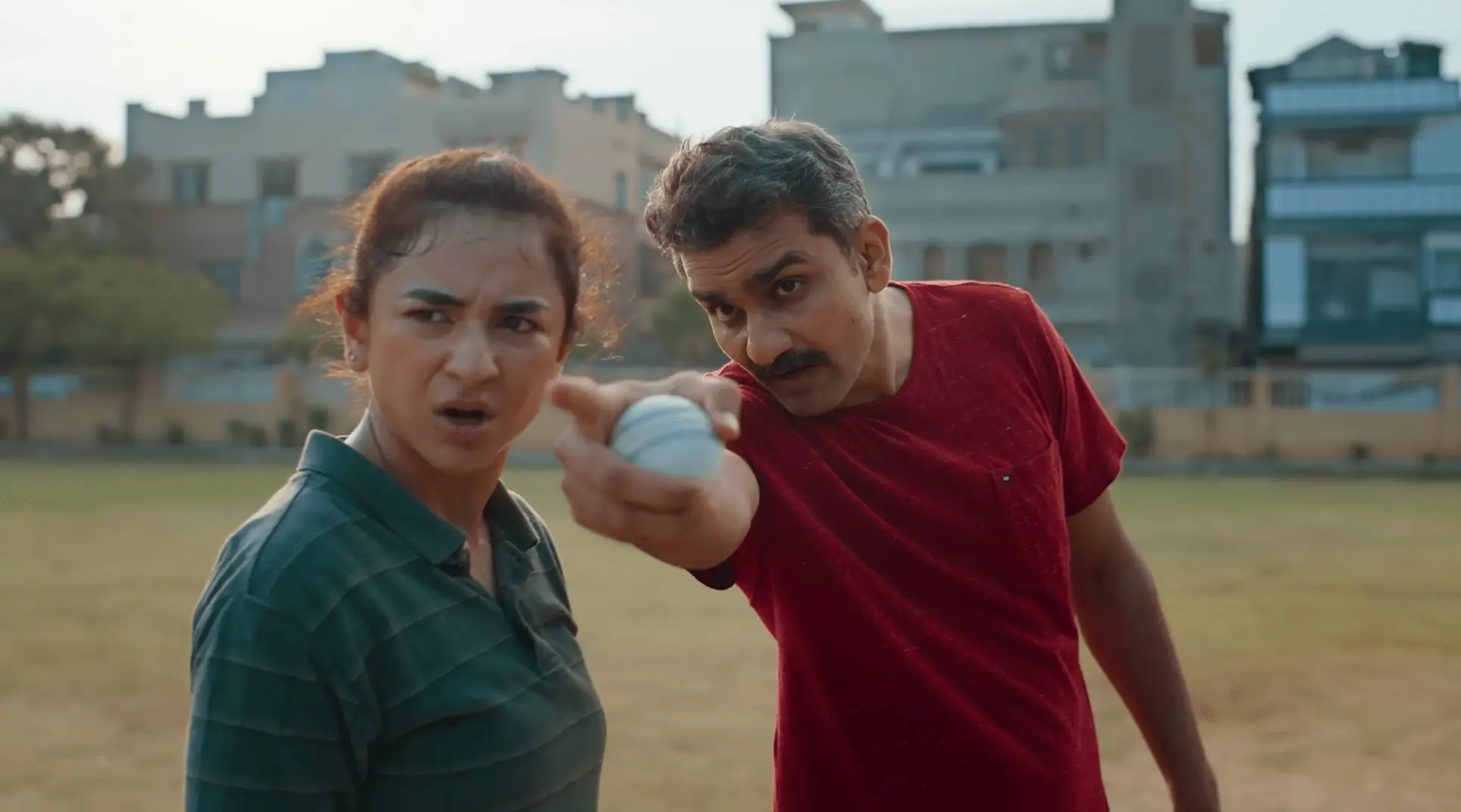
Winning the award, he says, has not altered his relationship with Nayab so much as deepened it. Each time he revisits the film, the connection feels different. Nayab exists as its own world, with its own emotional rhythm and internal logic. Spending two to two and a half hours inside that world allows viewers to experience the relationships at their core: the bond between siblings, the passion, the energy. There remains a personal connection to all of it, and he still finds himself enjoying the film every time he watches it.
That emotional honesty, he believes, was inseparable from casting. Some characters were locked in his mind from the very beginning, particularly Fawad Khan’s Akka, Nayab’s brother. While other names were discussed over time, Fawad always felt integral to the film’s emotional spine and ultimately became its backbone.
For the titular role, Yumna Zaidi was his first choice from the outset. She instinctively felt right for the character, and her preparation only confirmed that instinct. Ali recalls how she spent hours practising with her coach, Tango, working on physicality, expressions and emotional rhythm. That effort translated directly onto the screen — in her silences, her body language and the way she carried Nayab’s inner conflict. While deeply instinctive, Zaidi also brings immense discipline to her work, ensuring that nothing feels forced or performative.
He speaks just as warmly about Usama Khan, who plays Zain, describing him as a classic hero archetype. “Agar hero ka archetype banaya jaye, toh woh proper hero hai: screen presence, structure, personality, sab kuch [if you create a hero archetype, he’s a proper hero: screen presence, structure, personality, all of it].”

On the big screen, Ali believes, you need someone who naturally carries that hero energy, and Khan had it. Since Nayab, he has gone on to appear in Qarz e Jaan and is now set to feature in two upcoming dramas opposite Madiha Imam and Sabeena Farooq — a trajectory Ali is clearly pleased to see unfold.
Pakistan’s anthem, finally given a visual language
Before Nayab reached audiences, one of Ali’s most consequential projects arrived in a very different form: the official video of Pakistan’s national anthem. It marked the first time the anthem had ever been formally visualised by the state, and with that came a responsibility few creative commissions carry.
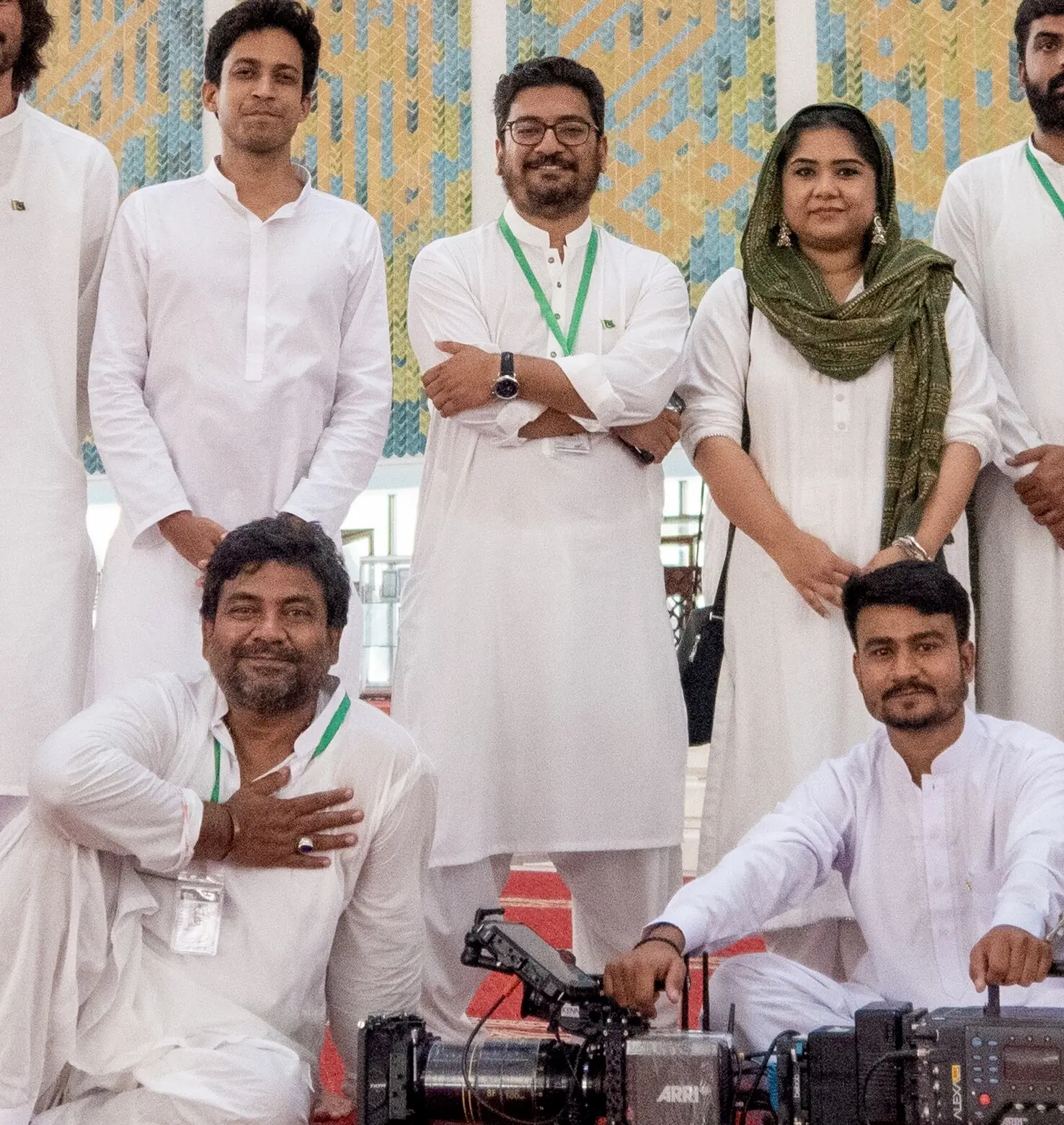
The project was approved by the government and overseen by a committee led by writer and filmmaker Javed Jabbar. Rohail Hayat recreated the anthem’s audio strictly within its original composition and duration, bringing together more than 150 singers. Ali and his team were entrusted with creating the visual language — a task he still speaks about with quiet gravity.
A national anthem, he believes, carries a sanctity that goes beyond cinema or commerce. The challenge was not spectacle, but restraint. The aim was to create something peaceful, timeless and inclusive — something that could resonate equally with people in villages and cities, across class and literacy levels.
The brief demanded a sense of permanence, an image that would not age quickly or feel bound to a particular political moment. If his name is remembered alongside Hafeez Jalandhari and AG Chagla in connection with the anthem, he says, there could be no greater honour.
Why Pakistani cinema often plays it safe
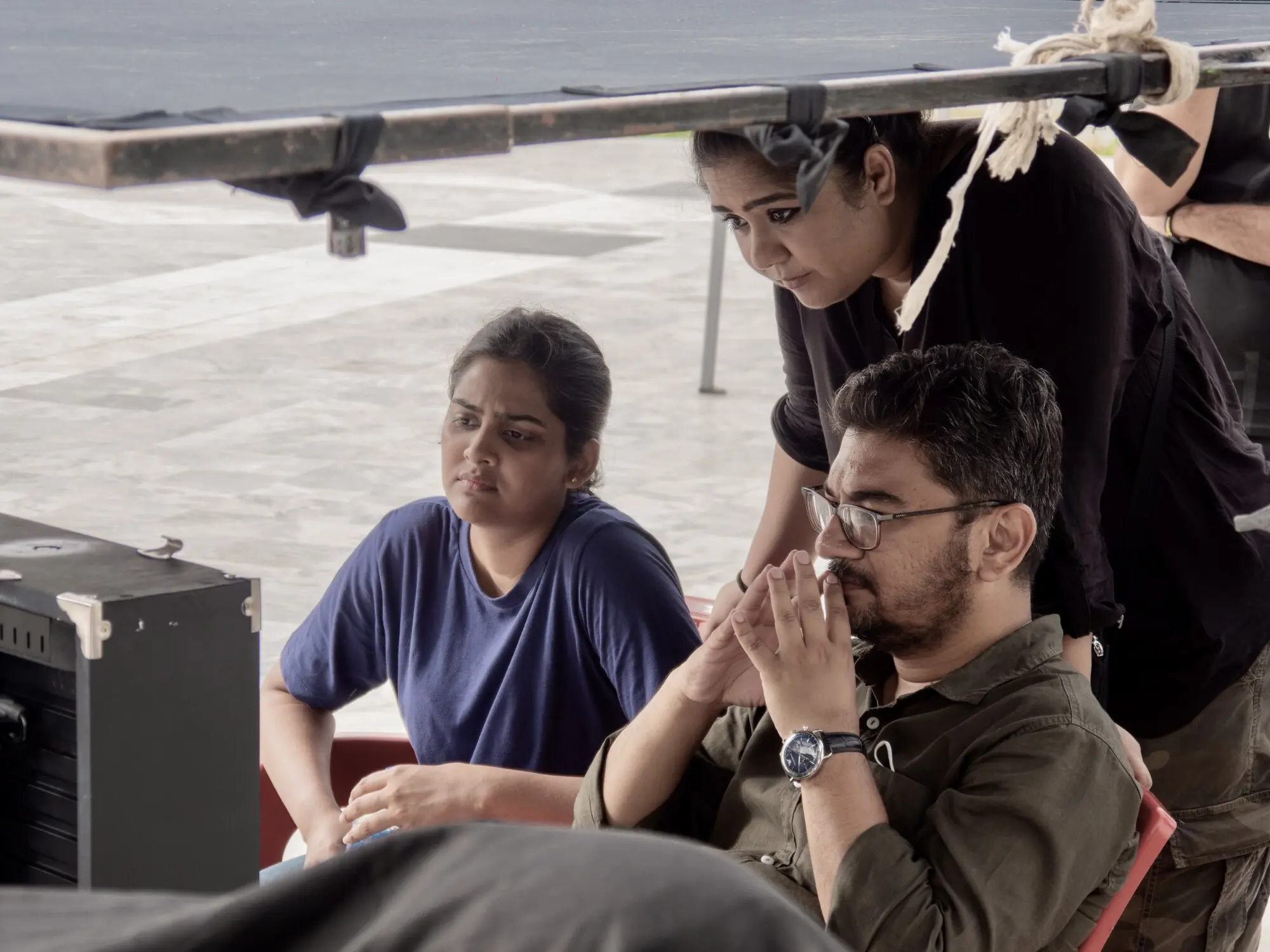
Despite spending years mastering storytelling within the tight constraints of advertising, Ali sees no real divide between commercials and cinema. Everything, he believes, follows the same basic structure: a beginning, a middle and an end. The only difference is length. Commercials taught him precision — how to communicate clearly and economically — a discipline that carries naturally into long-form filmmaking.
When the conversation turns to Pakistani cinema at large, Ali speaks candidly about why it often feels trapped in formula. At its core, he believes, the issue is confidence. Films may begin with creative intent, but as they move forward, they become crowded with stakeholders: financiers, distributors and marketers, each guided by what they believe has worked in the past.
Even films like Bol, he points out, carried visible commercial safety nets. While it was a strong blend of social commentary and mainstream storytelling, its viability was reinforced by recognisable elements such as Shoaib Mansoor’s brand, Atif Aslam’s presence and Mahira Khan’s star power. If you deconstruct the poster, Ali notes, you can see how star power is visually emphasised, even when the narrative weight lies elsewhere.
The fear of risk pushes filmmakers towards safe narratives. For Ali, true storytelling lies in balance. Films should intellectually engage while emotionally connecting with audiences. He points to filmmakers like Zoya Akhtar and Rajkumar Hirani as examples of that equilibrium. Not every story is meant to be commercially viable, he acknowledges, but the effort to evolve remains essential.
Research, representation and distance

The lack of confidence he spoke of becomes most visible when cinema avoids complex systems altogether. Romance and romcoms dominate because they require very little research. Stories involving institutions such as politics, governance or legal systems demand time, patience and courage. Writers need to understand these systems deeply before attempting to portray them.
On the question of narrative ownership, Ali believes Pakistani filmmakers have long attempted to tell their own stories that are rooted in lived realities. The real difference lies in scale. Foreign productions operate with massive budgets, technical polish and global reach, allowing their versions of reality to travel further and shape perception more powerfully.
What often gets labelled as exaggeration in Indian portrayals of Pakistan, he suggests, is sometimes simply distance. Cultural markers like shalwar kameez, adaab or janab stand out more to outsiders because they are unfamiliar. Much of what is perceived as distortion is, in fact, surface-level research shaped by online visuals rather than lived experience.
Looking ahead
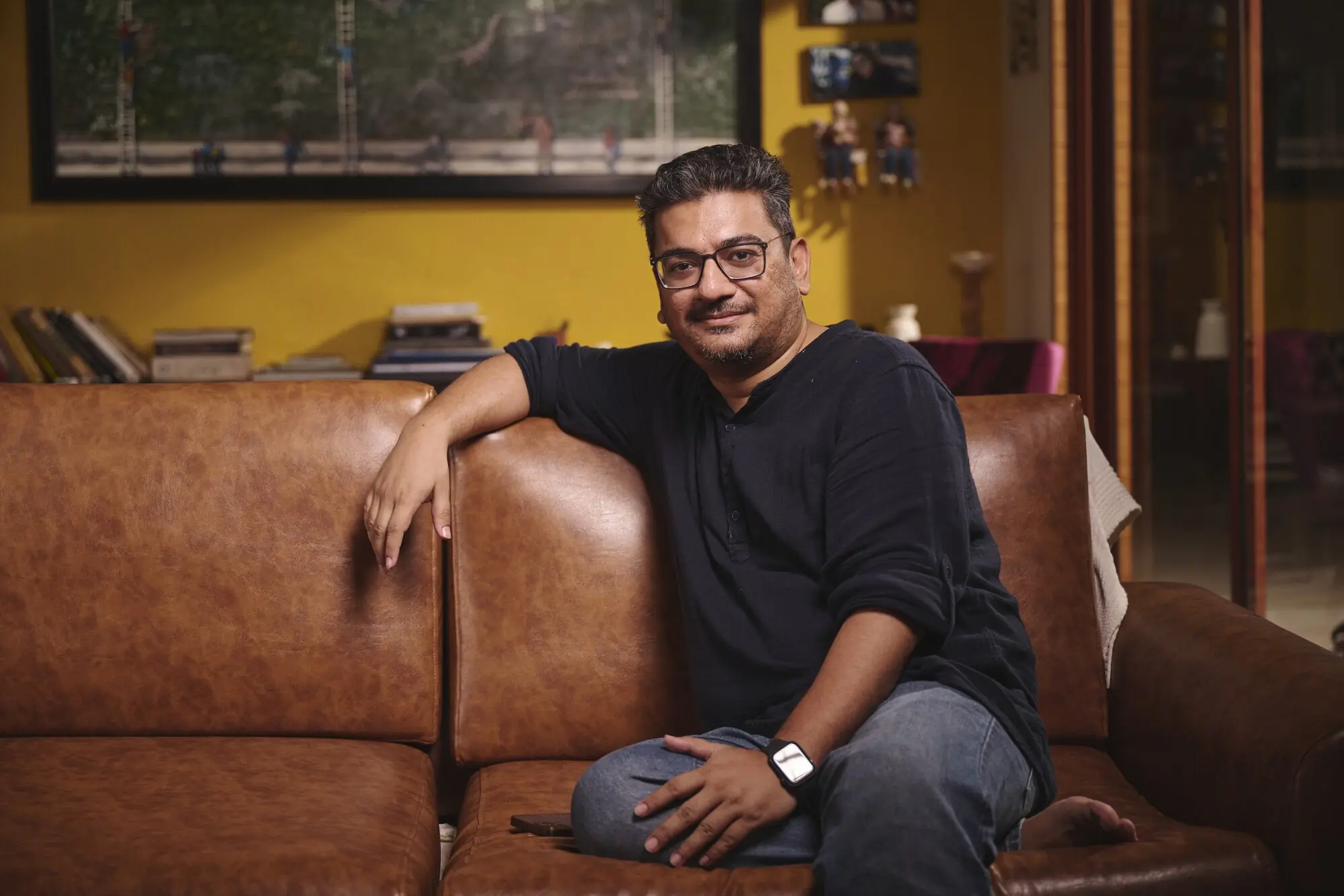
As for what comes next, Ali remains measured but quietly optimistic. All three of his upcoming projects, he says, are built around a balance of purpose and entertainment. They are audience-friendly stories that still have something meaningful to say. At present, they are in advanced development, with active pre-production underway and scripts being shaped carefully in close collaboration with their producer and writer.
Rumours about future casting, including whispers of Durefishan Saleem, prompt a smile. Conversations have taken place, he admits, but it is still early. Casting, for him, remains a thoughtful and deliberate process.
Walking out of the interview, I found myself thinking about how rarely conversations around Pakistani cinema return to fundamentals: story, research and emotional honesty. Ali’s reflections, much like Nayab itself, resist easy formulas, suggesting instead that cinema evolves slowly — through patience, depth and fearless storytelling.
Cover photo by Chandan Pirzada
Comments