
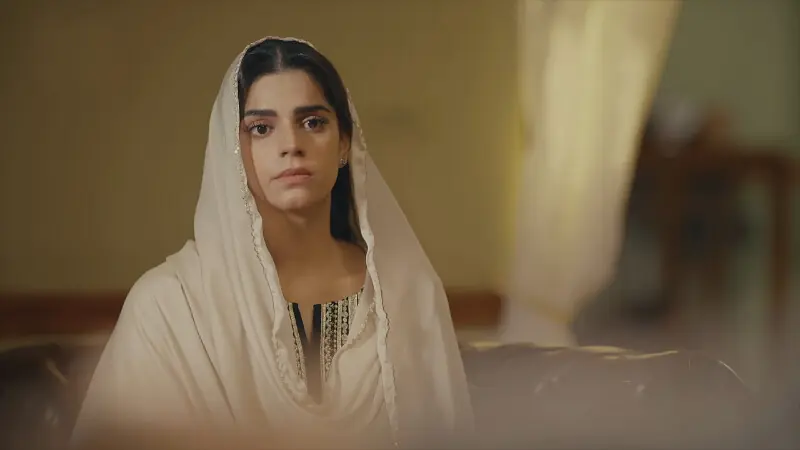
Sanam Saeed wants women to know that Zeba’s suffering in Kafeel isn’t noble or virtuous, it’s an ‘eye-opener’
When actors post long, emotional goodbyes to their characters, it’s usually a mix of nostalgia and marketing. But Sanam Saeed’s note to Zeba — her character in ARY’s drama Kafeel, whose first chapter concluded recently — reads like honest feedback.
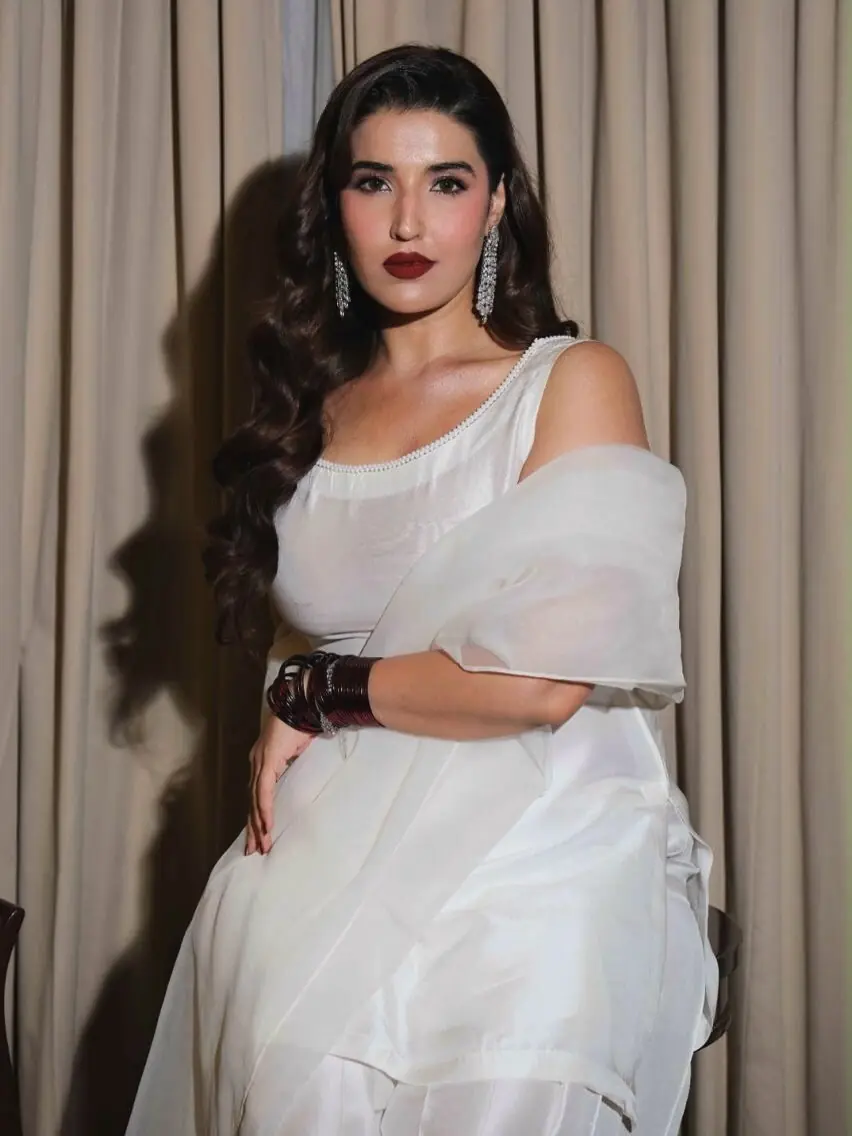
Sharing stills of herself as Zeba, Saeed addressed the character as “sweet, obedient… naive,” gently dismantling the idea that being a farmabardar beti should mean surrendering your future, peace, and sense of self. It’s the kind of language Pakistani women recognise instantly, the sort that has justified decades of emotional endurance dressed up as virtue.
Saeed bluntly adds, “Sacrificing yourself and living in misery helps no one, you only get one life, and self-preservation is not selfishness.” She urges women to trust their gut, not just their heart and mind, which can be “confused by loyalty to family, shame, ingrained traditions, guilt, fear and the like.”
What’s striking is that while the note talks about marriage, it doesn’t romanticise it or demonise it either. Shaadi, Saeed notes, isn’t the most important thing — safety, education, financial independence, and peace are. Marriage can be beautiful, but only when both partners honour the partnership, respect each other’s ambitions, and understand how their behaviour shapes their children. It’s less a fairytale pitch and more a checklist of emotional basics that too many dramas conveniently skip.
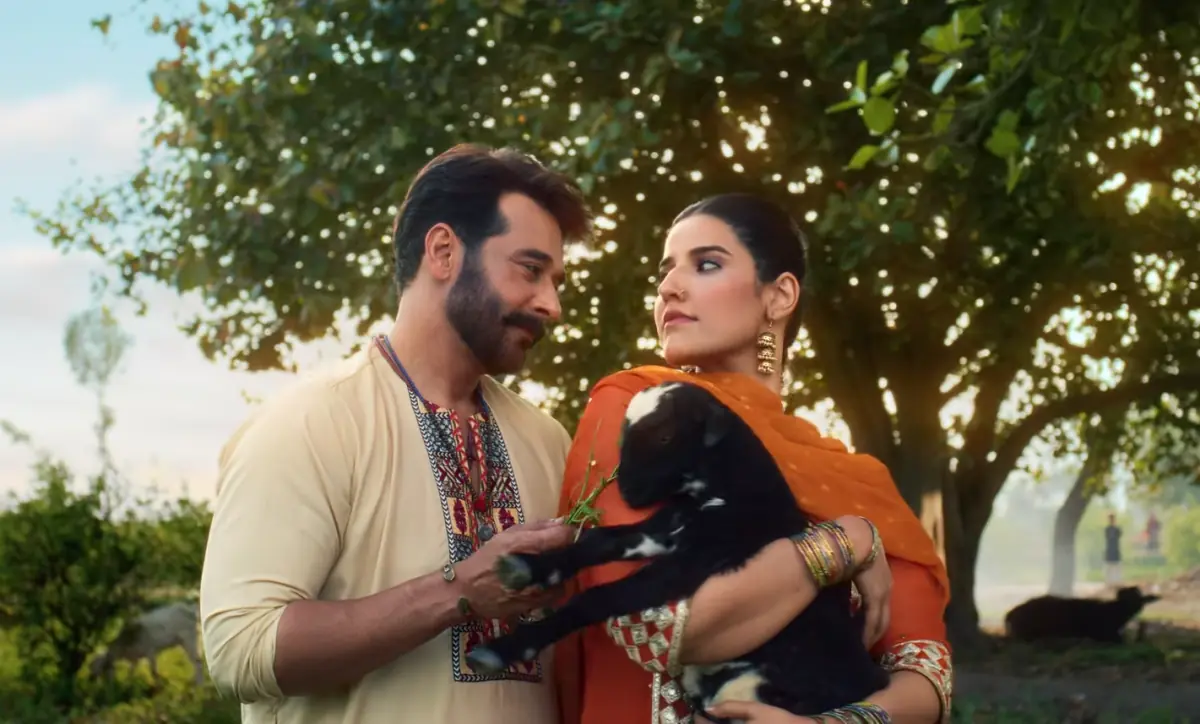
That this message is attached to Kafeel isn’t accidental. Written by Umera Ahmed and directed by Meesam Naqvi, the drama centres on Zeba, once cherished and intellectually curious, now juggling four children, a teaching job, bills, and a marriage that drains more than it gives.
Her husband, Jamshed, played by Emmad Irfani, is financially unstable, deeply insecure, and prone to verbal abuse, constantly trying to live up to his father’s expectations while taking his frustrations out on the woman holding the house together. It’s not a new setup for Pakistani television, but it hits differently when the emotional labour is shown as relentless rather than noble.
Saeed’s note also acknowledges the audience response, saying she and the team have been overwhelmed by messages from women who saw their own lives — or those of loved ones — reflected in Zeba’s story. It’s a reminder that while viewers are often accused of loving regressive narratives, many are actually watching because these stories mirror uncomfortable realities they rarely see discussed openly, let alone challenged.
And perhaps that’s why the Saeed-Ahmed pairing still carries weight. Their collaborations have often centred women who are reflective, morally conflicted, and quietly resistant, even when trapped by circumstance. Zeba fits that lineage — not a loud rebel, but a woman slowly realising that endurance is not the same as dignity.
In her closing lines, Saeed hopes Kafeel’s first chapter serves as “an eye-opener, a ray of hope and a warning to young women and their parents.” It’s telling that parents are included in that appeal, because the machinery that keeps women like Zeba stuck rarely runs on husbands alone.
If nothing else, the note reframes Zeba’s suffering not as something noble to admire, but as something that should never have been necessary in the first place.



Comments