
Sole Pakistani feature at Red Sea International Film Festival highlights issues in girls’ education
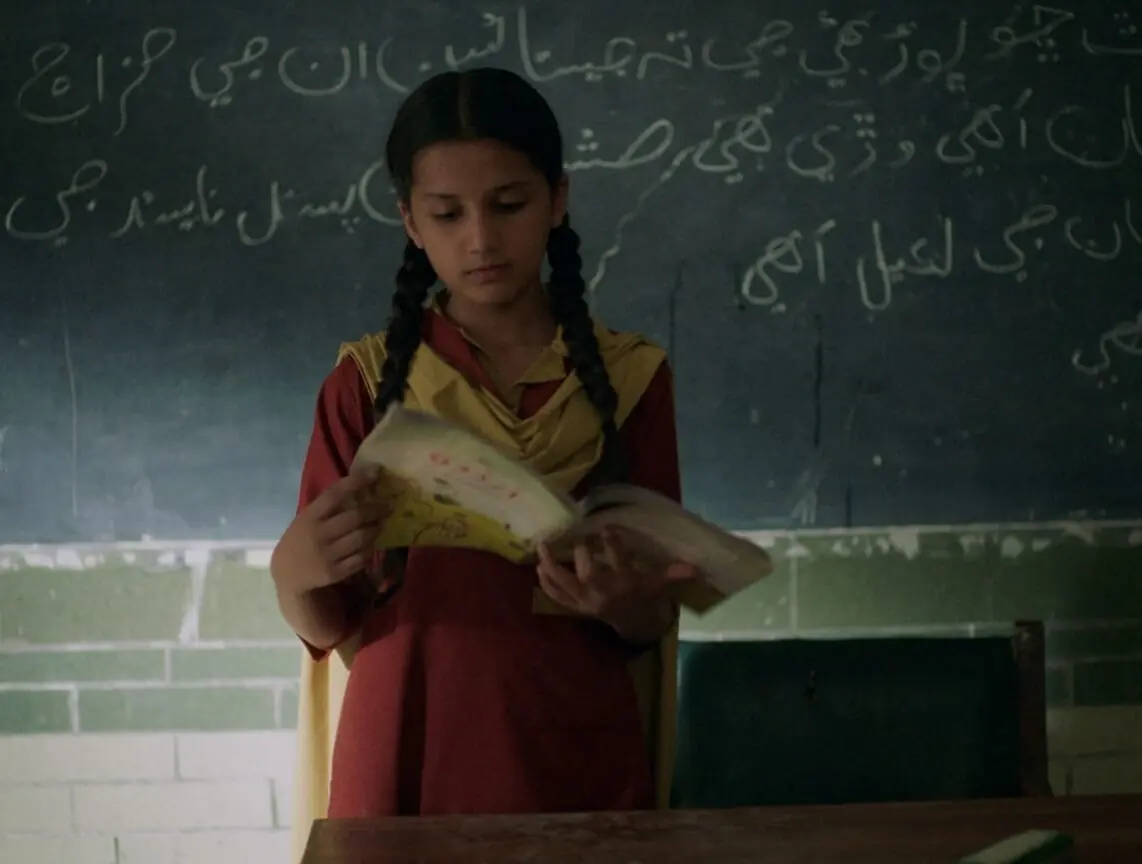
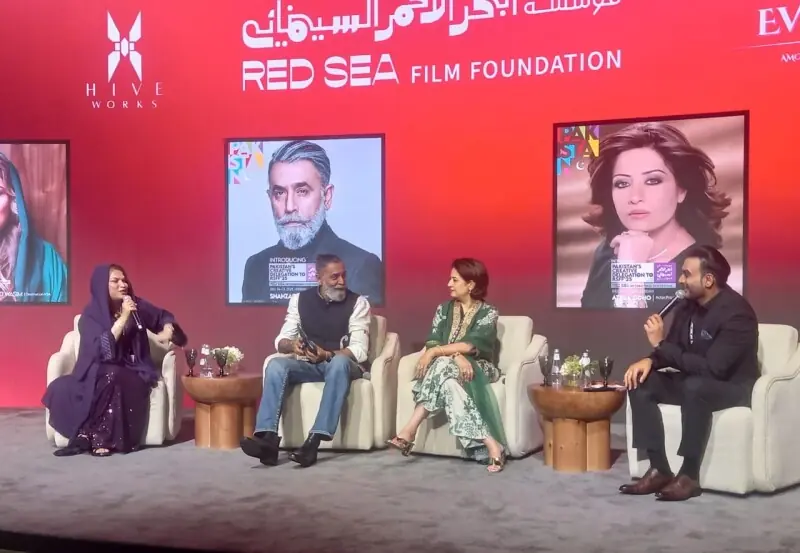
Ghost School, the only Pakistani feature film to be screened at the Red Sea International Film Festival, shed light on the issue of ghost schools and state of girls’ education in Pakistan.
Ghost School is Seemab Gul’s film debut — she has many feathers in her cap as the director, scriptwriter as well as the producer of the feature. Gul started her career as a short-film and documentary filmmaker and later moved on to make a feature. The film, set in a fishing village on the outskirts of Karachi, started as a documentary but later it expanded to a feature film.
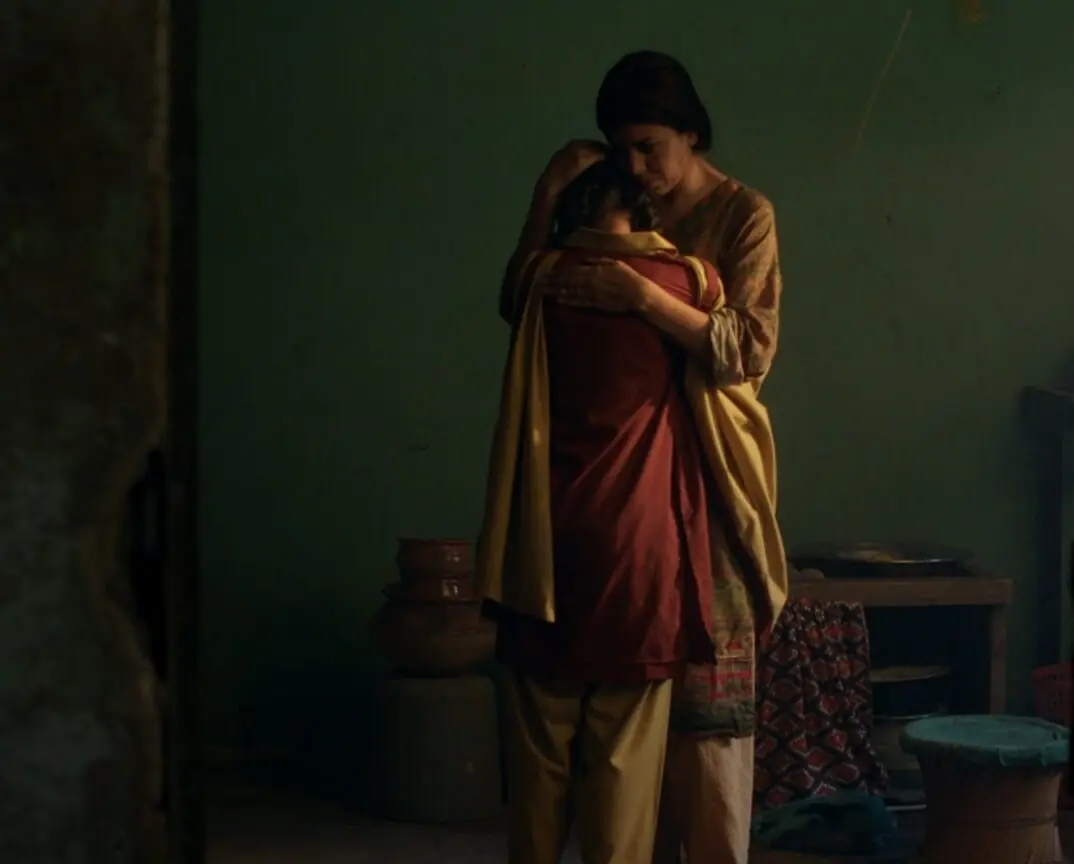
The movie takes on the serious subject of girls’ education and ghost schools in rural areas of Pakistan and is told from the perspective of a young girl named Rabia, immaculately played by Nazualiya Arsalan. Rabia is baffled by the closure of her school because she’s told that the school is haunted and a djinn has taken up residence — an excuse given by the teacher to allow her leave the village. The girl is too young to understand supernatural phenomenon and asks many questions about it.
She embarks on resolving this problem on her own and tries to get answers about the myth being exploited by a corrupt system, led by the village elder.
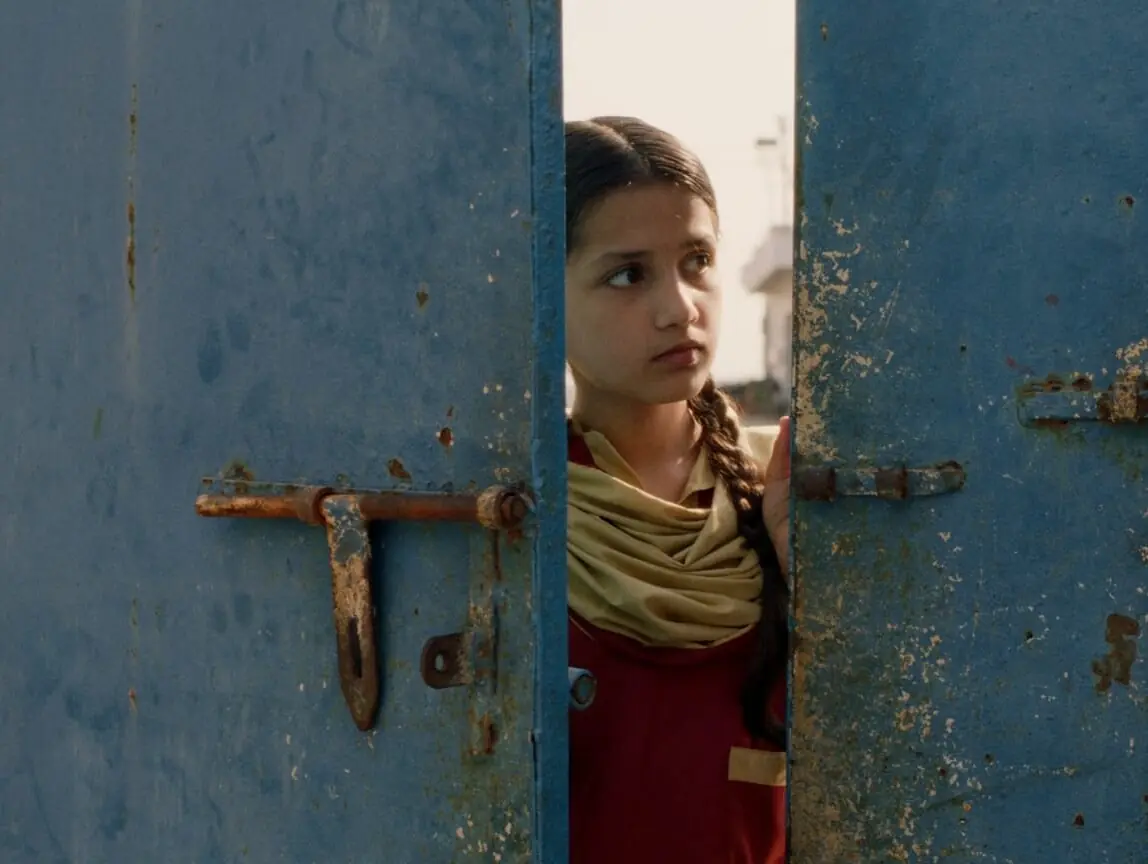
Nazualiya stands out in the film with her perfect acting skills. The director has also used non-actors, as do many Iranian filmmakers, and the djinn story adds an element of suspension of disbelief without creating any horror effect.
Ghost School is Gul’s first feature film but she started this journey with Haven of Hope, another feature that was postponed due to different producers “disappearing and not doing their jobs properly”. After this, Gul decided to become the producer, writer and director of both films herself.
Ghost School is likely to hit Pakistani cinemas this summer.
Seemab Gul — the director’s lens
After facing multiple challenges, including slow pace of work Gul said was caused by the producers of Haven of Hope, Gul decided to retaliate and hit back with a new film project.
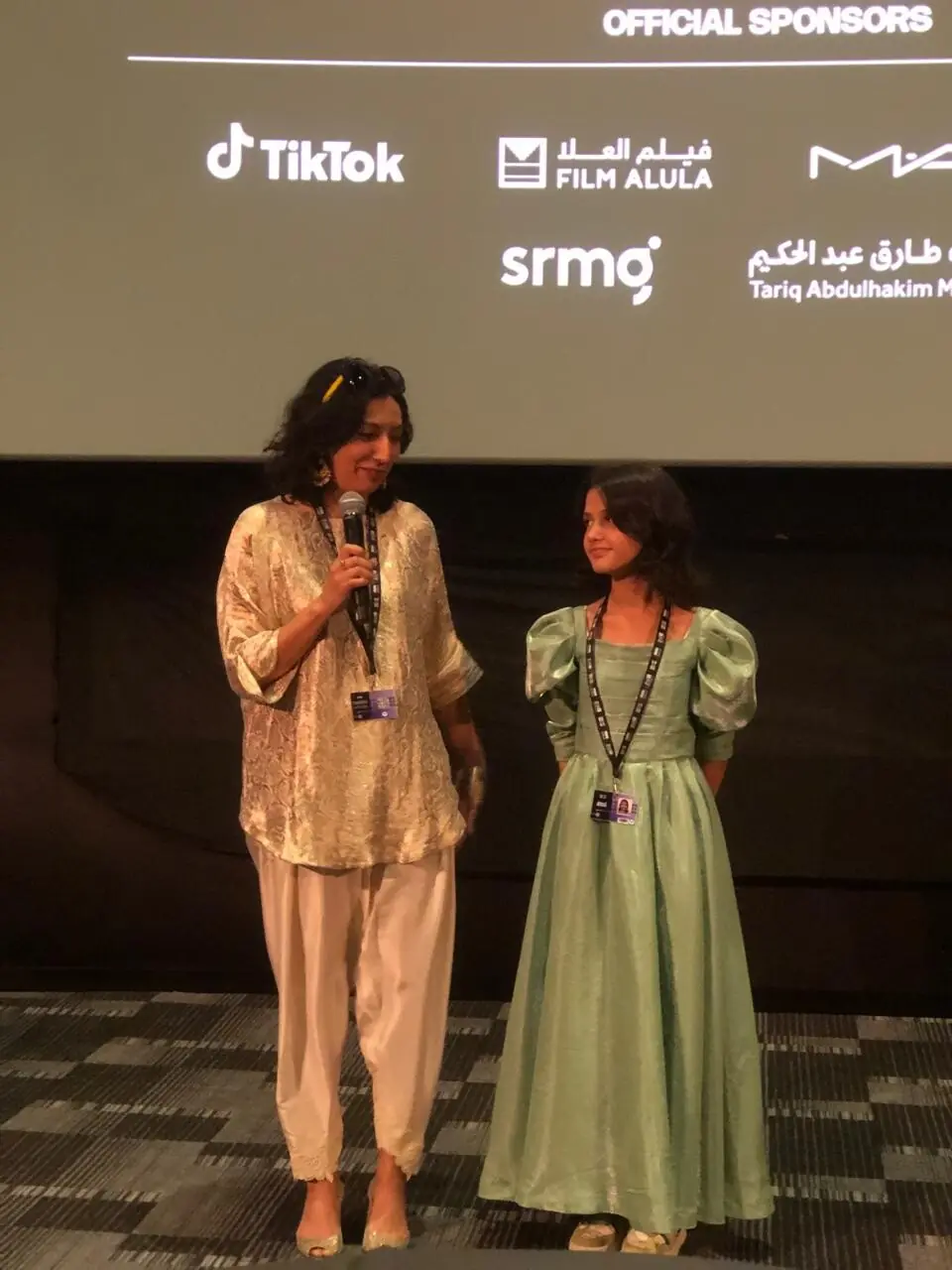
“I decided to borrow the money from friends and family and shoot the film. I wrote it (Ghost School) in 10 weeks and shot it in two weeks. I started in August and finished it in May. I wanted to prove to people that I can make a film on my own.”
She said she shot Ghost School in Chashma Goth and another village on the outskirts of Karachi.
The film had its world premiere at the Toronto International Film Festival earlier this year. According to her, the film tested all the skills she had learnt at the London Film School. “I am still in debt, I borrowed from my post-production crew, I owe money to my editor.”
Gul has been living in London but her family home is in Karachi. She studied at the London Film School where she did her master’s in filmmaking and gained exposure to independent cinema from around the world, especially Iranian films.
“I found Iranian culture more similar to Pakistani culture compared to India, despite having similar language and food. Iranian art is embedded in tragedy where Indian art is embedded in singing, dance and celebration. I think our art, history and poetry are closer to indulging in tragedy and our dramas also indulge in tragedy. I found this amazing parallel and I dreamed of making Iranian-style films about the tragedy and struggle of life and women in Pakistan.”
The filmmaker is inspired by directors from Iran, such as Abbas Kiarostami, Jafar Panahi and Samira Makhmalbaf, and wants to create films that are sociopolitical but are for cinema screens.
When asked why she returned to Pakistani subjects despite having international exposure and a life in the West, Gul called it a tragedy that second and third generations of Pakistani immigrants abroad don’t have an inkling about their own heritage, culture and family. All they know is about food and language.
She said she has a strong foundation as she grew up in Karachi and went to school in Karachi and Islamabad, while her family comes from Jhelum and speaks Potohari.
“In London, there is another problem. I am treated as just an immigrant, a foreigner, a token used for ticking a box. I did not want to be sidelined.”
While she faced multiple challenges in the past, Ghost School brought Gul recognition as a filmmaker. Haven of Hope has been financed by 11 different sources, including the Red Sea Film Foundation. It’s also a co-production of five countries.
Gul has faith in her Pakistani crew, saying that all the crew members for Ghost School came from Pakistan, save for one Afghan who is living in London.







Comments