
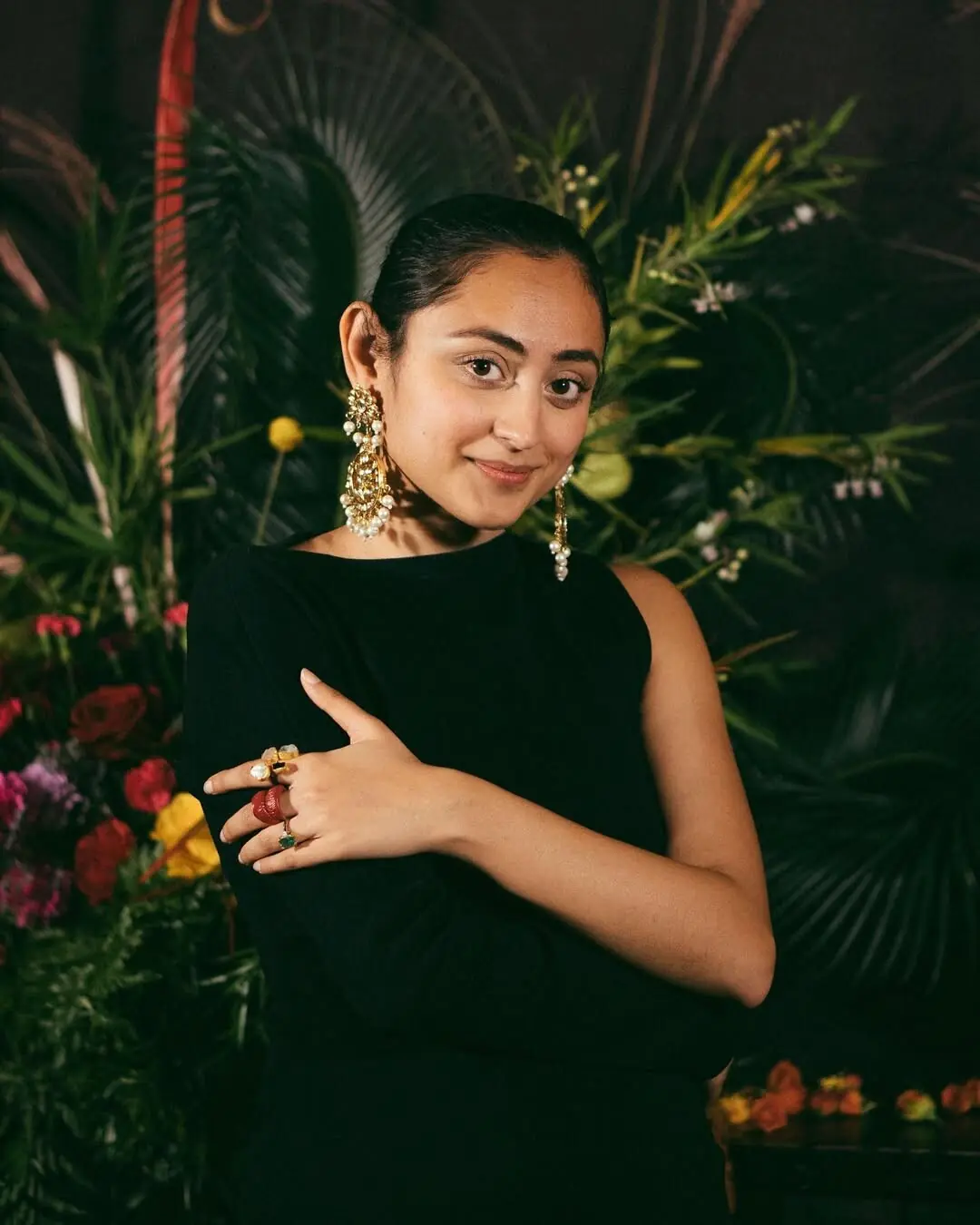
Artist Misha Japanwala preserves what we are told to be ashamed of


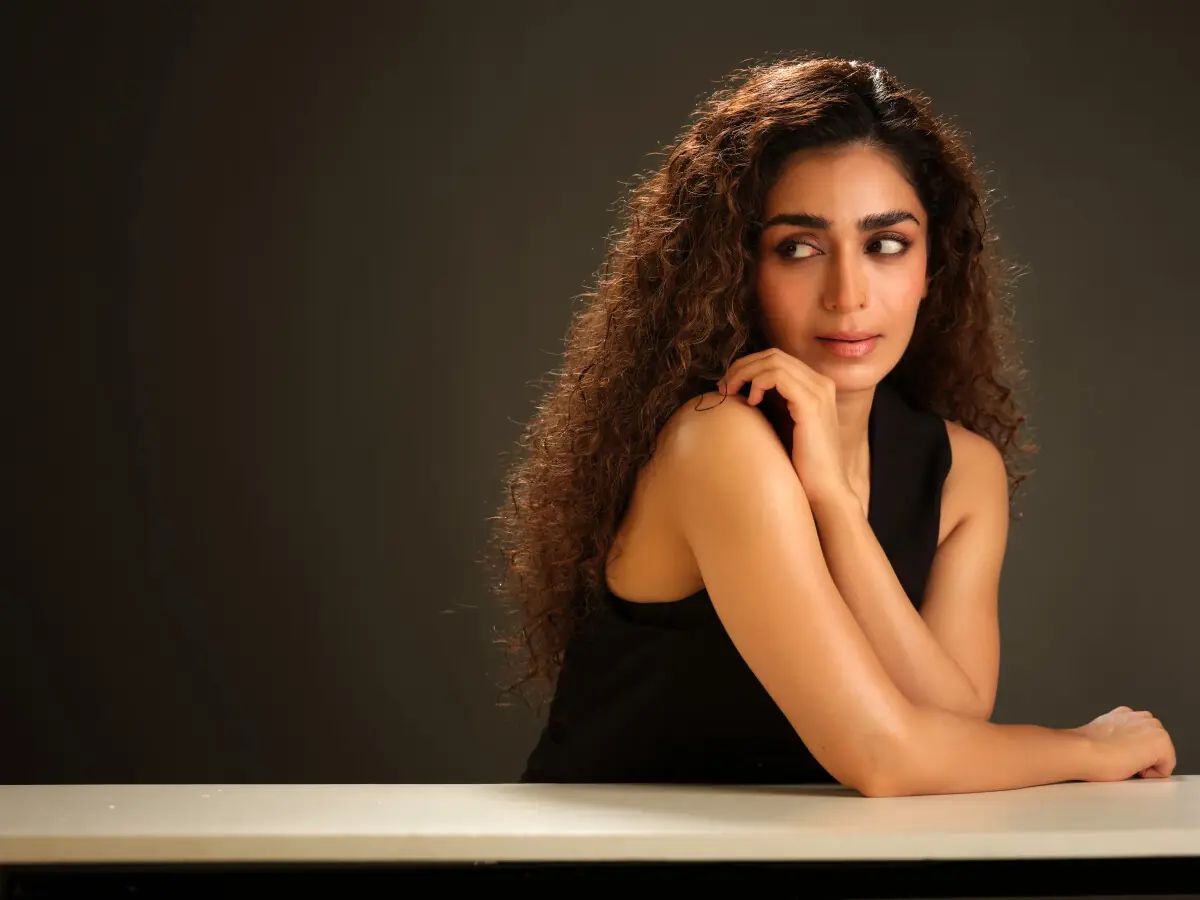
Pakistani artist and designer Misha Japanwala described herself not as a sculptor, but as a documentor — creating an archive of both life and loss — in a recent interview with CBS News.
“My practice is documenting people and their bodies,” she said, as she walked CBS News’ Elaine Quijano through her exhibited works at the Hannah Traore Gallery in New York City.
Born and raised in Karachi, Japanwala made it to the Forbes 30 Under 30 Asia list in 2021. Her signature breastplates and human-form sculptures draw from Pakistan’s social issues, serving as social commentary as much as they reflect her own evolving aesthetic.
Her moulds have been worn by a number of artists, including Oscar-winning actor Lupita Nyong’o, and rapper Cardi B, both in her music video for ‘Rumours’ and photographs that announced her pregnancy in June. She was also featured in a special issue of V Magazine guest-edited by model Gigi Hadid.
She moved to the United States to pursue fashion, but found herself captivated “not with clothes, but the bodies that wear them”. Today, she works from her home studio in New Jersey, inviting subjects to have their bodies moulded.
Reflecting on her journey, she told the channel with a sparkle in her eyes, “Instead of feeling like I had to conform my body to fit a certain garment, I was creating a garment out of my body itself.”
For her exhibit at the Hannah Traore Gallery, titled Sarsabzi (flourishing), Japanwala showcased an array of moulds of different parts of women’s bodies in vibrant colours — celebrating the crevices, scars and small details women are often taught to hide.
She called it a celebration of existence.
“People aren’t used to that. When they walk into a museum or a gallery, they don’t see themselves on the wall. You feel so completely seen in the parts of yourself you’ve held shame in: stretch marks, scars, cellulite. To walk into a space and see that that is the artwork itself is a magical thing.”
The documentation begins with mixing body-safe silicone, which Japanwala paints onto her subject. It is then coated in plaster and peeled away — revealing reality, as Quijano explained.
Opening up about her motivation, Japanwala said she is driven to preserve the parts of ourselves “we are specifically conditioned to carry a lot of shame within.”
Three years ago, she put out an open call in Karachi for anyone who wanted to be moulded — specifically their breasts. Zahra Khan, a young Pakistani breast cancer patient and advocate, responded the night before her double mastectomy. While creating a community to raise awareness about breast cancer through her Instagram account Hey Breastie, Khan also ran a popular home-based cheesecake business in Karachi called No Nonsense Cheesecake. At 30, she discovered she had developed second-stage breast cancer during a routine self-check in early 2022. She died earlier this year at the age of 33.
With tears in her eyes, Japanwala recalled the experience: “To be able to document a part of the body that this woman was going to lose the next day — and to have this moment of celebration and joy in her journey — took me aback. That this practice has the power to make people feel that way.”
To honour Khan, she is planning another open call for mouldings, with proceeds going towards building a cancer hospital in Karachi.
Wishing she lived in a world where her work wouldn’t be seen as “radical,” Japanwala described her practice as a love letter to Karachi and to the people who gave her the courage to be as shameless as possible — to move beyond shame.
“It allows you to understand and check in with your body,” she said, stressing the importance of young women embracing shamelessness. Her work, she added, “allows them to release some shame and think about their bodies in a different way.”
Cover photo via Misha Japanwala/Instagram


Comments