Images

SHC issues notices on plea against ‘period tax’

SHC issues notices on plea against ‘period tax’

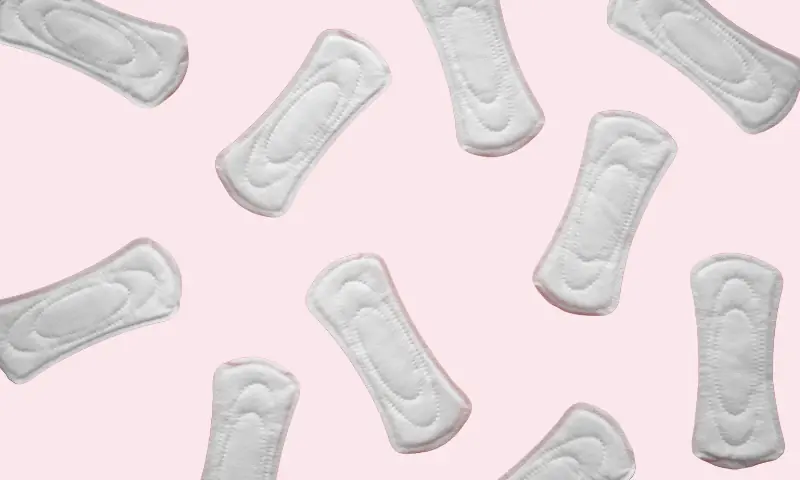
Karachi resident Alisha Shabbir's lawyer stated that such a heavy tax burden has made the hygiene products unaffordable for millions.
01 Nov, 2025

The Sindh High Court (SHC) on Friday issued notices to the Federal Board of Revenue (FBR) and other respondents on a petition challenging the sales tax on women’s sanitary napkins.

A two-judge bench headed by Justice Adnan Iqbal Chaudhry also put the attorney general on notice for a date to be fixed after two weeks.

Alisha Shabbir, a resident of Karachi, moved the SHC against what it commonly called the ‘period tax’, citing the FBR, Ministry of Law & Justice, Excise & Taxation Department of Sindh, provincial health secretary and others as respondents.

Her counsel submitted that around 40 per cent of the retail price of a sanitary napkin in the country came from government taxes and duties on raw materials instead of the actual cost of production.

The lawyer stated that such a heavy tax burden has made the hygiene products unaffordable for millions of women and girls, despite their being a hygiene necessity.

He argued that sanitary napkins must be classified as essential items just like other necessities of life and, accordingly, included in the Sixth Schedule of the Sales Tax Act, 1990, to exempt them from sales tax and that their raw materials may also be placed under the Eighth Schedule so that the benefit could actually reach consumers.

The counsel maintained that the impugned classification and taxation of sanitary napkins as non-essential items, thereby subjecting them to a higher rate of sales tax and also constituted an egregious violation of the fundamental rights guaranteed under Articles 9 and 14 of the Constitution.

After a preliminary, the bench in its order said, “Issue notice to the respondents and the Attorney General for Pakistan under Order XXVII-A CPC for a date to be fixed by the office after two [02] weeks.”

Originally published in Dawn, November 1st, 2025
Comments

Syed Hasni Nov 01, 2025 12:15pm
The "period tax" (commonly called the tampon tax) refers to sales and similar taxes applied to menstrual products; there is no federal rule, so treatment varies widely by state and locality in United States, with many jurisdictions now exempting these items while others still tax them and definitions of qualifying products differ. Supporters of repeal argue exemptions promote equity—menstrual products are essential, gendered, and often regressive to tax—improve public health and school/work attendance for people who can't afford supplies, and typically have a modest revenue impact; opponents counter that exemptions reduce sales-tax revenue that funds public services, are a blunt and potentially costly way to help those in need (compared with targeted programs like free distribution in schools and shelters), and raise administrative and definitional challenges about which products to include. Policy choices include a straightforward sales-tax exemption (ideally covering disposables and reusables), targeted distribution or vouchers for low-income people, or point-of-sale refunds.
Recommend
El Cid Nov 01, 2025 01:00pm
Why not when food and medicine is being taxed?
Recommend
SK Nov 01, 2025 11:58pm
Why Tax these essential..! ? When food and Multivitamins are already being charged
Recommend
Laila Nov 02, 2025 03:24pm
What the government taxes are on smoking,/ tobacco/cigarettes/hookah, acid (available over the counter), and sugar(candy, Dizzy drinks etc)? Many Pakistanis know somebody who settled abroad. Ask them being back reusable period underwear and such alternatives. Also look into buying stocks when on vacation outside Pakistan. Pads are lightweight and can be vacuum packed to save space in luggage. Buy foreign not local. A country that hates females, yet is obsessed with weddings and making babies but tax hygiene products 40%. If contradiction was a country....
Recommend