

‘Made by hand and made with heart’: How Made in Alipur is giving rural women a platform for their craft
If the past couple of years have taught us anything, it’s that buying from local artisans is far more rewarding than buying mass-produced products made on an assembly line. As the world moves towards soulless uniformity in the name of efficiency, it is local craftspeople whose products still carry a human touch.
We spoke to Amina Kanju, the founder of Made in Alipur. Her project brings together local artisans, mostly women, to make shoes, clothes, jewellery and other handmade items that truly reflect the culture and traditions of her native village in Punjab’s Lodhran district.
Naturally, the first thing we wanted to know was how exactly Made in Alipur was different from other brands. Kanju was quick to point out she doesn’t even consider it a brand — she sees it as “a movement rooted in identity, dignity, and craftsmanship”.
Pointing to the authenticity of the work her artisans produce, she said, “Our designs don’t come from mood boards or runways; they come from lived experiences,” and this leads to a focus on people over trends.

Speaking about the company’s guiding spirit, the founder said its ethos was simple: “To bring dignity back to the hands that create.” At its core, she said, “Made in Alipur stands for ethical craftsmanship, community-led progress and the belief that handmade work deserves a global stage.”
Our next question was the one everyone probably has when they see Made in Alipur’s products — is everything really made in Alipur? Kanju told us everything they made, “from the embroidery to the finishing touches,” was “genuinely made in Alipur.” She said her artisans often “work from their own village workshops, allowing them to earn, create, and grow without leaving their homes or families behind”. The name, she said, honours “the place and people behind every piece”.

The initiative started in 2022 with just 11 artisans and has since grown into a team of 486 craftspeople guided by 12 experts who act as supervisors. Each artisan, the founder said, brought “her own story and technique,” alongside their shared “sense of pride in their craft, in their community and in seeing their work travel far beyond the village”.
Those techniques include inherited skills such as embroidery, stitching and weaving passed down through generations of women. Made in Alipur helps its artisans make more out of these long-standing traditions by training artisans in design and introducing them to new materials and ideas.
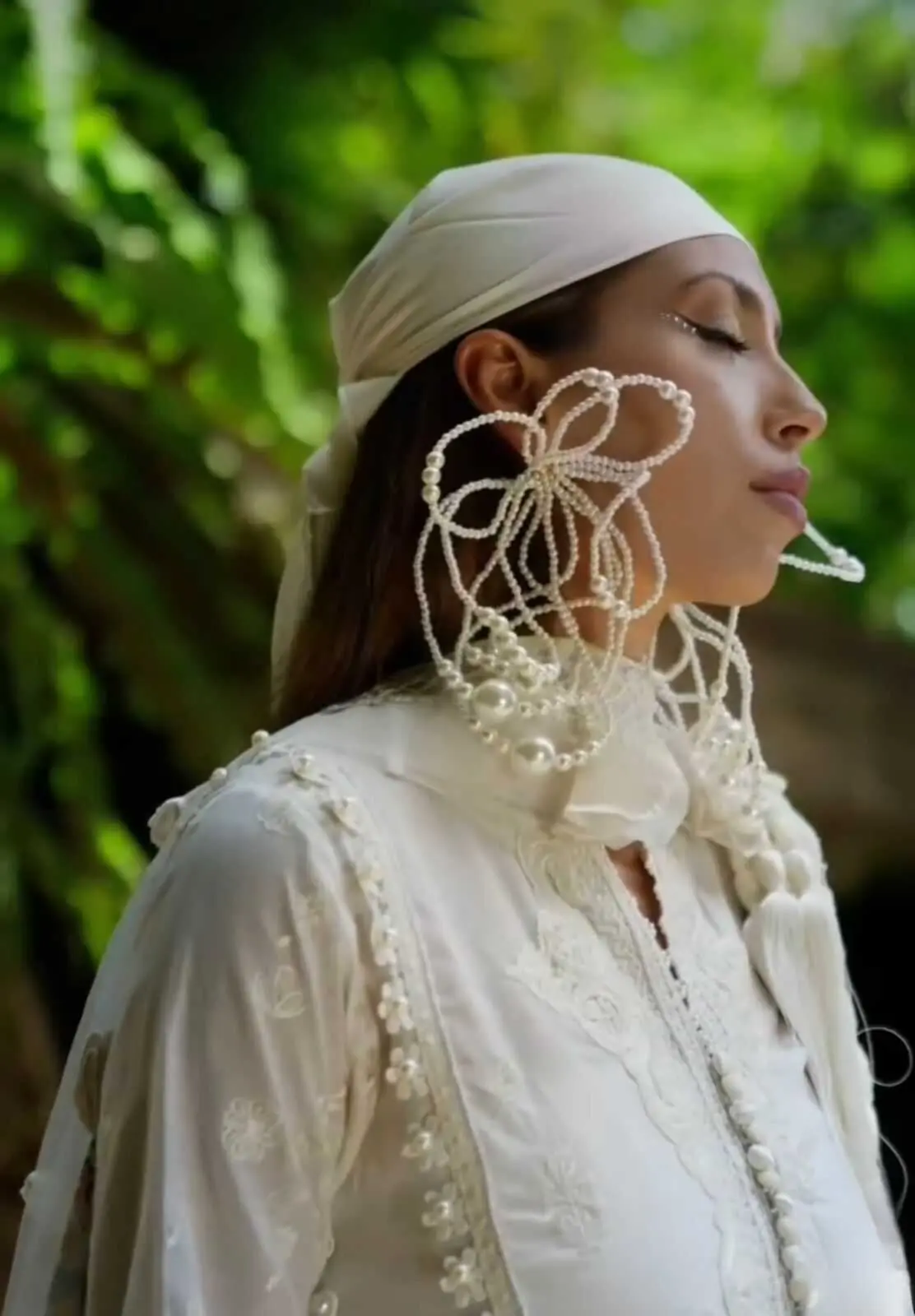
Made in Alipur says it provides economic opportunities to women in rural communities, different from how other garment factories operate — Kanju said her team sees its artisans as “co-creators” and not simply labourers.
The idea behind it all, she said, was to allow women in her village to bring their unique skills to market. “They have ownership of their craft, flexible working hours, and the freedom to express their individuality through design.”
She said people responded extremely well to her products, with orders coming in from around the world, each reaffirming her belief that “people still value what’s made by hand and made with heart”. Even more meaningful, though, has been the response from the local community. Local women, once practising their crafts in obscurity, hold their heads up high when they see their work find admirers globally.

When asked about the impact of shopping locally, Kanju said it helped sustain traditions that might otherwise die out over time. “Local doesn’t mean small”, she told Images, “it means authentic, transparent, and rooted in tradition”.
She also said her collaborations with big brands like LAMA and Beechtree didn’t compromise on the integrity of Made in Alipur’s promise of unique, authentic pieces, as the brands respected her methods and allowed her team to make products by hand in limited quantities.
The collaborations, she said, do away with traditional “mass-production” in favour of “mass-connection”. She said they served as validation of her mission and brought her team’s work to people who’ve probably never heard of her little village.

In the future, Kanju hopes to see Made in Alipur expand globally, increasing its footprint without losing its traditional roots. Ultimately, she hopes to see her project become a model for the empowerment of rural women everywhere, creating a sustainable fashion ecosystem that benefits small communities without harming their centuries-old cultures.
Women, like the those who make up Made in Alipur, are the backbone of Pakistan’s rural communities. With village men often away looking to earn in cities, their mothers, wives and daughters are the ones running households, working in fields and caring for children and the elderly.
These same women, who form part of a female population roughly half of the nation’s whole, are often custodians of skills and crafts passed down over generations. Pakistan’s progress and prosperity depend on enabling them to build, hone and practise their skills. After all, helping its skilled craftspeople bring their work to the world is one of the smartest investments a country can make.
Comments