

From ‘Chinese’ Manchurian to Khow Suey — The ‘foreign’ dishes Pakistanis made better
So Ali Gul Pir recently posted a video about the “Chinese” Manchurian his mother makes every other week — rice, veggies, ketchup gravy — the exact mother-coded “Chinese” every Pakistani home swears by.
He joked that actual Chinese folks wouldn’t clock it as Chinese at all, and they’d probably assume it’s some Pakistani curry. We felt… seen. Because our culinary passport is full of stamps, we half-understand, wholly adore, and have thoroughly localised.
Here’s a proud little field guide to dishes we’ve adopted and adapted so hard, the originals can’t compete.
‘Chinese’ Manchurian — our national ketchup curry

Origin story: Despite the name, Manchurian isn’t from Manchuria. The best-known origin tale credits Indian-Chinese chef Nelson Wang in 1975 Mumbai, who swapped garam masala for soy sauce, thickened with cornflour, and boom, Chicken Manchurian was born. Over time, it became an Indo-Chinese staple across South Asia.
How Pakistan made it ours: We turbocharged the gravy, redder, sweeter, spicier, often unmistakably ketchup-forward, and we serve it with egg/chicken fried rice. It’s the beating heart of Pakistani-Chinese. (Yes, that’s a recognised thing).
Khow Suey — Burma via Karachi, now a Sunday ritual
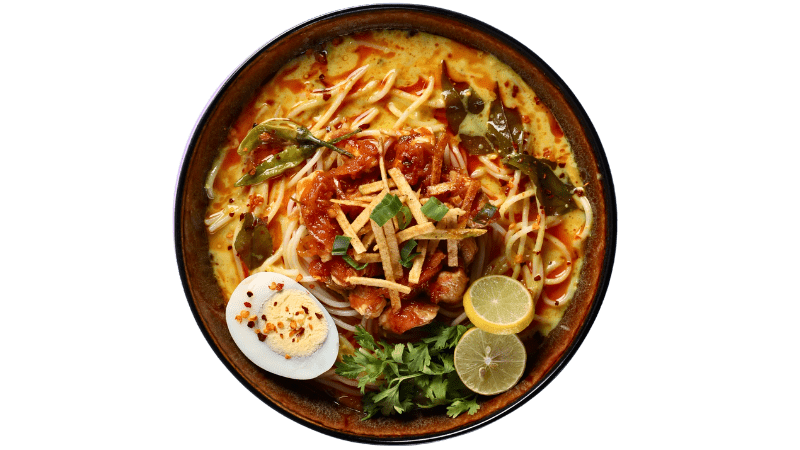
Origin story: Based on Burmese ohn no khao swè, coconut-curried noodles came to Karachi with families who had lived in Burma/Myanmar and migrated mid-20th century. Desi khow suey is a cousin, not a clone.
How Pakistan made it ours: A condiment carnival, complete with some spicy chicken (or beef), crushed papri, hara masala, fried garlic, lemon, chilli oil, piled so high your bowl becomes a buffet. If you’re not garnishing for five minutes, you’re doing it wrong.
Shawarma — Levant roots, Lahore personality

Origin story: Shawarma descends from Ottoman/Levantine spit-roasted meat traditions (think döner lineage and Levantine street food). It began as a variation of the traditional Turkish döner kebab, where marinated meat was stacked in a cone-like shape on a vertical rotisserie and slowly roasted.
How Pakistan made it ours: Humus or garlic mayo by the ladle, extra spice, and frequent roll-paratha crossovers; the “shawarma roll” sometimes looks the Levant in the eye and says, “I’m basically a paratha roll with dreams.”
Chicken Tikka Pizza — where mozzarella meets masala
Origin story: Pizza is Italian; tikka is desi BBQ royalty. Pakistan’s pizza chains hard-launched the marriage in the 90s/2000s. Chicken Tikka Pizza is now the default, not a novelty. Some local marketing even claims Pakistan pioneered it. (At minimum, it’s unquestionably a Pakistani menu mainstay today.)
How Pakistan made it ours: Tandoori-spiced chicken, onions, green chillies; sometimes a cheeky swirl of garlic mayo. Also: kebab-ish pizzas have roamed our menus — yes, even Bihari kabab–style riffs.

Kebab / Bihari Kabab Pizzas — purists, avert your eyes
Origin story: The “kebab pizza” idea blew up in Sweden, but localisation happens everywhere.
How Pakistan made it ours: In Pakistan, brands have experimented with seekh/bihari kebab rolled into the crust of the pizza because… we can. Smoky, mustard-oil-marinated Bihari beef on a pizza base. Is Örebro okay? No. Are we? Extremely.
Anday-wala Burger (Bun Kebab) — the immigrant-adjacent icon

Origin story: The bun kebab is proudly Pakistani, thought to have grown up on Karachi streets; think lentil-potato or shami patty, chutneys, onions, optional fried egg (the “anday” flex). It’s our street-food soulmate, often contrasted with the Western burger.
We perfected the trifecta, complete with soft bun, tangy chutney-raita, and yolk that doesn’t understand boundaries.
Chowmein — Cantonese roots, desi swagger
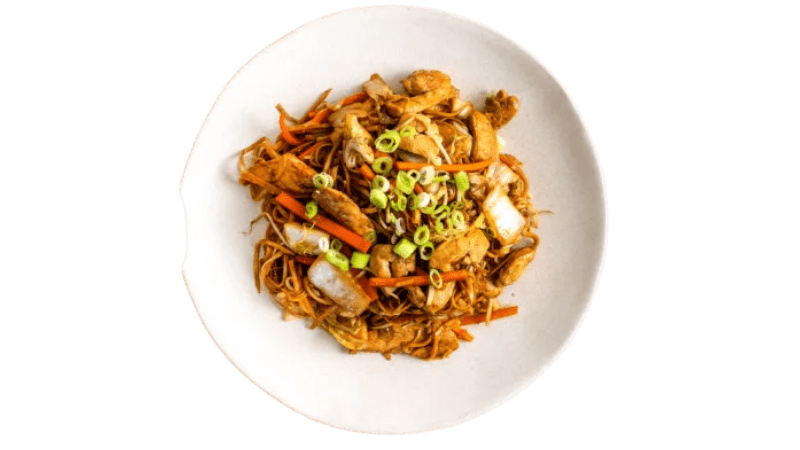
Origin story: Chow mein (literally “stir-fried noodles”) is rooted in Cantonese cookery, and then travelled the world through diasporas.
How Pakistan made it ours: We love a glossy noodle tossed with soy, chilli, vinegar, and yes, a quiet spoon of ketchup if the aunties are cooking. Pakistani-Chinese menus list it right next to Manchurian, like a filmi jodi.
Honourable mentions (please don’t @ us)

Shashlik, which is said to have originated from nomadic groups inhabiting the Caucasus and Central Asian regions, entering Russia around the 18th century. The name Shashlik itself comes from the Turkic word Shish, meaning skewer.
Our version of Shashlik comes with gravy, and it’s much like a skewer kid who ran away from home and returned as a sizzling curry.
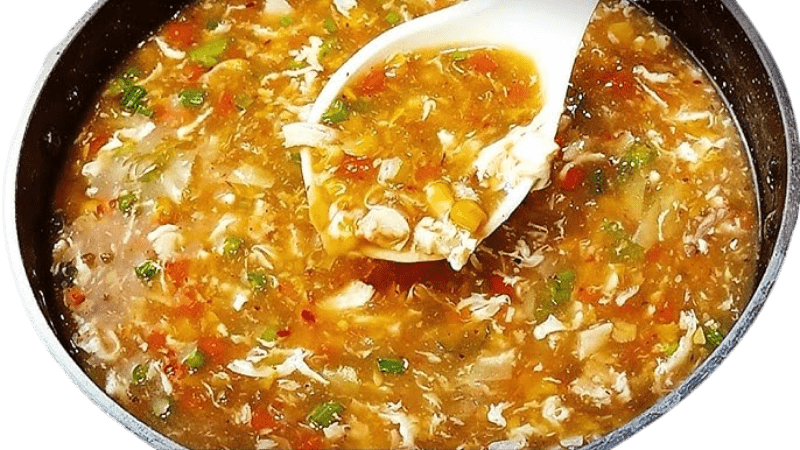
Not to forget, the Chinese Hot-and-sour and chicken-corn soups. Our versions always have extra vinegar and chilli on the side — house rules.
Why our versions slap
Food travels with people — immigrants, traders, nostalgia. South Asia’s Chinese diasporas cooked for local palates. Pakistanis then doubled down with spice, tang and texture. “Pakistani-Chinese” is now a legitimate, documented cuisine, heavy on soy-vinegar-chilli, sizzling platters, cabbage/capsicum, and a national affection for red gravies.
Of course, we made it our own. That’s how cuisine evolves.
So yes, Ali Gul Pir’s mom’s Manchurian is “Chinese”, the way some Coke Studio music is “folk”, born somewhere else, raised here, now fully ours. The originals can visit at any time. But they’ll have to make peace with the ketchup.
Comments