
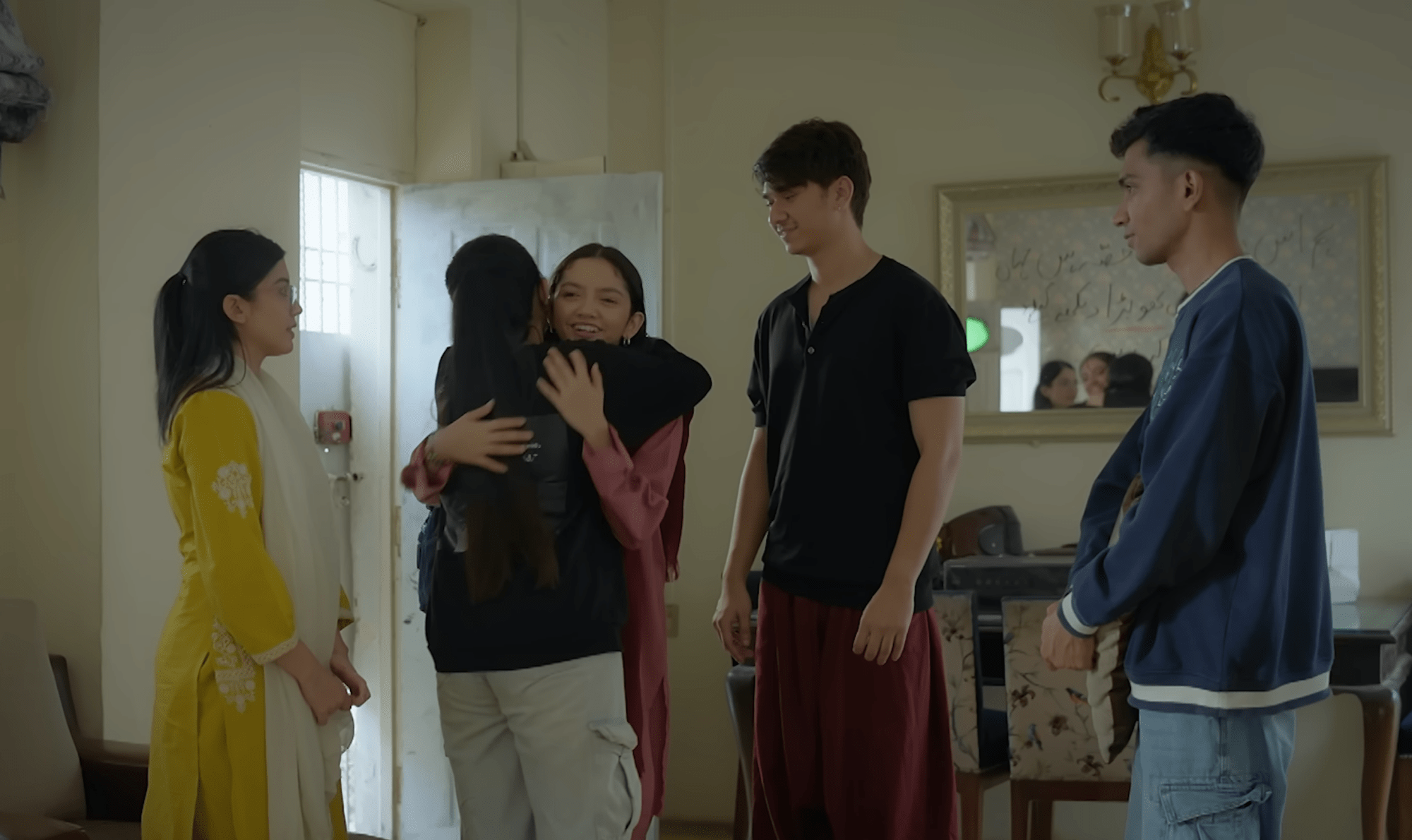
Review: Parwarish knows Pakistani teenagers way better than its peers
Parwarish was a breath of fresh air for a drama ecosystem that can sometimes appear stale and unimaginative, especially through young eyes. For my generation, raised on sitcoms and Netflix, Pakistani dramas have never been very relatable; this one may have just changed that.
The truth is, Gen-Z is often just a punchline in our dramas. A group of funny-talking, junk food devouring, entitled brats who can’t take their eyes off screens if their lives depended on it. Parwarish showed young people, just like those around me, as people, not just as comic relief.
Wali (Samar Jafri), the ambitious dreamer. Maya (Aina Asif), the girl who’d been taught nothing but compromise all her life. Ania (Nooray Zeeshan), the young girl carrying the weight of the world on her shoulders. Amal and Sameer (Reham Rafiq and Abul Hasan), the perfect embodiment the experience of having Pakistani cousins. These weren’t just characters in a drama; they were people you’ve met at some point. They were excellently written, and the acting was absolutely on point.
So, before I dive into the last episode, here are some thoughts on the series as a whole. Be advised, there are major spoilers ahead.
A love letter to family
The drama starts with Jahangir (Naumaan Ijaz), a Pakistani businessman settled in the US, deciding to bring his wife, Mahnoor (Savera Nadeem) and their children, Wali and Ania, back to Pakistan to give the kids a “proper, Pakistani upbringing”. Ask any overseas Pakistani and they probably know someone who disappeared in the eighth grade after their parents decided to move back all of a sudden.
In Pakistan, they move in with Jahangir’s brother, Suleman (Saad Zameer), his wife, Panah (Saman Ansari), and their two children, Amal and Sameer. Jahangir and Suleman’s parents, played by the evergreen Arshad Mehmood and Shamim Hilaly, complete the newly-formed joint family.
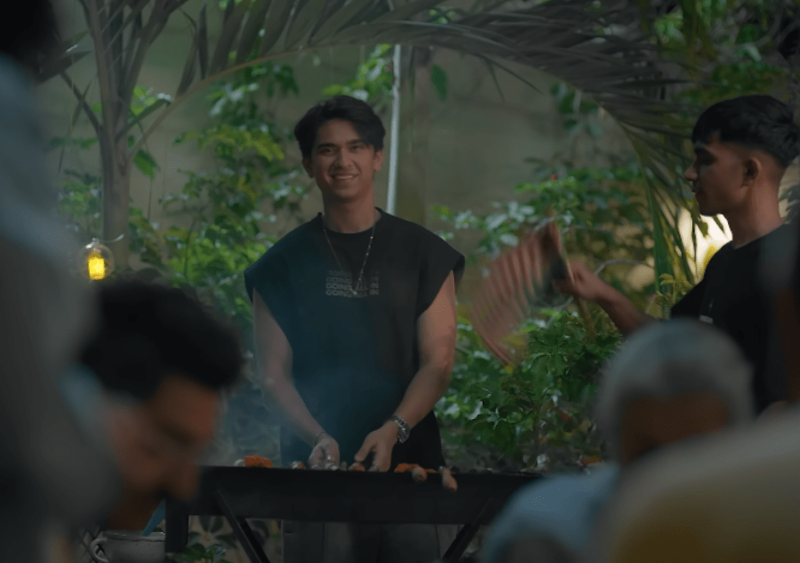
There is a second household too. Maya, her sister Mashal (Haleema Ali) and their parents Shaheer (Nazarul Hassan) and Sadia (Bakhtawar Mazhar). Compared to Jahangir, Suleman, and their upper-class household, Shaheer is a middle-class, white-collar worker. Where the former crave security, the latter guards his honour.
The rest of the story is based on contrasts. Jahangir is stern and unyielding, while Suleman is soft and nurturing. Mahnoor then embodies many of Suleman’s qualities, while Panah is more akin to her brother-in-law. This all comes to a head in one scene where the four of them get into an argument and Mahnoor and Suleman end up on the same side based on instinct.
As an earlier review said, there are no villains in the show, just people. While Jahangir can be seen as the primary antagonist in Wali’s story for most of the show, he really just wants the best for his son. The situation is nearly identical in Maya’s house. Jahangir’s redemption arc was actually a bit of a surprise, but a welcome one, showing the sometimes complex relationships between Pakistani fathers and sons.
Mothers similarly are shown to love their children beyond question, even if it manifests in different ways. Whether it is Mahnoor pacing around, worried about her kids, or Sadia standing between her husband and daughter when Shaheer tried to hit Maya, mothers in the show went to great lengths for their children.
Love and loss
Another aspect remarkably well done by Parwarish was the depiction of young love in the digital age. Maya and Wali were a great on-screen pairing and their soft interactions speak of a love that isn’t “I’ll bring down the moon and the stars” but rather “How was your day? Have you eaten?” Even the singular fight they managed to fit in towards the end made a point about ego, compromise and how a relationship is a two-way street.
Then there’s Amal and her one-sided feelings for her cousin. The portrayal of unrequited love without it altering their existing relationship — despite Jahangir’s best efforts — was well done. It must be said, however, that Amal’s later character arc, particularly her budding romance with a teacher’s assistant, seemed forced.
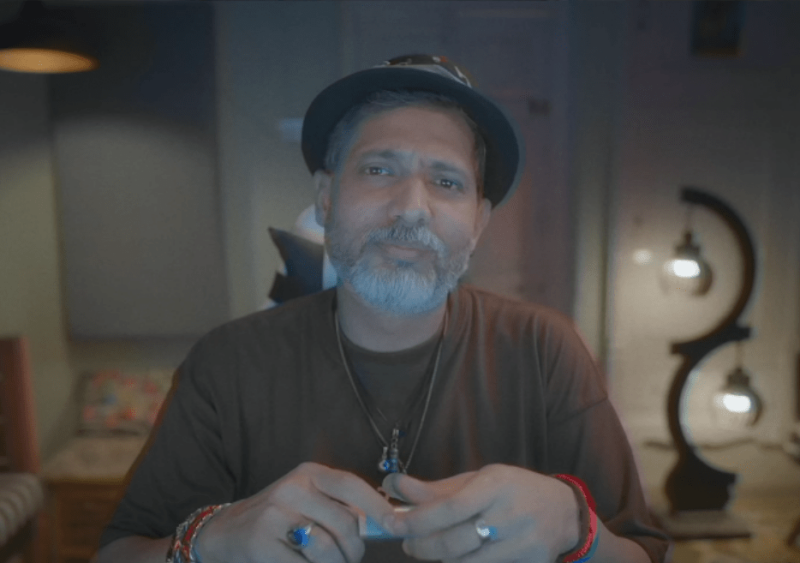
There’s also a different kind of love altogether, not familial or romantic, but the platonic relationship between student and teacher. Parwarish has had its fair share of call outs for “defying societal morals”, as does any show that dares to be different. However, with Wali and ‘Boss’ (Meesam Naqvi), they showed that a good teacher can be a father figure; a nod to our values going back to the Sufi saints of yore, if not further. This, I would argue, is especially relevant when other dramas are portraying teachers as romantic interests, but that’s a story for another review.
Boss’ death in the second-last episode visibly shatters Wali in what was a powerful performance from Jafri. The fact that his teacher left him all his worldly possessions and how his death eventually led to Wali reconciling with Jahangir only reinforces the earlier idea.
Difficult conversations
Parwarish was first and foremost a drama that showed young people with autonomy. That means they can think for themselves, make their own decisions and defend their choices in front of their parents when prompted — what we’d call jawaab dena (answering back) in Urdu — it also means they’ll make the wrong decisions sometimes. The drama shows that there is a day after scenario for all of this, where parents and children can sit together like adults.
Narcotics played a key role in the plot and the show explored ways to deal with drugs. True to its theme of contrasts, Jahangir uprooted his entire family when his daughter was found to be taking them, while Suleman talked his son out of it in a similar situation. The latter gained the love and respect of his son, while the former lost quite a bit of it from his own children. Parwarish is clear on how to have difficult conversations with love, kindness, and clear communication.
There was also emphasis on another great Pakistani taboo — mental health. The show portrayed things we seldom talk about, panic attacks, self-harm and suicidal tendencies. The message was very clear on this front as well: get help. The role of therapy in helping Ania overcome her guilt — and in mending Jahangir and Mahnoor’s marriage, as briefly shown in the last episode — was clear for all to see.
The last episode — half-baked and scattered
In what was otherwise a powerful narrative with strong performances all around, the last episode didn’t pack the punch it should’ve.
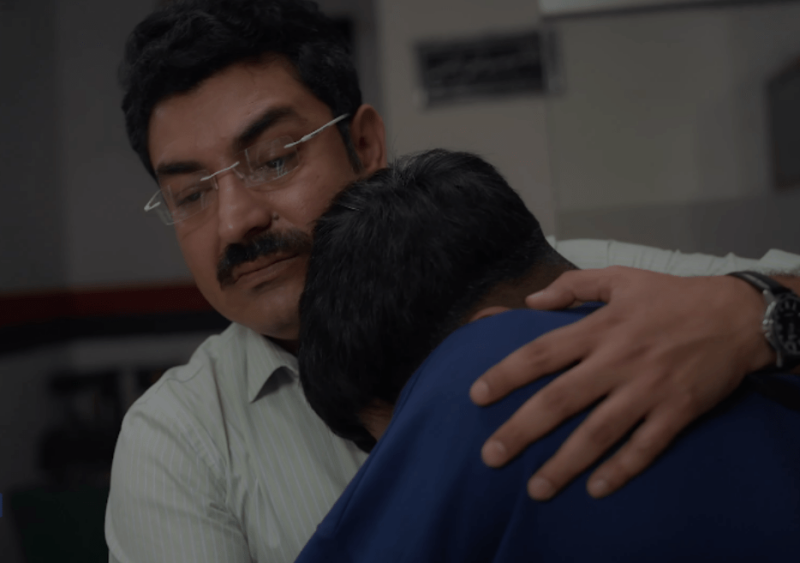
Some parts, like Wali’s tense reunion with his father, were overdone. It was an emotionally charged scene, the tension was palpable, but then they dragged it for way too long — the scene lasted over 10 minutes — leading to viewers saying, “JUST HUG ALREADY”.
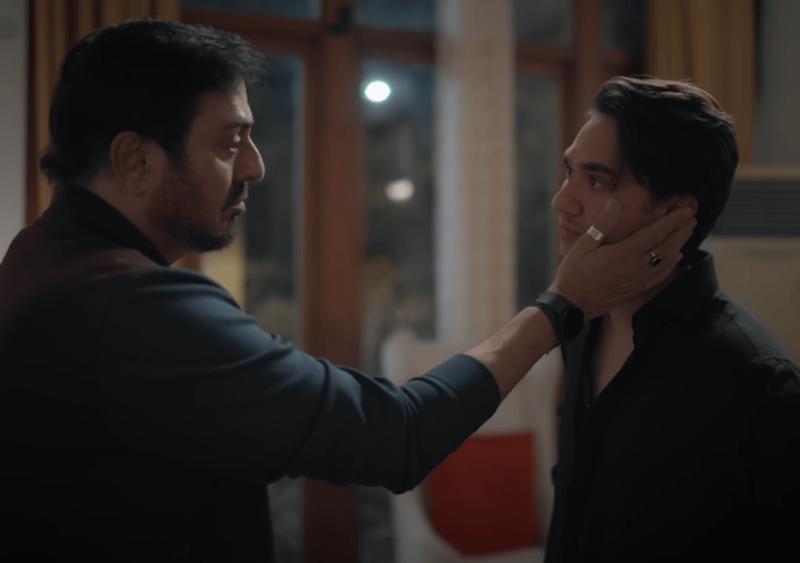
Other parts, like the scene with Jahangir and Mahnoor going to couples’ counselling or Amal’s courtship of her research partner, were underdone and not given enough time — the latter was already unnecessary; this just made it awkward.
The scene where Wali receives Boss’ final message led to a few tears, but the creators fumbled in the last lap after an almost perfect drama that captured the youth and their shot-up attention spans. Now that we have tasted representation, we’ll be looking forward to the next such portrayal. Till then, it’s back to Netflix.
Comments