
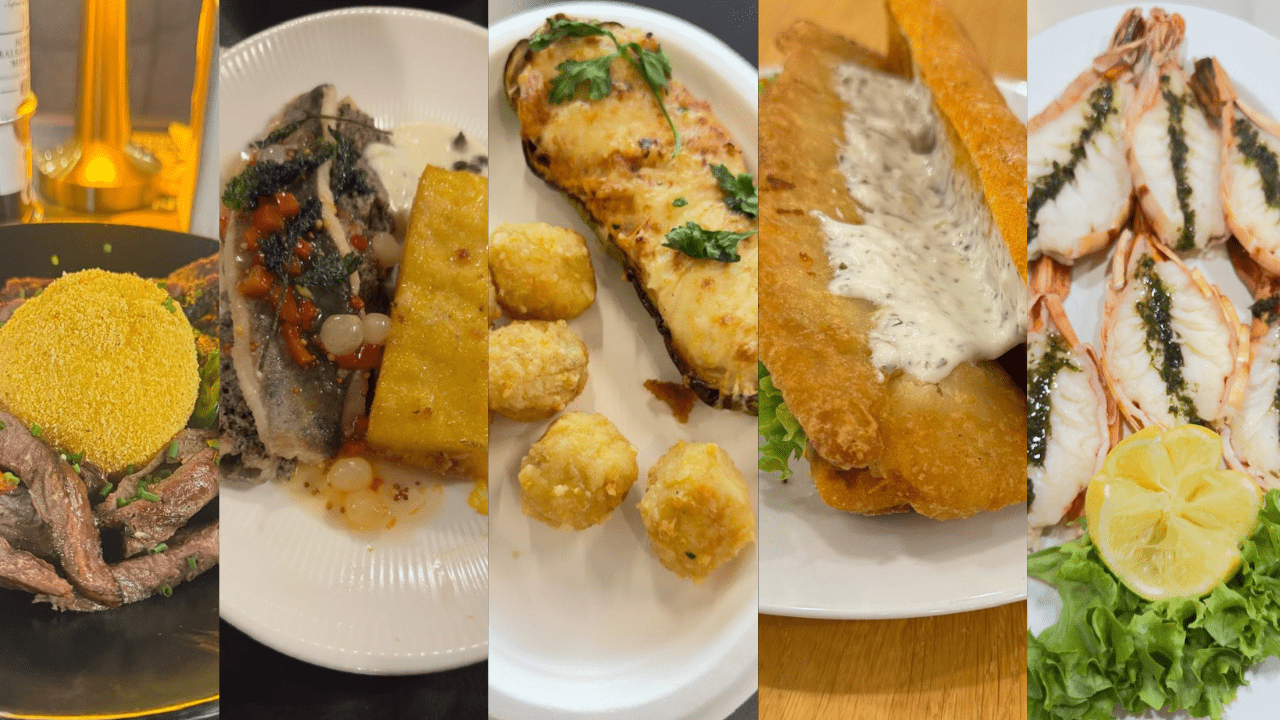
When in Bucharest, do as the Romanians do and head out for a day of good food
When you step foot in Bucharest, the capital of Romania, you feel two distinct emotions — fear and curiosity. The fear springs from characters such as Count Dracula, the titular vampire in Bram Stoker’s novel that strikes terror in to the hearts of avid readers, while the curiosity is stirred by the vibrancy of the gastronomy on display throughout the city.
I’d suggest leaving the characters in the novels and heading out to explore all the city has to offer. Bucharest is an interesting blend of a contemporary yet historical urban landscape.
Taking a stroll in the old town to marvel at the medieval era buildings, walking on the wide pebbled roads, getting captivated by the columns at the palace of parliament or stepping into ultra-modern shopping malls, Bucharest continues to amaze you with every step and at every site.
On the advice of a friend, I chose to stay in the old town area, which was a 35-minute drive from the airport. The place was the picture of a ghost town during the morning until lunch hours started and one was able to witness the sudden buzz of activity with cafés and restaurants began filling up with hungry customers. As the night fell, these streets came alive with loud music, with outdoor areas and souvenir shops shining brightly along the streets.
Blending well into the world of Romanian gastronomy, I managed to befriend a server on a smoke break outside an eatery. “My friend, Romanian cuisine is all about vegetables, cornmeal and meat. Our tastebuds circle around these three essentials, call it comfort food or traditional or common food as you may,” he laughed.
For Romanians there is no compromise on the freshness of ingredients. Everything that goes into a dish, be it meat, herbs, veggies or fruit, needs to be fresh from the market or the farms, seasonal, and organic. You definitely won’t see okra in December or broccoli in June on a Romanian dining table.
From my very first meal in Bucharest, I was startled to discover the bond between Pakistani and Romanian cuisines, especially “the quintessential use of garlic”. The vegetable is used liberally in many Romanian dishes, just like ours. However, unlike in Pakistani cuisine, Romanians use garlic on its own, without the addition of ginger. My dish was no exception. Accompanied by a garlic sauce mixed with oil and water, I was advised by the server to spread the garlic sauce on the bread or pour it over the dish, whichever I prefer.
To start, I ordered Paine Cu Cartofi, a potato leavened bread baked on a hot griddle. “It’s mixed with potato and wheat flour with a ratio which varies from recipe to recipe,” explained the server who suggested I try it. It was filled with mashed potatoes that gave the loaf a soft texture and a rich taste. I paired it with a must-have — Zacusca, a red pepper spread that’s basically a vegetable paste made from roasted red peppers infused with mushrooms, eggplants, a hint of oil, crushed tomatoes and onions. Zacusca tasted like tamatar ke chutney but a much thicker and spicier version that was bursting with flavours.
The amalgamation of the fresh veggies made their presence felt individually with their distinguished taste. Zacusca on a toasted slice of bread with your morning tea could be a great alternative to the traditional omelette or fried egg we usually consume at breakfast. This traditional dip is over 100 years old and is consumed in almost every household in Romania. It’s also present on the menu of every eatery.
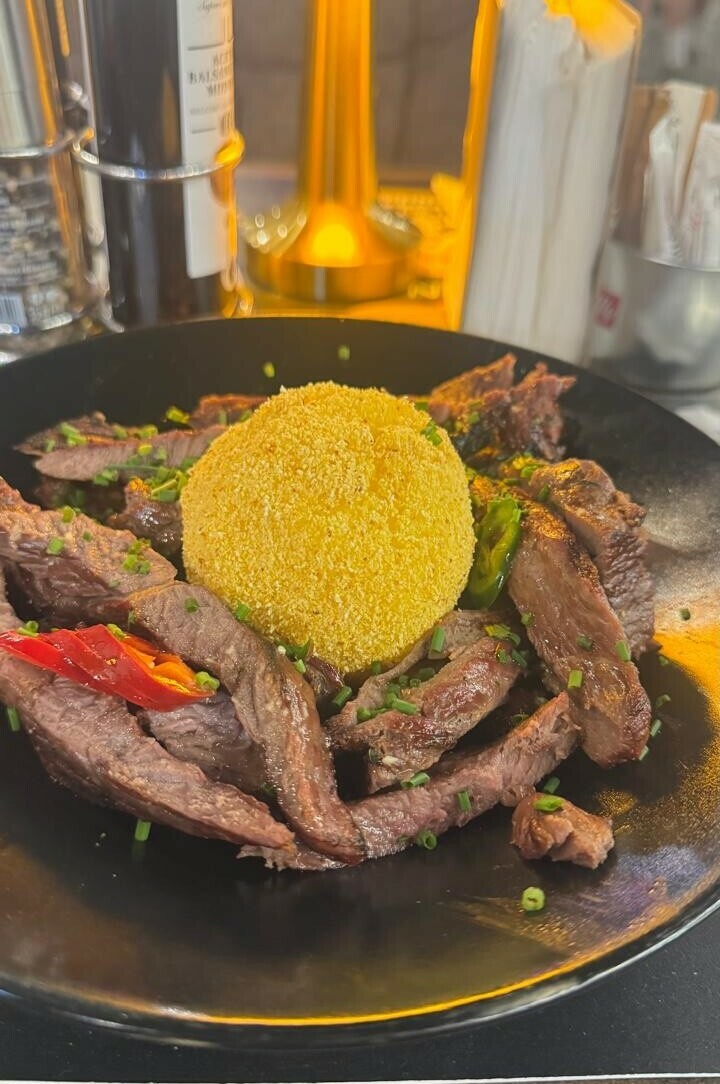
As Pakistani eateries offer a choice between mashed potatoes, baked or French fries with steaks and other meat dishes, Romanians offer polenta, one of the most popular and traditional side dishes basically made of boiled corn mush, salt, sour cream and often cheese to make a smooth mashed portion. It’s crusty on outside and gooey on the inside but essentially tasteless. It was just like a corn ball with no seasoning or herbs to distinguish it. I was told that many Romanians use polenta as a substitute for bread.
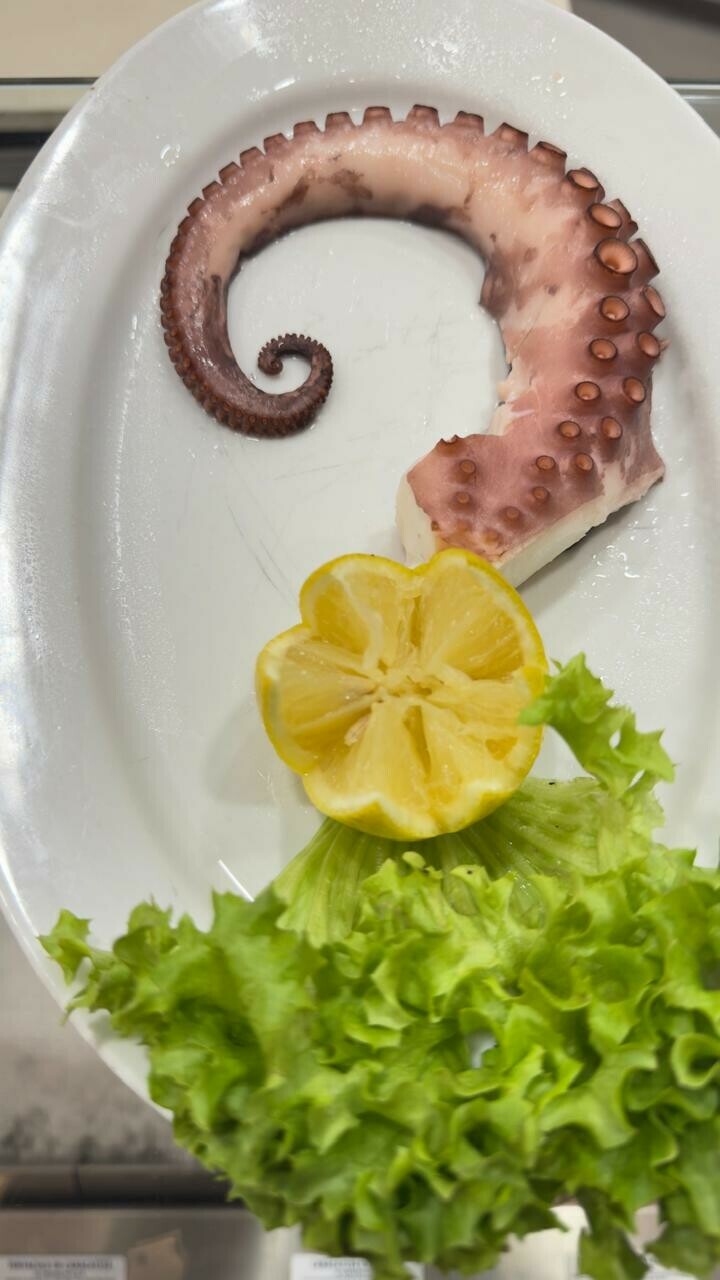
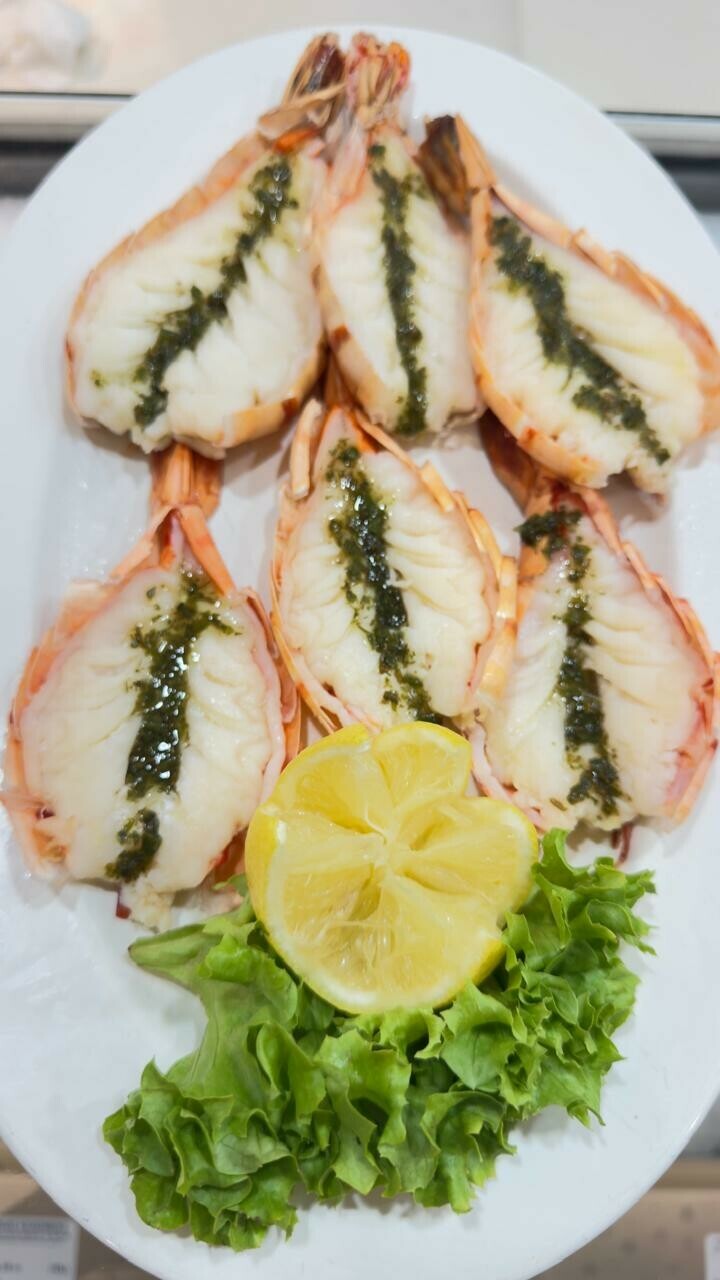
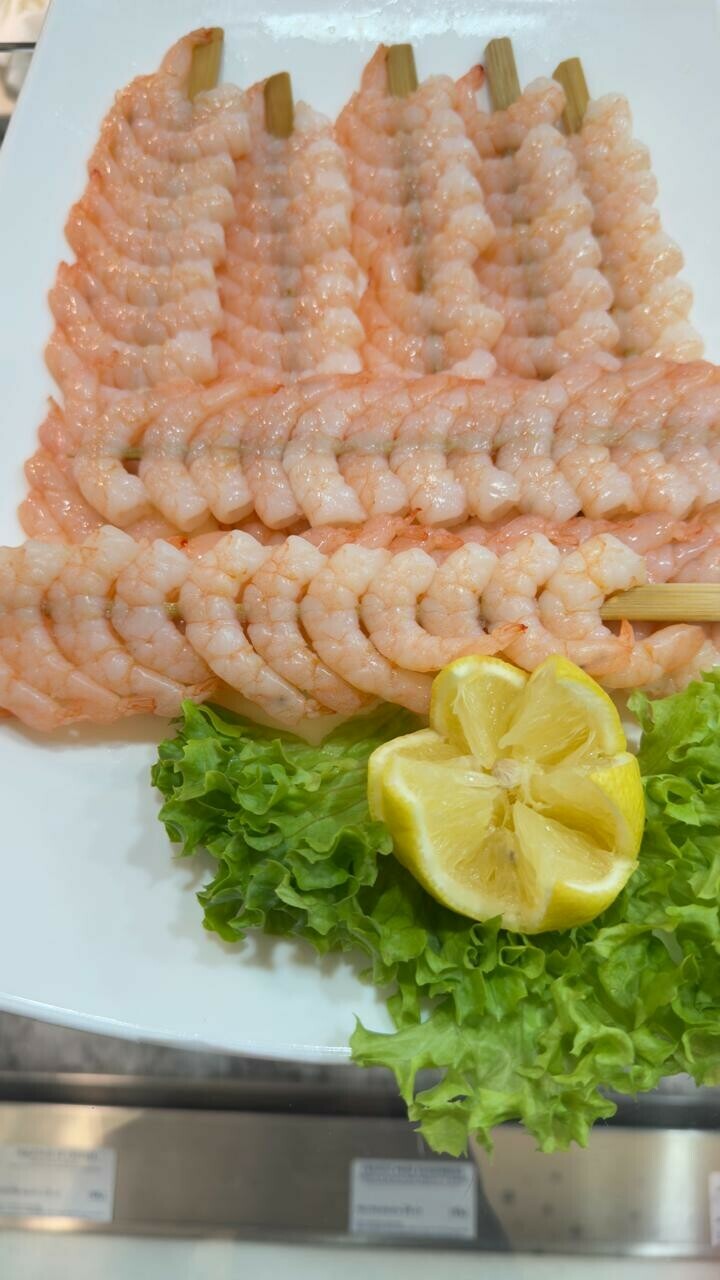
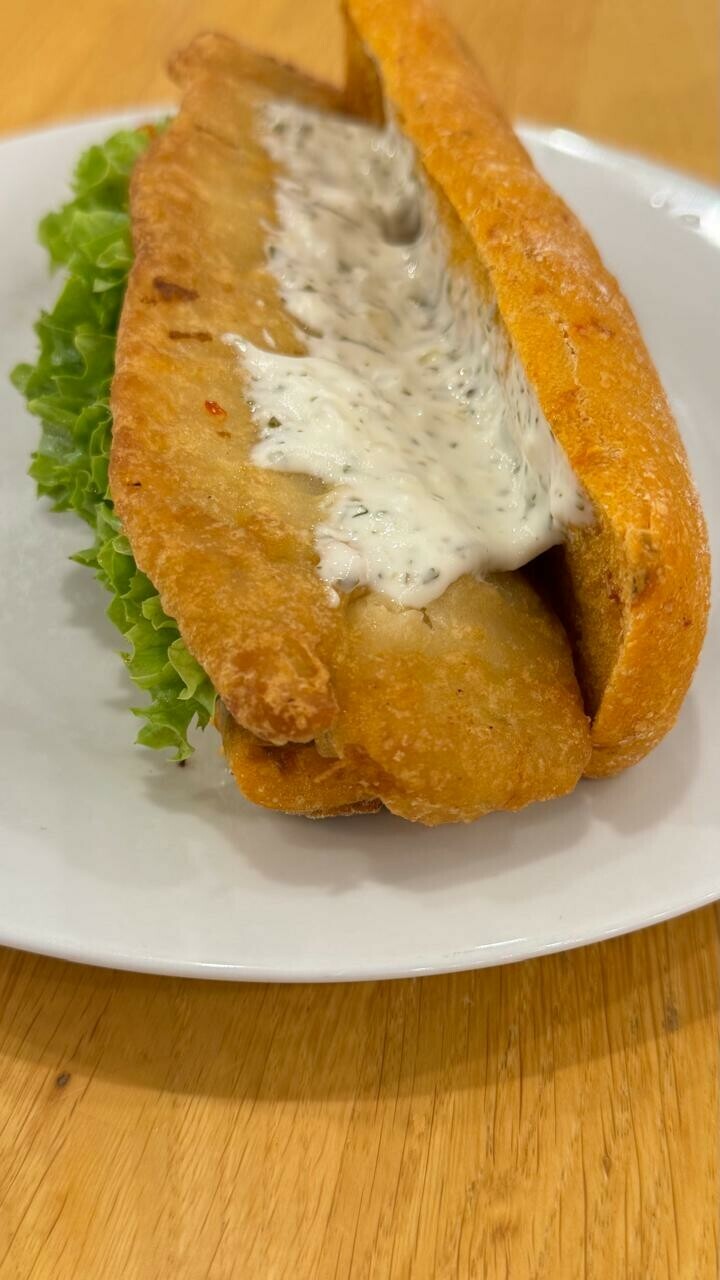
Although seafood is not a very popular item, one is able to find a few eateries only serving seafood such as lobster, octopus, sardines, trout or carp coated in cornflour or batter and deep fried, charcoaled and served with garlic sauce and polenta. My choice was obvious. Since lobster was too great a damage on the pocket, I opted for grilled octopus, which I had to pick from the raw seafood counter. The octopus was a bit chewy but full of herbs and fried in butter. It was my meal for the entire day as I could not finish the whole plate.
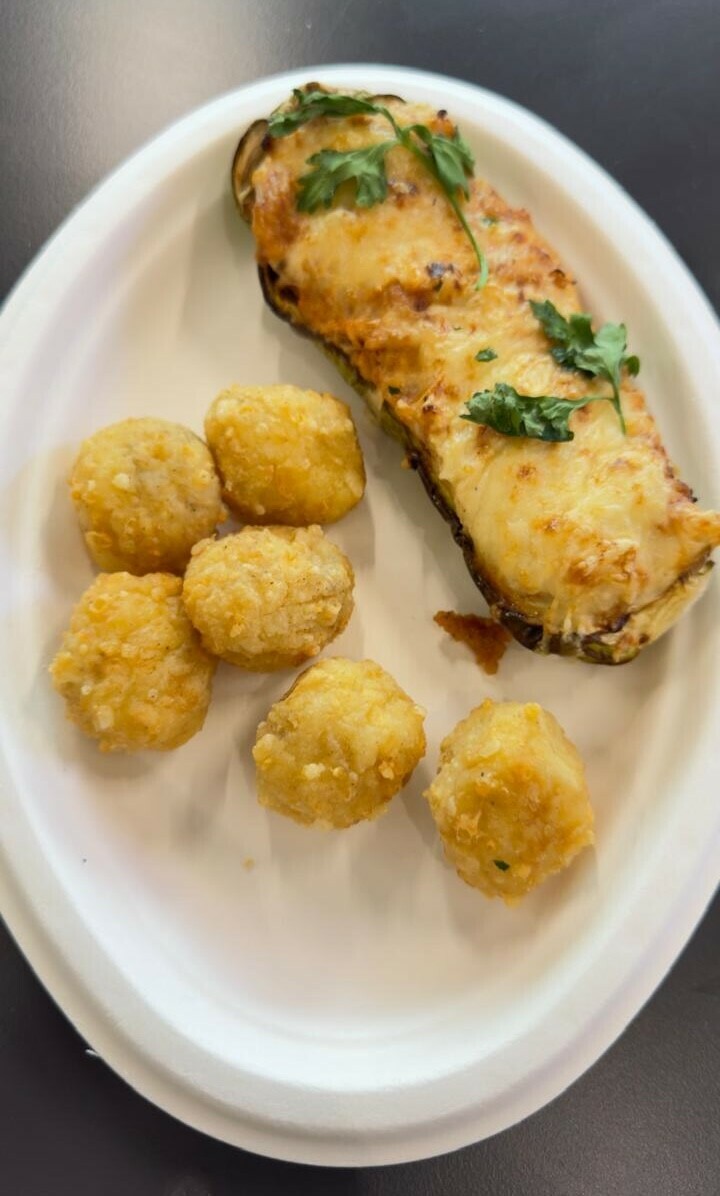
During a visit to a shopping mall’s food court, I ordered what another customer was ordering — Bulete de Cascaval and Dovlecei Gratinati. You could call Bulete de Cascaval cheese balls. They were golden-brown with a crispy crust courtesy of their deep frying, made with Romanian fried cheese known as cascaval. The cheese balls looked very ordinary at first glance — similar to what one eats at any fine dining restaurant in Pakistan — but what made them different was the hard, salty and yellow cow milk cheese within that was only half melted despite being deep fried. It carried a very powerful taste.
Dovlecei Gratinati is also a popular snack. It features a gratinated zucchini sliced, sautéed or baked with various filling options and topped with cheese. I ordered it with a chicken topping. Romanian cheese was more overpowering than the zucchini whereas the chicken was caught in the crossroads and barely made its presence felt.
Next on the list was Sarmale — pickled cabbage wraps containing minced meat, rice and caramelised onions, served with sour cream and polenta with sprinkled herbs on top. Sarmale is a very popular eastern European dish also found in menus around the world but Romanians make it with sour or fermented cabbage, and that’s the trick that makes it stand tall amongst its contemporaries. Packed with flavour and simmered in a savoury sauce of tomatoes, the tastebuds can easily distinguish the taste of the meat, rice and onions separately. Being sour, Sarmale had a slightly tangy touch which left its mark in every bite.
A tourist in Romaina cannot leave the country without dining at the famous Caru’ cu bere, a jewel in the country’s gastronomical crown and the magnum opus of Bucharest eateries. It’s not just the interior that leaves visitors in awe; the facade of the building is just as majestic and can’t be missed out on, even if you’re just walking past on the street.
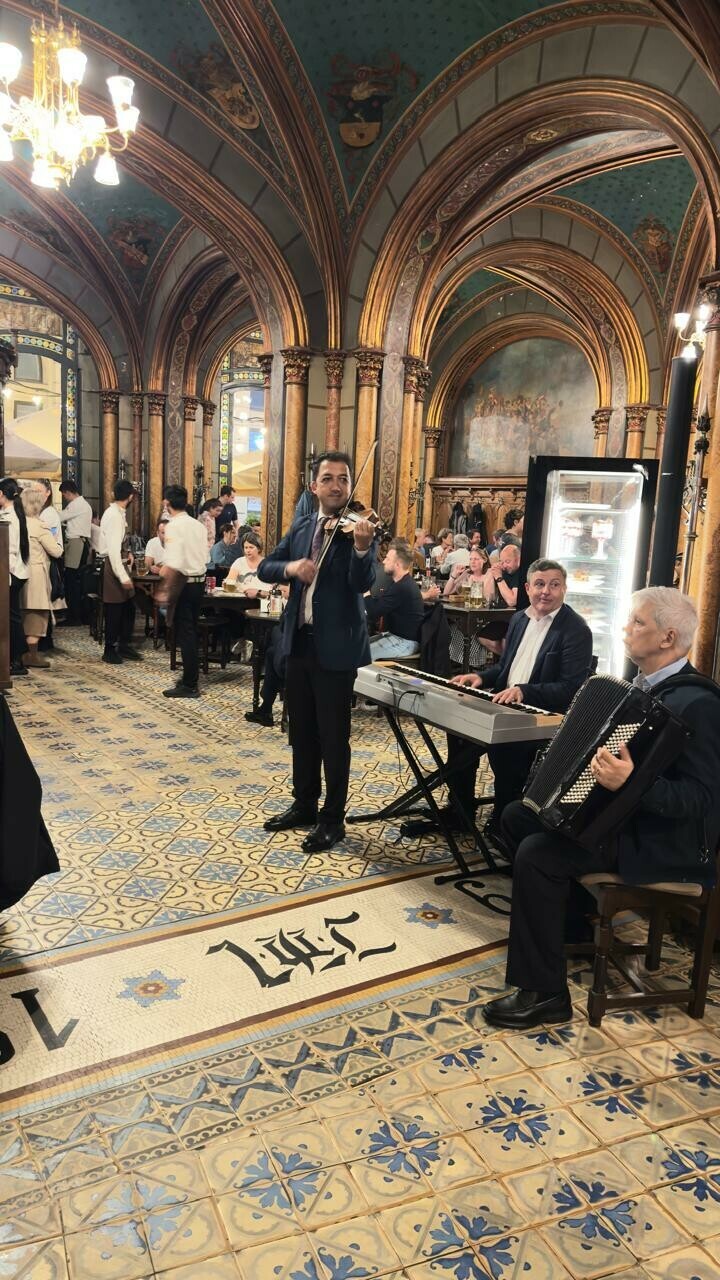
The eatery is housed in a brewery that is over 130 years old and believed to be one of the oldest in Romania. It has two main rooms, terraces, and a cellar. The wooden Belle Epoque interior, stained glass windows and painted ceilings cast a spellbinding effect once you enter through the revolving doors. Caru’ cu bere has hosted visitors such as Ted Kennedy, prince of Japan and the Rolling Stones. The building is officially classified as a historical architectural monument.
I had made my booking way in advance, yet when I arrived I still had to wait for 40 minutes. I was guided past a hall full of guests, with live string instruments being played, and seated on one of the terraces that allowed me a magical bird’s eye view of the restaurant — the bar downstairs, the intricate painted ceiling, the columns and arches.
A four-page menu in a spreadsheet format was laid down by the server to scan. To be on the safe side, I was recommended to order the Supa crema de legume cu crutoane de casa, basically a vegetable soup with homemade croutons, and the Poveste Pescareasca, the fisherman’s tale, for the main course.
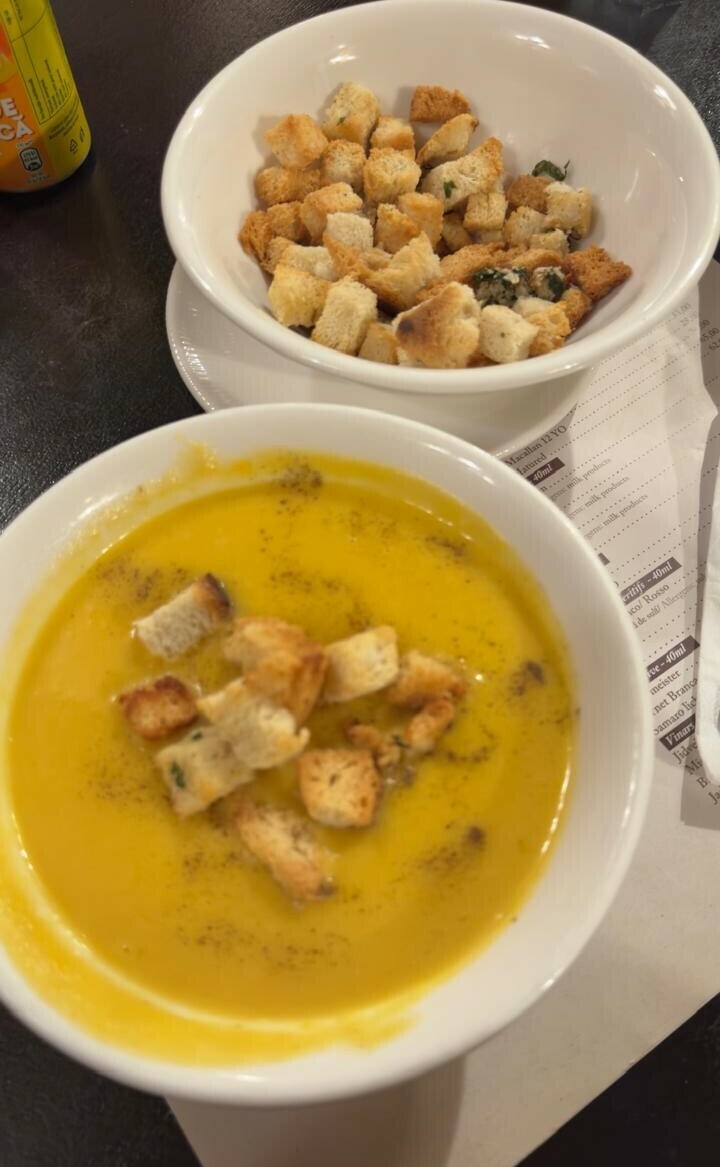
The soup was full of nutritious veggies such as potatoes, celery, onions, zucchini and carrots so finely blended that the soup did not lose its texture, and topped with homemade croutons that added a nice crunchiness. However, having said that, I had to add tabasco to add that kick of spices required for my Pakistani palate.
The reason I ordered the fish was not because I was in mood for the seafood, but because the picture on the menu was a true vision. The baked trout fillet arrived fully decked as if it were cooked by a jeweller rather than a chef. This pièce de résistance was filled with with champignon mushrooms, capers, red bell peppers, mustard seeds and a roasted pepper compote.
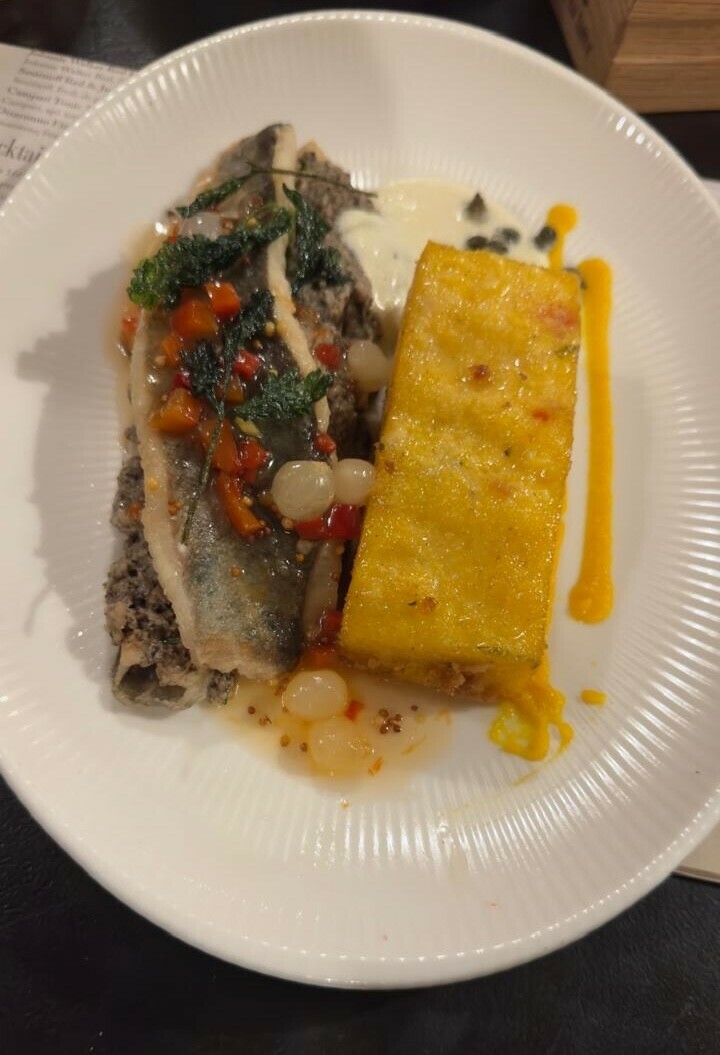
The ray-finned freshwater trout was cooked in corn oil and was oozing with butter, lemon juice, vinegar, and a hint of sour cream accompanied by a large portion of polenta. The hardest part now was to disfigure this chef’s marvellous creation and polish it off from the plate. But I managed it and the taste was beyond description. It took me quite some time to finish my meal as I did not want to let it go so quickly. Each ingredient which played its role to compile this work of art must have been chosen for a reason. It was like a manna from heaven and worth every euro!
It was my last day in Bucharest and I wanted to end the tour on a spicy note. A small eatery near a bus station pulled me in as I scanned the menu at the entrance door. I had already decided what to order even before being seated. “Ardei Umpluti and orange juice for me please,” I told the server as soon as we made eye contact. I could not go wrong with my order as Ardei Umpluti is a stuffed bell pepper cooked in tomato sauce.
My order arrived within 15 minutes and was a large portion for a single person. It arrived with a portion of sour cream dip and crusty bread, which I was really glad to see as I had prayed “please, no polenta again”. The bell peppers were hollowed out to be stuffed with a spiced meat and rice mixture, placed over tomato juice and baked in the oven until they were tender enough to fall apart. It was a complete meal.
The juices from the bell pepper and the minced meat mixture melded their flavours, and each bite was creamy and spicy. The shell casing was crunchy with the precise ratio of sweetness to acidity and heat providing the perfect balance of flavours. The cap of the bell pepper was put back on, which gave it the appearance of a cauldron. I skipped the sour cream dip, instead dipping the crusty bread in the pepper shell for a a great accompaniment for my meal.
As I was finishing up, I saw the server carrying slices of what we would call fruit cake. Out of curiosity I enquired about them. “It is called Cozonac and it looks like a loaf but it’s actually a cake filled with chocolate and raisins. If you look inside, it has swirls of chocolate filling,” she informed me. When I took a bite, it indeed tasted like a sweet bread with poppy seeds and raisins, something I think would pair well with evening tea or coffee.
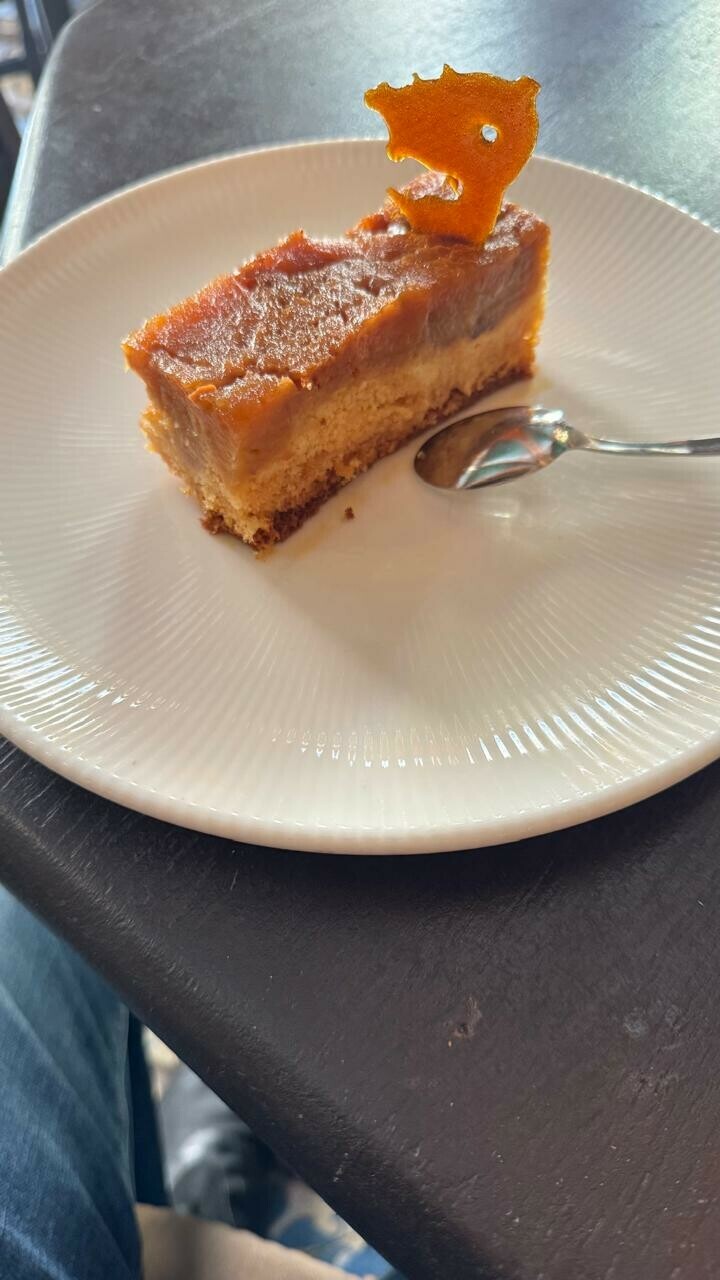
It was great to end my tour on a sweet note, although four days were not good enough to do justice to the richness of Romanian cuisine, as I believe I only scratched the surface!
Comments