
A wedding shoot sparked Naila Kiani’s love for the mountains — 7 years on, she’s making history
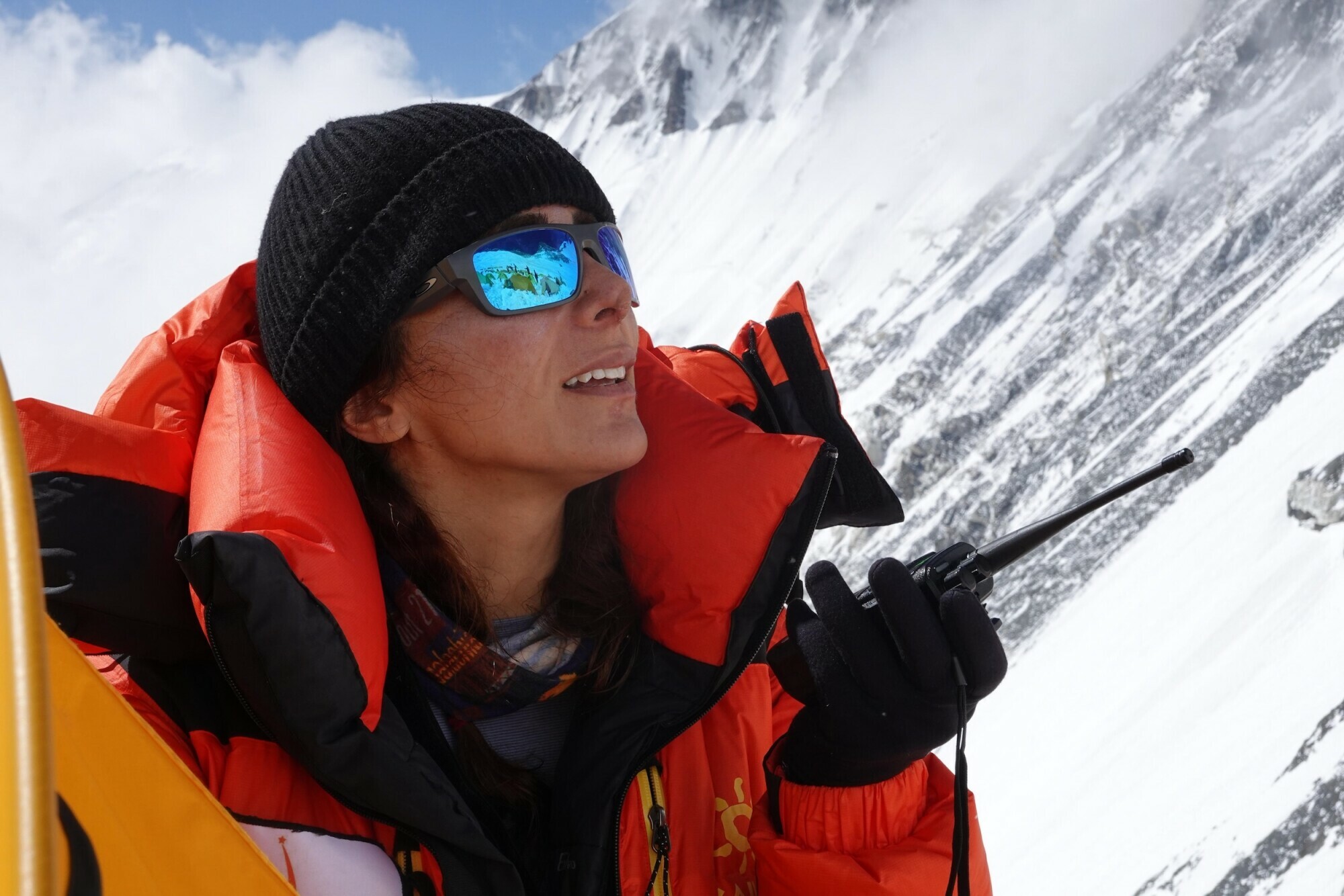
Nearly two weeks after summiting Mount Kanchenjunga — the world’s third-highest peak at 8,586 metres, straddling eastern Nepal and Sikkim in India — Naila Kiani was still recovering from the physical toll of high-altitude climbing. From the ‘death zone’ at 8,000m to almost sea level in Dubai, her body was slowly recalibrating. The abrupt change in air pressure had left her mind in a lingering fog — a residual effect of three and a half relentless weeks of endurance at the top of the world.
“I zone out a lot these days. It’s like your brain is trying to catch up but can’t,” said Kiani, one of Pakistan’s leading mountaineers. “Some people go back to a strenuous workout immediately after an expedition to fight body and mind fatigue. I need rest and body massages!”
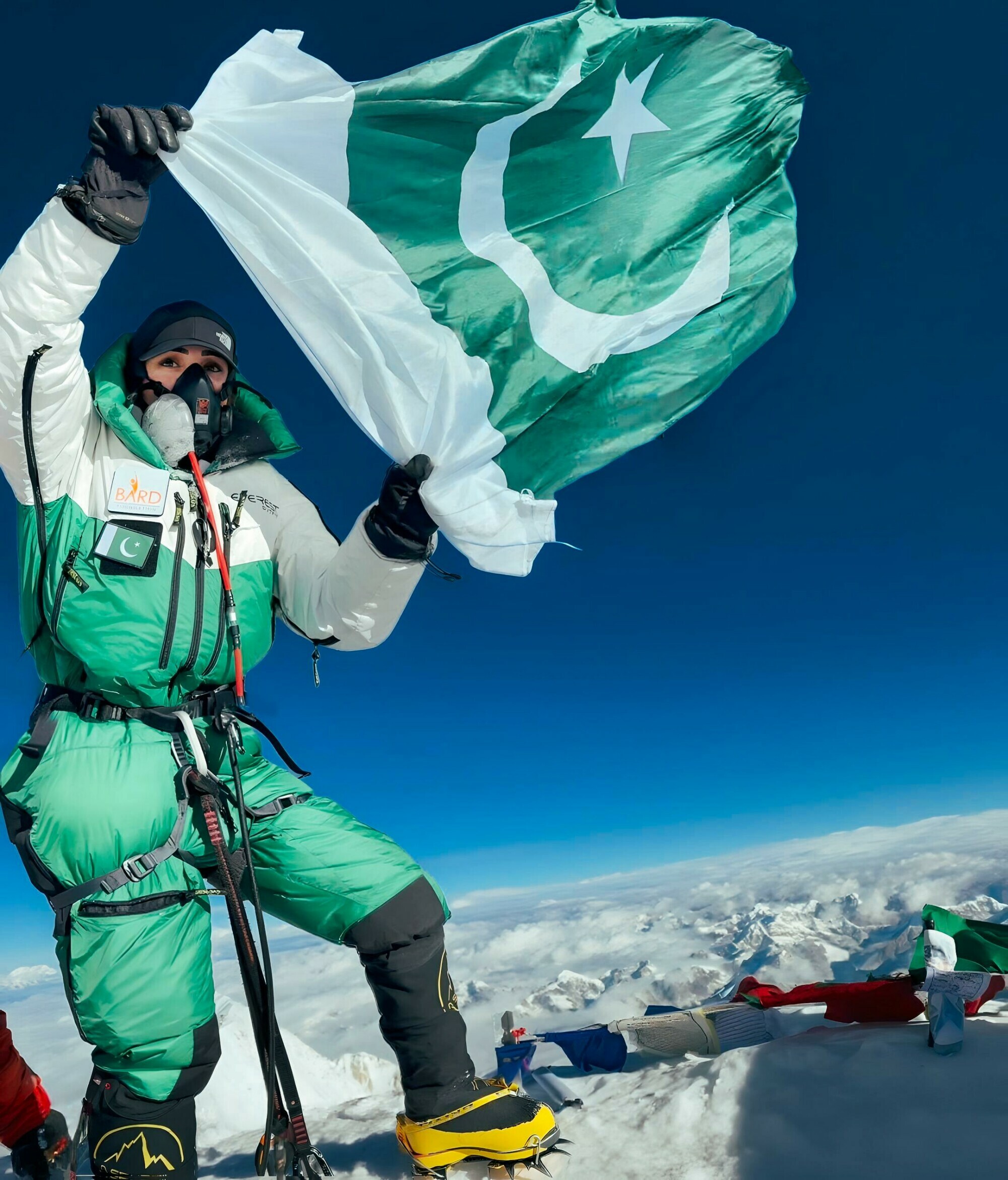
A Dubai-based aerospace engineer, associate vice president at an international banker, cofounder of a tech startup, amateur boxer, and mother of two, Kiani has redefined what it means to break barriers. In just under four years, she has climbed 12 of the world’s 14 peaks above 8,000m, climbing seven of them in less than six months. She became the fastest Pakistani climber to summit 12 peaks and the only Pakistani woman to reach such heights. It’s an accomplishment unmatched even by any Pakistani male climber. In recognition of her achievements, the government awarded her the Sitara-e-Imtiaz on March 23, 2024, making her the only female athlete in the country to receive this honour.
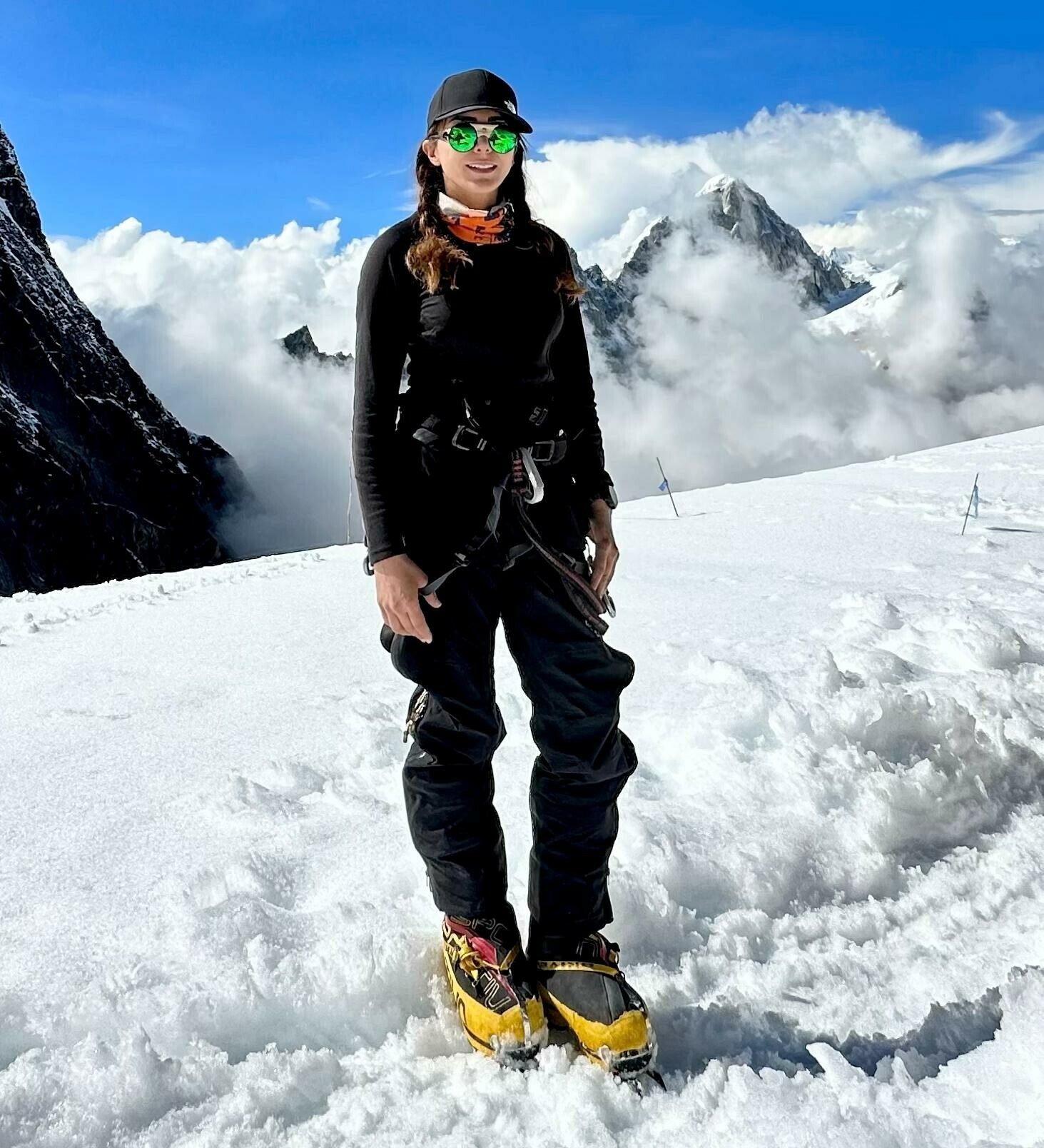
But Kanchenjunga was a challenge unlike any other she had faced. “Oh, it was tough. Not so much technically, more mentally and emotionally.” She recalled during the expedition there was hardly any connectivity, not even a satellite phone, “only sporadic instances of connectivity”. Halfway through, she found out about the outbreak of conflict between India and Pakistan in May, while being away from her husband, her two daughters, parents, and in-laws.
“The mountain felt endless. My anxiety grew every day,” she said. “Once we caught a tiny signal, I called the Pakistan embassy in Kathmandu to get an update on the situation.”
Another source of concern for her was that at a time of heightened tension between Pakistan and India she was climbing Kanchenjunga alongside a Nepali-Indian army mountaineering team, which had five Indian members. “At that point, I was sceptical about engaging with Indians. Perhaps the saving grace was that they were stationed 100m below my group, which included myself, leading Pakistani climber Sirbaz Khan, and five more climbers.”
But in the “true mountain spirit”, the Indian climbers were respectful and kind — “They even helped Sirbaz Khan when he got drowsy from exhaustion.”
The journey begins
Kiani’s journey in high-altitude mountaineering began in 2021. That July, she summited Gasherbrum II in the Karakoram range. A year later, in July 2022, she stood atop K2. She reached the summit less than an hour after Samina Baig, the first Pakistani woman to conquer K2 earlier the same day. Ten days later, she scaled Gasherbrum I, scoring a ‘double-header’, the first Pakistani team to attempt it.
Looking back, she said, “Gasherbrum I was the hardest climb of my life. Winds hit 70 kilometres per hour as we pushed near 7,000m. At one point, I was so exhausted I considered unclipping from the safety rope to end it. I’d never felt that before, and haven’t since.”
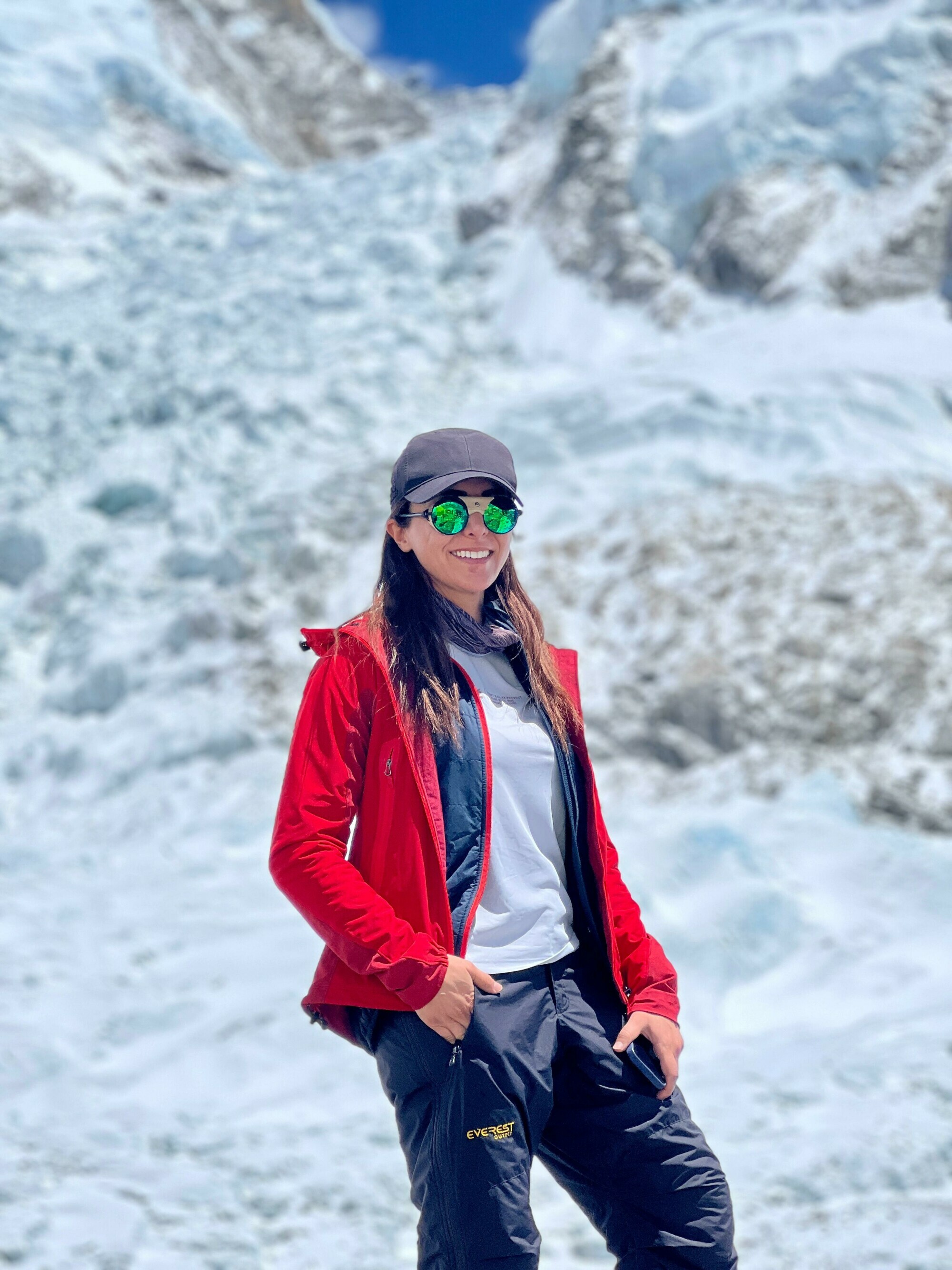
Then came 2023 — a year of milestones. In April, Naila reached the top of Annapurna I in Nepal. After reaching the summit range, she had to be evacuated due to mountain illness. In May, she climbed Everest, becoming the second Pakistani woman to do so, a full decade after Baig’s historic climb. Just a day later, she scaled Lhotse between Nepal and China. Next in line were Nanga Parbat and Broad Peak in Pakistan, Manaslu in Nepal, and Cho Oyu between the Tibet-China border. In October, she was forced to abandon her summit attempt on Shishapangma because of deadly avalanches.
Next May, she climbed Makalu, on the Nepal-China border, to add another peak to her list. Earlier this year in May, she summited Kanchenjunga, bringing her total to 12.
On the global stage, however, its unusual for women to summit all 14 8,000-ers. Only 16 women in the world have completed the circuit so far. Edurne Pasaban of Spain was the first woman in the world to climb all of them in 2010; Nirmal “Nims” Purja, the former Gurkha and British special forces soldier from Nepal, climbed them in just six months and six days in 2019 and Kristin Harila from Norway along with Tenjen Lama Sherpa of Nepal broke Purja’s record by climbing 14 peaks in 92 days in 2023.
One wonders what compels Kiani to brave such treacherous paths, especially when other women have already set a historic goal that she may never be able to rewrite. Take Adriana Brownlee from the UK who set a record as recently as 2024 by becoming the youngest woman ever to summit 14 peaks at age 23, or Sanu Sherpa of Nepal who became the first person in the world to complete the circuit of 8000-ers twice.
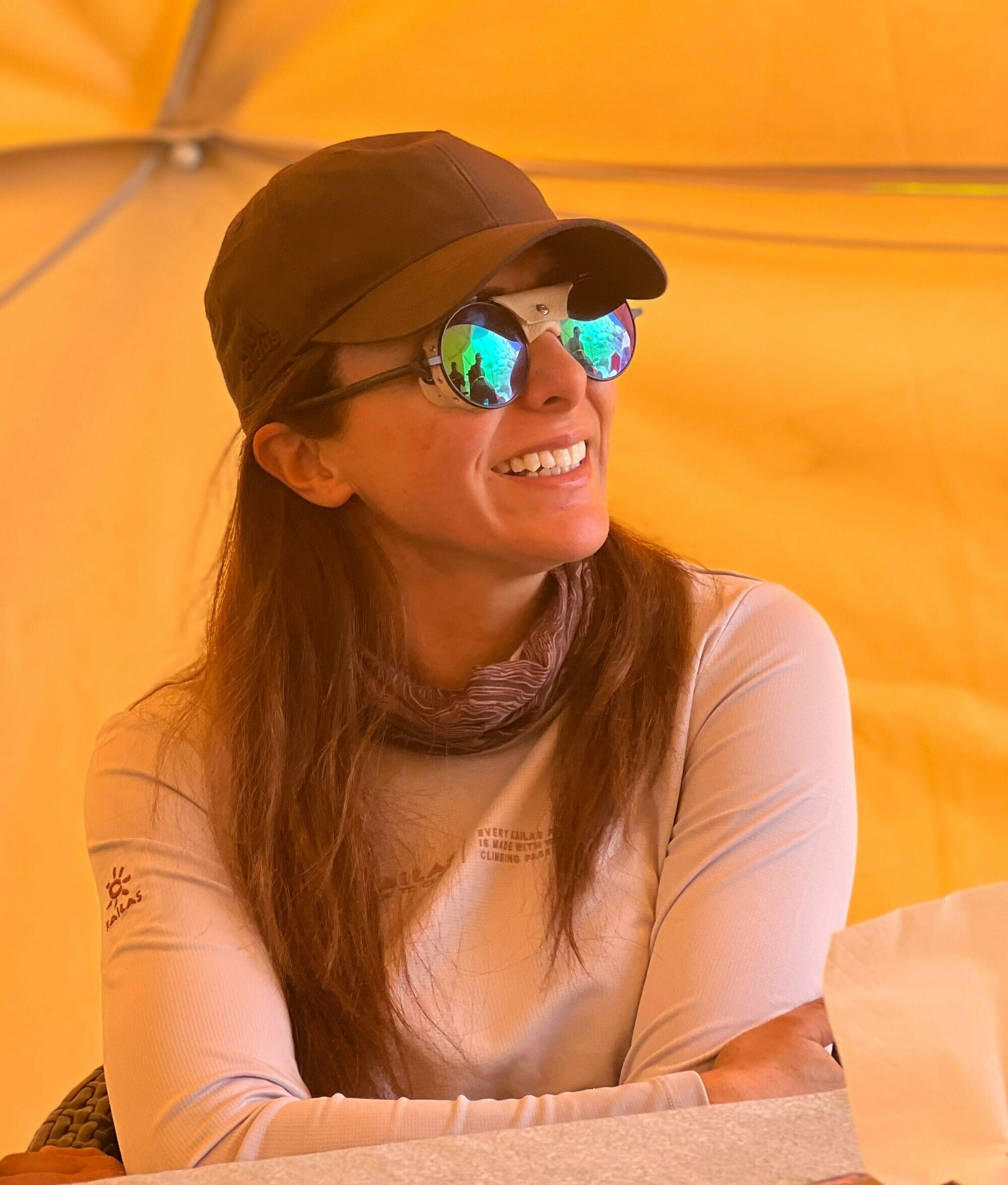
“I don’t climb for glory. I climb to show that a Pakistani woman can stand on the world’s highest peaks, and belong there,” declared Kiani.
Her mountaineering journey began with a desire to celebrate her wedding uniquely, as “a small affair” in the mountains. So, she and her husband landed in Skardu ready to start their lives together. But just as they arrived, a family emergency forced her husband to return home, leaving Kiani alone in the remote mountain town to press on and to trek to Concordia, the gateway to the K2, in the Karakoram mountain range. At approximately 4,700m above sea level, Concordia is considered to be one of the world’s most spectacular mountain junctions, from where one can view four of the five highest 8,000m-high peaks in Pakistan — K2 (8,611 m), Broad Peak (8,051 m), Gasherbrum I (8,080 m) and Gasherbrum II (8,035 m). “I wanted to see K2,” she said, and her husband convinced her to do it by saying, “Once we have kids, you might never get to go again.”
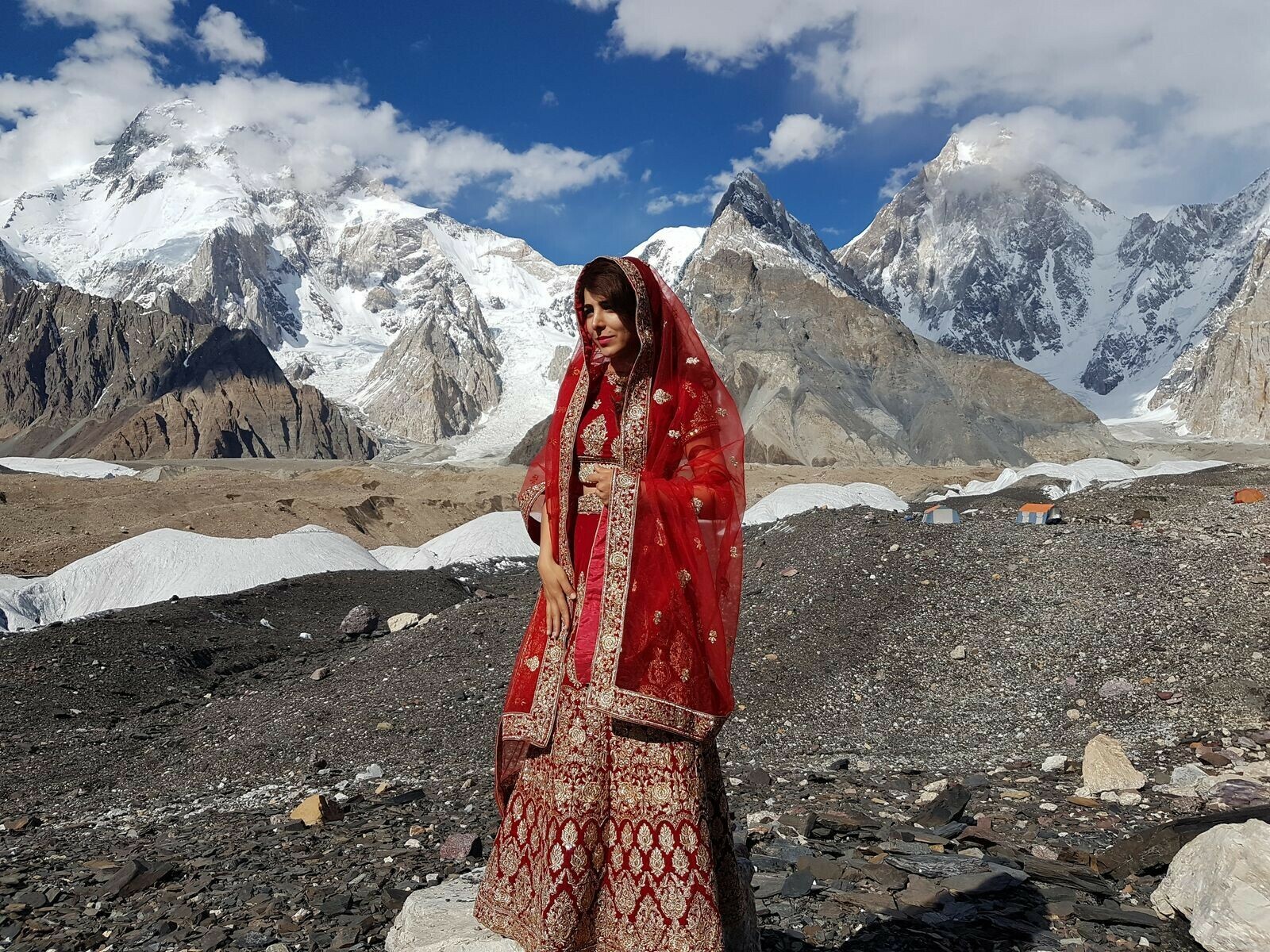
Dressed in a red bridal outfit, she posed for a photoshoot in Concordia against a backdrop of towering peaks. Later, the photo went viral on social media. “Everyone assumed it was our actual wedding. Instead it was me posing as a bride without my groom!”
That was 2018. “Back then, I’d think, why would anyone put themselves through treacherous climbs? Are they pagal [crazy]? I watched the film Everest, based on the true events of the 1996 Mount Everest disaster, and told my husband, these people must be mad!”
By 2021, that sarcasm turned into curiosity and then action. That year she summited Gasherbrum II — her first 8,000er. Back then, “I wanted to be around elite mountaineers. I wanted to know what it takes to be up there,” she recalled. When she ascended Gasherbrum II, she became the first Pakistani woman to climb three 8,000-metre peaks.
Summiting G2 flipped a switch inside her. Already a mother of two, she found herself hooked on the thrill of standing atop the world’s highest peaks. “Once you enter the world of 8,000ers, it’s not about adventure anymore. It becomes about records, about pushing your limits — strength, endurance, resilience. You’re constantly testing what you’re made of,” she explained.
Away from the mountains, Kiani is a mother to two daughters — one six years old, the other four. She laughed when asked if they understand what she’s achieved — “Not quite.” What they do grasp is “simple and sweet”, that their mother disappears to faraway mountains, where it’s freezing cold. “The deeper meaning behind those words I suppose will come in time,” she said.
Kiani grew up in a conservative household in Rawalpindi, where her father wouldn’t let her wear half-sleeves or go to the park. “He’d say, ‘Achay ghar ki larkiyan park nahi jati’ [girls from respectable families don’t go to parks],” she recalled.
So when she summited her first peak, G2, she was nervous about telling him. “To my surprise, he was super supportive.”
Today, while her mother and mother-in-law still wish she’d stop out of concern for her safety, her father is “always cheering me on.”
It goes without saying that Kiani’s passion takes her to places where death is just a step away. And the risks are only growing, as climate change makes avalanches more frequent and unpredictable. According to a 2023 report titled Snow and Ice Avalanches in High Mountain Asia — Scientific, Local and Indigenous Knowledge, published by the European Geosciences Union, a organisation for earth and planetary science in Europe, at least 1,400 mountaineers lost their lives between 1895 and 2022 on the 14 peaks above 8,000m, and a few other prominent 6,000ers in the Himalayas. Alarmingly, 33 per cent of these deaths were caused by avalanches.
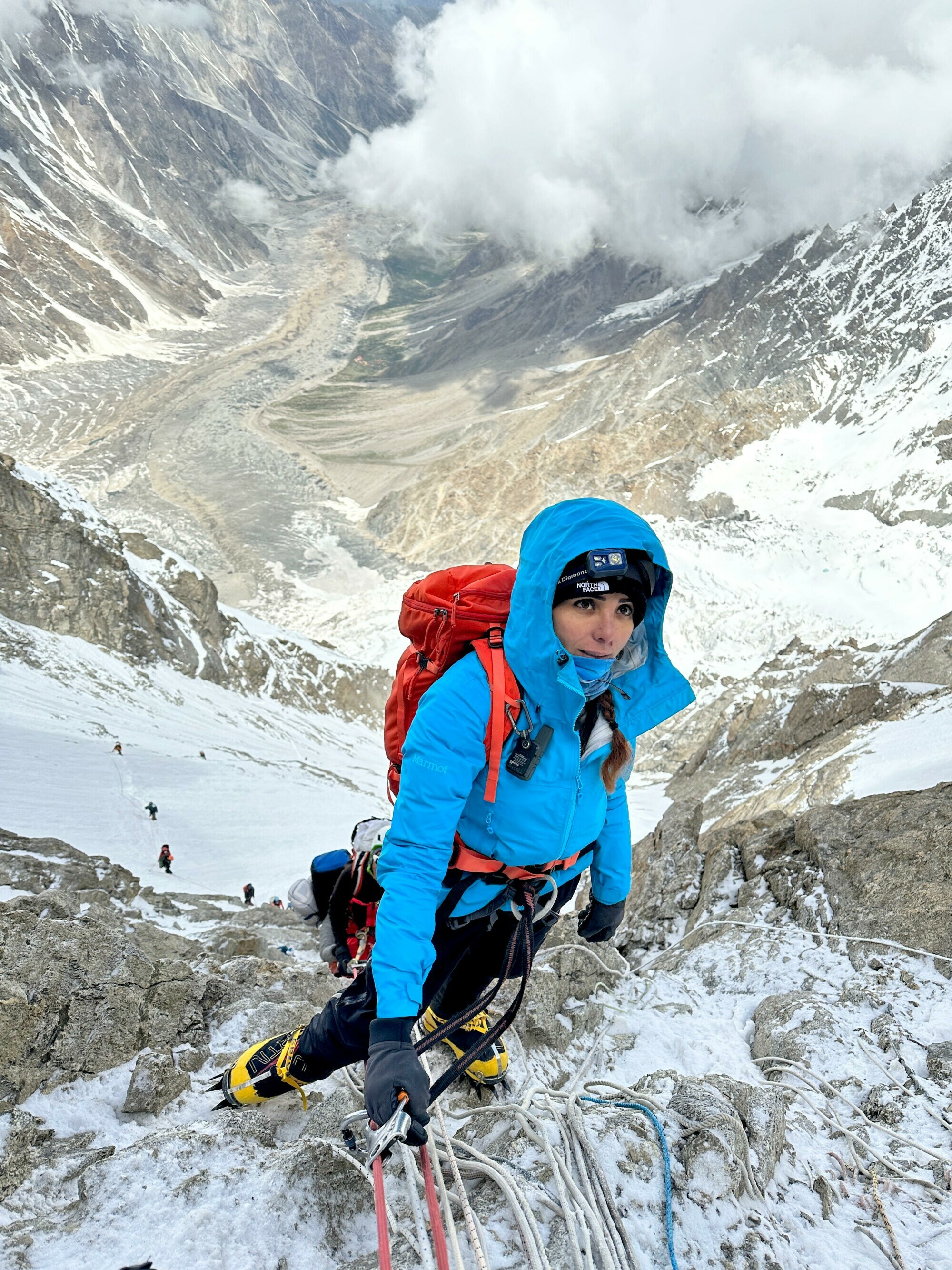
Kiani too has had her share of close calls. It was during the Shishapangma expedition that she made the most difficult call of her climbing career — to turn back. She recalled that the first avalanche came suddenly, sweeping away three climbers from the team. At that point, no one knew if they had survived or how badly they were hurt. “I knew a tragedy had occurred,” she said.
She said it was late in the day and the summit fever was high as her team was just 200m or 300m from the top. “We had to push a little further to be right at the top.” But there were no fixed ropes on the ice-covered slope, and the risk of another avalanche was real. Kiani turned back.
Twenty-five minutes later, another avalanche struck. “I could have lost my life,” she said.
An expensive sport
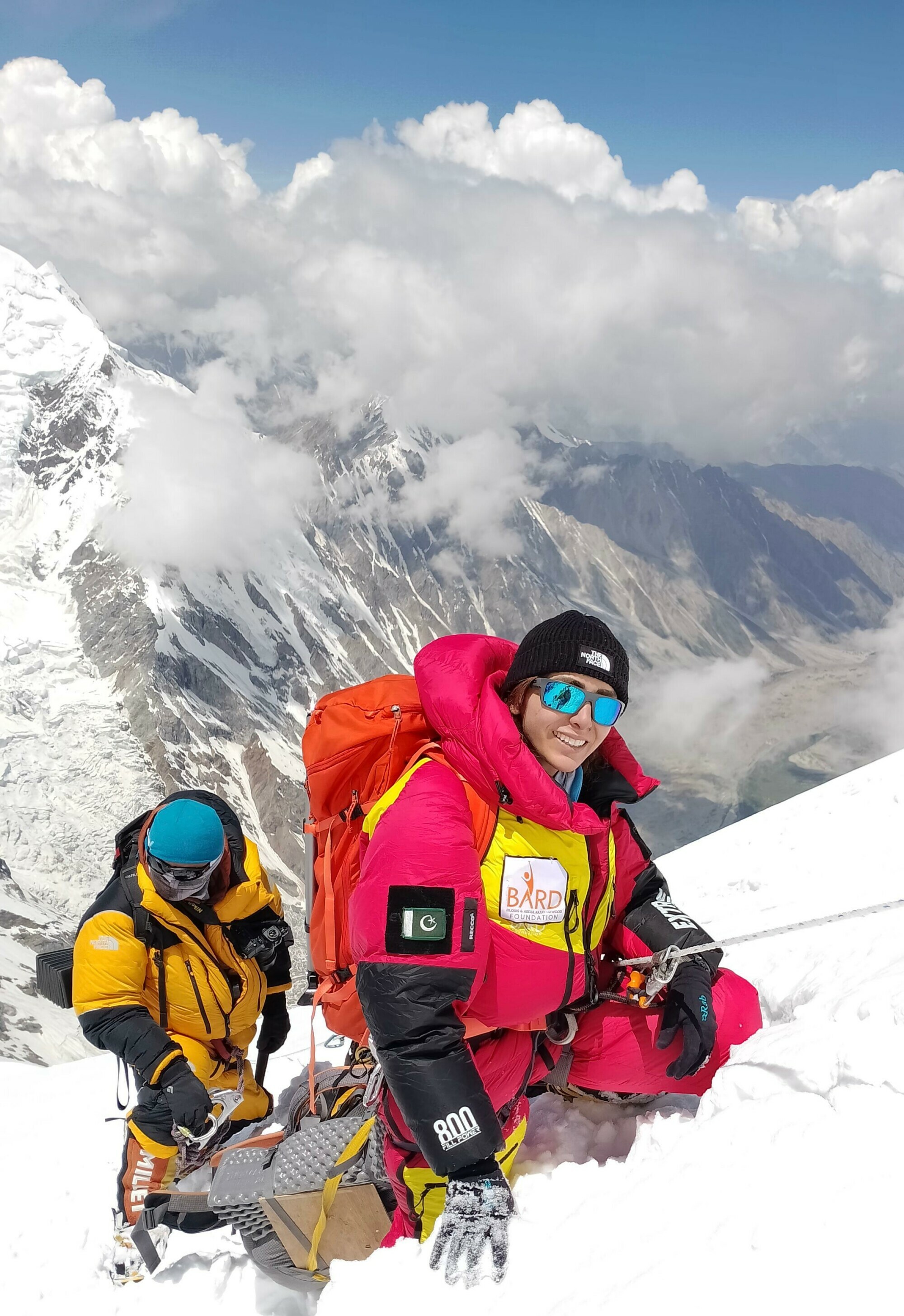
Climbing an 8,000m-high peak is as much a financial challenge as it is a physical one. Kiani climbed Gasherbrum II completely self-funded, but of the 13 peaks she has attempted, she has summited 12, and funded about two and a half herself. The rest have been sponsored by the Bard Foundation, supported by Bilquis and Abdul Razak Dawood.
The cost of a full expedition can range from $20,000 to $50,000. That is before the cost of gear is factored in. According to Kiani, a high-quality ice axe runs between $200 and $400, mountaineering goggles cost around $250, a summit suit goes for about $1,000, and high-altitude boots alone can cost at least $1,500.
Then there’s the permit fee.
In recent years, the Gilgit-Baltistan government hiked permit fees for foreign climbers. The permit cost to climb K2, for instance, jumped from $1,700 to $5,000 per international climber, a move that drew sharp criticism from the mountaineering community. After court intervention, the fee was reduced to $3,500 in 2025. Permits for other 8,000ers were also brought down to $2,500 for the summer season.
In contrast, Pakistani climbers pay far less. A K2 permit for a Pakistani climber now costs around Rs100,000. They’d have to pay Rs50,000 in the autumn and Rs30,000 in the winter. That’s a large gap, but for many locals, even those fees are a barrier. “The permit and gear pile up the financial burden. So much so that many skilled climbers in Pakistan never get the chance to go for the peaks,” Kiani said regretfully.
Some alpinists, however, defend the higher costs, suggesting they help protect the environment and deter casual climbers. Though Kiani gets the idea in essence, she said, “Pakistan isn’t Nepal. We need more tourism, not less.”
Instead of raising prices, she believes Pakistan should enforce better systems, such as requiring climbers to bring down their waste, like they do in China. “Mountain communities here rely on tourism. If you limit access without offering alternatives, you’re hurting people’s livelihoods,” she added.
Kiani is candid about the state of support services for high-altitude climbers in Pakistan. “Most of our porters are brave and incredibly strong — but they’re under-equipped and untrained. We don’t have a single certified mountain guide in the country.”
She added that they’re not trained in rescue techniques or even basic first aid. “Most don’t speak much English either, which limits their interaction with international climbers,” she said. In stark contrast, “Nepali Sherpas are a different league. They’re professionally certified, rigorously trained, and can earn up to $10,000 a season. In comparison, a Pakistani porter might earn just $2,000 a year,” she explained.
For this reason, most high-altitude climbers on expeditions in Pakistan come through well-established logistics firms from Nepal or other western countries that provide certified guides, rescue coordination, and technical support.
Pakistan’s mountaineering ecosystem, in comparison, is deeply connected to the military. From rescue operations and helicopter support to NOCs, much of it runs through the army.
Kiani acknowledged the Pakistan Army’s role in revising its helicopter evacuation policy. Previously, a round trip to K2 required two helicopters and cost around $26,000, but now, a single helicopter now handles the rescue, reducing the cost significantly to $9,900.
The route to the mountains
Soft-spoken and petite, Kiani is quite at odds with what many might expect from a high-altitude climber. While her background in boxing has helped with stamina and strength, she admits that training while living in Dubai isn’t always practical. She works out at a gym with a trainer, mostly focusing on strength, resistance work, and Zone 2 cardio. “Honestly, I need someone to push me, or I lose motivation,” she said.
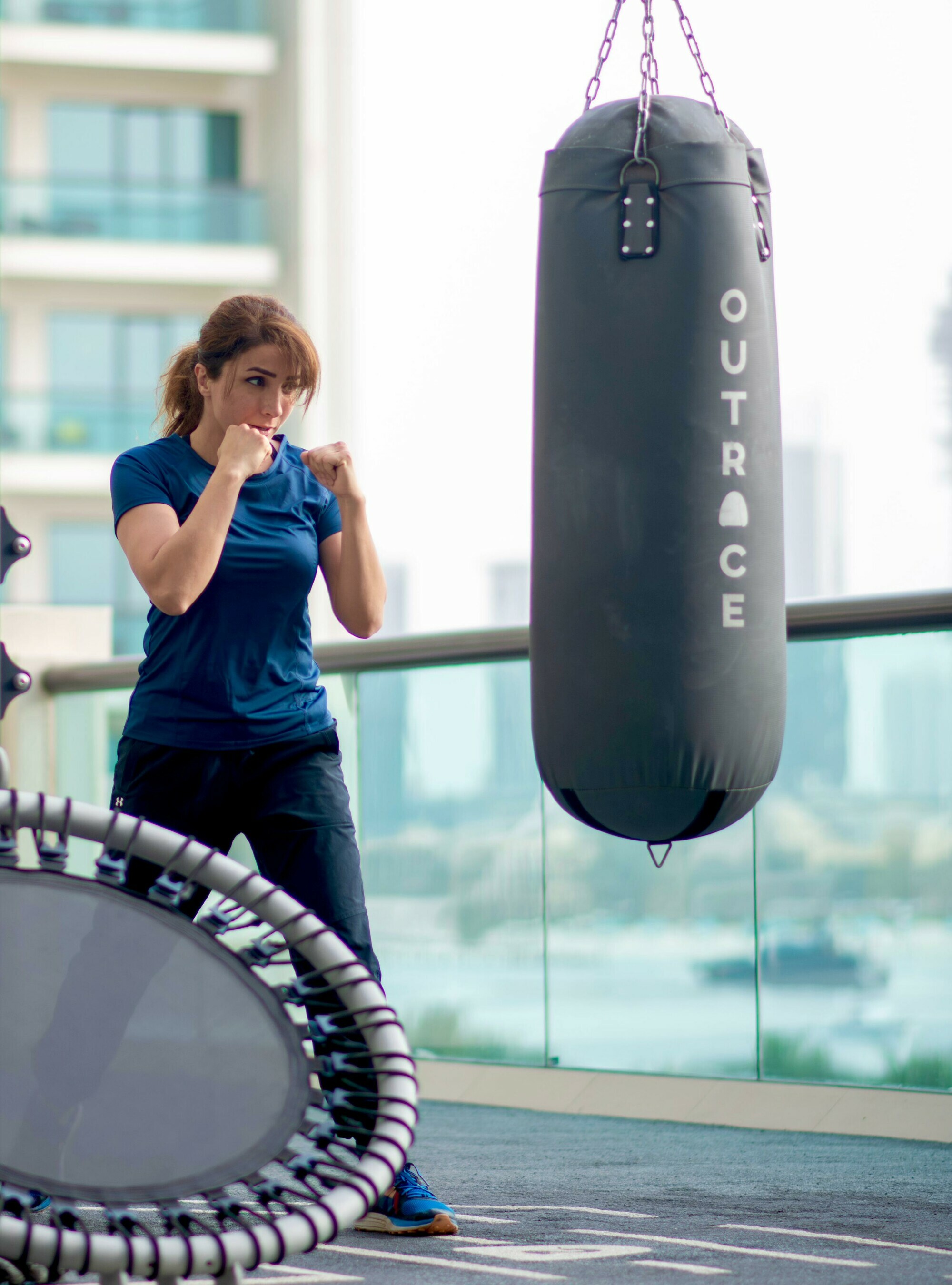
Though hiking is an ideal form of exercise before the start of any expedition, she finds it hard to manage juggling being a parent and working. “Even getting to hiking spots like Ras Al Khaimah or Fujairah in the UAE takes the whole day. So I usually try to fit in proper hikes closer to the actual expedition.”
She’s careful, not rigid, with her diet. She avoids oily, spicy meals and follows a rough 80/20 approach, mostly eating clean with the occasional cheat meal. Before a climb, she tries to put on a little weight, knowing she’ll lose some during the expedition.
When packing for an expedition, aside from all the essential gear, there’s one thing Kiani never forgets — a tweezer. “I always pack a tweezer,” she laughed. “It’s such a Pakistani thing. We love our brows! I don’t think most foreign climbers care about that stuff. We do!”
And sometimes, there’s lipstick too. “I wore it on Gasherbrum II, even K2. Just for the summit photos.”
She recalled a Spanish climber, Stefi Troguet, known for her signature red lipstick on every ascent.
But Kiani was quick to add that looks are far from a priority on most climbs. “Some peaks are so brutal, it’s pure survival mode. You’re not thinking about your looks. You’re thinking about making it down alive.”
Sometimes, she said, high-altitude climbing feels surreal, especially “when we’re above the clouds, suspended between earth and sky”. Once, she noticed a distant glow on a far-off mountain and mistook it for a climber’s headlamp. “But it kept getting brighter…and kept rising. That’s when it hit me and my fellow climbers that we were looking down at the moon.”
That moment, filled with awe and disbelief, has stayed with her. It’s experiences like these, she said, that are quietly transformative. “In that stillness, under the bright blue sky, I feel deep gratitude for my life, my loved ones, and the beauty of our world.”
She plans to climb Shishapangma and Dhaulagiri I, located in Nepal, next year — her final step toward completing all 14 8,000m-high peaks. If successful, she will become the world’s 17th woman to achieve this extraordinary feat.
Comments