
Activists, civil society mourn trans lives lost to violence, isolation, and neglect
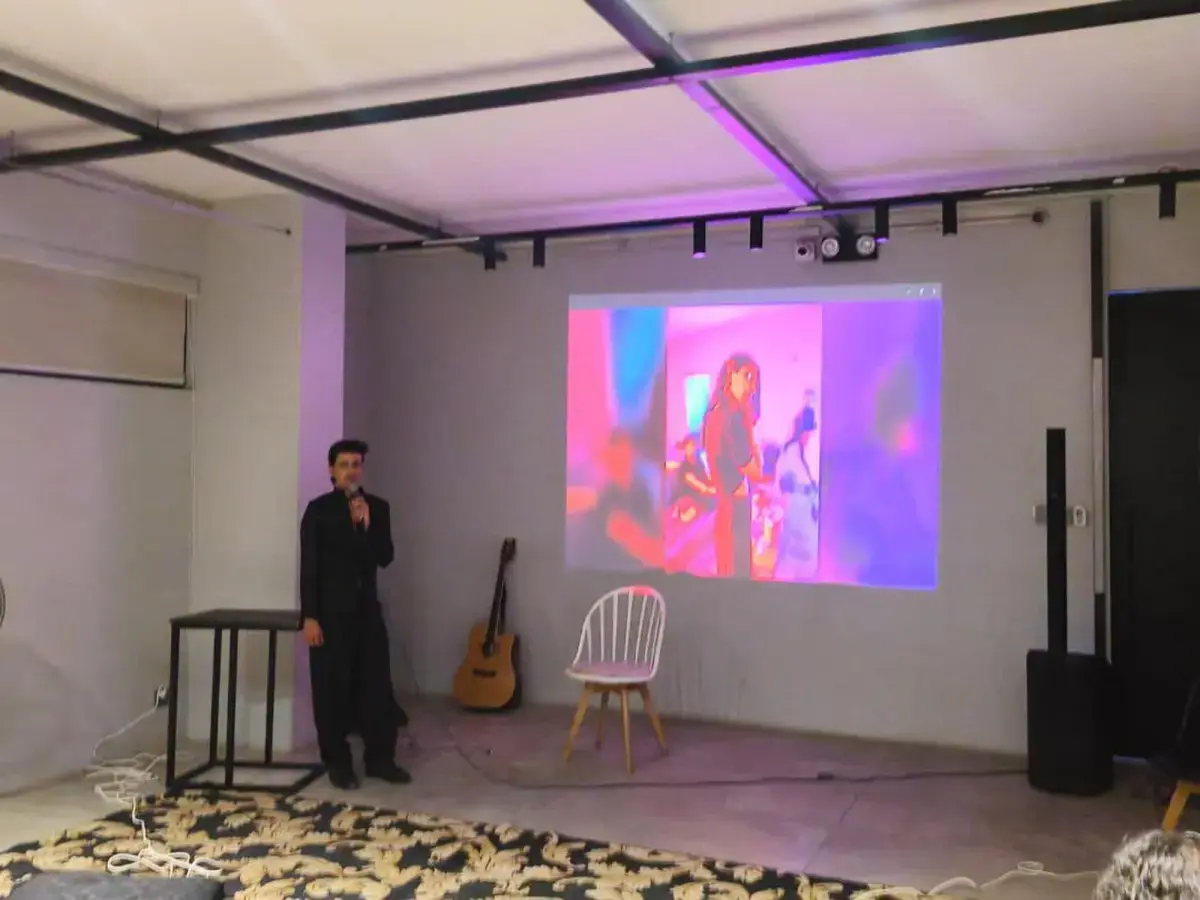
Grief hung heavy in the air as people gathered in Karachi on Sunday evening to remember the stories of trans lives lost to medical negligence, isolation and violence in Pakistan.
Organised jointly by the Gender Interactive Alliance, an organisation working for transgender rights in Pakistan and the Trans Masc Alliance, whose focus is on the rights of trans men and trans masculine gender non-conforming people, the event brought together activists, civil society, and members of the Khwaja Sira community to honour the lives of deceased trans people, marking the Trans Day of Remembrance observed on November 20 across the world.
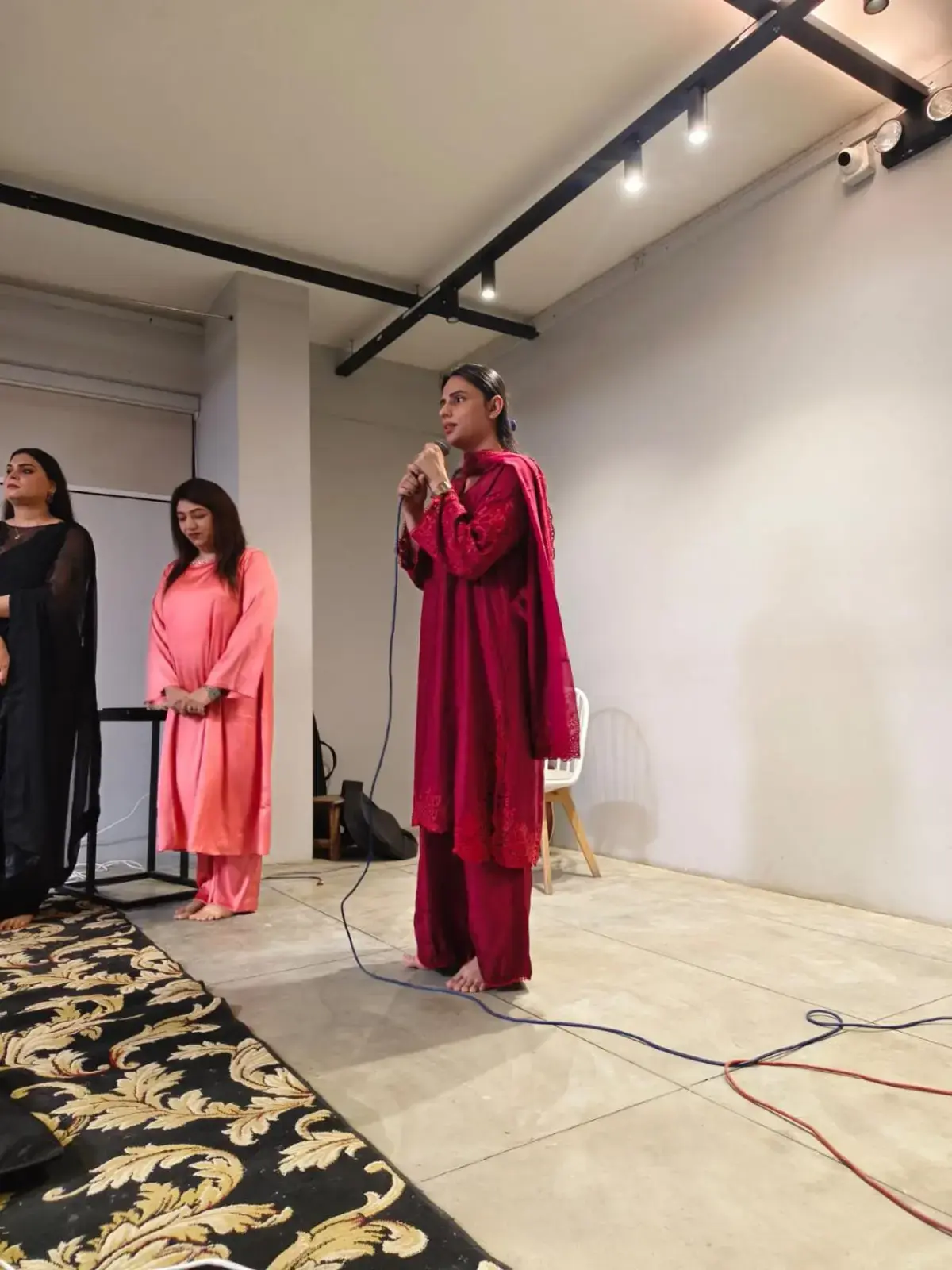
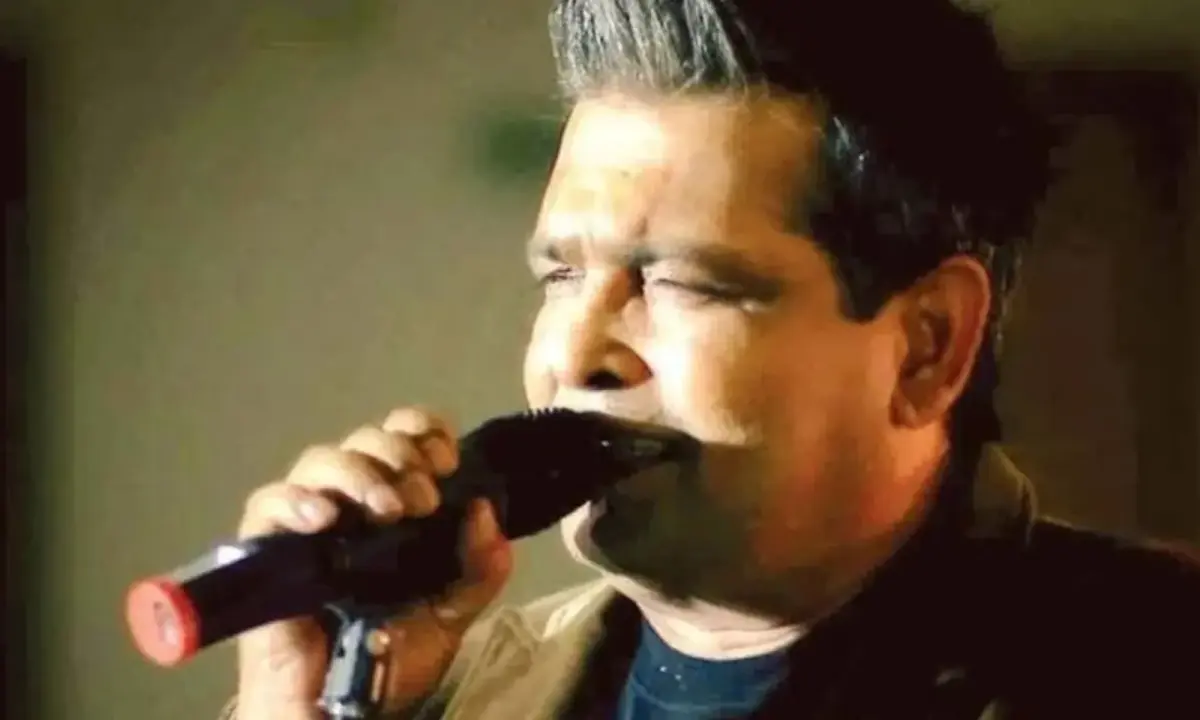
Among the lives remembered and celebrated was Chanda who died due to medical neglect from HIV complications; Rehan, a trans woman found allegedly murdered in Islamabad in September; Khursand Bayar Ali — a theatre aficionado and a human rights activist who passed away at 34 years of age from renal failure; Naseebo Jan, a trailblazer for HIV activism in Pakistan; Deen, whose family could not bring themselves to accept her gender identity; 24-year-old Abeeha Rizvi, with her unmatched thrifting skills and radiant energy who died by suicide in October last year; and the famed Mazhar Anjum — one of the first transgender politicians in the country.
“This day is celebrated for those who are no longer with us — not necessarily due to murder or violence — but mental health issues and neglect. We sit here together to remember each other and our struggles,” said activist Zehrish Khanzadi from GIA in her opening remarks, setting the tone for the evening.
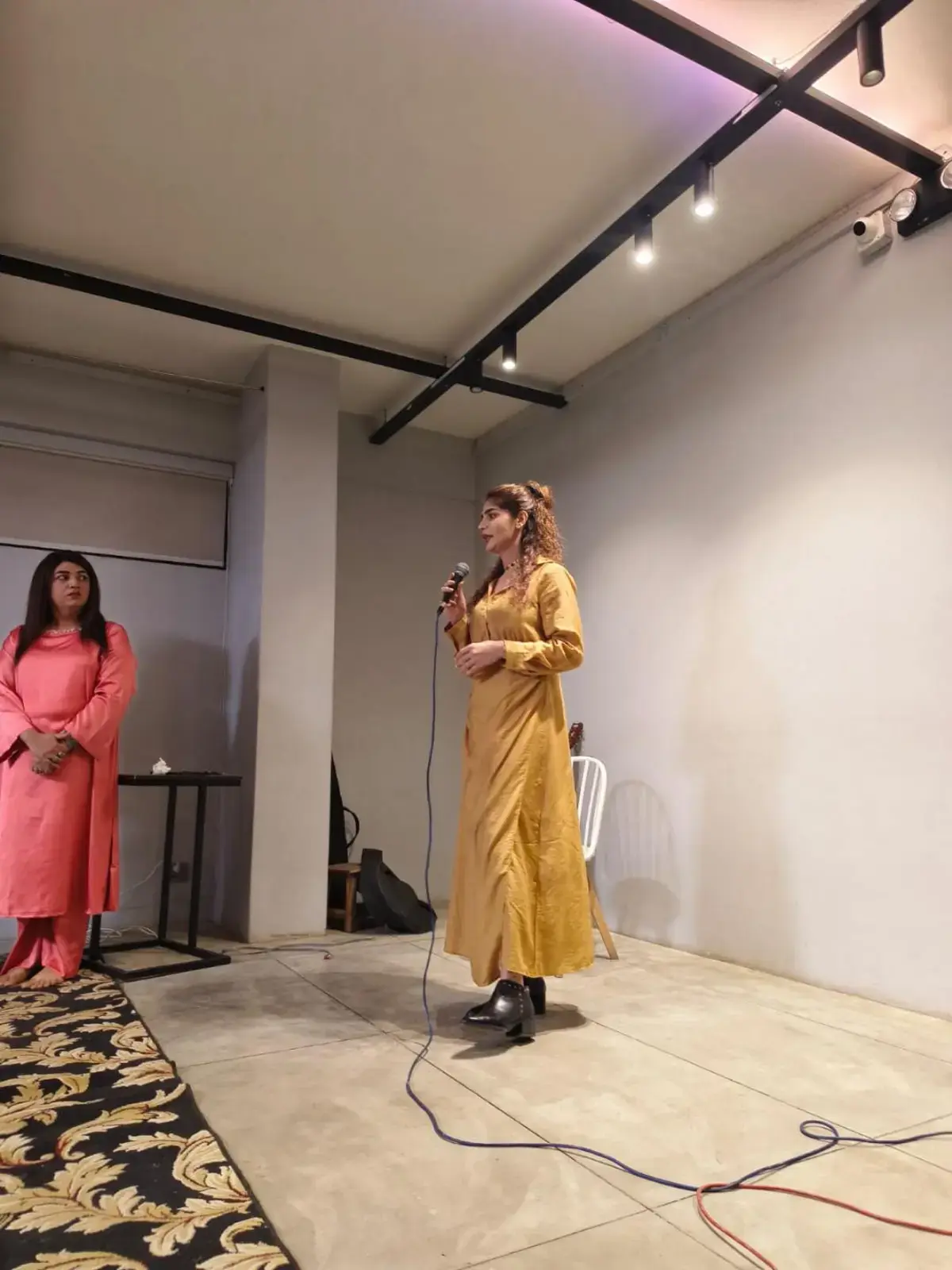
Shahzadi Rai, a member of the Karachi Metropolitan Corporation (KMC) City Council who is also associated with GIA, said Trans Day of Remembrance was a strange day for her.
“It is a recall of sorts. I have seen so many deaths working on violence and HIV, and the conditions (we live in) have gotten worse over the years,” she said, citing a lack of interest on the part of Sindh’s authorities regarding the community’s issues. Rai also stressed the need to strengthen internal support systems so the community can present a united front against those trying to tear it down.
Cast out but not ‘devoid of hope’
According to the World Health Organisation, transgender people are around 13 times more likely to be HIV-positive than other adults of reproductive age and face low rates of access to health services due to a range of issues including violence, legal barriers, stigma and discrimination.
Environmentalist and social activist Zulfikar Ali Bhutto Jr, who advocates for the rights of people with HIV, explained at the event that he worked mainly with children living with HIV and said, “These children are viewed suspiciously … It is a perverse society, and if children are facing this kind of prejudice, stigma, and scrutiny, I cannot imagine the stigma the trans community faces daily in health facilities.”
Bhutto added that it was our responsibility to educate each other and destigmatise the conversation around HIV.
Meanwhile, for Rayhan Muqadam Khan, co-founder of the Trans Masc Alliance, a feeling of isolation came creeping up when he realised he was trans in 2019.
“I started the Trans Masc Alliance to fight the isolation that came with my transition,” he said, vowing that he aimed to create awareness for trans men through his platform as well as work towards providing financial inclusion opportunities for them.
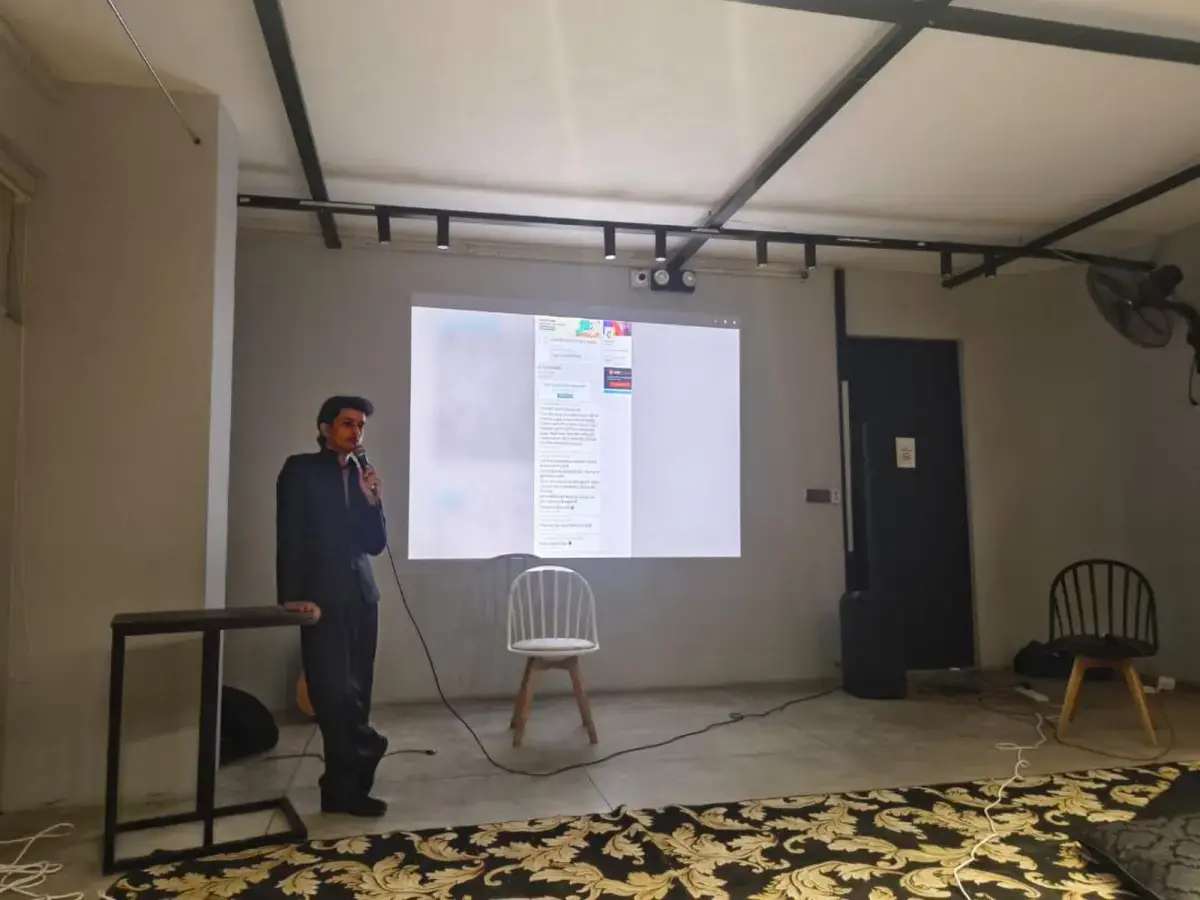
As the evening came to a close, a participant remarked: “As a trans person, existence often becomes hopeless … However, existence is dreadful but not devoid of hope. It is sliced, diced, mashed, ground up and poured into us and we have to take that into us on our journey.”



Comments