

SHC directs Sindh censors to 'reconsider' decision barring screenings of Ghost School
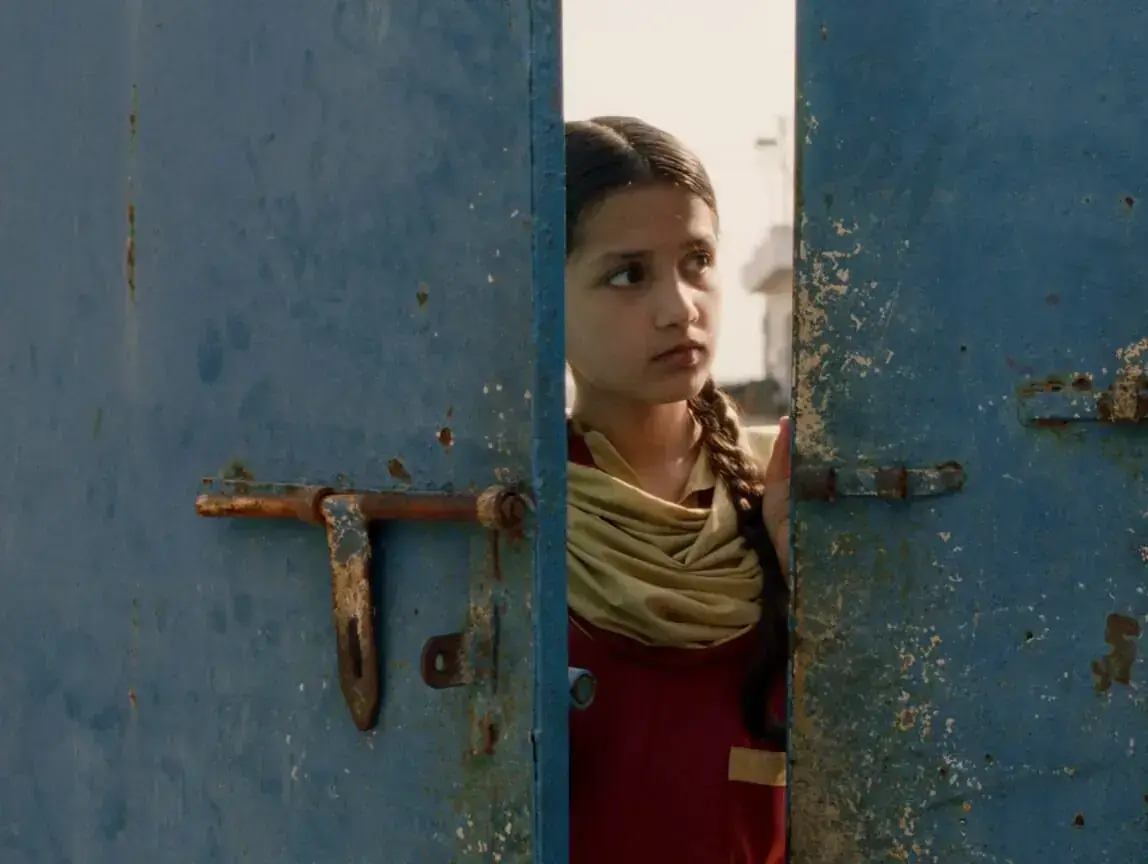
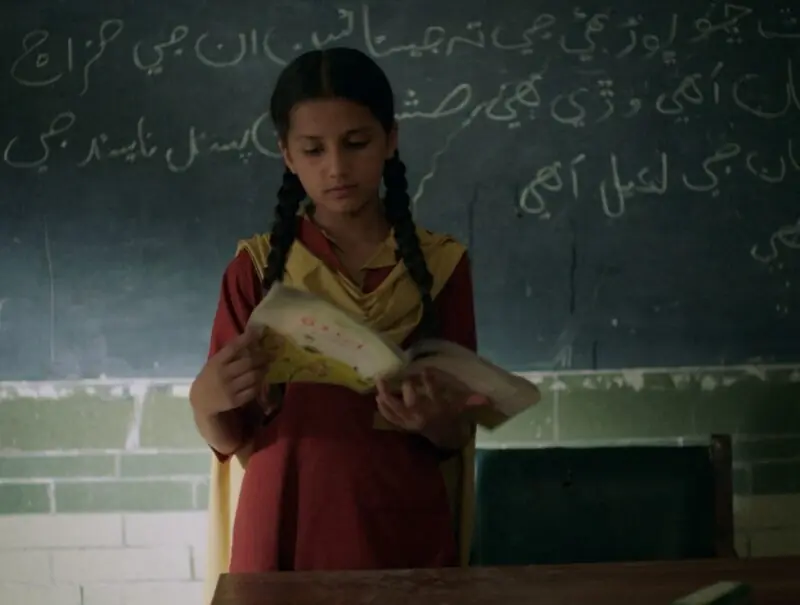
The Sindh High Court on Friday directed the Sindh Board of Film Censors to decide afresh after affording an opportunity of hearing to parties concerned on an application seeking permission for screening of film on ‘ghost schools’ in the province.
A two-judge SHC Constitutional Bench headed by Justice Adnan-ul-Karim Memon also said that the application of filmmakers be adjudicated through a speaking order by the board without being prejudiced by its previous rejection order.
Citing the province of Sindh through secretary culture, tourism, antiquities & archives department and Sindh Board of Film Censors through its secretary as respondents, British-Pakistani filmmaker Seemab Gul along with one of associate producers Muhammad Yousuf Rehman has petitioned the SHC impugning a decision of the Sindh Board of Film Censors for refusing to grant a censor certificate for screening of the film in Sindh.
At the outset of the hearing on Friday, the board’s secretary turned up, but remained reluctant to disclose any information behind dismissal of the petitioners’ application.
British-Pakistani filmmaker had moved court against board’s refusal to grant permission to release the movie in Sindh
Mirza Moiz Baig, the counsel for the petitioners, argued that the board had already allowed the film’s public exhibition and it could only be screened within the limits of Karachi’s cantonment areas since the board has blocked the film’s release in the province.
The secretary asserted that he could not be in a position to disclose in court any information about the impugned decision.
At this juncture, the judges expressed displeasure over the secretary’s act of concealing facts from the court and not giving a satisfactory response. They warned that chairman of board could be summoned to court.
The secretary also contended that he was not concealing anything, but seeking more time to file his reply. However, he was not able to offer any cogent answer about banning the film.
After hearing both sides, the bench directed the board to decide the application of the petitioners afresh through a speaking order after hearing them within 15 days without being prejudiced by the previous rejection order.
Earlier, the petitioners had argued that the Ghost School was a critically acclaimed movie calling attention to the subject issue and that the movie had already bagged the ‘best director’ award for the film at the UK Asian Film Festival while it has debuted at the Toronto International Film Festival where it was nominated in the ‘best film’ category.
They further argued that the film was also screened at the Red Sea Film Festival in Jeddah earlier this year and earned critical praise and an honourable mention at the Indian Film Festival of Los Angeles for its “exceptional social realism and restrained storytelling”.
They further maintained that the impugned decision of board was untenable since the Section 6 of the Sindh Motion Pictures Act, 2011 only allowed it to refuse a censor certificate in cases where a movie was “prejudicial to the glory of Islam or the integrity, security or defence of Pakistan or any part thereof, friendly relations with foreign states, public order, decency or morality or amounts to the commission of, or incitement to, an offence.”
The petitioners asserted that under the Rule 16(2)(h) of the Sindh Censorship of Film Rules, 2014, there was no embargo on the film being released in the province of Sindh while prior to issuance of impugned decision, no show-cause notice had ever been given to the petitioners and they were condemned unheard.
Originally published in Dawn, August 22nd, 2026







Comments