
We're currently in the golden quarter of Pakistani dramas
Pakistani drama audiences are in unfamiliar territory. After years of lamenting formulaic scripts and searching for just one or two worthwhile dramas to watch, viewers are suddenly spoiled for choice. Keeping up with the latest episodes has become a challenge in itself, with conversations spilling over from television screens to YouTube reviews, X, Facebook and family WhatsApp groups.
For once, the problem isn’t finding something worth watching — it’s finding the time to keep up with everything.
2026 began on a promising note. Dramas such as Pamaal, Case No. 9, Muamma, Kafeel, Sharpasand and Ghulam Badshah Sundari gave audiences enough reason to stay invested in Pakistani TV. While each catered to a different audience, together they reflected a welcome willingness to experiment with genre, blending suspense, family conflict, social commentary and character-driven narratives.
They laid the foundation for what has turned out to be one of the strongest television seasons in recent years.
The second quarter of 2026, however, has truly transformed the viewing landscape. What makes this moment feel genuinely special is not just the quantity of good dramas on offer, but the range. Whether you prefer romance, family drama, mystery, social commentary, political intrigue or light-hearted entertainment, there is something on Pakistani television right now that feels made for you.
Zanjeerain, Sirf Shabana, Dr Bahu, Shaidai, Winter Love, Bas Tera Saath Ho, Leader, Humrahi and Aik Mohabbat Aur have each carved out loyal followings, while Raja London Ka has further expanded the range of stories on offer. Not every drama has been equally successful, but together they represent a television industry that appears more confident, more ambitious and far more varied than it has been in years.
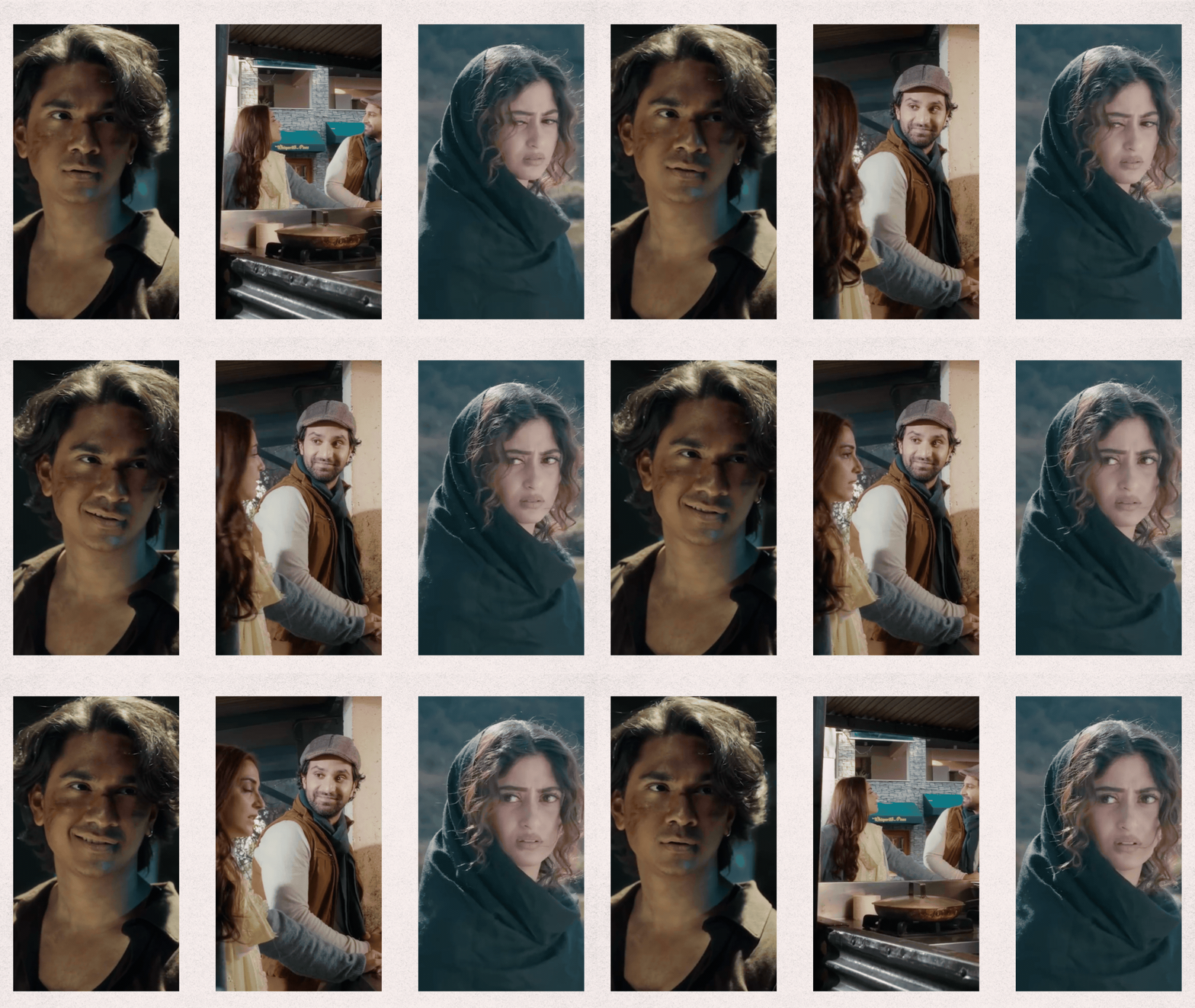
If one drama has dominated conversations this season, it’s undoubtedly Zanjeerain. The HUM TV show marks the much-anticipated reunion of writer Farhat Ishtiaq, director Shahzad Kashmiri and producer Momina Duraid — the team behind Yaqeen Ka Safar — and naturally, expectations were high.
Set against the breathtaking landscapes of Kalabagh, the Galiyat and Shergarh, the story unfolds through feudal rivalries, fractured family ties and long-buried secrets, with each revelation steadily raising the stakes. In it, Sajal Aly once again proves why she remains one of Pakistan’s most dependable performers, while Danyal Zafar continues his impressive run with a restrained and convincing portrayal. Ameer Gilani, Ahsan Khan, Sehar Hashmi, Raza Ali Abid and Usman Javed complete a cast that lends emotional weight to the sprawling narrative.
With Kashmiri’s cinematic treatment, Zanjeerain carries the essence of an old-school family saga, yet never feels dated. It’s the kind of drama that keeps viewers counting the days till the next episode.
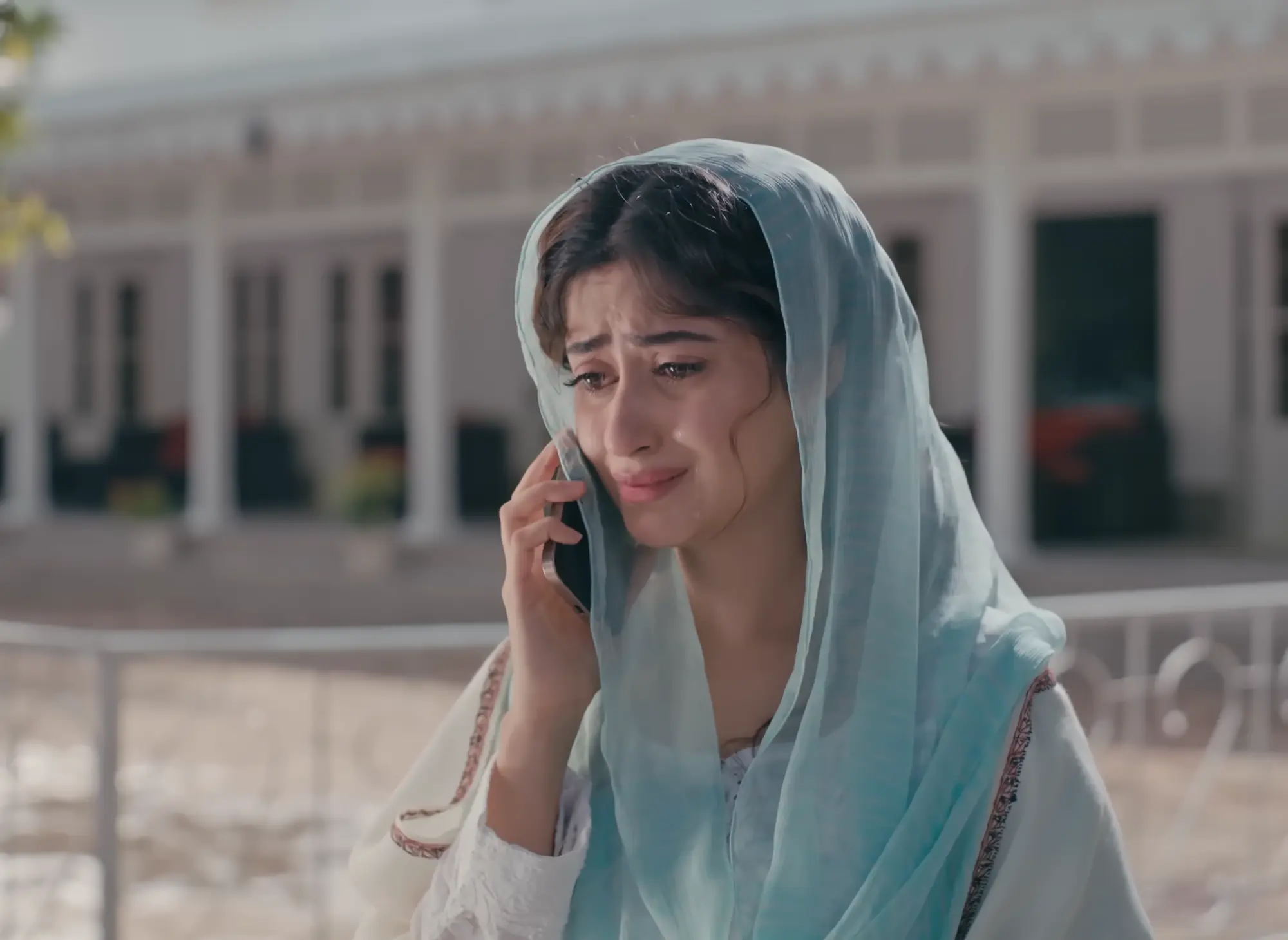
If Zanjeerain represents the season’s prestige offering, Dr Bahu has emerged as its most consistent crowd-puller. Directed by Mehreen Jabbar, the ARY Digital serial takes a familiar joint-family setup and gives it a sharper, more provocative edge.
At its centre is a respected family of doctors whose seemingly progressive image begins to unravel when a newly married doctor — the titular doctor bahu — enters a household where women are quietly expected to sacrifice their ambitions for the sake of family harmony. Much of the drama’s strength lies in its refusal to offer clear heroes or villains; instead, almost every character exists in shades of grey, leaving audiences divided in their judgments.
Week after week, social media has been filled with debate over Dr Shahnawaz, Sania, Salman and Mina, with perspectives constantly shifting as the story evolves. Shahzad Nawaz, in particular, delivers a remarkably grounded performance as Dr Shahnawaz — so convincingly that it is difficult to imagine anyone else in the role. He quietly anchors the narrative and, in many ways, becomes its emotional backbone. Whether viewers agree with its characters or not, Dr Bahu has sustained a level of conversation few dramas manage to maintain beyond their broadcast.
Perhaps the biggest surprise of the season has been Bas Tera Saath Ho. Reuniting writer Saira Raza, director Qasim Ali Mureed and the Six Sigma team behind the blockbuster Mere Humsafar, the drama began without the same level of hype as its competitors. It also carries added emotional significance as the final television work of the critically acclaimed writer Saira Raza, who passed away last year, leaving behind a remarkable body of work that includes Mere Humsafar, Dil Mom Ka Diya, Muhabbat Dhag ki Surat and several other memorable dramas.
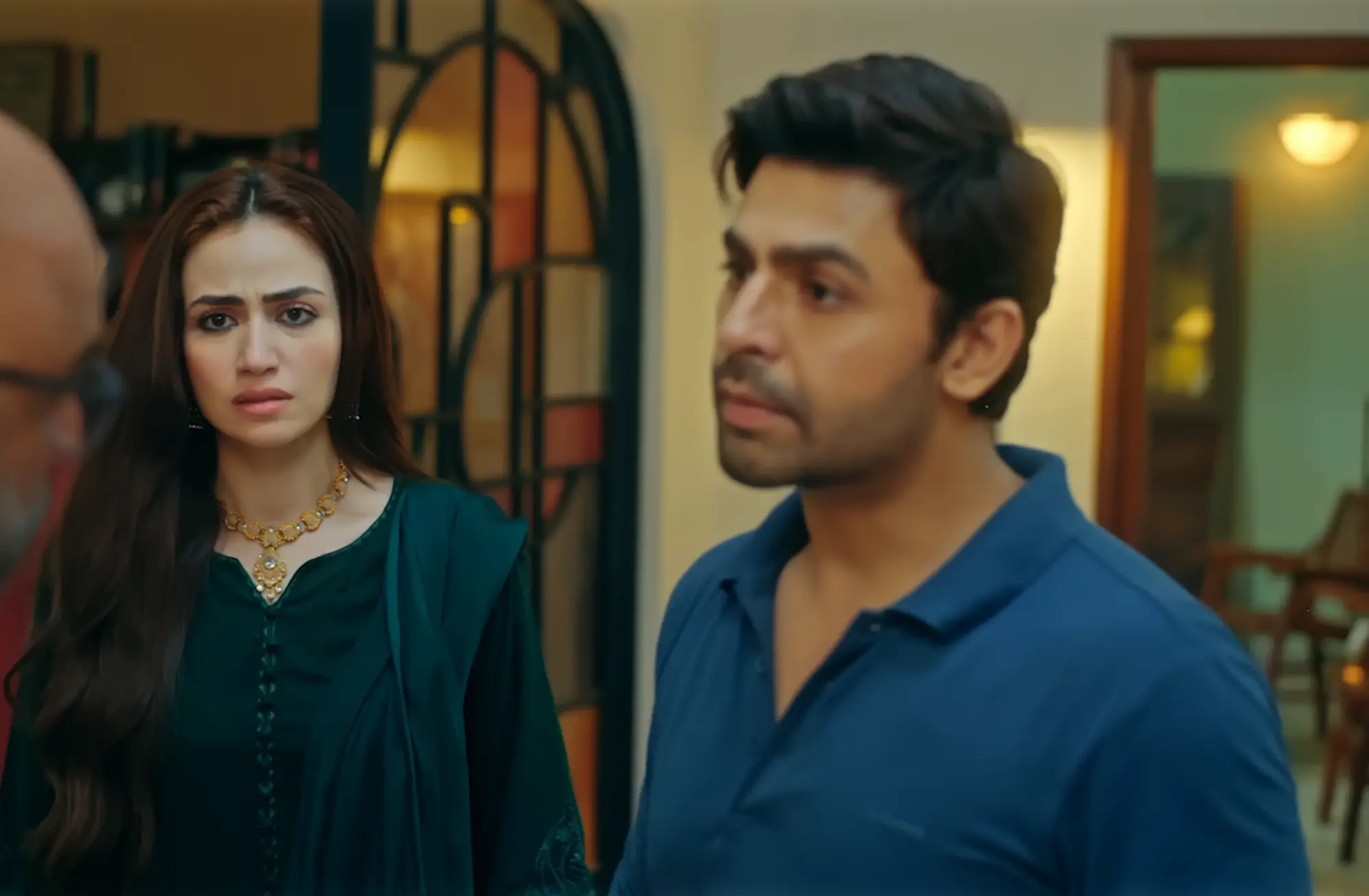
The early episodes of Bas Tera Saath Ho initially appeared to follow familiar family-drama territory, but as the story unfolded, it gradually transformed into one of the most emotionally rewarding serials on air. Built around Anas, a young man shaped by loss and emotional neglect, the drama balances emotional intensity with quieter, more grounded moments.
Farhan Saeed delivers a restrained and natural performance as Anas, while Sana Javed brings quiet warmth and sincerity to Ansa. Supported by Salman Shahid, Shagufta Ejaz, Saba Hamid, Faran Tahir, Haris Waheed and Zoya Nasir, the drama has steadily grown with each passing week. In a season dominated by heightened emotions and larger-than-life arcs, Bas Tera Saath Ho stands out for its simplicity, emotional honesty and grounded storytelling.
If Dr Bahu thrives on moral ambiguity and debate, Sirf Shabana takes a quieter, more introspective route, centring itself on questions of identity and selfhood. The HUM TV drama follows a woman who resists being defined solely through her relationships — as a daughter, sister or wife — and instead attempts to carve out a space for herself as an individual. Led by Sohai Ali Abro, Adeel Hussain and Durab Khalil, the drama leans more on internal conflict than external drama.
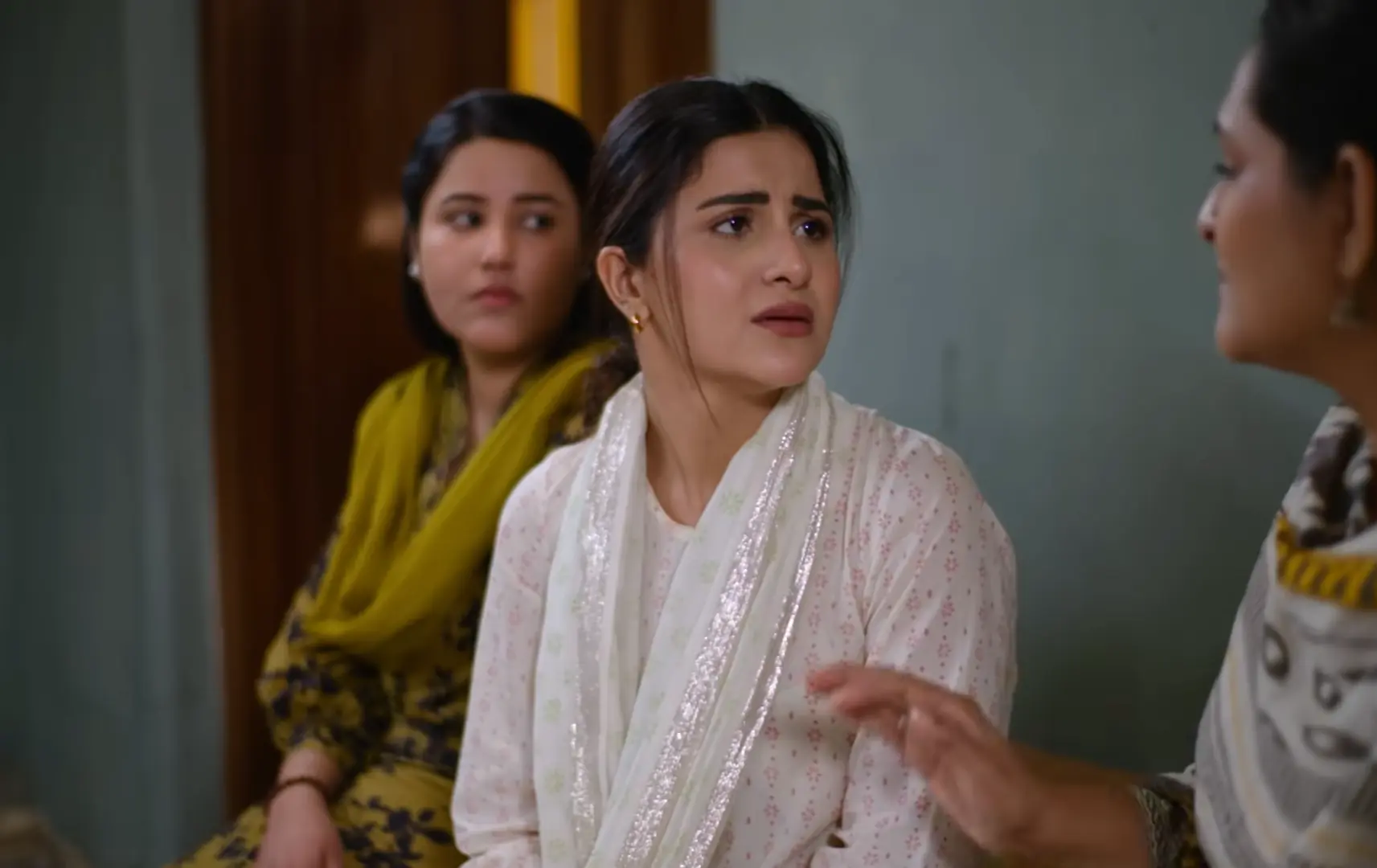
Its strength lies in restraint; rather than stating its themes loudly, it allows them to emerge through moments of frustration, compromise and self-realisation. For viewers seeking something more reflective amid a season of high-intensity storytelling, Sirf Shabana offers a quieter but meaningful shift in tone.
While Sohai Ali Abro anchors the narrative with quiet conviction, it is Durab Khalil who truly shines as Bilal, affectionately known as Bahawala. He delivers a deeply moving performance, bringing honesty, vulnerability and emotional depth to the character, making him one of the drama’s most memorable highlights. The background score accompanying the Hasilpur scenes adds further charm to the drama, beautifully complementing the setting and enhancing the emotional impact of those moments.
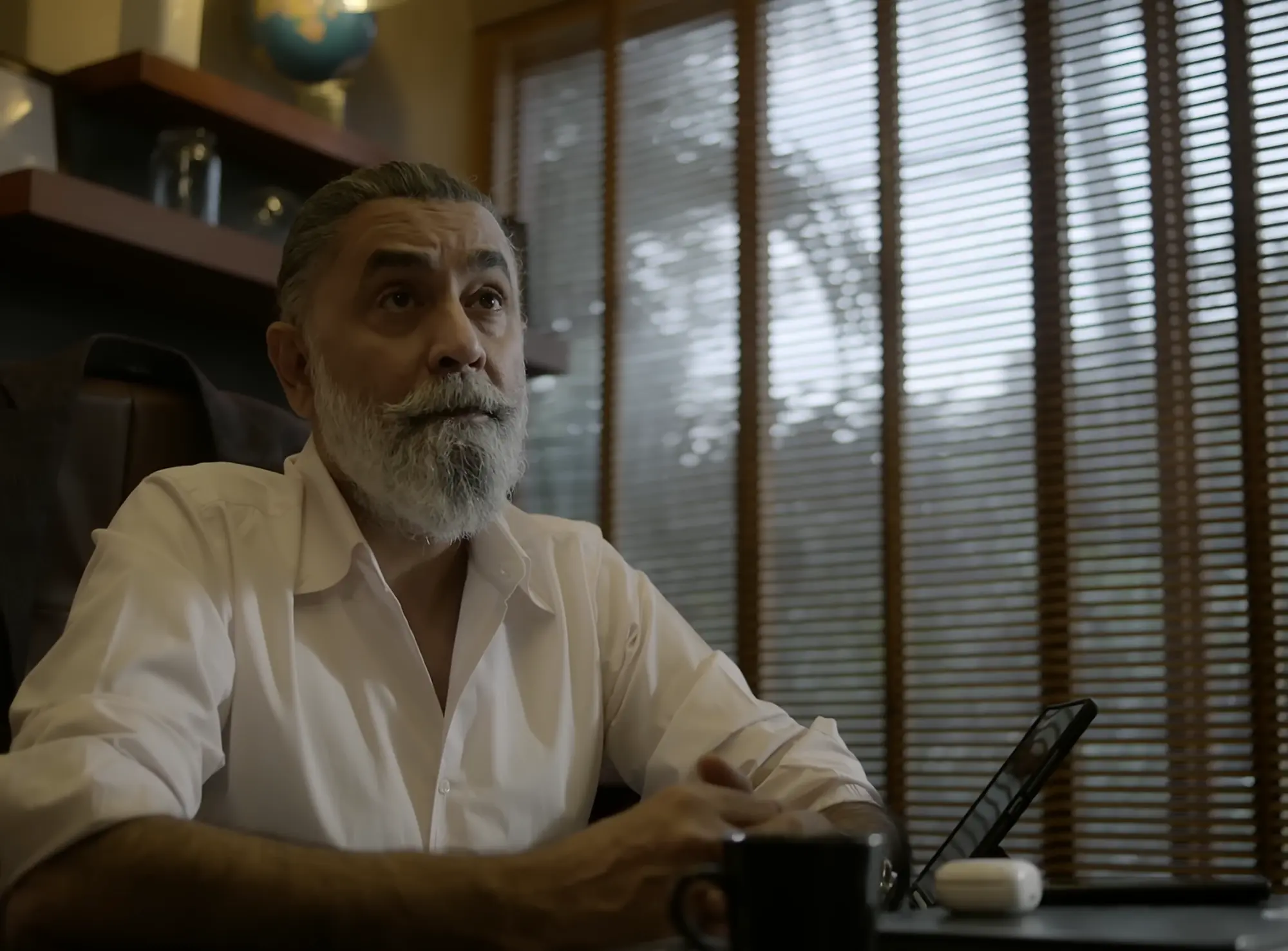
Beyond family dynamics and interpersonal relationships, Leader is among the more ambitious dramas of this season’s lineup, attempting to weave together themes of social division, politics, power struggles and bureaucracy alongside elements of romance, conflict and violence. The HUM TV production, featuring Kinza Hashmi and Ali Raza in lead roles, along with an ensemble cast including Yousuf Bashir Qureshi, Ali Safina and Faran Tahir, positions itself as a blend of social commentary and commercial storytelling.
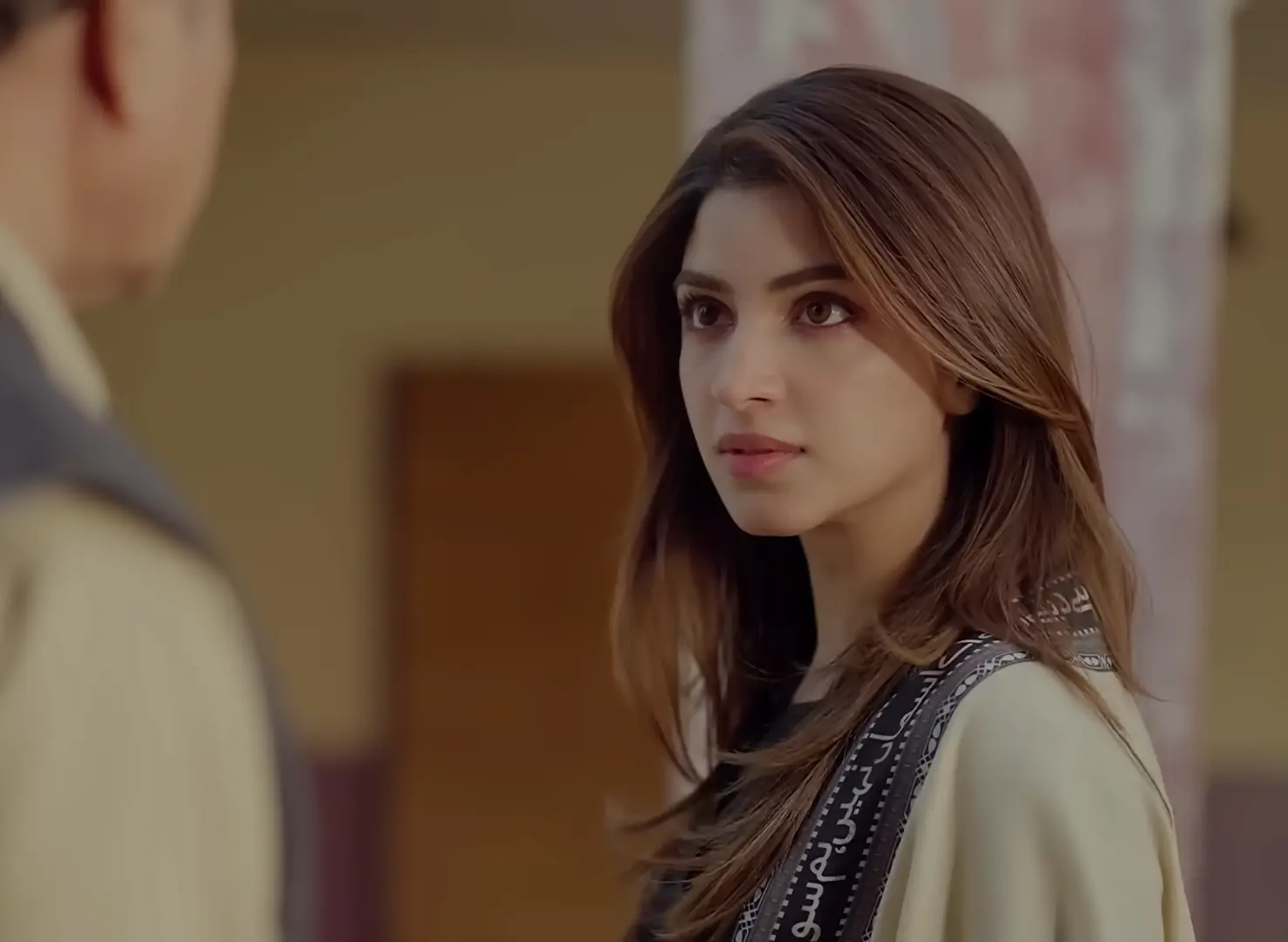
While the narrative occasionally feels overloaded in its attempt to balance multiple tones, the drama remains engaging due to its performances and its willingness to go beyond conventional family or romance-driven formulas. In a season dominated by emotional and domestic narratives, Leader stands out for its ambition — even if that ambition is not always evenly executed.
After a string of emotionally heavy narratives, Winter Love arrives as a deliberate shift in tone. Directed by Danish Nawaz, the HUM TV romantic comedy restores a lighter, more familiar television rhythm built around humour, warmth and gradually developing relationships rather than constant conflict.
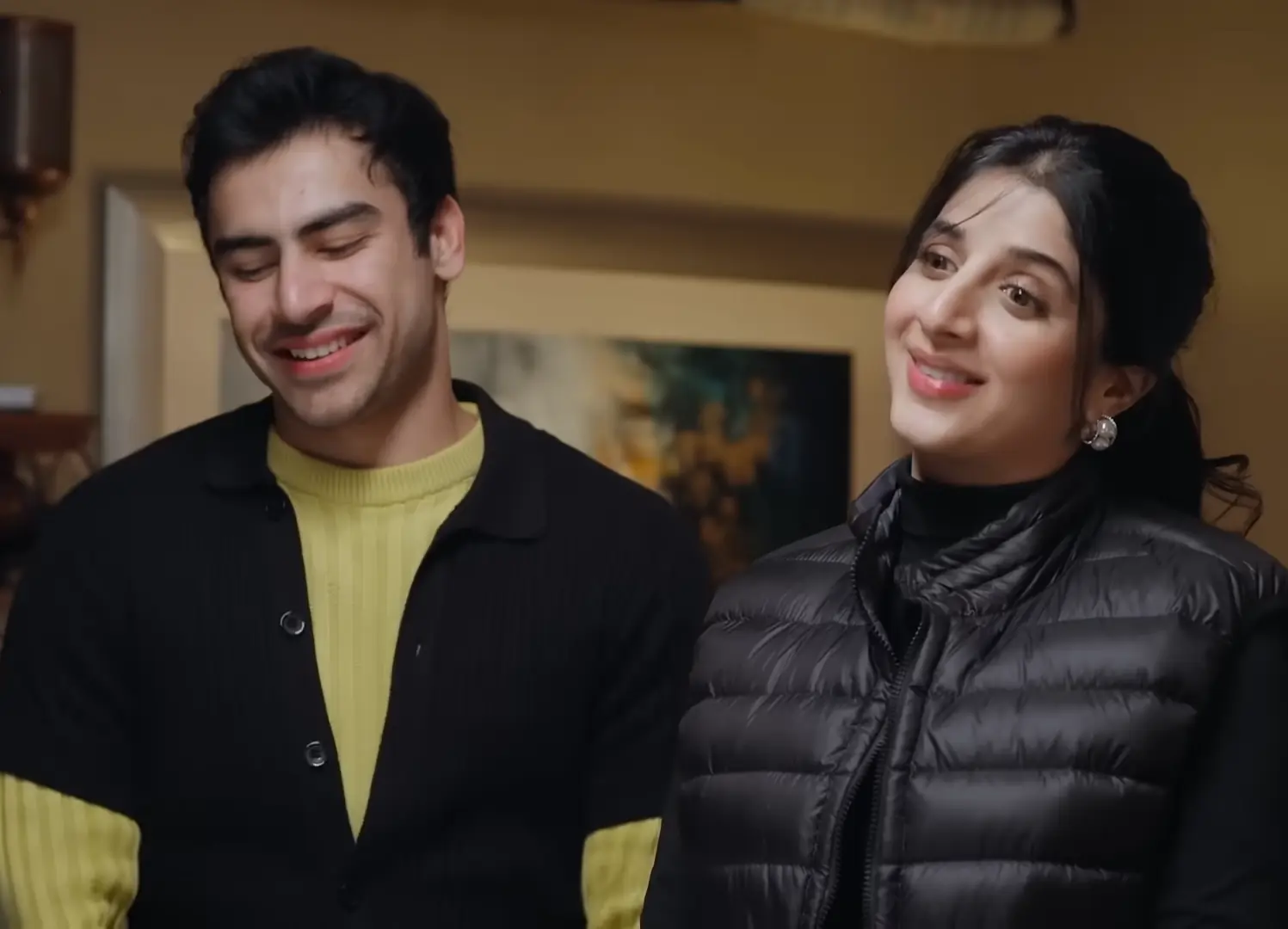
Starring Mawra Hocane and Khushhal Khan, the drama relies on chemistry and comfort rather than high-stakes twists. While the story remains relatively simple, its appeal lies in its ease — it does not attempt to overwhelm the viewer, instead offering a softer viewing experience that feels almost nostalgic in a season otherwise defined by intensity and emotional complexity.
Returning to more traditional romantic territory, Shaidai brings together familiar commercial storytelling elements with the emotional intensity that 7th Sky Entertainment dramas are known for. Produced by Abdullah Kadwani and Asad Qureshi, the drama centres on the intense and testing nature of love, built around Ali Khan, a successful man accustomed to control, and Miral, a fiercely independent woman determined to live life on her own terms.
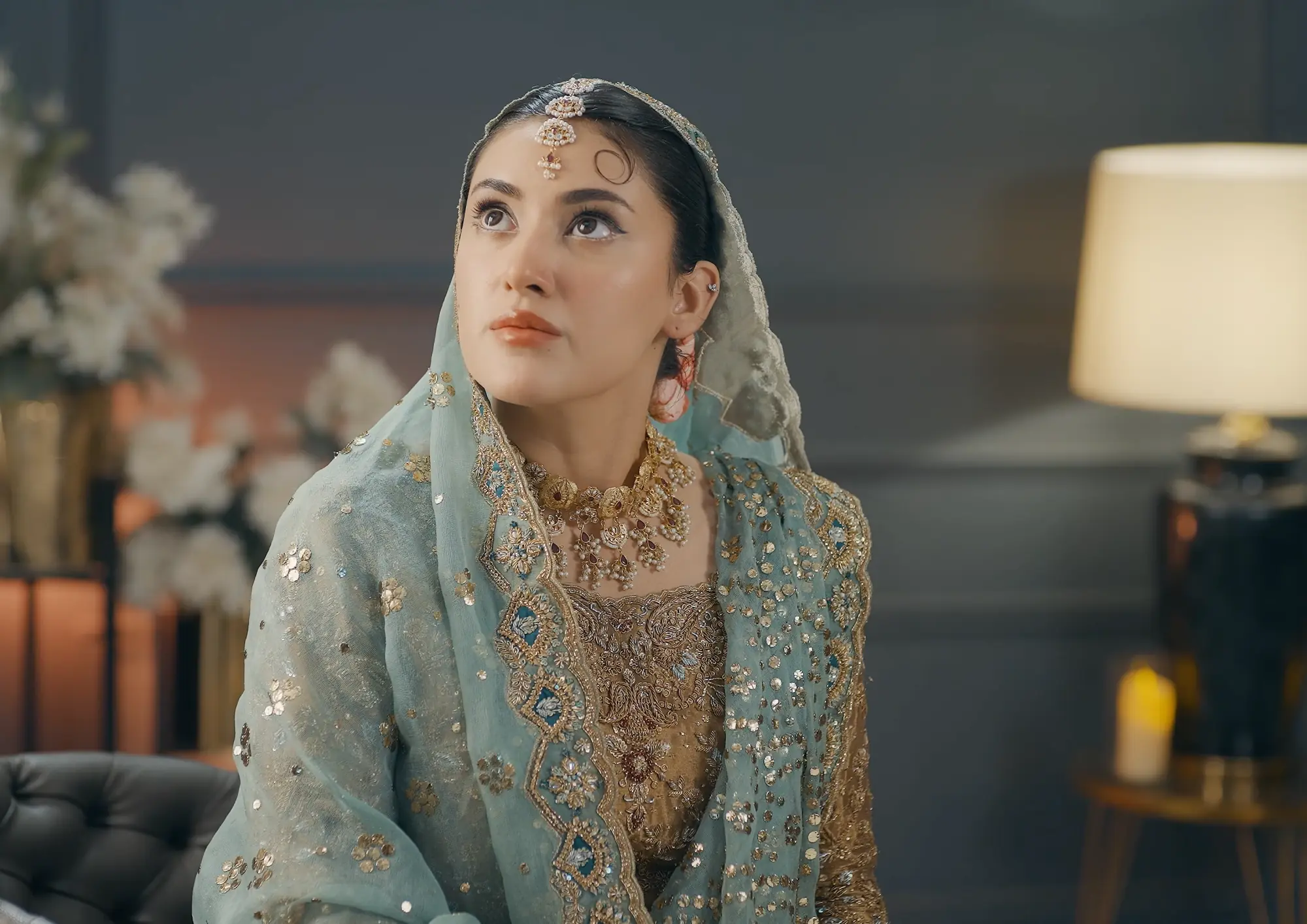
Drawn together by fate, their relationship moves beyond romance into a more complicated emotional terrain shaped by ego, sacrifice and unresolved past grievances. With Feroze Khan and Sehar Hashmi in lead roles, supported by Bushra Ansari, Mehmood Aslam and Nawal Saeed, the drama leans into high-emotion storytelling where love is defined less by ease and more by endurance and transformation.
Another Geo Entertainment drama, Humrahi banks heavily on the on-screen pairing of Hiba Bukhari and Danish Taimoor, a duo that has already proven their popularity with audiences in previous projects. Their pairing once again forms the central attraction, with viewers drawn as much to their chemistry as to the unfolding storyline. Supported by Ayub Khosa, Shahzad Nawaz and Hajra Yamin, the drama follows a conventional emotional framework, focusing on a love story shaped by misunderstandings, emotional distance and sacrifice.
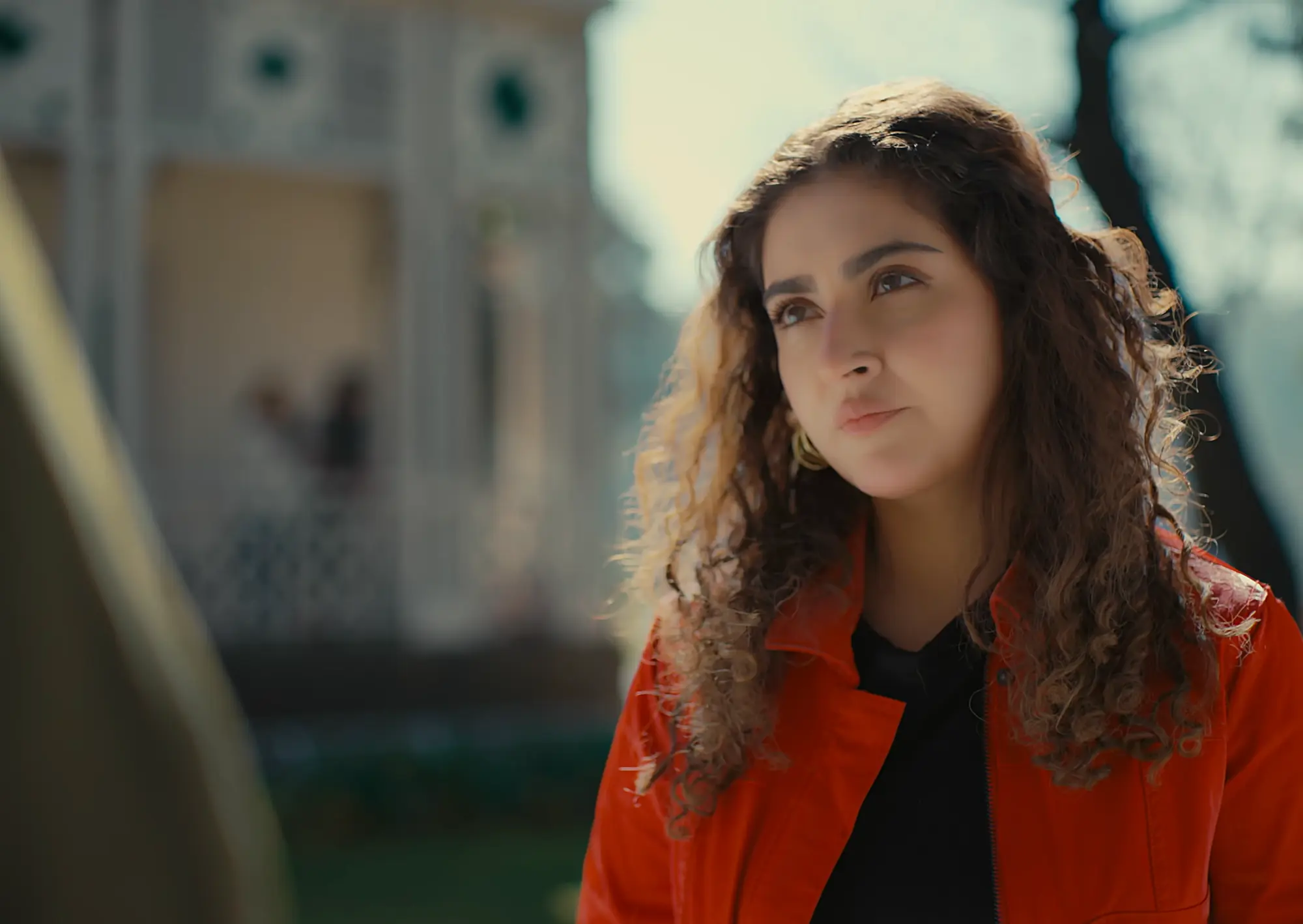
While it does not break new ground, its appeal lies in familiarity and star power, proving once again that the right on-screen pairing can be just as compelling as the story itself.
Romance takes yet another form in Aik Mohabbat Aur, which brings a light, feel-good romantic tone to the season, featuring Ahad Raza Mir as a journalist and Maya Ali as an assistant commissioner. Written by Faiza Iftikhar and directed by Farooq Rind, the drama moves beyond conventional romance to touch on social taboos surrounding marriage, divorce, single parenthood and therapy, placing Maya Ali’s character as a career-driven woman navigating both professional and personal challenges.
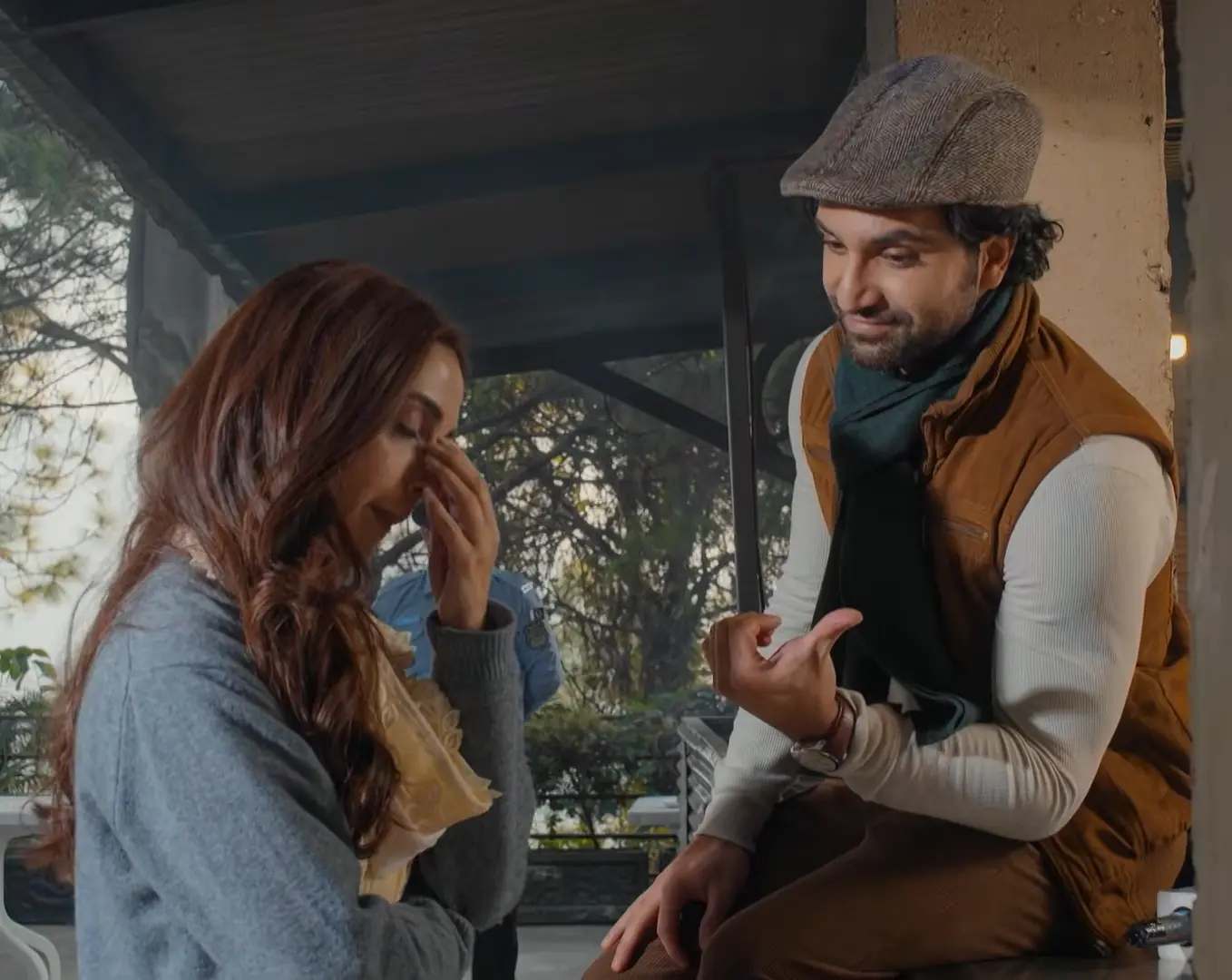
Set against a contemporary urban backdrop, it strikes a balance between light romance and grounded emotional storytelling, leaning into themes of second chances and emotional rediscovery while maintaining an easy, accessible tone.
Finally, Raja London Ka stands out for its cinematic storytelling and visually rich treatment, often resembling a feature film more than a conventional television serial. Built around themes of power, politics and survival, it presents a world where every move has a consequence and control is constantly contested.
The narrative revolves around two men from starkly different worlds — one shaped by the rough, unpredictable life of landa bazaar and the other embedded in the corridors of political authority — creating a constant tension between ambition and control. With Zaviyaar Nauman Ijaz and Samar Jafri stepping into roles that mark a clear departure from their usual screen personas, both deliver more mature, restrained and polished performances that push them beyond their comfort zones.
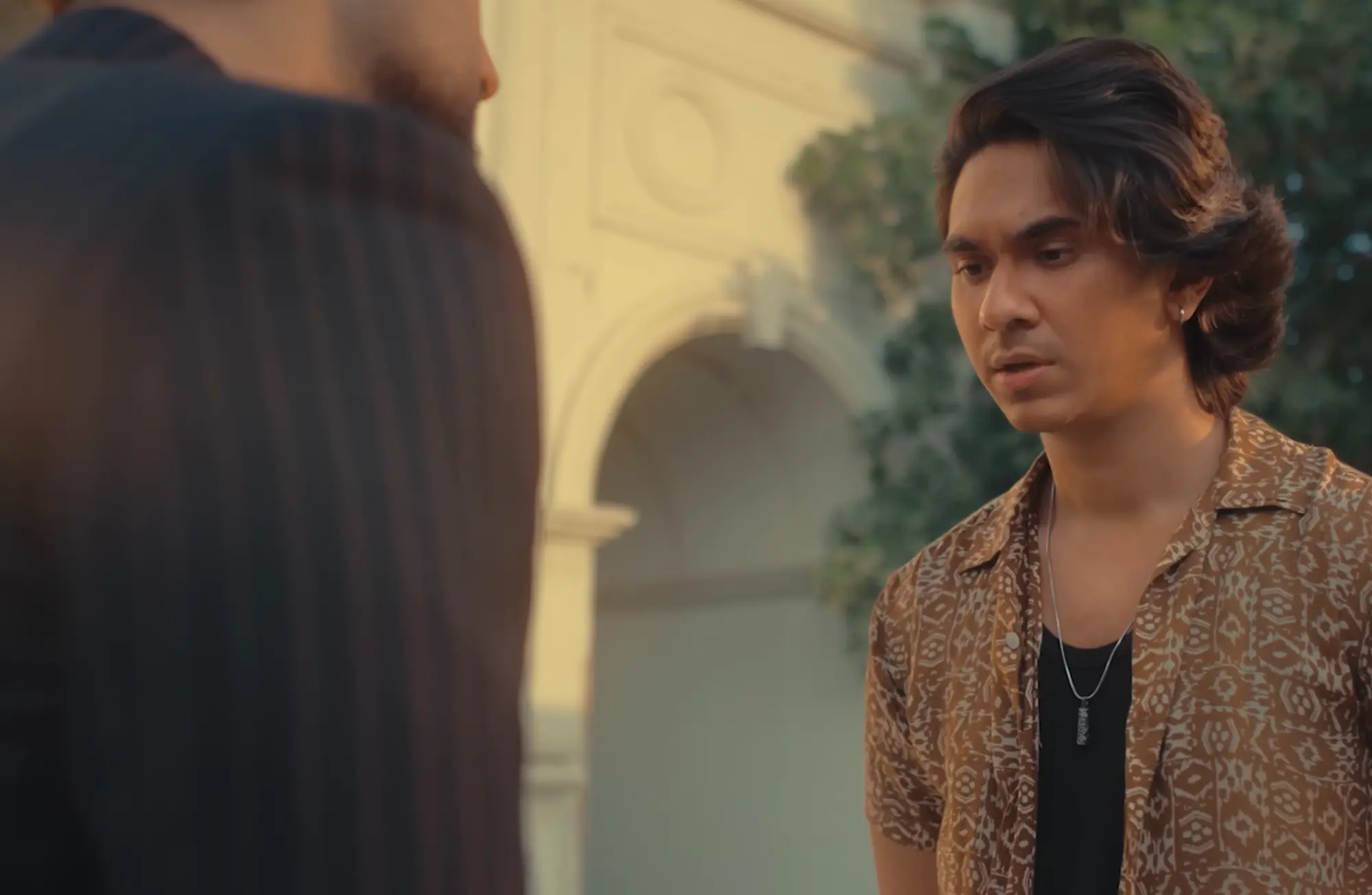
The drama blends thrill, conflict and underlying violence with a stylised sense of scale, positioning itself as a high-stakes story where a throne, a fight and a game of power ensure that every decision changes everything.
Perhaps the most remarkable aspect of this television season is the sheer concentration of star power. Among female leads, Sajal Aly, Mawra Hocane, Maya Ali, Kubra Khan, Hiba Bukhari, Kinza Hashmi, Sohai Ali Abro, Sana Javed, Sehar Hashmi and Hajra Yamin have all appeared prominently on screen, while the male roster includes Ahad Raza Mir, Feroze Khan, Danish Taimoor, Farhan Saeed, Ahsan Khan, Danyal Zafar, Shuja Asad, Ali Raza, Zaviyar Nauman and Adeel Hussain, alongside several other established and emerging names. The result is a season that feels unusually dense, competitive and commercially vibrant.
For viewers, this has created a new kind of dilemma — one of the best kinds of dilemmas. The complaint is no longer a lack of quality content, but the shared excitement of keeping up with too many engaging stories at once — often airing within the same week and dominating online conversations simultaneously. Choosing what to watch, and more importantly, what to discuss in real time, has itself become part of the viewing experience that audiences are clearly enjoying.
Adding to this momentum is the increasing trend of twice-weekly episodes, which has effectively turned television into a near-daily engagement rather than a weekly ritual. From Monday to Sunday, screens are rarely without a new episode or a new development, keeping audiences continuously invested while also adding to the thrill of staying ahead of spoilers on social media.
Seen together, the season also reveals an interesting pattern in how Pakistani television is currently structured: big prestige dramas, socially reflective narratives, experimental storytelling, and commercially-driven romances are all coexisting side by side rather than competing in separate spaces. This clustering has created a layered viewing experience where audiences are not just following individual shows, but navigating entire categories of storytelling at once.
Whether this level of output is sustainable remains to be seen. But for now, Pakistani television finds itself in a rare and welcome position: not struggling for attention, but competing within abundance. For audiences, that means something they have long hoped for — an active, diverse and unpredictable landscape where the hardest question is no longer what to watch, but what to choose first.
Comments