
Sanam Saeed says Pakistanis need to claim their place in the world and she's ready to help them do it


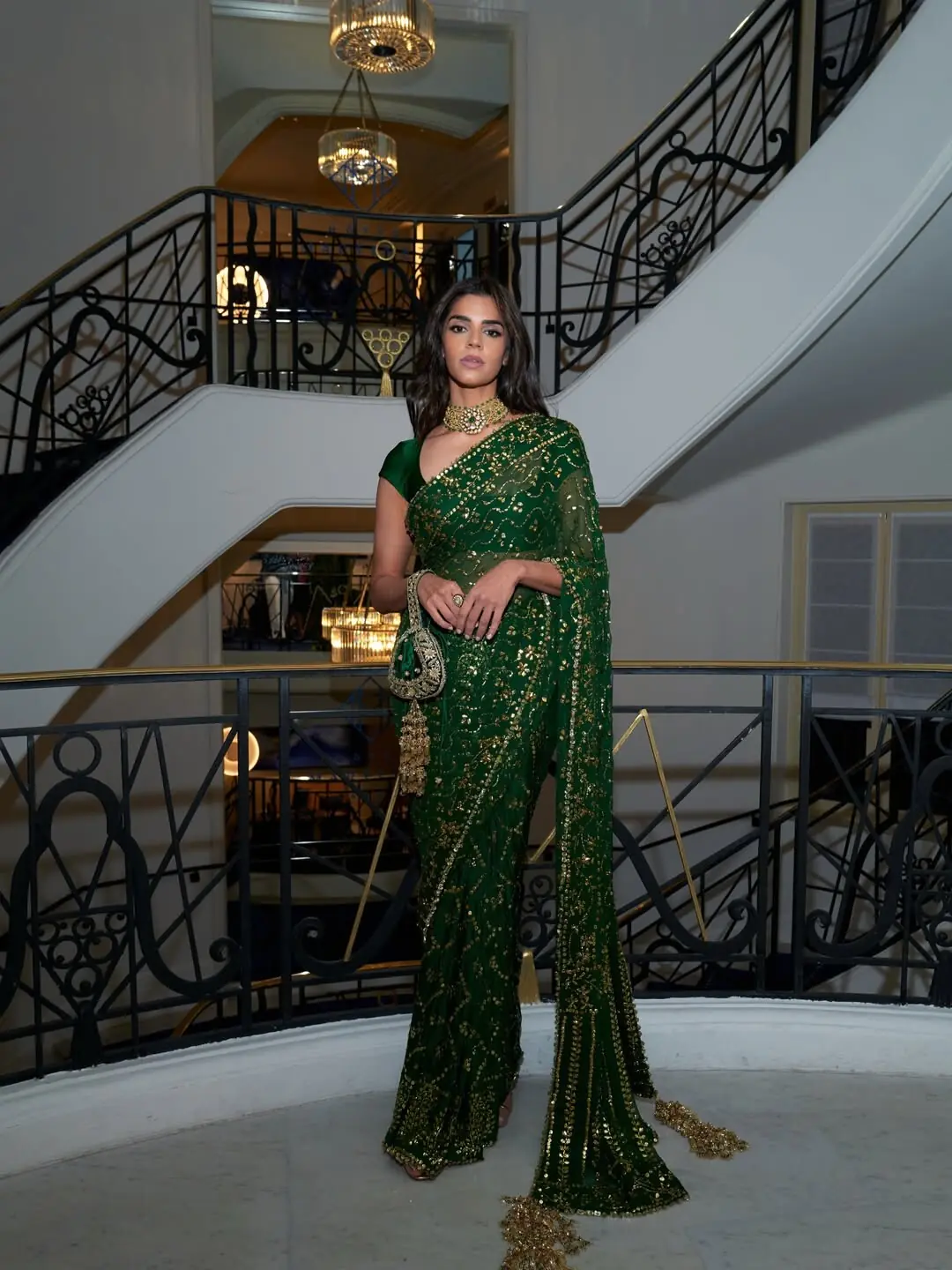
Sanam Saeed stunned the world last week with her glamorous trip to France, representing Pakistan at the Cannes Film Festival alongside designer Hussain Rehar. Now, back home, she said Pakistanis need to be more present on the global stage.
In an interview with Something Haute, the actor agreed with host Aamna Isani that this was a “breakthrough moment” for Pakistanis on the world stage and that there was a need for them to step out of the shadow of the ‘South Asian’ label and make an identity for themselves.
Talking about the positive coverage she received from Indian publications, Saeed said, “There was no agenda, we went quietly, did what we were there to do, it just blew up on its own”.
She said the simplicity of her mission made it easier for people to come together around it. “We weren’t with a brand that people are like ‘Should we be a part of this brand, should we not? Should we boycott it, should we not?’”
She said they were there to represent Pakistan and people couldn’t really find much wrong with that. To the people who said she wasn’t representing Pakistani culture by wearing a sleeveless outfit, the actor said they were missing the bigger picture.
She said the clothes she and Rehar wore in France were made by Pakistani craftspeople, including two of her outfits that were made by women in Bahawalpur. Saeed recalled asking Rehar what inspired him, to which the designer replied, “I am just so damn proud and happy to be Pakistani. It all comes from Pakistan, all my designs are 100 per cent Pakistani.”
Responding to a question on what she did at the festival, she said she was there to learn and that she realised Pakistani filmmakers, especially women filmmakers, need to get out into the world.
She said grants and funding for the arts were there for the taking and women needed to come together and try to get them. In that vein, she said she was considering going into production herself. “I can’t sit and wait for it all to fall in my lap,” the actor said.
She said she wanted to bring together writers and directors and make Pakistani cinema for a global audience. Saeed said family dramas were a beloved genre internationally and something Pakistanis excelled at, so that was one avenue to explore. “We’re so good at doing that, all we really need to do is make our stories a little more international somehow.”
On the subject of gender disparity in the entertainment industry and workplaces in general, she advised young girls to know their rights and not to shy away from asking for their needs to be addressed.
“Voice your concerns, communicate with respect, because whether it’s a man or a woman, if you ask for something nicely, many times it happens.”
She said the thing people shouldn’t do was “silently take it, because nothing’s going to happen”.
In entertainment, she said she had always found that the industry treats women better than other places, especially if they knew their rights and read their contracts. She said this had only gotten better after efforts to unionise by seniors like Atiqa Odho.
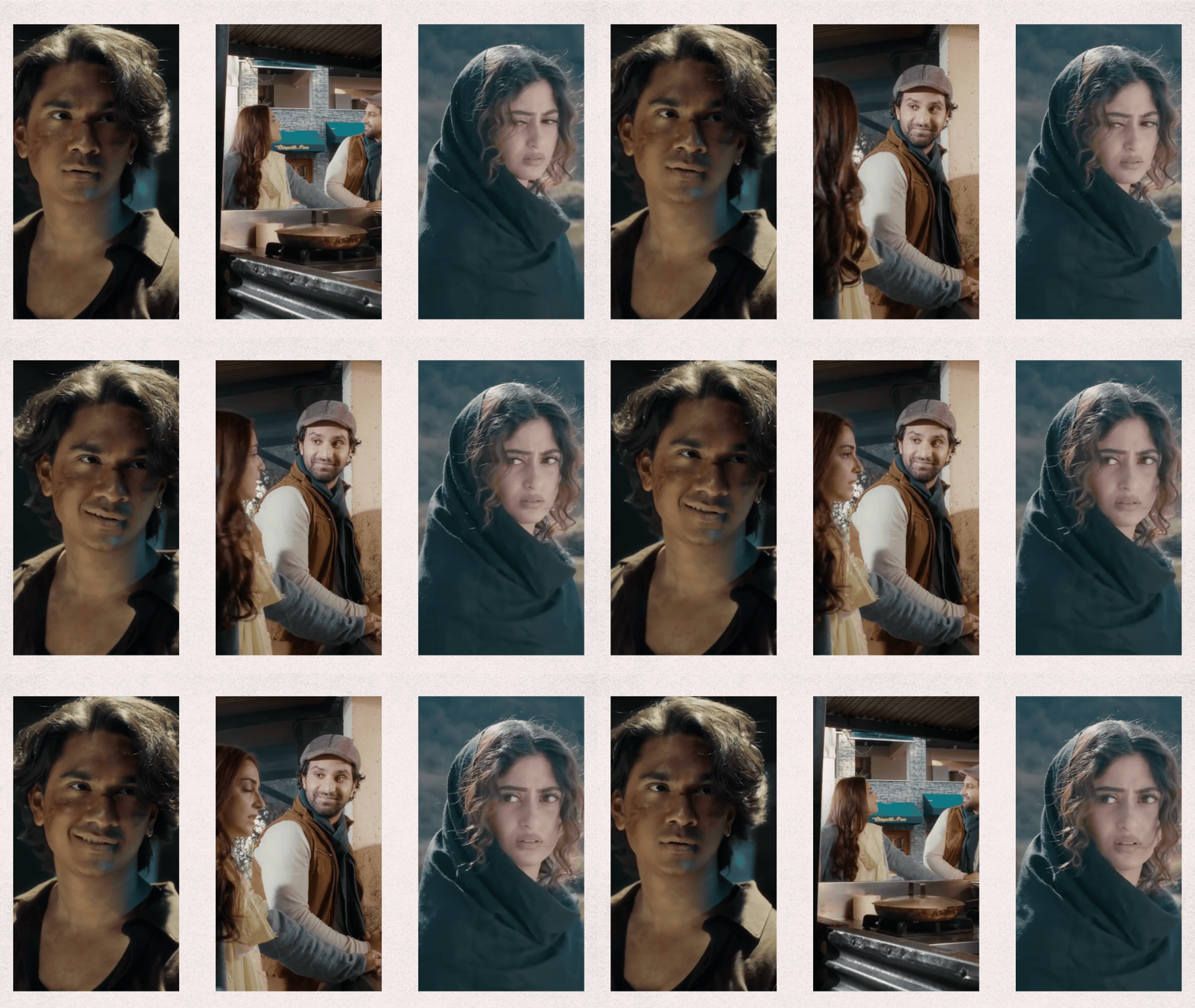
For her last drama, Kafeel, she said she had been approached by so many people who could relate to the story, which was “heartbreaking”.
Saeed said she hoped the show could hold a mirror to women and help them realise they could help themselves. “If even one woman’s marriage or life is saved by my work, I’ll be very grateful and very happy that the mission is accomplished,” she said.
Even for her older projects like Zindagi Gulzar Hai, she said, “I chose to do these social message dramas because of the impact it had in real life.”
The actor said that not all dramas need to have a message and some can just be there for the sake of entertainment, but they needed to have some level of responsibility in their content.
She lamented that a lot of popular dramas didn’t adhere to that and many didn’t properly deal with the “toxicity” they were portraying on screen.
“If you keep showing and celebrating these things, they will never get resolved, they will continue to be celebrated, continue to be reinforced.”


Comments