
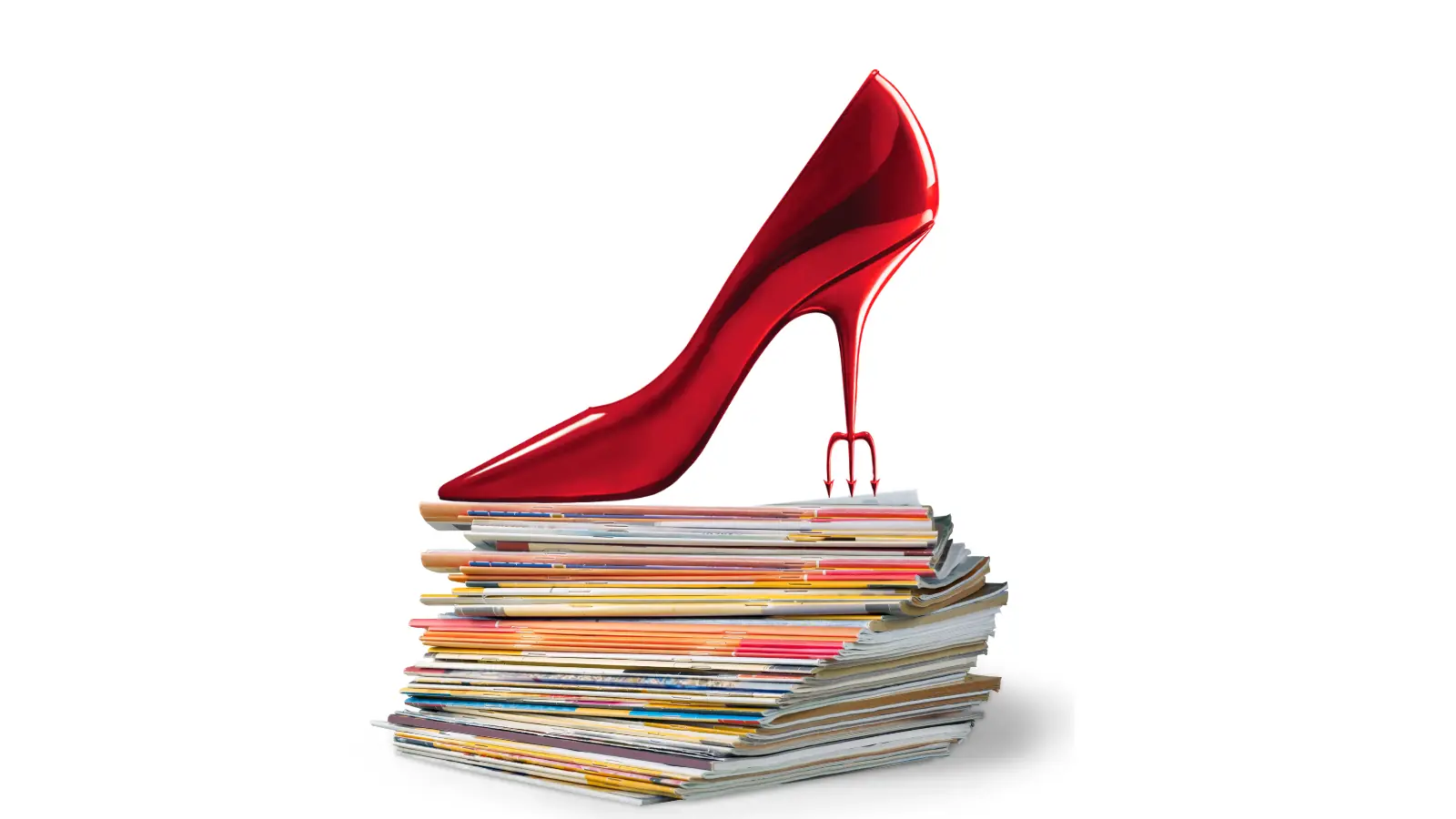
The Devil Wears Prada 2 heralds the death of feminist spaces in journalism
Growing up, I often pictured myself as the protagonist of an early 2000s romcom working as a writer or editor in the bustling chaos of a publishing house or magazine in New York City. As a millennial woman, I was not alone in this desire. There is an entire generation of women my age who were sold this dream and when I recently watched The Devil Wears Prada 2, I was reminded of that fantasy.
The movie starts off with Andy Sachs (Anne Hathaway), who is finally the investigative journalist she dreamed of becoming. She’s about to accept a journalism award when she, along with her entire team, gets fired. Andy proceeds to deliver a speech about the importance of journalism and how the story matters more than the money.
Her speech is a testament to the current state of the media. It’s no longer the over-beautified and glorified early 2000s. Rom-coms from that era sold us a false dream of girlhood and making it as a successful writer. It was simply a tried-and-tested trope that worked at the time.
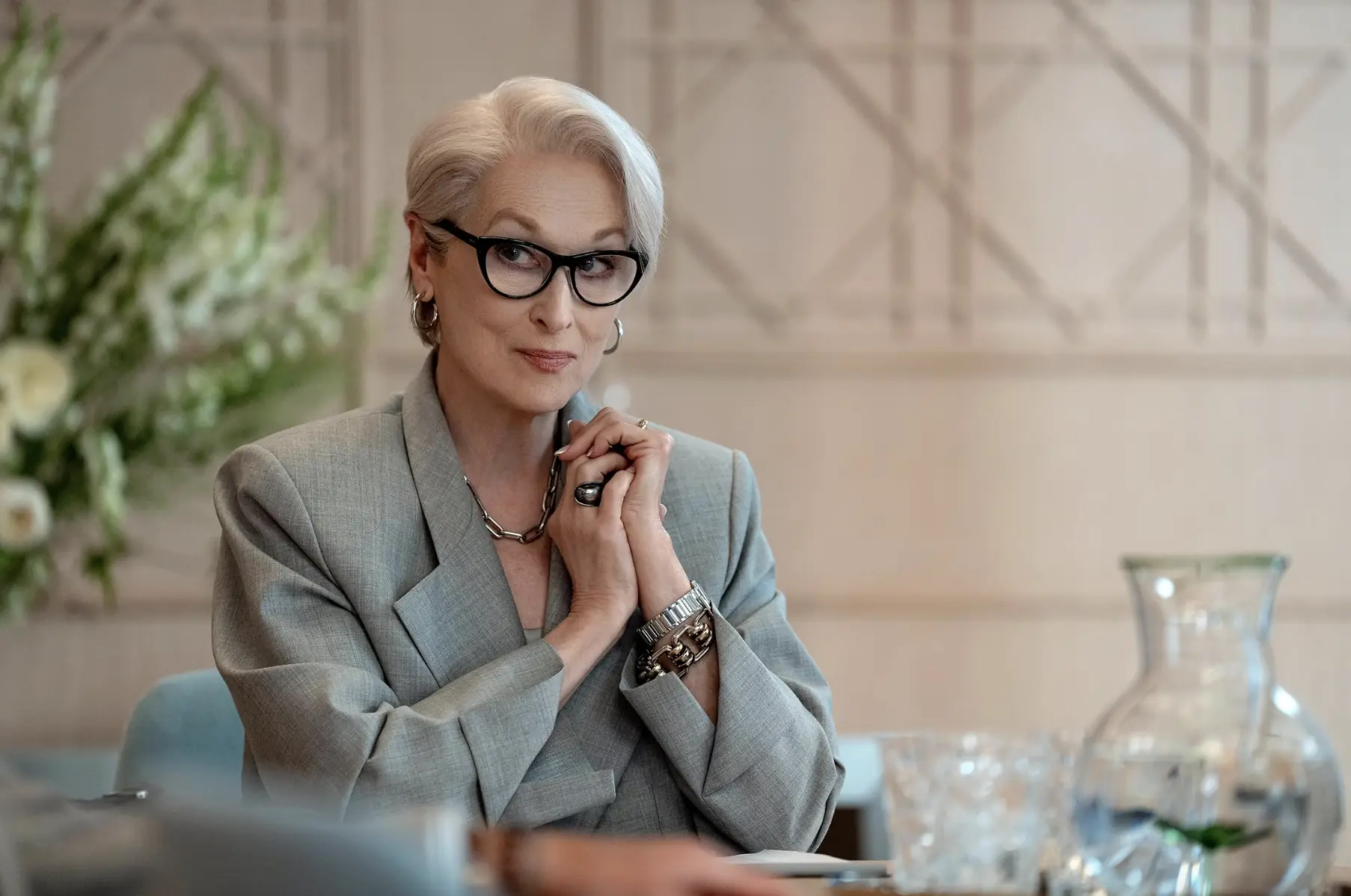
With the new movie, it’s clear that the trope looks quite different now. The Devil Wears Prada 2 was, on a whole, good. It was fun, nostalgic and exciting to revisit characters and spaces we cherished years ago. Meryl Streep stuns, as always, as Miranda Priestly, although I do think her character was much softer in this film and that she initially seemed to accept her fate in the downfall of Runway.
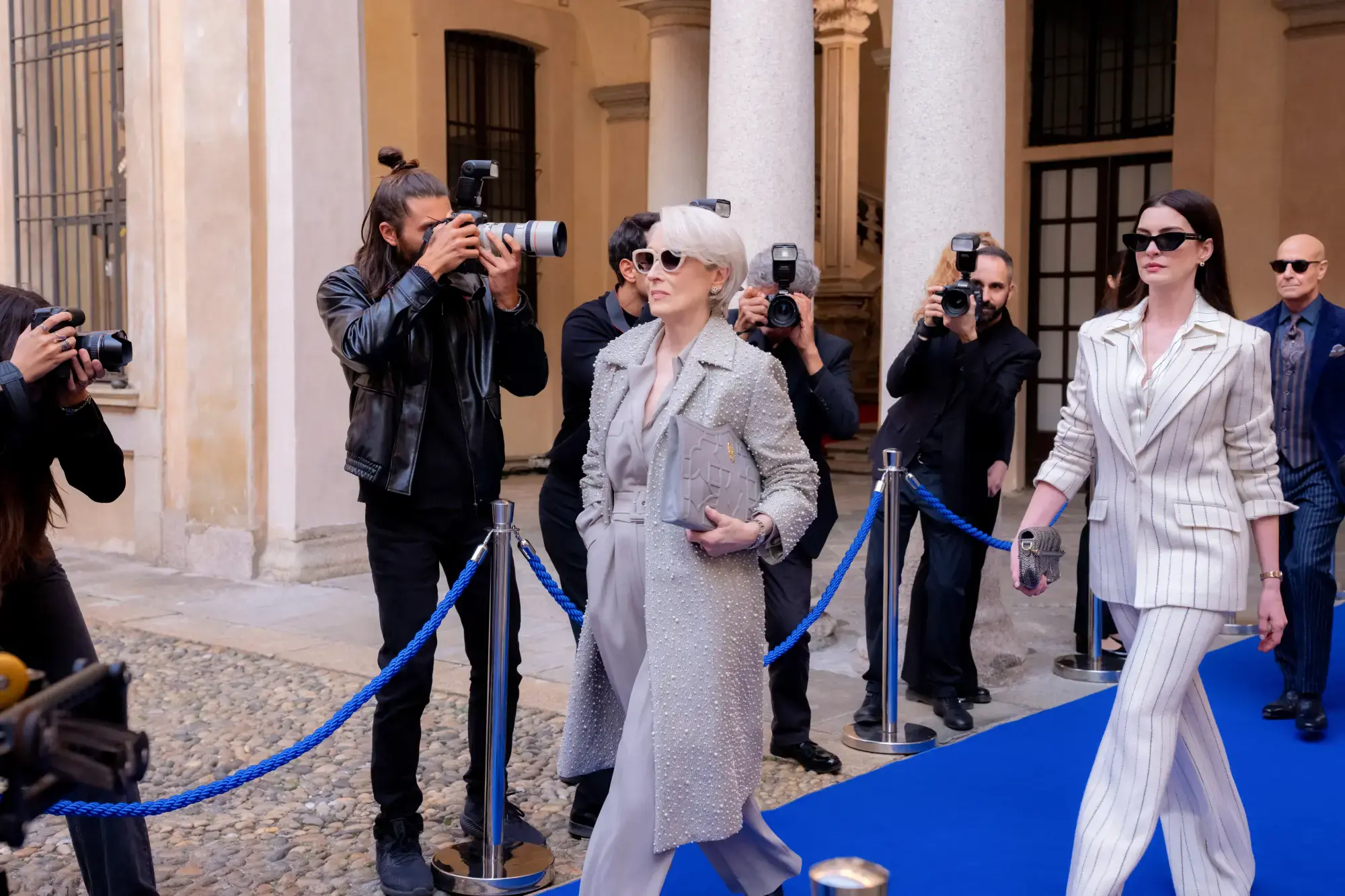
Stanley Tucci as Nigel is as witty and classy as ever. The movie touched upon the fashion, the conglomerates and the chaos of the industry but still somehow fell short because a sequel is never as good as the original. The plot looks different now and I think the best thing the movie did was comment on the dying media landscape. It hit all the right notes with the fashion, the art, the office space and the cameos, although the score could have been better.
Storytellers versus systems
Whether it was Runway, Poise Magazine (13 Going on 30), Composure (How to Lose a Guy in 10 Days) or Scarlet (The Bold Type), the early 2000s emerged as the girl boss, glossy magazine era. Today, the media industry (even in rom-coms) looks different.
The Devil Wears Prada built a brand that relied on the expression of bold fashion and luxury, as well as the rise of print media. But now, with part two, there are some realities fiction cannot hide from. Print media has died, leaving editors to create reels and polls, and writers to rely on clicks for their voices to mean something.
In the film, Runway has been digitised and the people behind the magazine are scrambling to hold it together. Finance bros like BJ Novak are now making big decisions for things they don’t know anything about. As Miranda asked in one of my favourite scenes from the movie, what about artistry?
The value society places on storytelling and good journalism has been dying for a while, but beyond that, the movie shows how power has shifted. Even Miranda, someone who has been in the field for years, has a lingering fear of being let go. And that is a clear reflection of the industry today. The stakeholders are different now and the power no longer lies with cultural producers — it lies with corporations.
As Kriti Gupta writes for Refinery29, “The ‘devil’ isn’t Miranda Priestly. It’s the room she’s standing in.”
We ask ourselves now, 20 years after the release of The Devil Wears Prada, how does the world look different? In an age of AI, clickbait journalism, doomscrolling and bed-rotting, people are not reading enough. Listicles rake in the numbers and long-form pieces are left in the dust.
When Andy publishes her first piece as features editor of Runway, she gets some solid feedback from others but Miranda asks a pressing question: “But did people read it?” And that was, in fact, what mattered to her. Even a journalist like Andy, who initially wanted to chase the great American story, began spending her time analysing metrics.
The collapse of feminist media spaces
So many women-run media companies have shut down over the past three years — Gal-dem, Bitch Media, Self Magazine. Refinery29 has been downsizing. Teen Vogue no longer exists. There’s a clear pattern here — feminist publications have been shutting down and shrinking and I don’t think it’s because people don’t read them.
In the age of AI and the finance bro, there seems to be a lack of value people place on publications like these, leading to a loss of independent female voices. I worked at an all-women-run digital media company for years and we housed voices from across the globe, told stories that mattered, but we shut down too. It isn’t that the media industry is dying — it’s that there has been a global shift from community-run spaces to corporate control.
An entire ecosystem is burning to the ground, and we can’t do anything about it because of ‘evolution’ and the patriarchy and the loss of individualism in this age.
The advertising economy
Magazines used to be filled with pages of luxury ads. Advertisers relied heavily on these publications to get word of their products out there. Brands now no longer need to rely on a “middleman” — they run their own ads on social media. Now, we rely on algorithms and there is no longer someone filtering the content we receive. The audience, the readers, never went anywhere, but the power has definitely shifted.
Journalist Harry Cheadle writes, “Digital media companies were attracting their audiences in large part through social media apps and search engines — that audience wasn’t ‘ours’ in any meaningful sense. These platforms gradually realised they wanted to keep people on Instagram or Facebook or the Google results page rather than sending the traffic to publishers.”
In the age of Substack, where Cheadle wrote his essay on the death of the digital media, writers are seeking out spaces to actively put their work out there. Some of that work may have initially existed within publications that have now shut down.
People are still searching for that community that was once created through this fantasy of magazines. But community looks different now. And while the end of The Devil Wears Prada 2 gave us hope, with Miranda still helming Runway, the message about the transformation of the media industry is clear.
The movie isn’t a serious retelling of the industry nor is it supposed to be. It’s just a reminder that we are now living in a solo creator economy. Every industry is shaped by the new generation and maybe it’s time to let go of the fantasy and ground ourselves in reality.
The media industry isn’t really dying, it’s just restructuring.
Comments