
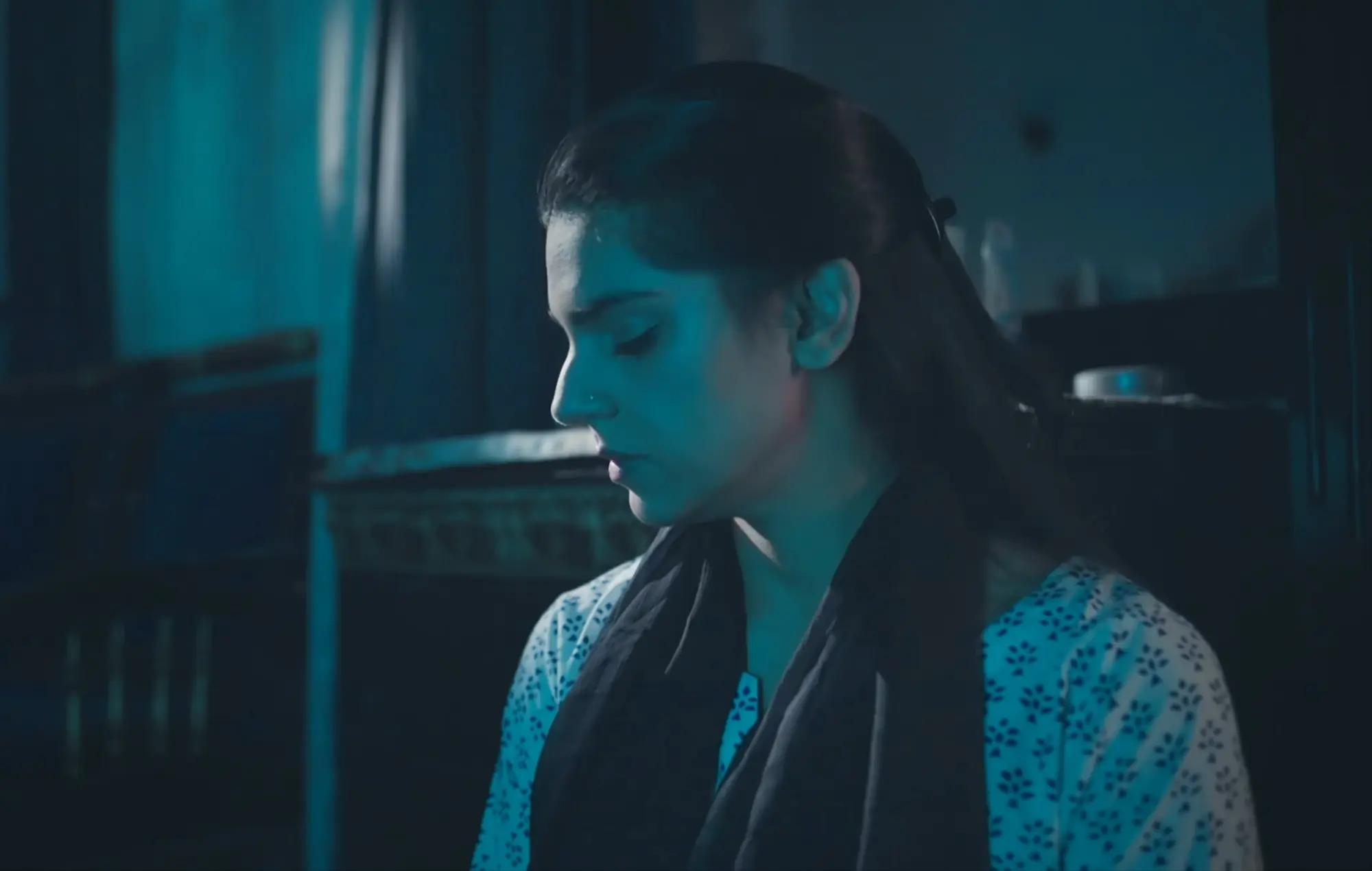
Kafeel has a fresh take on a woman who wants freedom without blaming her for wanting it
Some people just don’t do reciprocity — with one hand they take and, with the other, they also take. The premise of the drama Kafeel is that in a marriage you want more than a master-slave relationship.
While one can occasionally need social and material support from those around them, the gendered aspect of this equation is rather unsavoury, especially when the one being served is a man, and the women are the obligatory givers. Women chronically break their backs to provide for the men around them and Kafeel takes us through the tipping point of this cultural crisis.
Typically, women work overtime caring for the home, the kids and the elderly. Add a man to this mix of caregiving and homes topple. The premise of this drama is the call-out that any marriage will break apart when a man doesn’t provide financially, emotionally and psychologically.
The reason this drama is fresh is that the falling apart is not depicted as the woman’s fault, in fact, what makes Kafeel rare is that it does not even entertain the notion of whether it might be. A blameless woman is refreshingly close to the human condition and reminds me of the Haseena Moin and Noorul Huda Shah era of Pakistani dramas. It reminds me of the point Hum Gunahgar Aurtain was making when Kishwar Naheed wrote the poem about almost everything being a woman’s fault.
It takes two to bhangra
Perhaps some feminists would call this a very archaic take on gender roles — the assumption that a man brings home the nihari and the woman provides homely dhobi services — but the point I’d like to make is that men have so much privilege in society, the least they can do is the job that gains them all that privilege in the first place.
You must have heard the trite bicycle-wheel analogy — that a marriage can only work if both wheels are working. Sadly, in Pakistani contexts, this lame analogy is only used if a woman doesn’t perform her role well, hardly ever is a man held accountable for a lifetime of freeloading off women’s invisible labour.
The other injustice rests in the fact that we do need these gender norms to prevail in earnest because the economy is so archaic. Especially during child-rearing years, men need to bring in the food because women, though capable, are stretched thin. Pakistan, for all practical purposes, is stuck in a pre-industrial time — agrarian for the most part — where only 23 per cent of women enter the workforce, mainly in menial or care jobs. Only a negligible portion of women have more than a $1,000 in their bank accounts. So, there is no way that traditional gender roles don’t rule this world.
After Rafia Zakaria’s takedowns of white feminism, it becomes imperative to understand that being more modern does not necessitate being more liberated for women in this non-white context. I believe that working women in Pakistan got the short end of the stick because they entered the workforce and ended up doing three jobs for low pay. They do these three jobs — home, work and caregiving — while their spouses sometimes have merely one job, or in the case of Kafeel, no job at all.
Earning money does not always earn women dignity. In fact, they may even be looked down upon, resulting in lower status.
The value of a woman’s work
The rupee must be valued, because any disposable income a woman has in this society is going to be spent on her family. Yet, the economics of empowerment dictate that you are only as powerful as your disposable income. So, working women are no more and no less than indentured servants, blocked within the framework of the traditional wife and daughter-in-law, with only a paycheque to show for their aspirational freedom.
But aspirational freedom is not real freedom.
A paycheque earned by a middle-class woman goes mostly toward paying for the rising cost of diapers, milk, salt, school fees, bus fees and bitter gourds. There is nothing left for her own protection.
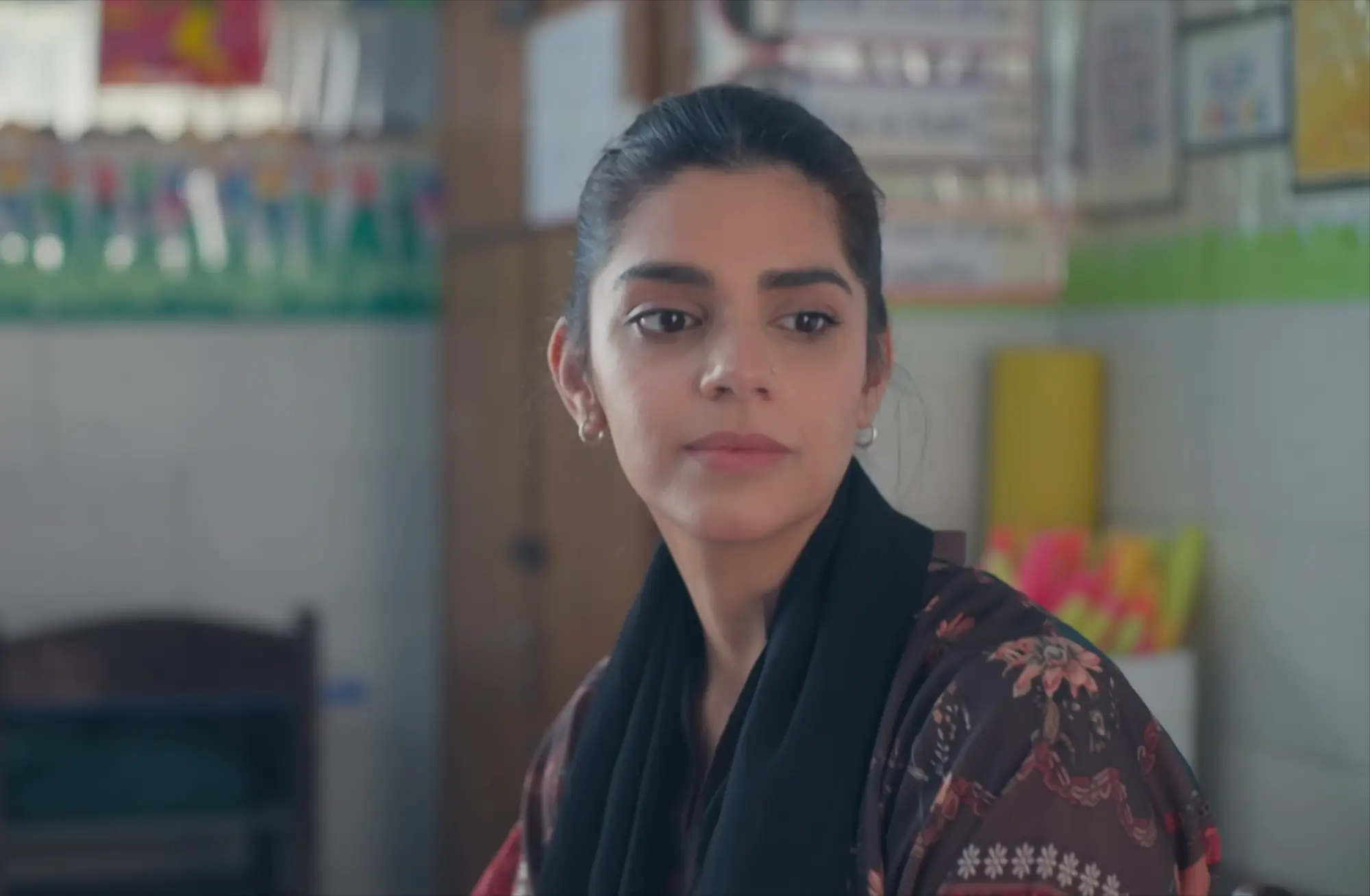
This is the world Sanam Saeed’s character Zeba inhabits as she runs on the hamster wheel of providing for her four children. And this is precisely what Kafeel understands that almost no Pakistani drama before it has bothered to — that the system failing Zeba is not abstract. It has a face. It is her husband, Jami’s face.
The drama does not examine the economy nor the patriarchy — it locates the rot in one man’s refusal to be accountable, and it does not flinch from that.
Until Kafeel came along, no one tackled the anthropological disaster that is the modern Pakistani working woman stuck with a man who loves glory more than his children. No one depicted, with all its ugliness, how gross it is to see a mother burn the candle at both ends. No one had chronicled how unsavoury it is when a perfectly intelligent woman abandons herself for the sake of societal acceptance.
A believable drama with extraordinary performances
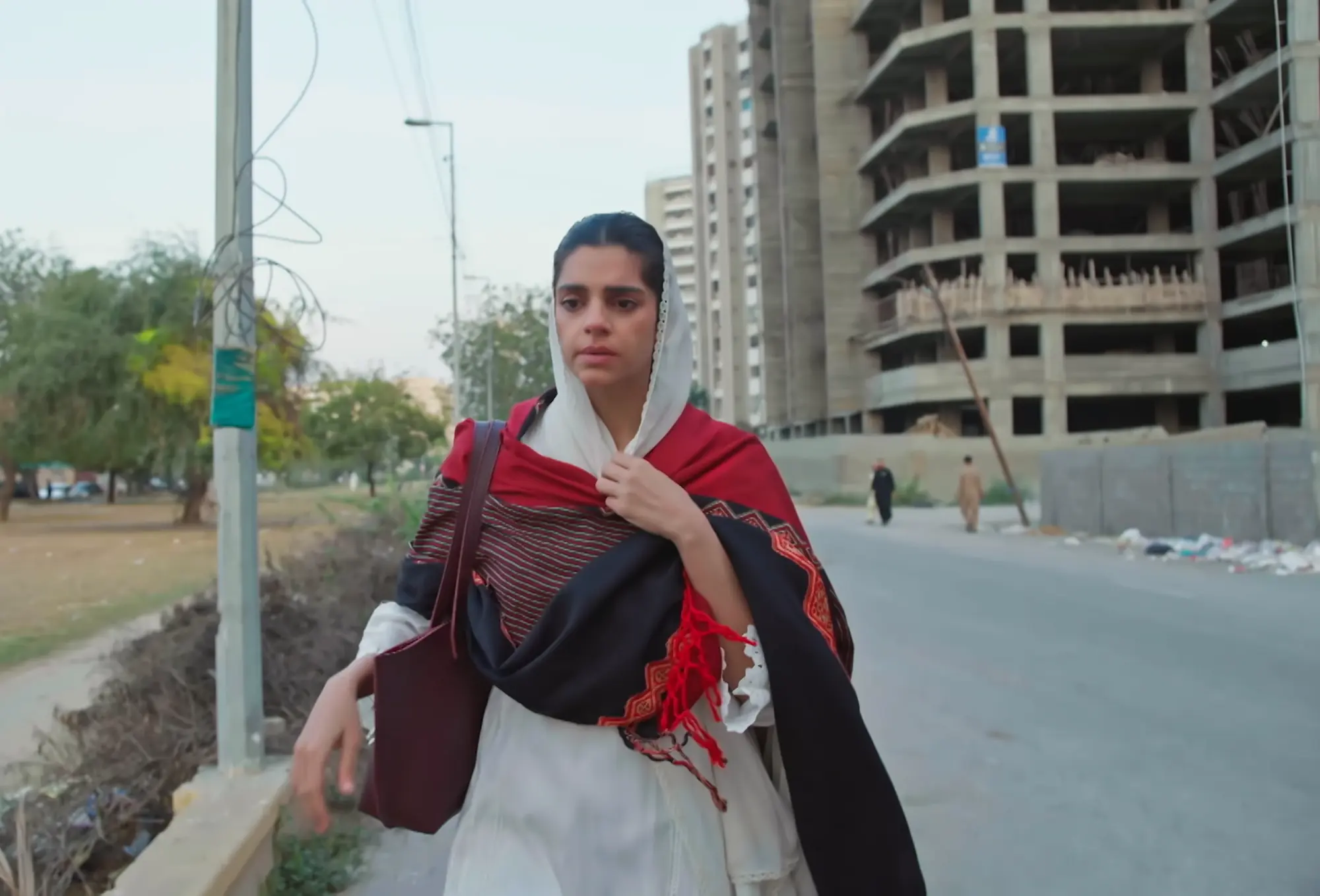
Saeed has been a spectacular show of force in her performance especially for the believability with which she dramatises the mayhem of walking the world of marriage alone, with only responsibility as her life force. Her performance has been on point.
No one says she should not be Sisyphus, pushing a boulder uphill with her mere nail. We women have been doing the boulder-pushing for eons, proving that if only we gave a few more drops of blood to domesticity, the bicycle would be a bicycle. But sometimes a spanner is just a spanner. Relationships are saved by more than one person.
You strip a woman of all power, yet when it comes to saving the home, she is paradoxically held as the most powerful. Women stay in such situations predominantly due to a poverty of time — time to think, plan and strategise an exit.
When a woman is exhausted, no one is surprised. It is the most normal thing for a star-crossed woman to chaotically run from one end to another, doing something lifesaving.
But seeing a woman in control, poised, with enough money to throw at several problems until she has no problem left, is a sight no one has seen. I am willing to bet our mothers’ generation has never been caught enjoying their lives, merely chilling out. Yet what is it that we see men doing? Their life is a proverbial golf course, a proverbial charpoy, a proverbial pulpit, a proverbial couch or keyboard.
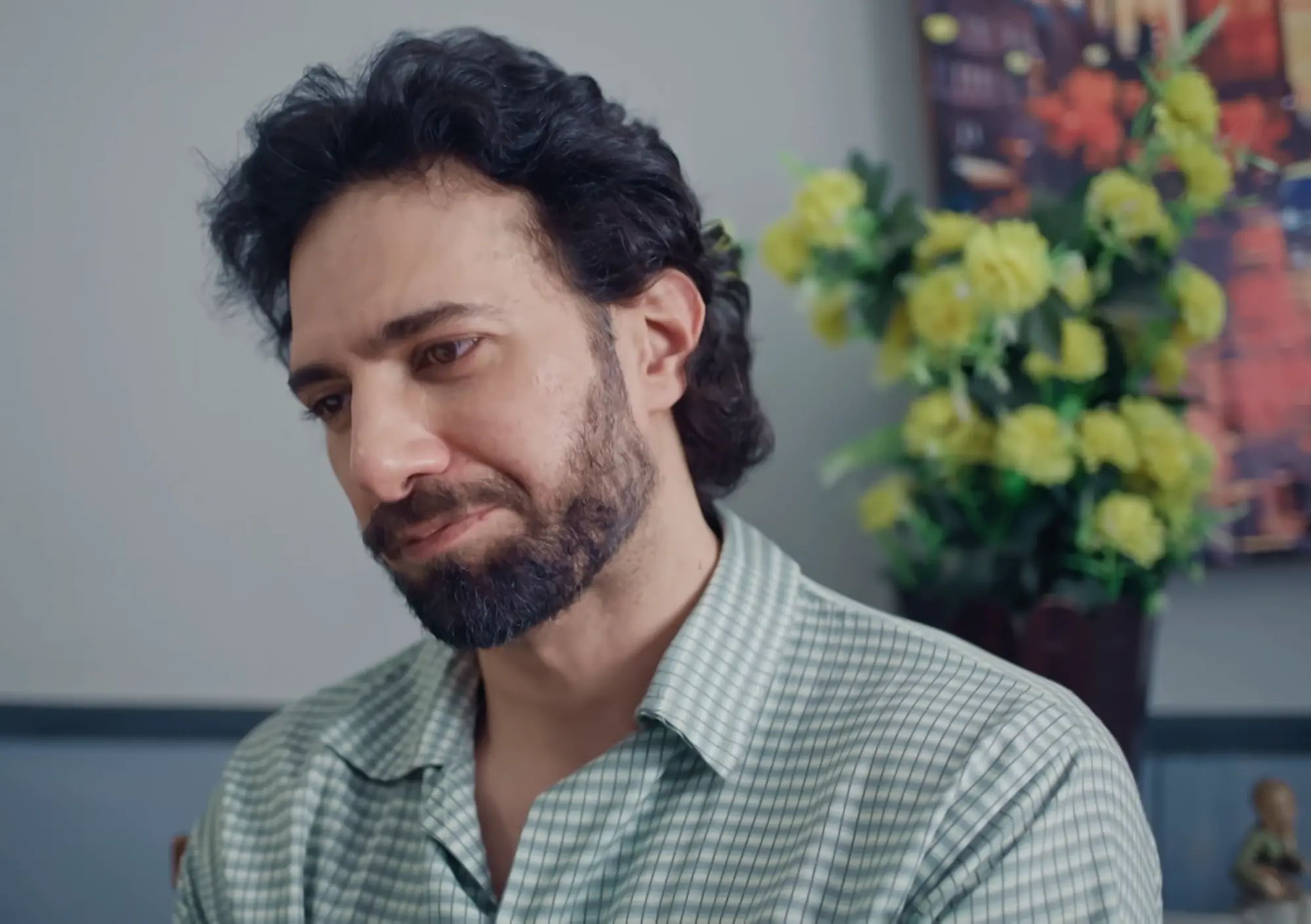
The contrast is so stark between Zeba, and Jami, that you want to reach out across the screen and shake him out of his moronic life goals — which include eating chicken patties, cribbing and complaining, and insisting that Zeba has raised the kids ‘wrong’.
The fact that he is painfully good looking is not helpful at all. But then again, most narcissists are. If they aren’t, they have so much charm that they make up for it. Highly toxic and severely emotionally challenged, Jami’s character is loathsome without being melodramatic. An evil character portrayed especially well.
Come back in a coffin and other wedding gifts
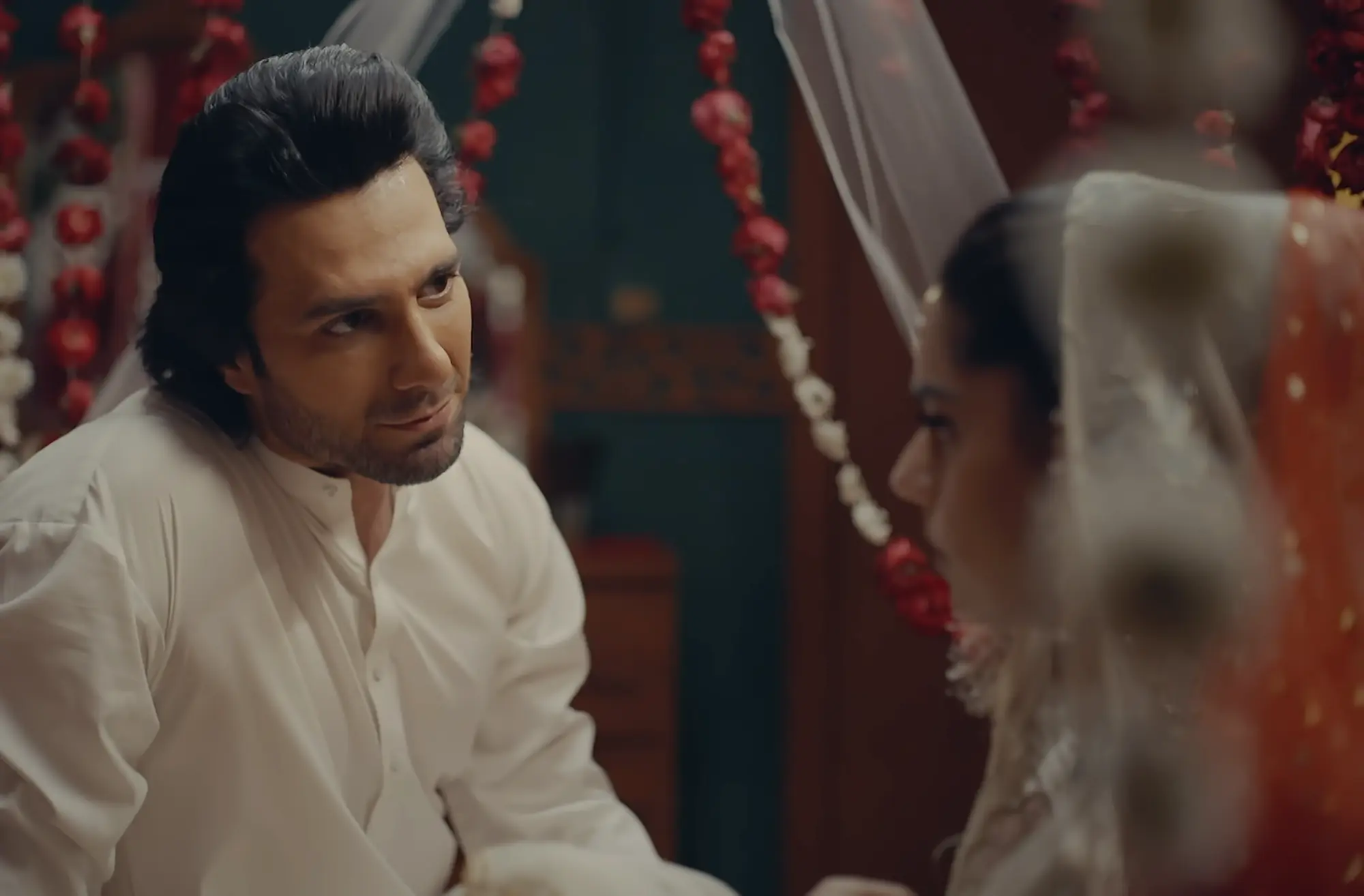
Zeba and Jami are a household phenomenon.
The girl is wed, she is told to never return to her family home except in a coffin. Soon after, tiny pieces of her are shipped back to what was once her home in tinier coffins. In return, she receives handouts from her family, because the man she married refused to get a job, insisting that he came from privilege and maintaining a false sense of aristocracy.
Typically, what happens in a Zeba-Jami mess is that society looks the other way forever. Jami would refuse to be held accountable, and get more set in his ways. Zeba would decide to redouble her efforts, assuming she needed to prove herself. Typically, it is always a win-win for Jami.
Instead, Kafeel refuses to be a ‘typical’ drama. It does not deal in the usual Pakistani drama bargain where the woman’s suffering is redeemed by her patience. It demands that the man answer for himself. In Pakistani television, that is close to revolutionary.
Kafeel is a spiritual drama. It insists that there is more to marriage than a transfer of power. It insists, in the form of Zeba’s wizened father, that a marriage is a contract. One party not pulling their weight in life will cause a fissure, then a gaping hole, and eventually there will be a legal breach of contract. No matter how much one acts like Zeba.
I know no elder who has been that wise.
Elders become wise like this after the woman leaves, not before she leaves and certainly not during. Elders these days are all about the convenience of optics — how it looks to everyone. Elders are — and almost always have been — addicted to a woman who is muzzled or silenced at all costs and makes very little fuss.
Elders insist that once a mistake has been made and a match is not a good fit, that the mistake must be converted into a life sentence. Some call it sabar-shukar. Kafeel calls it peace at the cost of justice.
Zeba’s father is the real hero
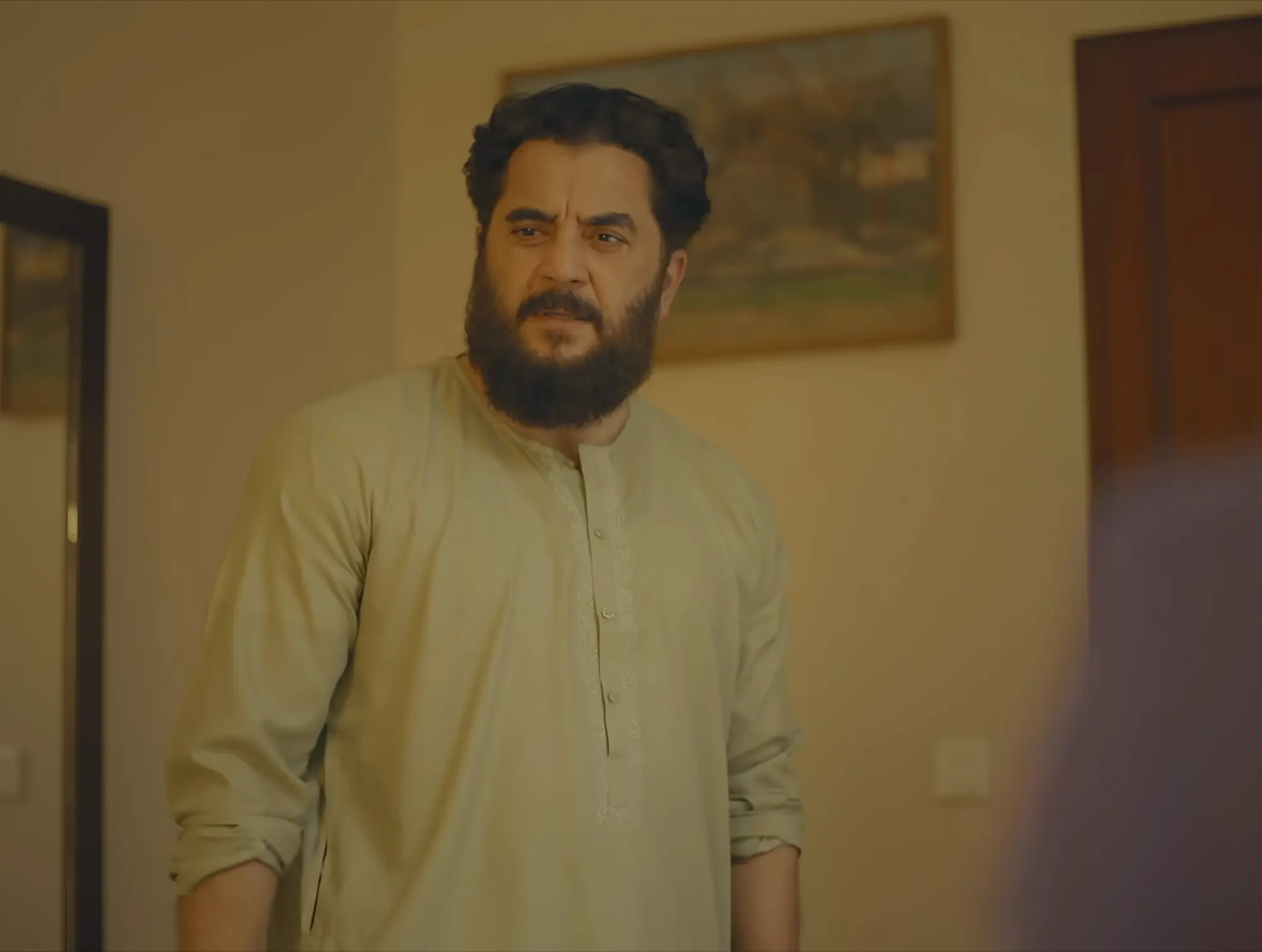
In the drama, there is such immense clarity from Zeba’s father when he says that the role of the man is to instil peace with justice. It may be a role for a woman too, but first, a man must be a protector. With the GDP per capita ratio being what it is in Pakistan, it is important that that provision means money.
Zeba’s father does not shy away from talking money.
Often, when the broader relative cabal wants the woman to not make a peep, they usually do so because they are uncomfortable about speaking about the role money has in the breakdown of a marriage. But money is ubiquitous. Money is everything. It is hair on a good hair day, it is a breeze after a 10k hike, it is a shawl at the beginning of winter, and it certainly pays those relative’s food bills.
Yet, there is so much aversion to honest money-talk. There is so much distaste for talking about this one thing that fuels your life.
Jami can’t work, won’t work
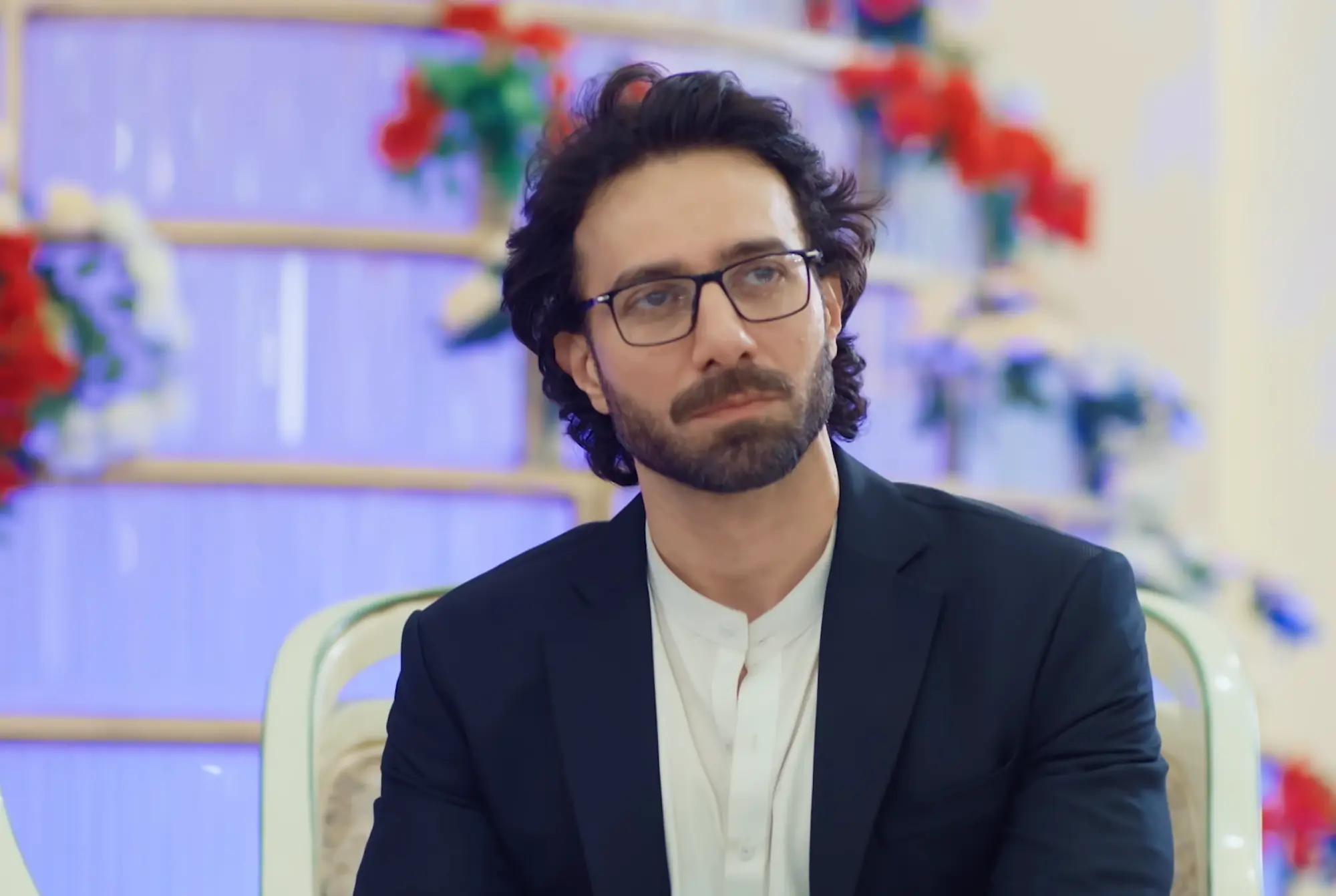
Jami is a sick man. My thesis is that men who are kept, and then willingly stay within the confines of false status are removed from the blessings of good old fashioned hard work. They find hustle beneath their glory and would rather the women slog at work just like they do at home.
The truth of the economy evades them and the truth of the household economy definitely evades them. They have no clue what proportion and measure go into running a household — the cost of the UPS, plumbing repairs and the rising price of LNG and gasoline, or even the mounting health costs of a dysfunctional household.
Pakistan makes no sense sometimes, making weddings a million-dollar industry but making marriages a woman-only problem. Zeba is a special breed because she thinks: no, thank you.
There is always a point in a woman’s life where something gives way. For Zeba, it was getting shoved against the wall and having her mouth twisted. She spoke up with that same mouth when she asked for her right to a safe environment.
Every time a woman snaps in two, an angel somewhere sings.
The Jamis of the world are just people, not deities we are made to worship and bow down to thanks to male privilege. Male privilege in moderate quantities is a slow poison for women, but in excess, it snaps a woman in two.
Kafeel beautifully portrays how this poison can become an impetus through which a woman can rise from the ashes. But first, she has to use her feet.
Comments