
Venice Biennale excludes Israeli, Russian artists from awards in 'defence of human rights'
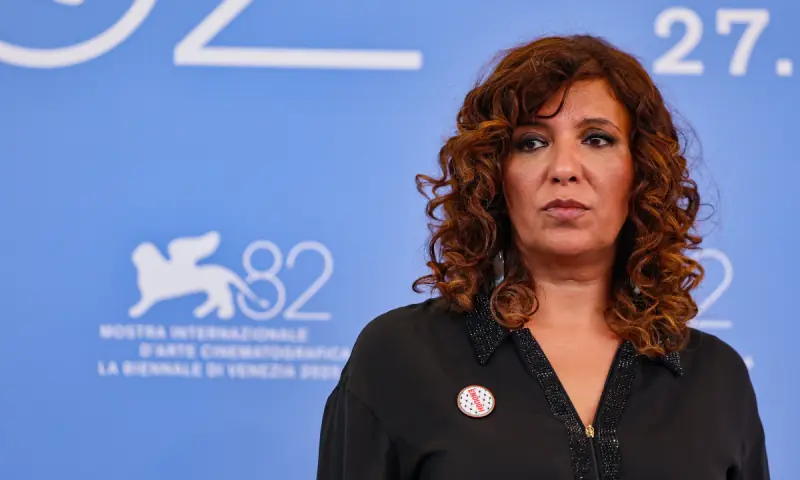
Jurors at the Venice Biennale International Art Exhibition said on Thursday they would not consider artists from countries whose leaders are facing charges at the International Criminal Court, an apparent reference to Russia and Israel.
The five jury members who will select the winners of the Golden and Silver Lion awards among the 110 participants said they felt compelled to commit “to the defence of human rights” as part of their role at the event, which opens on May 9.
“This jury will refrain from the consideration of those countries whose leaders are currently charged with crimes against humanity by the International Criminal Court,” they said in a statement, without naming Russia and Israel.
The ICC has issued arrest warrants for sitting leaders, including Russian President Vladimir Putin, for alleged war crimes committed against children in Ukraine, and Israeli Prime Minister Benjamin Netanyahu for alleged war crimes and crimes against humanity during the war in Gaza.
The Israeli and Russian embassies in Rome did not immediately respond to requests for comment.
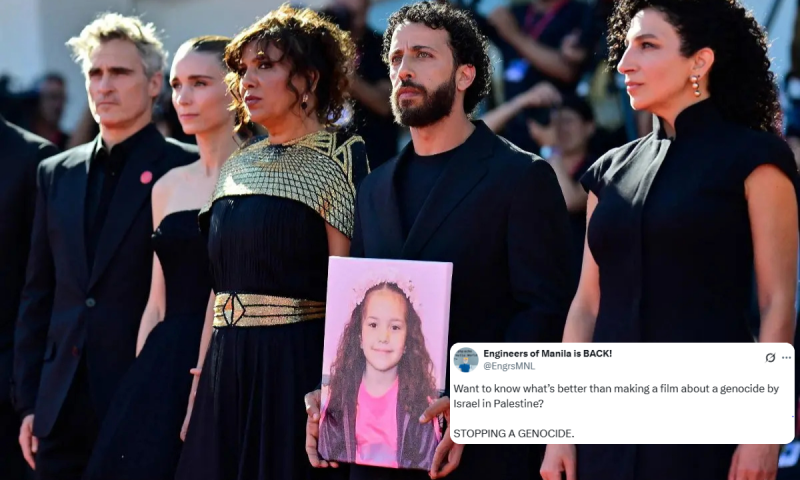
Recognition of Israeli crimes in Gaza is not new for Venice’s prestigious art circuit. Last year’s Venice International Film Festival, run by the Biennale, saw Kaouther Ben Hania’s The Voice of Hind Rajab win the Silver Lion award.
The film, which follows the killing of six-year-old Hind Rajab in Gaza by Israeli forces, received a 22-minute standing ovation — the longest in the festival’s history.
Criticism over Russian Pavilion
The International Art Exhibition has been criticised since organisers allowed Russia to reopen its pavilion at the event. After Moscow’s invasion of Ukraine in 2022, Russian artists and institutions were excluded from major European events.
The Biennale’s decision sparked criticism from the Italian government of Prime Minister Giorgia Meloni — a staunch supporter of Ukraine — but also from the European Union.
On Thursday, the European Commission said it had sent a letter to the Biennale informing it of its intent to terminate or suspend a 2 million euro ($2.34m) grant after they allowed Moscow to rejoin.
“There is only one ongoing grant, this is of 2 million for the next three years and this is the one we aim to terminate or to suspend,” an EU Commission spokesperson told reporters.
The spokesperson said the Biennale had 30 days to respond to the EU’s letter.
In a separate statement, the Biennale said the jury operates with full autonomy and independence.
“This is a position that the members have decided to bring forward and make public. It is a natural expression of the freedom and autonomy that La Biennale guarantees,” the statement said.
Cover photo: Venice Biennale