
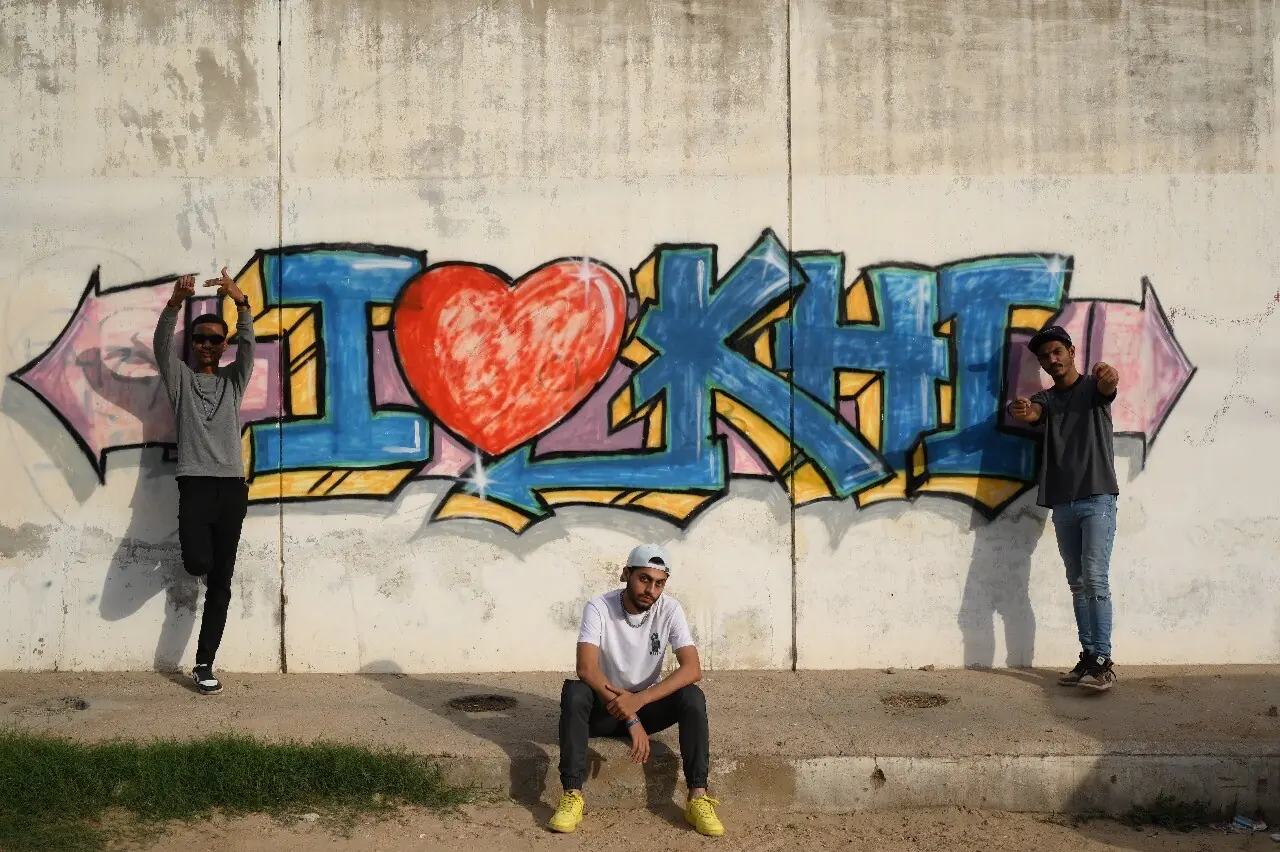
Saba Karim Khan’s W.R.A.P shows the gritty reality of Urdu rap in Karachi


When someone brings up Urdu rap, what names come to mind? For most, it would be the two Talhas, maybe Faris Shafi and Bohemia.
Well, allow me to introduce you to three more: MC Affo, MC Bablay and MC Shobi. Restaurant workers by day, the three Gizri natives are part of Karachi’s underground rap scene. They’re also the focus of Saba Karim Khan’s documentary We Really Are Pakistan (W.R.A.P).
Intrigued by the trailer, I got in touch with Khan — a filmmaker, author and university instructor based in Abu Dhabi — to ask what inspired her to make the film and how she came across her protagonists.
She told me she had seen the Indian film Gully Boy — a fictional account of street rappers in Mumbai — and felt there had to be something similar in Pakistan. When she brought the idea up to a friend, he had just the men for the task.
“I was in Karachi, sitting with an old school friend in his play café, telling him about the film I wanted to make. He opened the kitchen door, called out a few names — and Affo, Bablay, and Shobi walked in and performed an impromptu audition… That was it. I was in.”
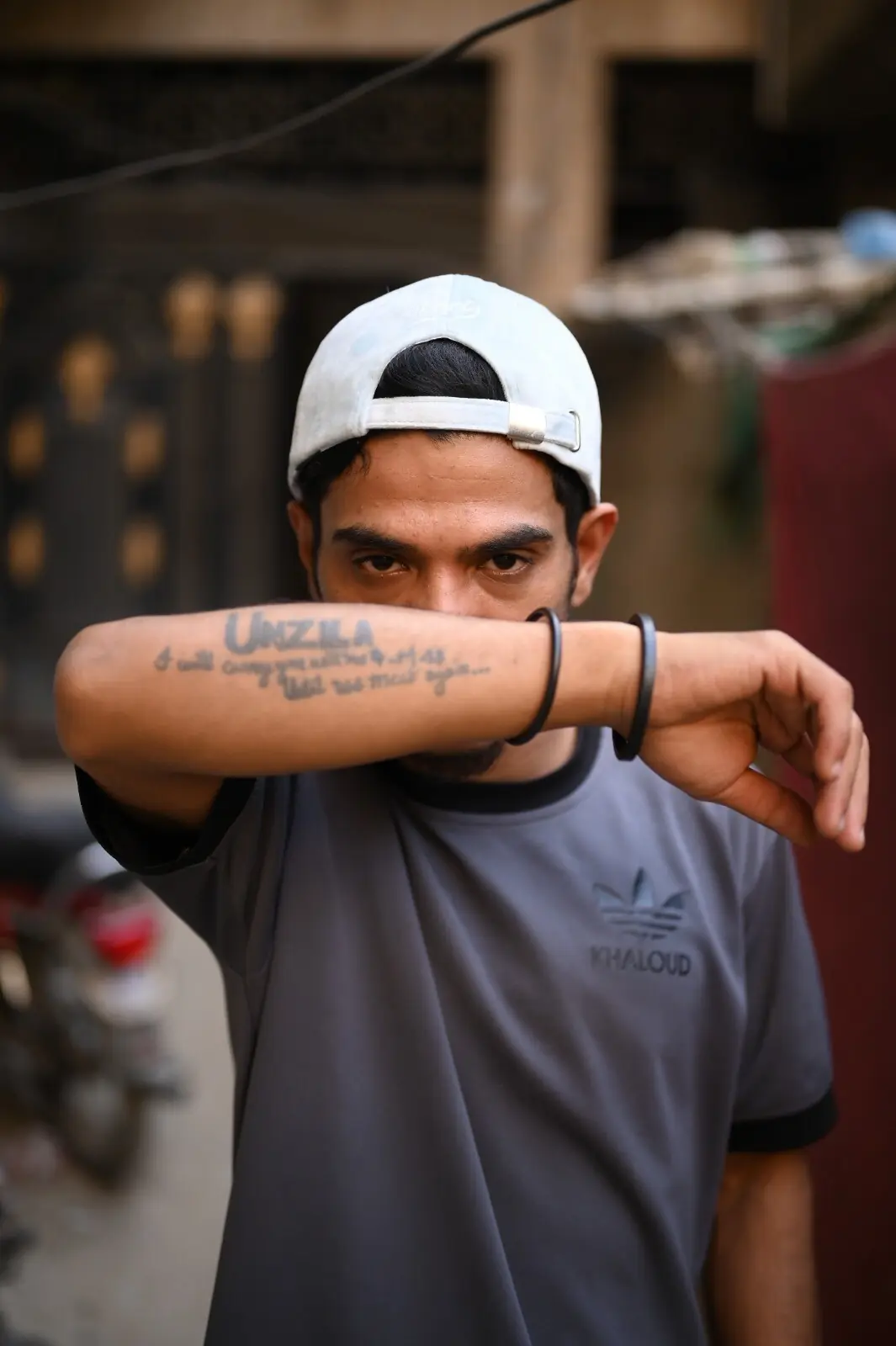
The second question, naturally, was about the rappers themselves, who were they and what made them do what they do.
The filmmaker told me Affo was the café’s head chef and had been through a messy divorce where he lost custody of his daughter. He raps to fulfil a dream to someday hear his daughter say, “My papa is the best artist.”
Bablay is Affo’s sous chef and Shobi is a server; both have been through hard times and work to support their families.
“Their rap repertoire is wide-ranging,” Khan told me. “There’s pride about their neighbourhood, class divides, Karachi — the city, human relationships and loss. They talk about being self-starters and conquering pessimism, of prevailing despite the circumstances.”
Expanding on those circumstances, the filmmaker said, “These rappers are taught, throughout their early years, to downsize their dreams to fit their reality. What they’re doing instead is expanding that reality to meet those dreams. I find that message glowing with hope, resistance, a refusal to ‘settle’ for the hand they’ve been dealt.”
I asked Khan if the rap scene springing up in Gizri was an isolated occurrence or if this was something she found elsewhere too.
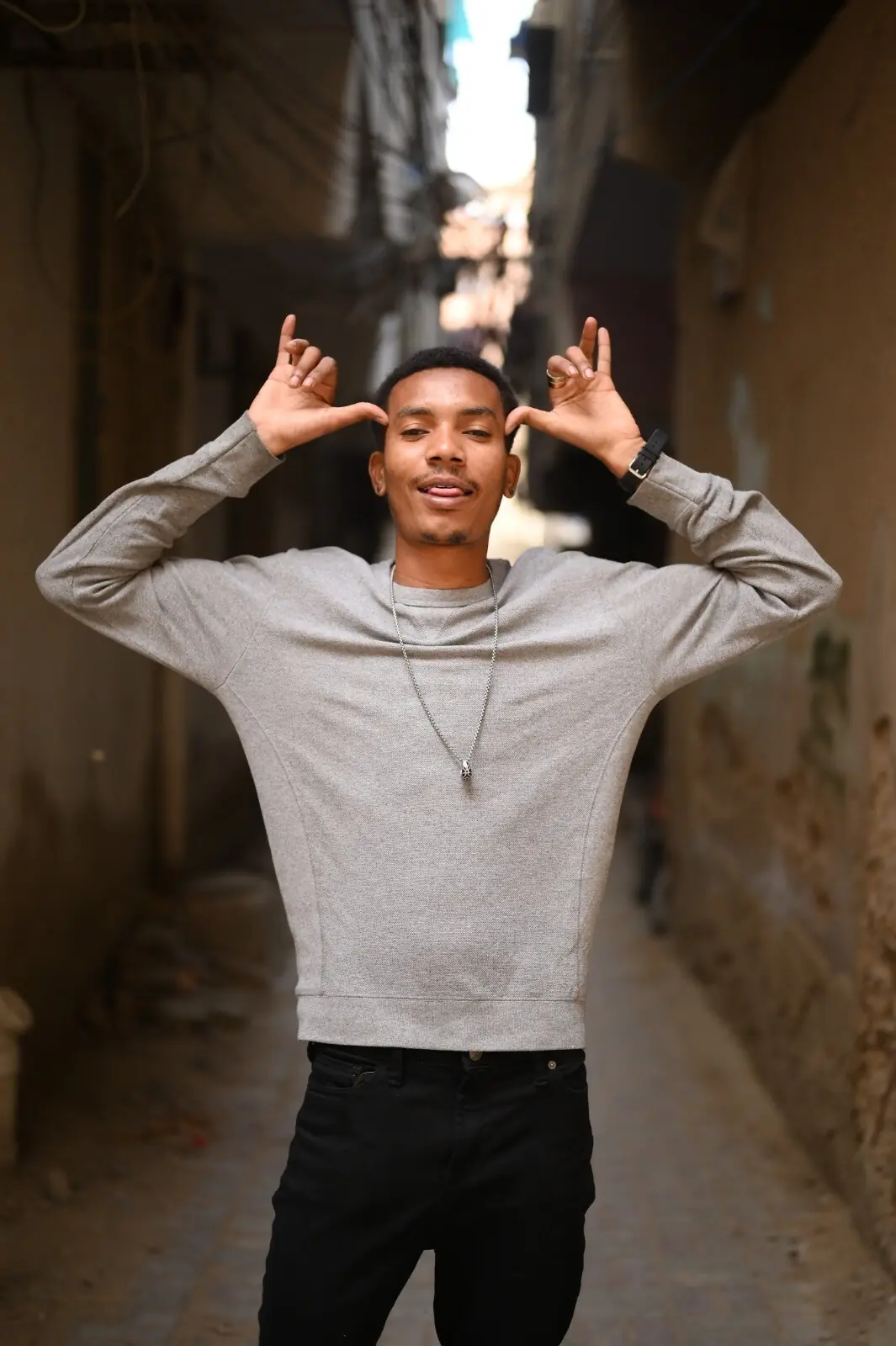
“There definitely seems to be a wider movement happening with rap in Pakistan — Lyari, for instance, has a long-standing relationship with music and performance,” she said. “What’s particularly exciting is seeing more women enter the space, often in very public, visible ways. It suggests a scene that’s expanding both creatively and socially.”
She also said this movement was part of a much larger, global sphere. “There’s a shared language to hip-hop, that transcends physical borders, the colour of your skin, socio-economic class,” she said.
“Rap music travels,” Khan told me. “Human stories, music and emotions have a way of overcoming constructed boundaries.”
It’s also much older than most people would think. She referred to a talk given by oncology professor and Urdu poetry enthusiast Azra Raza, who said the poetic style now identified as rap had existed in Urdu for over 150 years as bahr-i-taweel.
True to the international relevance of its subject, W.R.A.P has received acclaim across borders, playing at film festivals in Paris, Cologne, Sweden, Montreal, Florida and Jaipur. The next stop for the film is the British Asian Film Festival in London, where it will stand alongside Pakistani films Ghost School and Mera Lyari next month.
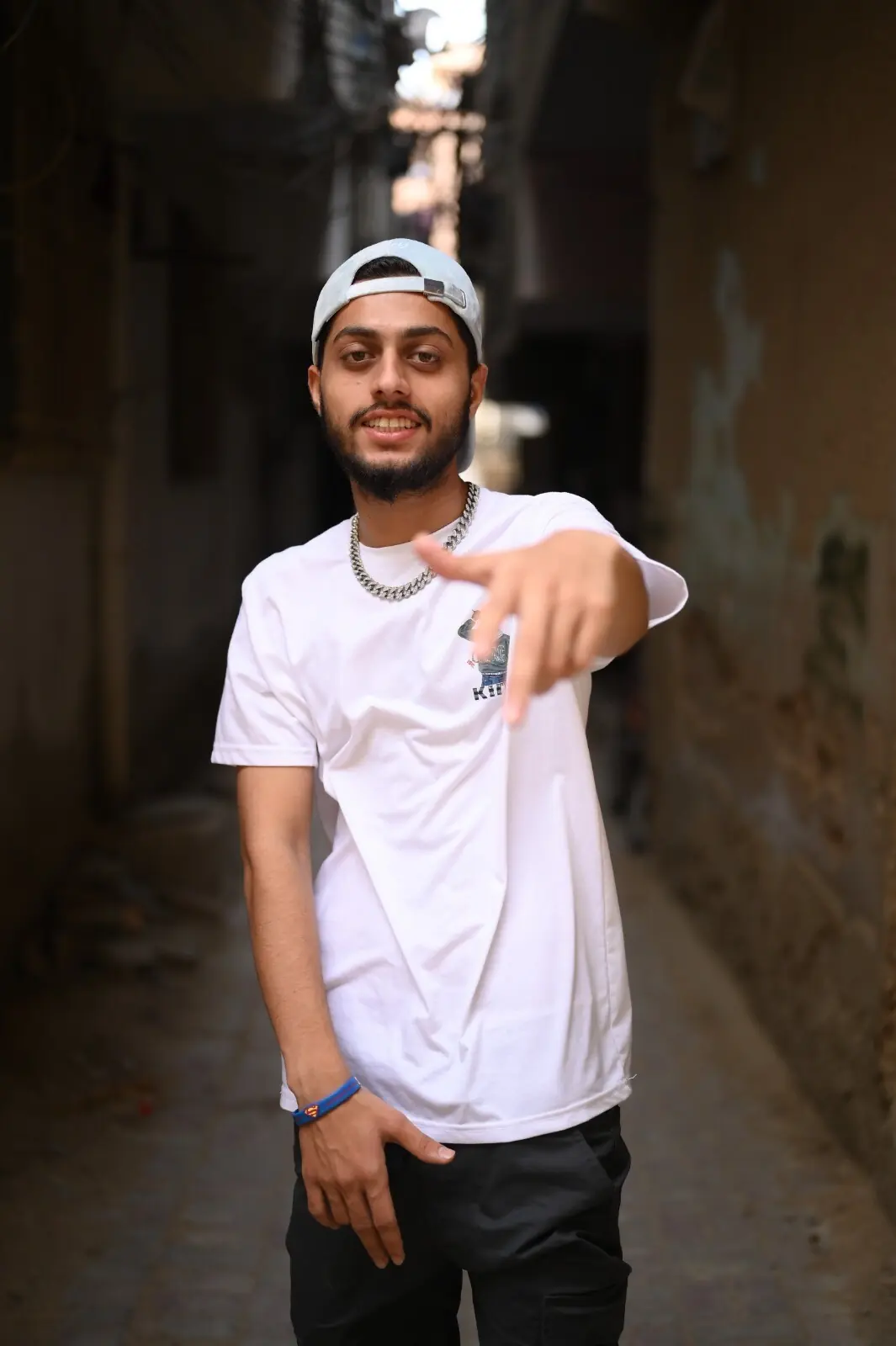
One screening the filmmaker had to mention though, was the film’s first. “We were in a room full of Karachiites, ranging from so many different neighbourhoods, united through music and film. By the end, when the boys did a rap performance, the atmosphere was electric. You rarely get to see class collapse in such a powerful way.”
She said she hoped to get the film streaming in Pakistan after it completed its festival run and is even in talks with some platforms to host it. Khan said she wanted to screen it in cities apart from Karachi as well.
As for her own future, the filmmaker is already working on a number of projects. Last year, she worked on an experimental short, Dealing in Desire, with Sarmad Khoosat. She also has a couple of ideas for documentaries and has been experimenting with short films of her own.
Comments