BAFTA slur sparks storm as BBC faces questions over what it aired — and what it cut
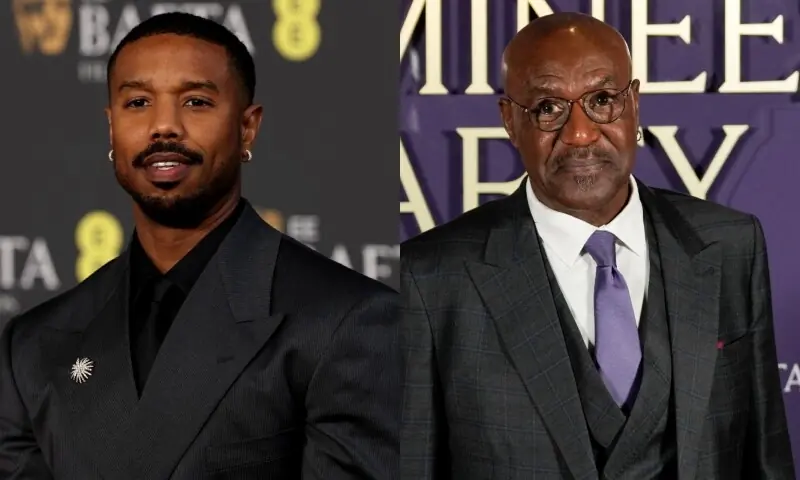
An unexpected moment during Sunday night’s British Academy of Film and Television Arts (BAFTA) Awards quickly drew attention after a guest in the audience shouted a racial slur while actors Michael B Jordan and Delroy Lindo were on stage presenting the award for Best Visual Effects — a moment that later aired during the BBC broadcast.
The individual, identified as Tourette’s campaigner John Davidson, had been invited to the ceremony as the real-life inspiration behind the British film I Swear. Diagnosed with Tourette’s syndrome at the age of 25, Davidson has long spoken publicly about living with the neurological condition, which first began showing symptoms when he was 12. His condition includes involuntary tics and sudden verbal outbursts, often involving cursing, Variety reported.
According to reports, the incident involving Jordan and Lindo was not the only disruption during the evening. Davidson was heard shouting multiple times throughout the ceremony — including “shut the f*** up” during an introductory speech by BAFTA chair Sara Putt, and “f*** you” as the filmmakers behind Boong, winner of Best Children’s and Family Film, took the stage to accept their award.
As the ceremony continued, host Alan Cumming later addressed the audience, thanking attendees for their patience and understanding following the repeated interruptions, subtly acknowledging the situation without allowing it to overshadow the night’s celebrations.
Addressing the room, Cumming said, “You may have noticed some strong language in the background there. This can be part of how Tourette syndrome shows up for some people, as the film explores that experience.”
However, the problem here was how the BBC chose to deal with the incident. Public outbursts took over social media when the BBC allowed the slur to air unfiltered in the tape-delayed broadcast.
On Monday, Davidson said he was “deeply mortified” after shouting a racial slur at the London awards ceremony, which he said was caused by an “involuntary tic”.
“I am, and always have been deeply mortified if anyone considers my involuntary tics to be intentional or to carry any meaning,” Davidson said in a statement to the PA news agency.
He added that he “chose” to leave the auditorium during the ceremony “as I was aware of the distress my tics were causing”.
“I have spent my life trying to support and empower the Tourette’s community and to teach empathy, kindness and understanding from others and I will continue to do so,” he said.
British actor Robert Aramayo triumphed over established stars Timothee Chalamet and Leonardo DiCaprio to win the best actor prize for his portrayal of Davidson, whose life in a small Scottish town was irrevocably changed by the condition.
The British film awards meanwhile apologised for the “very offensive language that carries incomparable trauma and pain for so many”, after a clip of the racial slur being shouted at the Sunday ceremony went viral and sparked backlash online.
“Tourette Syndrome causes involuntary verbal tics, that the individual has no control over,” BAFTA said.
“Michael B Jordan and Delroy Lindo were on stage at the time, and we apologise unreservedly to them, and to all those impacted.”
BBC apology
The BBC also apologised for not editing the offending language out of its broadcast, which was shown on a two-hour delay on Sunday evening.
It was edited out of the version on the BBC’s streaming service on Monday morning.
“We apologise that this was not edited out prior to broadcast and it will now be removed from the version on BBC iPlayer,” the news organisation said.
A spokesperson for the charity Tourettes Action said it “deeply” understood the offence and harm caused by racial slurs.
However, they said it was “vital that the public understands a fundamental truth about Tourette syndrome — tics are involuntary. They are not a reflection of a person’s beliefs, intentions or character.
“People with Tourette’s can say words or phrases they do not mean, do not endorse and feel great distress about afterwards,” the spokesperson added.
The charity added it was “incredibly proud” of Davidson and others involved in the film.
Censoring ‘Free Palestine’
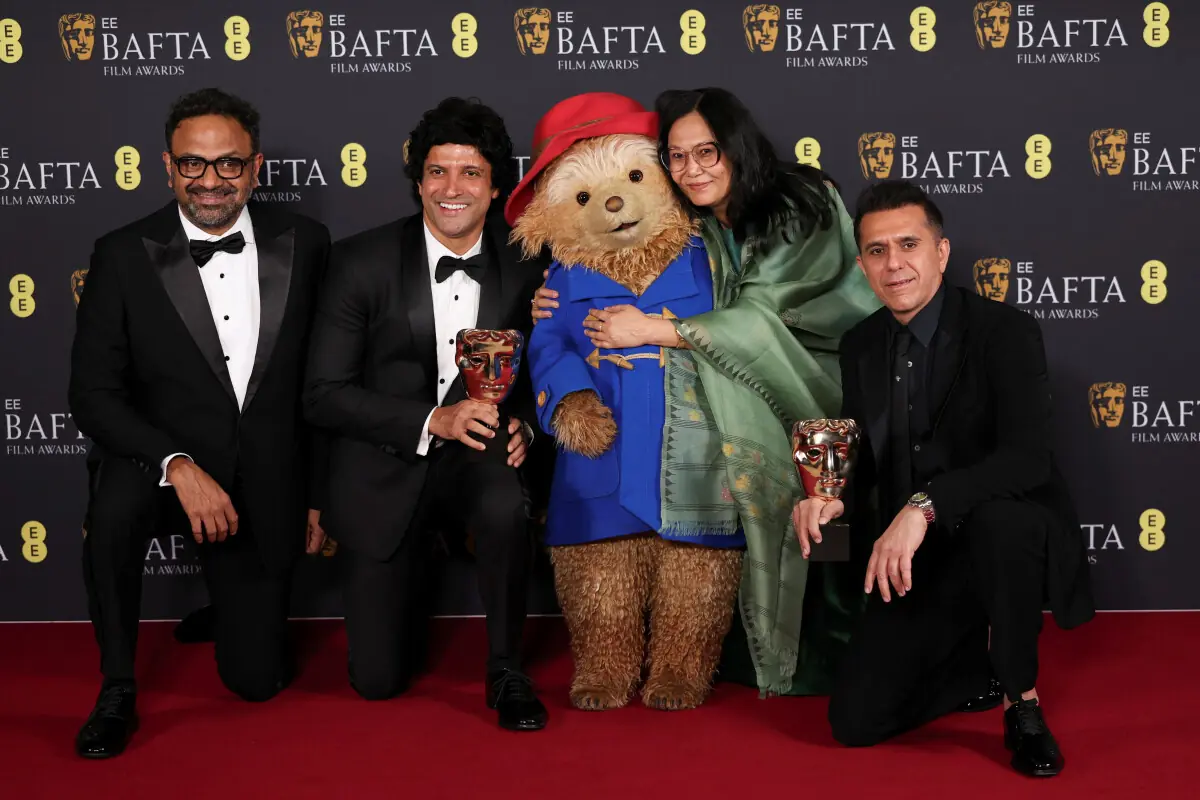
The BBC managed to overlook the racially-charged slur, however, the network successfully and intentionally edited out parts of Nigerian British filmmaker Akinola Davies Jr’s speech in which he told migrants, refugees and those experiencing genocide that their “stories matter,” AJ Plus reported.
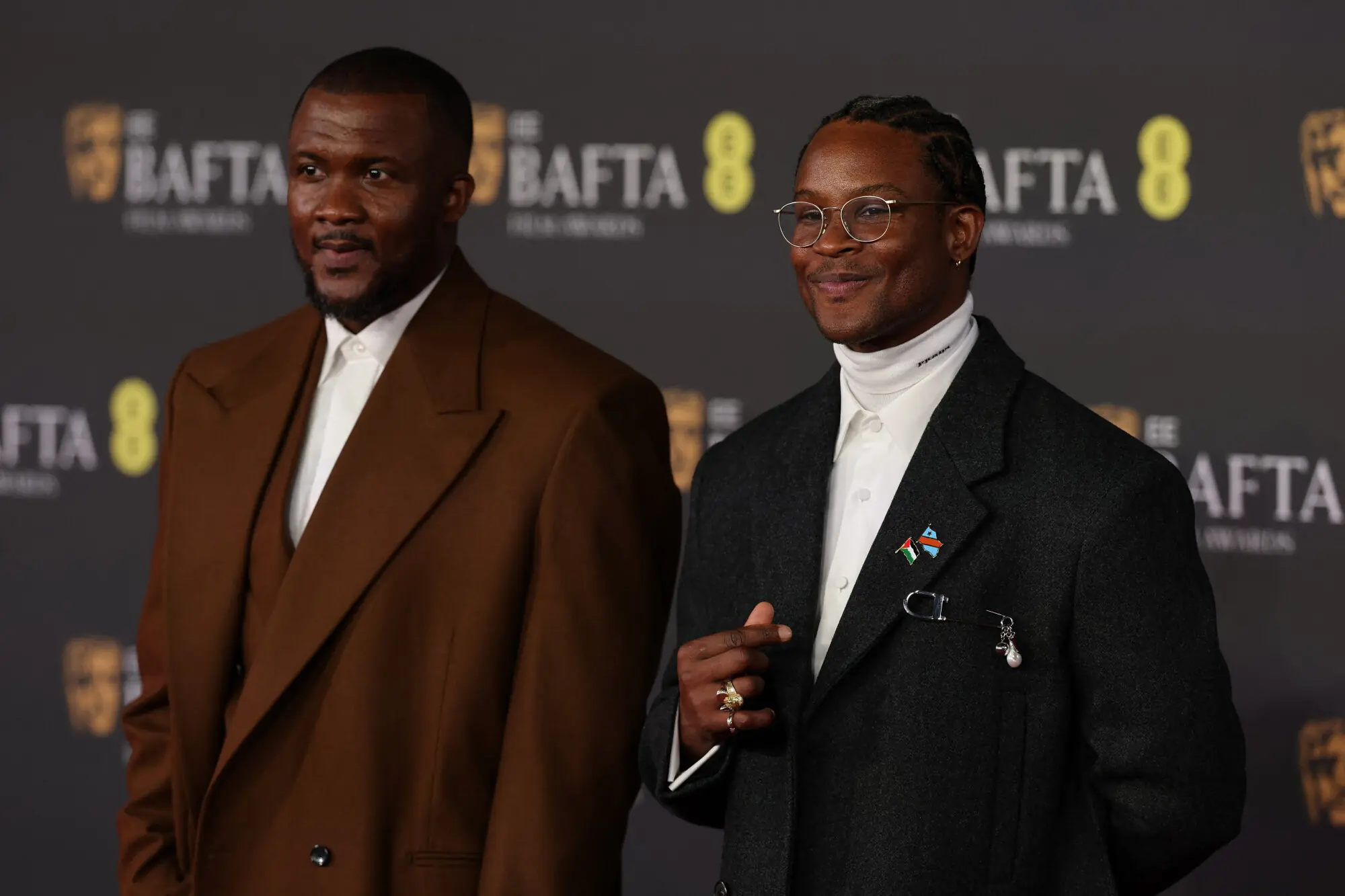
Davies Jr, who won a BAFTA for his film My Father’s Shadow — a film about two sons reuniting with their father in Lagos during the turbulence around the 1993 Nigerian elections — said during his winning speech, “To the economic migrant. The conflict migrant. Those under occupation, dictatorship, persecution, and those experiencing genocide. You matter. Your stories matter more than ever. Your dreams are an act of resistance to those watching at home.
“Archive your loved ones. Archive your stories yesterday, today, and forever. For Nigeria, for London, the Congo, Sudan, free Palestine,” he continued.
The BBC’s broadcast, however, featured Davies Jr thanking his family and his brother, Wale, for “nurturing this spark,” Deadline reported.
A BBC spokesperson told the publication: “The live event is three hours and it has to be reduced to two hours for its on-air slot. The same happened to other speeches made during the night and all edits were made to ensure the programme was delivered to time. All winners’ speeches will be available to watch via BAFTA’s YouTube channel.”
The public did not take the BBC’s editing choices well. Social media is full of people questioning the BBC for the duality in the nature of their actions.
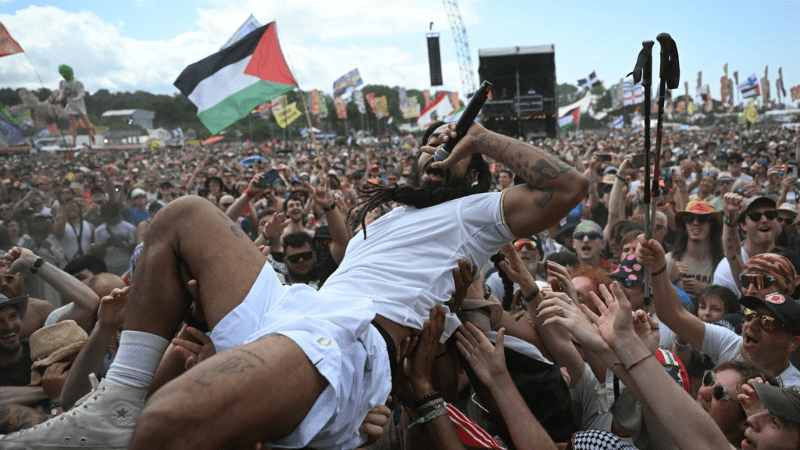
Before the award show, it was reported that the BBC was worried political statements would land the broadcaster in hot water after a livestream of the Glastonbury Festival in June was aired where punk-rap duo Bob Vylan led the audience in chants of “Death, death to the IDF” against the Israeli Defence Forces, stirring controversy in the country.