
Over 80 film heavyweights slam Berlinale for ‘shielding Israel from criticism’


More than 80 film workers, including actors Mark Ruffalo, Tilda Swinton and Javier Bardem, have condemned the Berlin International Film Festival, commonly known as the Berlinale, for its “anti-Palestinian racism” and silence on Israel’s war on Gaza.
In an open letter published in Variety on Tuesday, over 80 actors, directors and other film professionals — all alumni of the festival — urged organisers to clearly state their opposition to what they called “Israel’s genocide” in Gaza.
The signatories also criticised comments made by this year’s Berlinale jury president, filmmaker Wim Wenders, who, when asked about Gaza, said, “We should stay out of politics.”
The film workers said they “fervently disagree” with Wenders’s position, arguing that filmmaking cannot be separated from politics. “You cannot separate one from the other,” the letter stated, rejecting the idea that cinema exists outside political realities.
Other signatories include actors Cherien Dabis and Brian Cox, as well as directors Adam McKay, Mike Leigh, Lukas Dhont, Nan Goldin and Avi Mograbi.
In the letter, the group accused the Berlinale of being involved in censoring artists who have spoken out against Israel’s actions in Gaza, and pointed to what they described as institutional repression during last year’s festival.
“Last year, filmmakers who spoke out for Palestinian life and liberty from the Berlinale stage reported being aggressively reprimanded by senior festival programmers,” the letter read. It added that one filmmaker was reportedly investigated by police, while festival leadership allegedly characterised a speech grounded in international law and solidarity as “discriminatory”.
“We stand with our colleagues in rejecting this institutional repression and anti-Palestinian racism,” the signatories wrote.
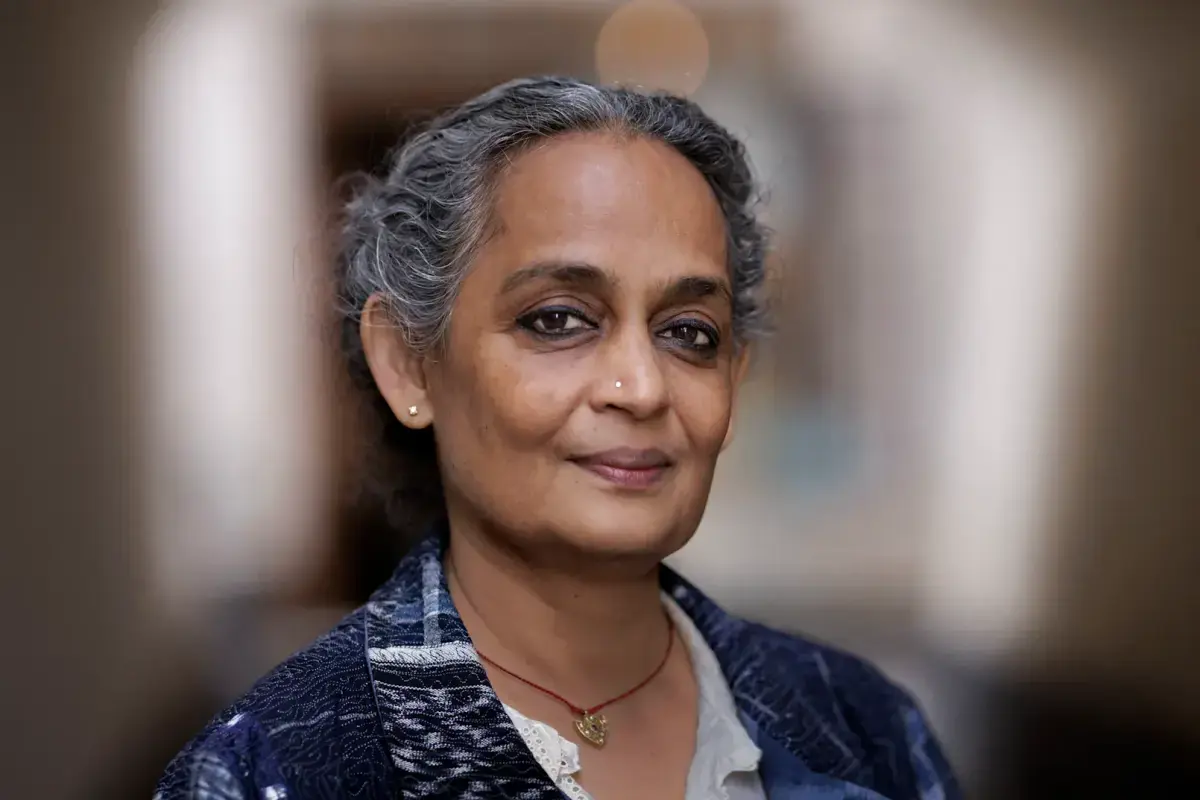
The criticism comes days after Indian author Arundhati Roy announced she was withdrawing from this year’s festival over “unconscionable statements” by jury members, including Wenders.
The 2026 edition of the Berlinale runs from February 12 to 22.
In their letter, the film workers said the festival’s position contrasts sharply with its past responses to Russia’s war on Ukraine and the situation in Iran, where organisers issued clear statements of solidarity.
They also referenced recent reporting, including an investigation by Al Jazeera, which documented the use of thermobaric weapons in Gaza. According to the investigation, the weapons — capable of generating temperatures exceeding 3,500 degrees Celsius — can leave behind little to no human remains, and “made thousands of Palestinians evaporate”.
Germany’s role as one of Israel’s largest arms exporters was also criticised in the letter, citing repressive measures introduced to discourage public expressions of solidarity with Palestinians, including within the arts sector.
The signatories noted that the wider international film community has increasingly taken a stance. Last year, several major festivals endorsed a cultural boycott of Israel, and more than 4,000 film workers pledged to refuse work with Israeli film companies and institutions.
Yet, they argued, the Berlinale “has so far not even met the demands of its community to issue a statement that affirms the Palestinian right to life, dignity, and freedom”.
“Just as the festival has made clear statements in the past about atrocities carried out against people in Iran and Ukraine, we call on the Berlinale to fulfil its moral duty and clearly state its opposition to Israel’s genocide, crimes against humanity and war crimes against Palestinians, and completely end its involvement in shielding Israel from criticism and calls for accountability,” the letter concluded.